Medical aid prices could be reduced in South Africa


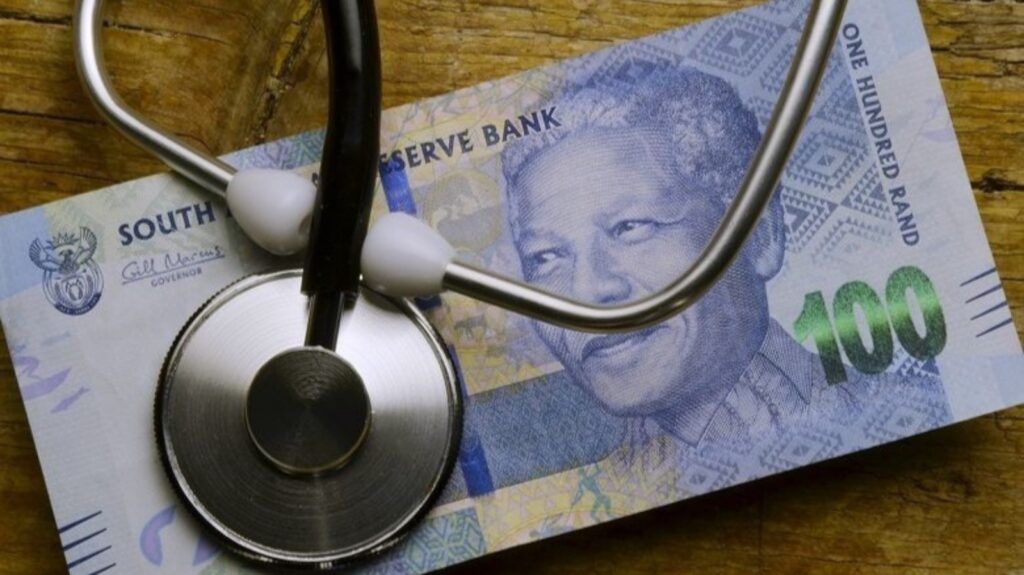
A new report from the Health Funders Association (HFA) has revealed that medical aid costs in South Africa could be slashed by 30% if memberships are made mandatory.
Established in 2015, the HFA is a non-profit organisation that was set up to represent stakeholders in South Africa’s private healthcare sector.
Today, the HFA represents 20 medical schemes and 3 administrators, covering 4.1 million beneficiaries or 45% of the country’s private healthcare market.
The organisation published its inaugural State of Medical Schemes report on 2 September 2026, exploring the contribution medical aid makes to South Africa’s healthcare.
The report was based on a survey which was conducted from 11 to 23 August, involving 28 respondents representing medical schemes of varying size.
It found that making medical aid membership mandatory for working South Africans that can afford it could reduce contribution costs by 30%.
Speaking to 702, HFA CEO Thoneshan Naidoo explained that this would work by distributing healthcare costs more evenly across a much larger risk pool.
“This was an incomplete regulatory framework from 25 to 30 years ago, when medical schemes were done,” Naidoo said.
“If we actually could close those mandatory membership issues, it would mean that there would be an additional 9 million South Africans that would fall into medical schemes.”
Naidoo explained that many young South Africans currently opt out of medical schemes due to affordability concerns and other personal reasons.
Mandating coverage for younger working South Africans would lead to cross-subsidisation of older medical scheme members, offsetting their higher claim costs.
According to the report, almost 1 million South Africans incurred higher healthcare costs than their annual contributions would cover during 2025 alone.
The HFA said a larger risk pool would create more tangible value for these South Africans by making it possible to still fund medical care when their needs exceed their own contributions.
A phased approach
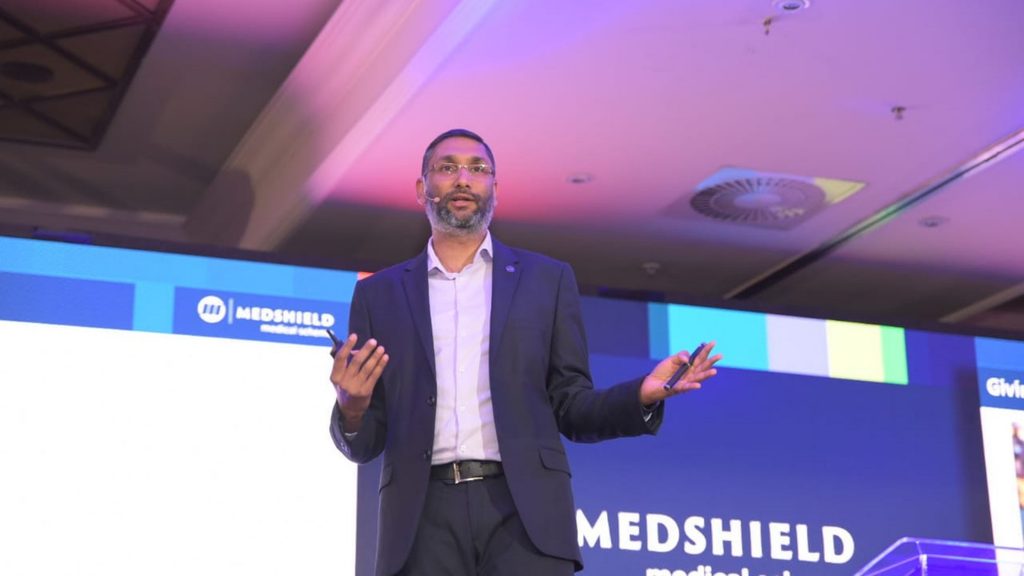
While the HFA has campaigned for mandated medical aid schemes in South Africa, it also recognised that this may not be feasible for every person or household.
Lower-income workers living on the breadline may find themselves having to make difficult decisions between medical costs and other important household expenses, such as food.
Recognising that these individuals should not be placed in a situation where they are forced to invest in medical schemes, Naidoo proposed a phased rollout of the mandatory scheme.
“On the upper echelon are the people earning over R750,000,” Naidoo said. “Those are options you can start with mandatory membership.”
“Then slowly, over the years, potentially lower the threshold for mandatory membership. It must be a phased affordability process.”
According to Naidoo, there are over 200,000 South Africans earning more than R750,000 annually, or R62,500 per month, that are not currently covered by medical aid schemes.
The HFA pointed to international examples where medical aid membership is mandatory for employed people, such as Germany, saying this model has proven to keep medical cover costs down.
Apart from mandatory membership, the HFA has recommended South Africa’s medical aid schemes to look into the creation of a Risk Equalisation Fund (REF).
This would allow schemes with younger, healthier demographics to contribute amounts towards a fund which would benefit schemes with older members.
Naidoo estimated that this REF would currently be valued at R5.6 billion, accounting for 2% to 3% of the annual contributions paid to the medical schemes industry.
“With the REF, it actually evens the playing field,” Naidoo said. “We’re talking then about pure quality of service and competing for that.”
“So that would be another takeaway from the issues we have today. But fundamentally as well, we do at some point in time need a standard package that everyone can ascribe to.”






Comments