20 people make R1 million a week selling boiled mielies to street traders


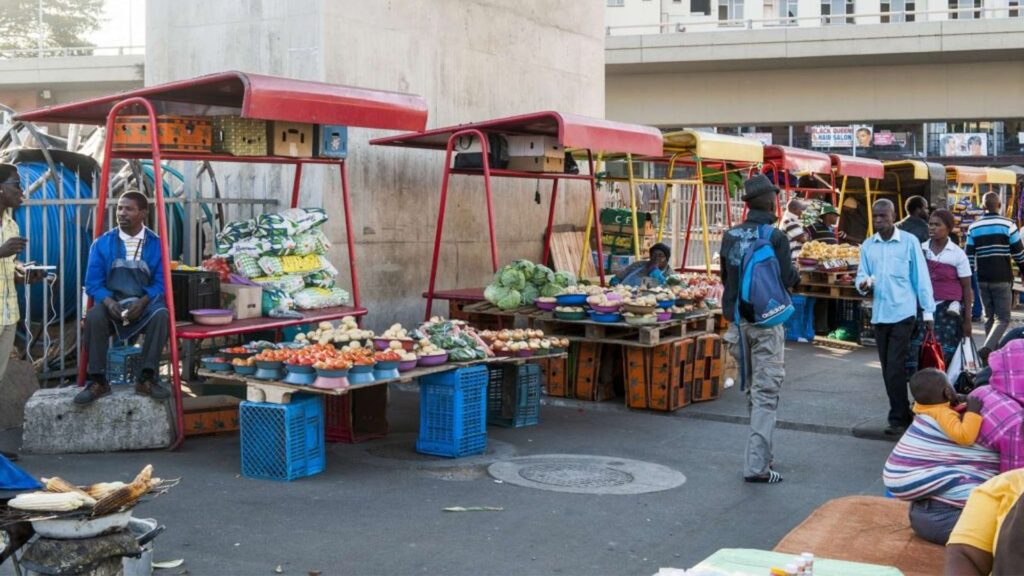
Twenty wholesalers operating at the Warwick Street Triangle in Durban make R1 million a week selling boiled mieleies to street traders.
Despite their critical role in the local economy, these wholesalers’ efforts to engage with the local municipality to formalise their businesses have come to nothing.
This points to a mistake many people make about the informal economy, expert GG Alcock explained on The Common Sense podcast.
Alcock said many people view informality as a competitive edge, when in fact it is a trap that limits business growth.
Informality is often associated with noncompliance and the avoidance of administrative burdens, which gives these businesses an unfair advantage over formal peers.
However, it comes with severe downsides. These businesses cannot access credit to grow, and do not receive adequate service delivery suited to their businesses.
The lack of formalisation also prevents them from claiming back value-added tax on purchases from suppliers, eliminating an advantage many formal businesses have.
To explain why informality is a trap, Alcock pointed to the efforts of mielie wholesalers in Durban to formalise their business and grow.
“To give you a sense of scale, there are 20 wholesale traders who boil mielies and sell them to street hawkers. These 20 sellers move 26 to 28 tonnes of mielies a week,” Alcock explained.
“Together, they generated R1 million of turnover a week. Just on mielies. These are serious businesses that employ people and sustain dozens of livelihoods.”
Alcock explained that many people see a humble mielie trader on the side of the street and do not understand the scale of the business.
There are hundreds of mielie traders just in the Warwick Street Triangle, and they all have to get their produce somewhere.
This is where the 20 wholesalers step in and supply this market, making a tremendous amount of money by supplying informal traders.
Alcock said this is what formal businesses and banks, in particular, get wrong about the informal market: they lose sight of the forest for the trees.
Government hinders and does not help
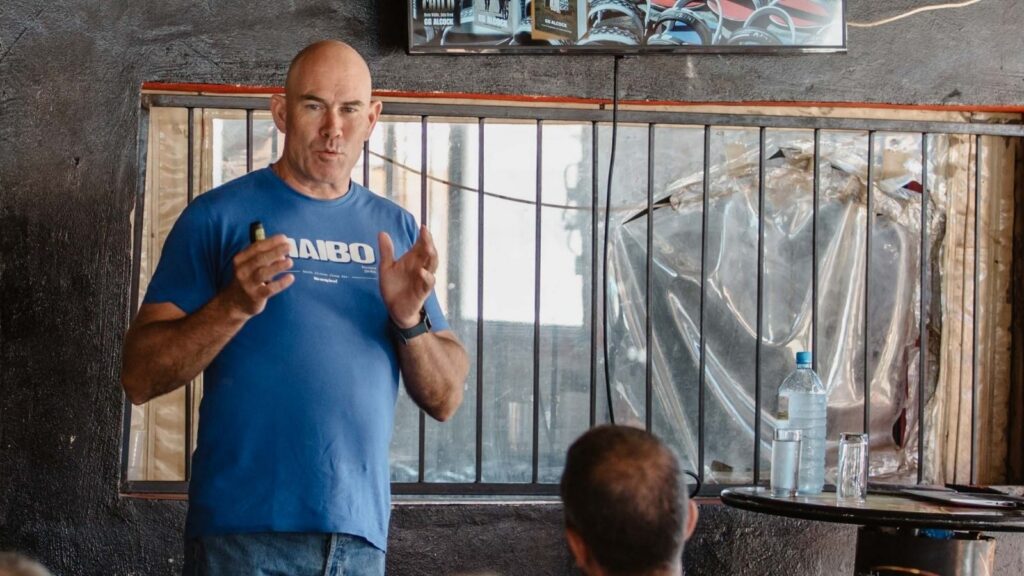
Alcock said most of the responsibility for traders’ informality lies at the government’s feet, which does not meet them where they are.
The government and its bureaucratic processes make it difficult for these traders to register businesses and formalise their operations, leaving many to operate on a small scale.
These businesses could employ many more people and generate significant tax revenue for the government if they were formalised.
Using the example of the mielie traders, Alcock said a local non-governmental organisation tried to negotiate with the city council and hawker associations to formalise the arrangement and have them pay rent for using street space.
“Under the negotiated agreement, all the hawkers agreed to pay a monthly rental fee of R30 per square meter for their trading stands,” Alcock explained.
“They paid this reliably every month until the city council decided that physically collecting these monthly fees from hundreds of traders was too much of a burden.”
The city council issued a directive requiring traders to pay six months’ rent in advance, which Alcock said is impossible for these businesses.
“This showed a complete lack of understanding of cash flow in small businesses. These traders operate on immediate, daily cash cycles,” Alcock said.
“They do not keep six months of rent lying around to hand over to the council. It was ridiculous. If this happened at a mall, stores would take the landlord to court instantly.”
The result of the city council’s initiative was that the traders stopped paying the monthly fees they had initially agreed upon.
“They said they were willing to pay the monthly rent, but could not pay six months upfront because the city’s collectors are lazy,” Alcock said.
“The entire system collapsed. It is a classic example of municipal friction breaking a highly functional system.”
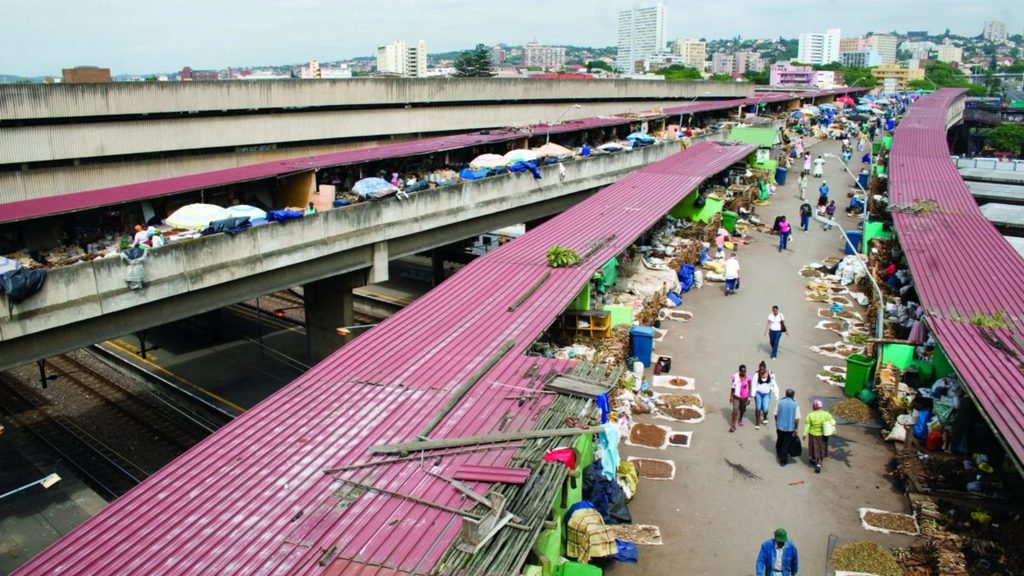
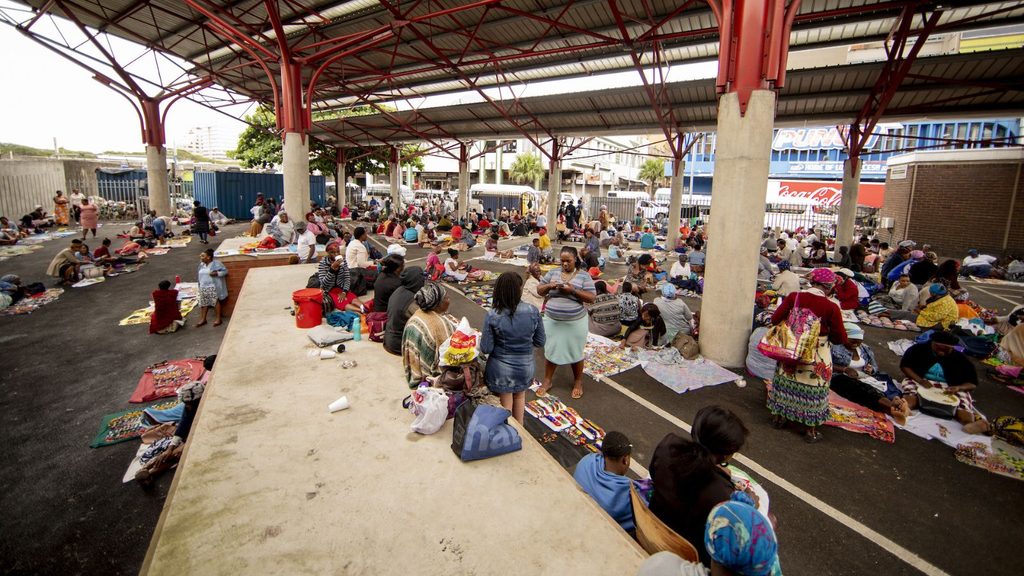
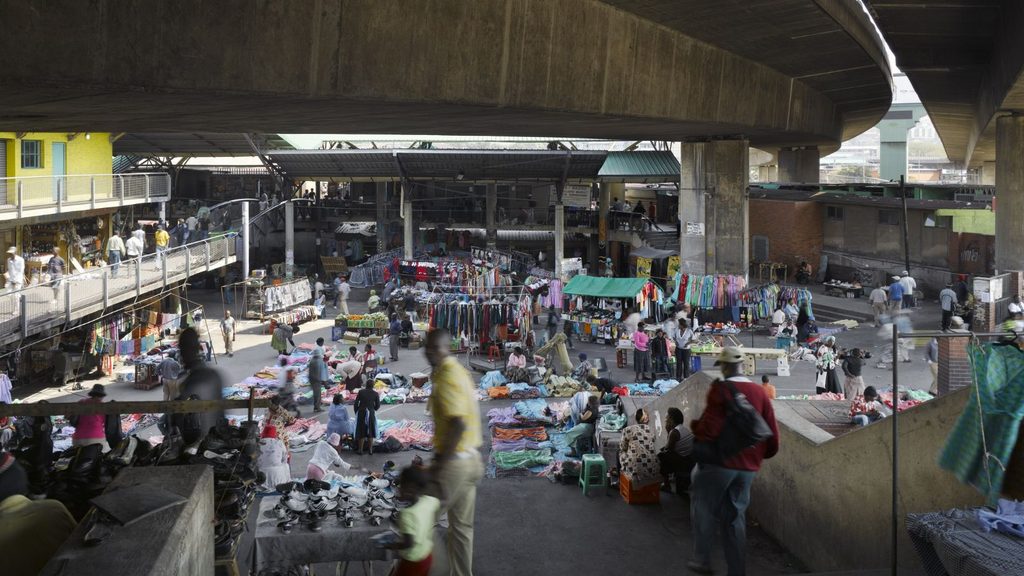
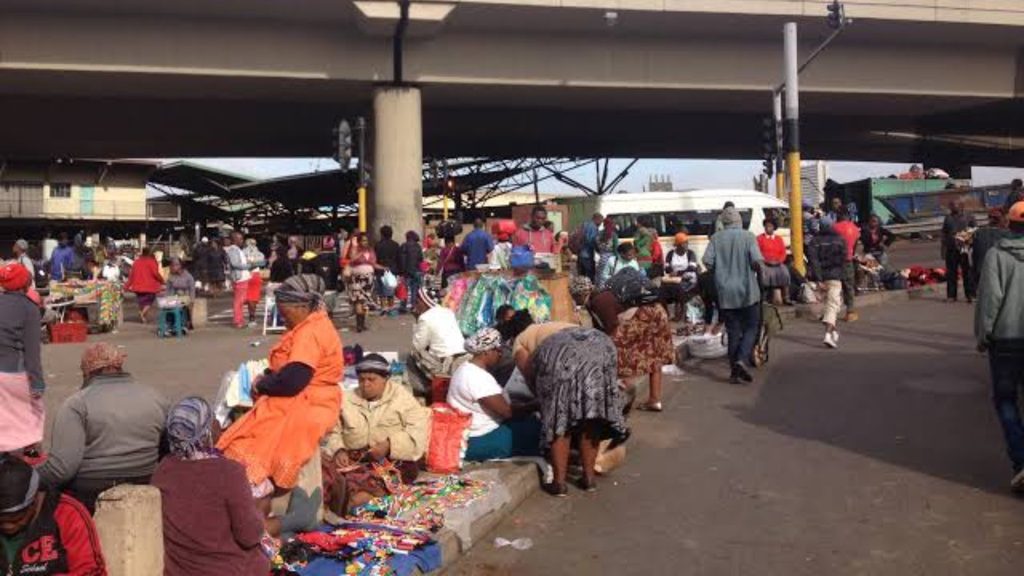
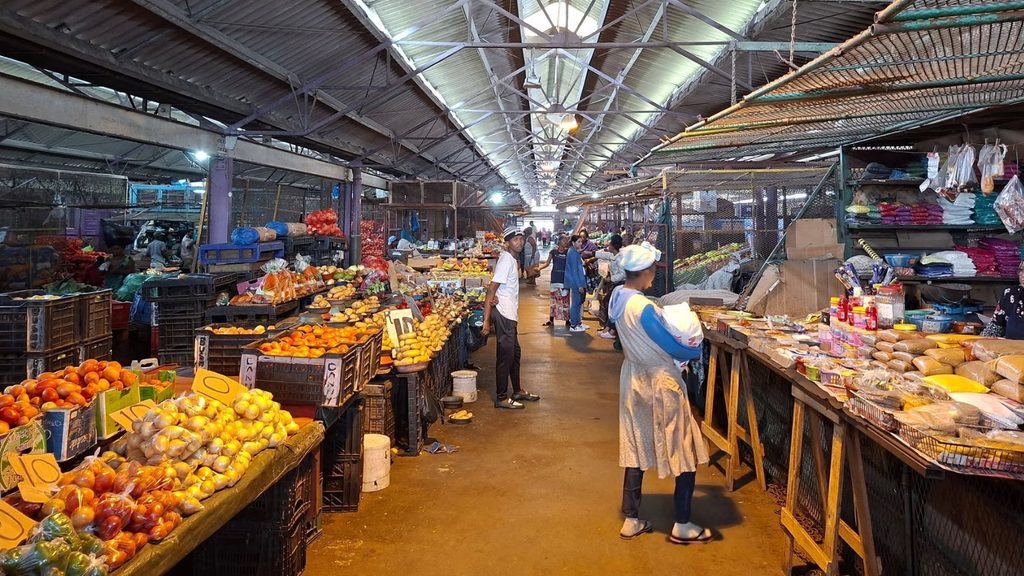
Warwick Street Triangle







Comments