One woman makes R18,000 a month tax-free by selling bread from her township home


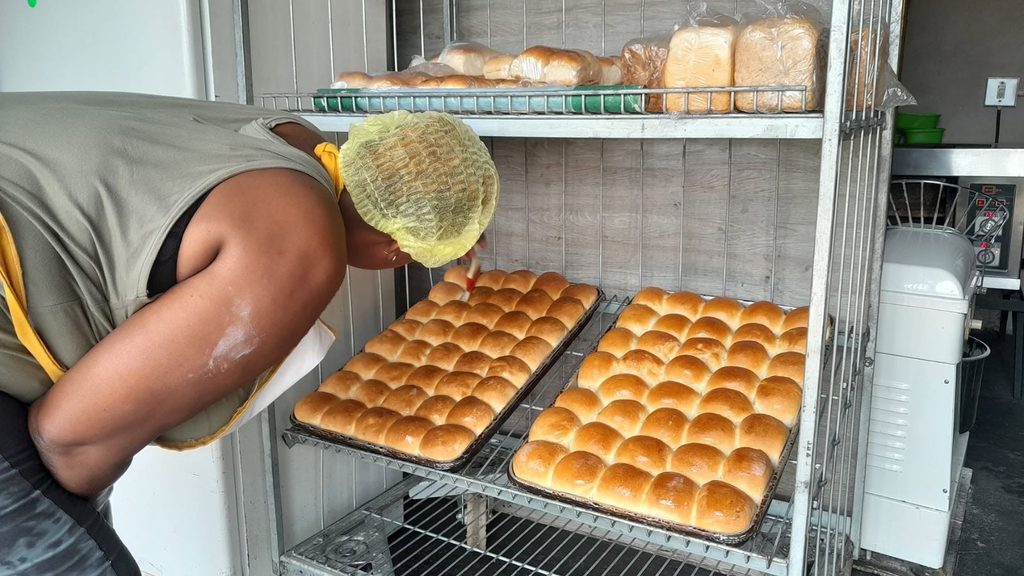
A woman in Soweto makes R18,000 a month by selling bread from her house, successfully taking on JSE-listed giants in the informal economy.
This is despite the distinct disadvantage of paying residential electricity rates, as municipal officials rejected her request for industrial power.
Informal economy expert GG Alcock recalled this story on The Common Sense podcast, where he used it as an example of how being in an informal business is a trap rather than a blessing.
Alcock explained that many people think informal businesses have unfair advantages because they are not subject to onerous regulatory burdens and often do not pay corporate income tax.
While these are advantages, Alcock said they come with severe trade-offs, including limited access to capital and basic services.
These handicaps limit the growth of informal businesses, preventing them from employing more people and adding further economic value.
Alcock explained that in townships, there are very few designated commercial zones or business parks where entrepreneurs can access industrial power and water.
This leaves them with residential property services, which are highly dangerous and expensive for electricity and water.
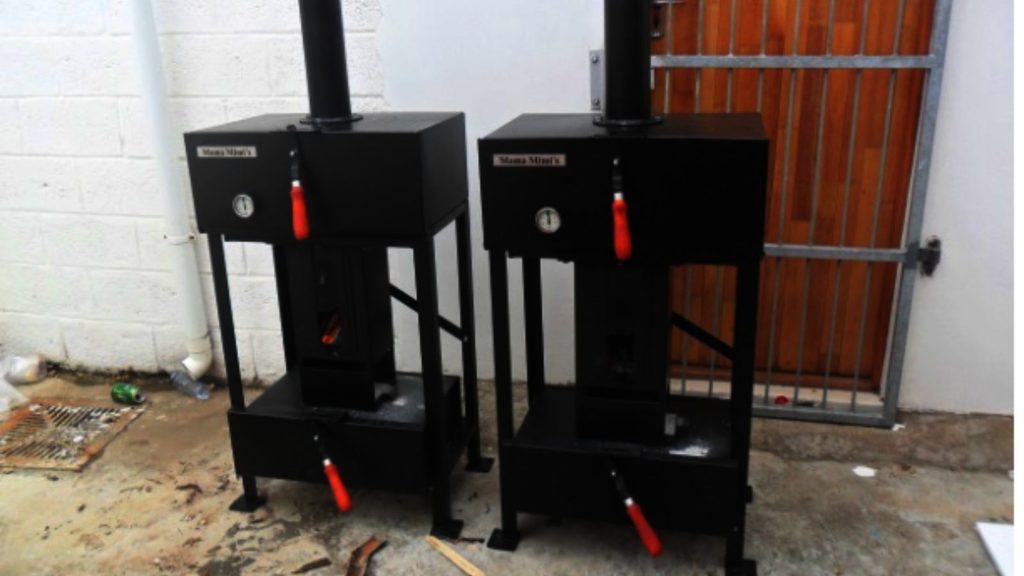
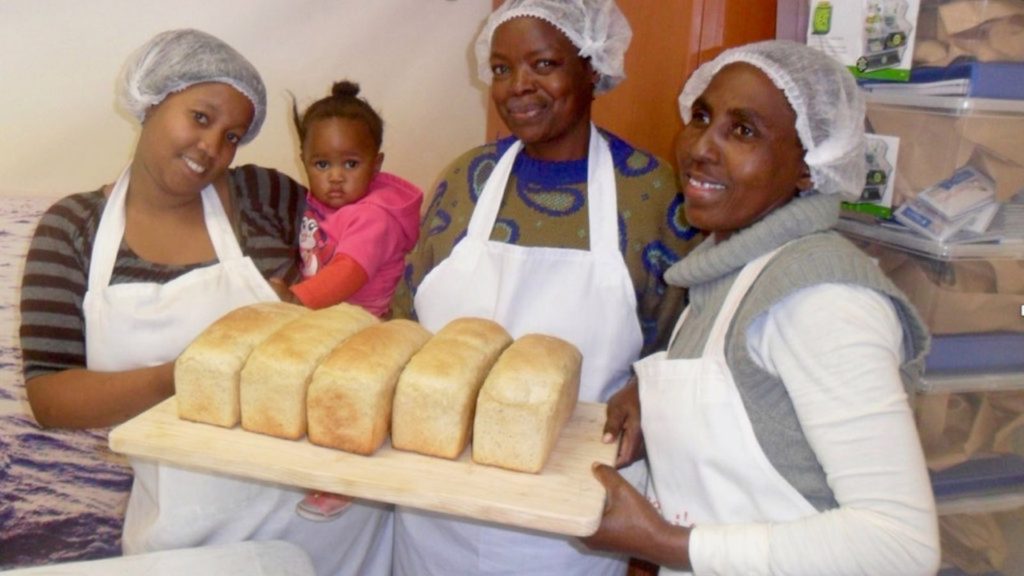
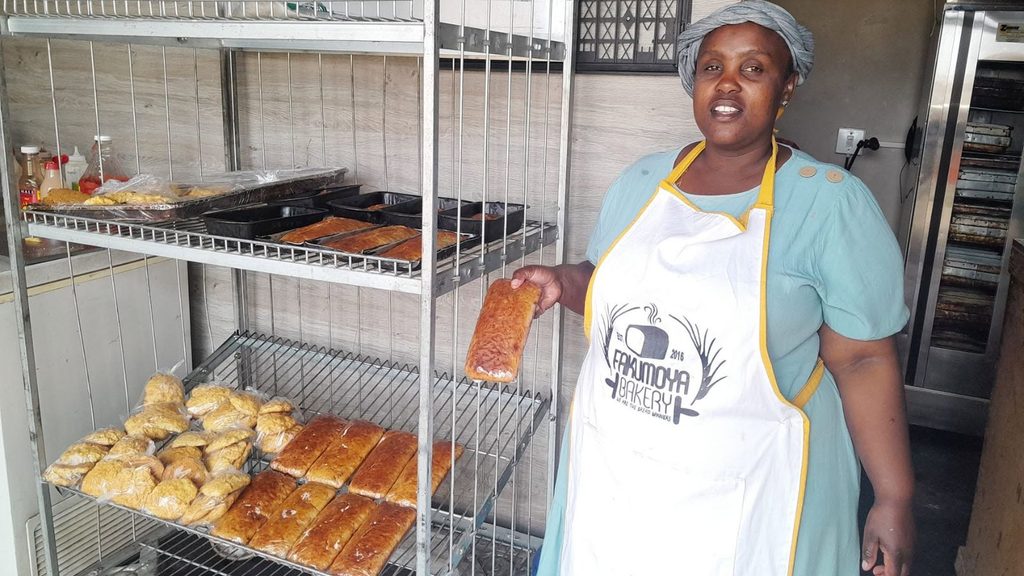
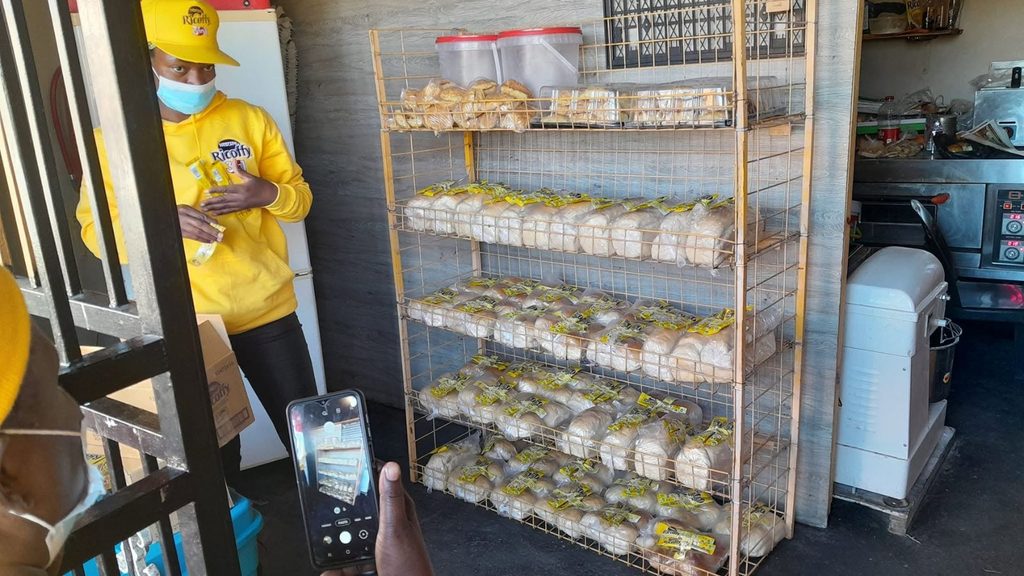
“I remember a lady in Soweto who told me she runs a bakery out of her residential home, with commercial ovens and everything,” Alcock said.
The local electricity grid is not designed to handle the power draw of industrial baking ovens on residential property, creating challenges for this entrepreneur.
“She asked the municipality for an upgraded commercial connection, and they rejected her. They said they would not lay down high-capacity power lines for one user,” Alcock said.
“As a result, these bakeries are forced to run commercial ovens on expensive domestic prepaid electricity. In this case, the bakery in Soweto pays a mind-blowing R18,000 a month in prepaid electricity.”
Alcock said the woman would not tell him exactly how much her bakery made, but guaranteed that it covers her electricity bill and much more.
This is a clear constraint on the growth of her business, with there being no option to use enhanced services without losing access to customers.
“Informality is not a choice to avoid rules. It is a structural trap. They want to escape it, but the state’s rigid frameworks block them,” Alcock said.
“If the government wants to help, they don’t need to hand out small business grants. They just need to provide basic utility infrastructure to let these businesses grow.”
Scale is overlooked
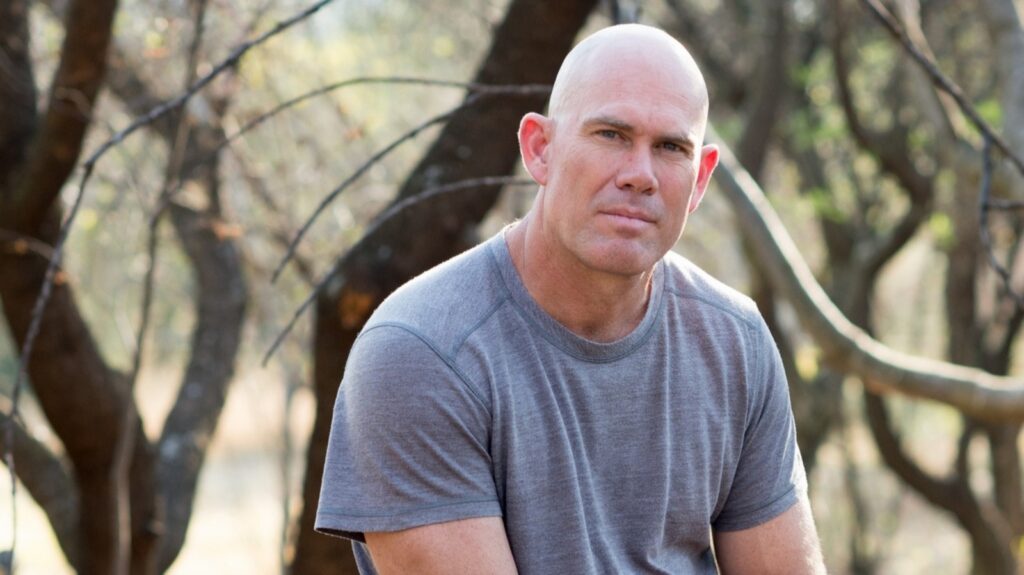
Alcock explained that the scale of informal businesses is often overlooked, with many judging the book by its cover.
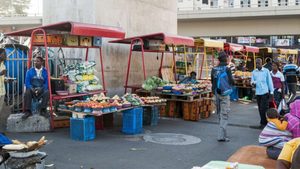
They see someone sitting on an upturned bucket, using a wooden plank as a table to sell snacks, rather than a business that can generate substantial income.
Informal bakeries are no different, as they are an overlooked part of the parallel economy that JSE-listed giants are increasingly looking to penetrate.
These bakeries benefit from being in close proximity to their clients, often catching them on their way to work or school and on their way back.
“These township bakeries, for instance, show the scale of the informal economy is beyond what we can even imagine,” Alcock said.
“There are about 10,000 informal bakeries, and some of them bake up to 12,000 loaves of bread a day.”
To put this in context, Albany-owner Tiger Brands’ latest megabakery will produce the same number of loaves in an hour.
The difference in scale is substantial, as Tiger Brands is a JSE-listed company valued at R45 billion that can plough immense resources into achieving economies of scale.
However, in many cases, the issue for Tiger Brands is the opposite of that of an informal bakery: It lacks access to customers, not the scale.
To this end, its Albany brand has rolled out 800 Bread-On-The-Streets (BOTS) stands to expand its reach in inner-city areas and townships.
These stands are located in high-footfall areas such as taxi ranks and bus stations in South Africa’s inner cities.
This brings Albany bread closer to customers and into direct competition with informal traders and bakeries, catching travellers on their journeys to and from work.
Tiger Brands said 800 BOTS stands are operational and are run by 800 entrepreneurs across South Africa. It aims to expand this initiative to 3,000 stands.
This is a testament to the scale of the informal market: a R45 billion giant sees it as an opportunity to move the needle on its top- and bottom-line performance.
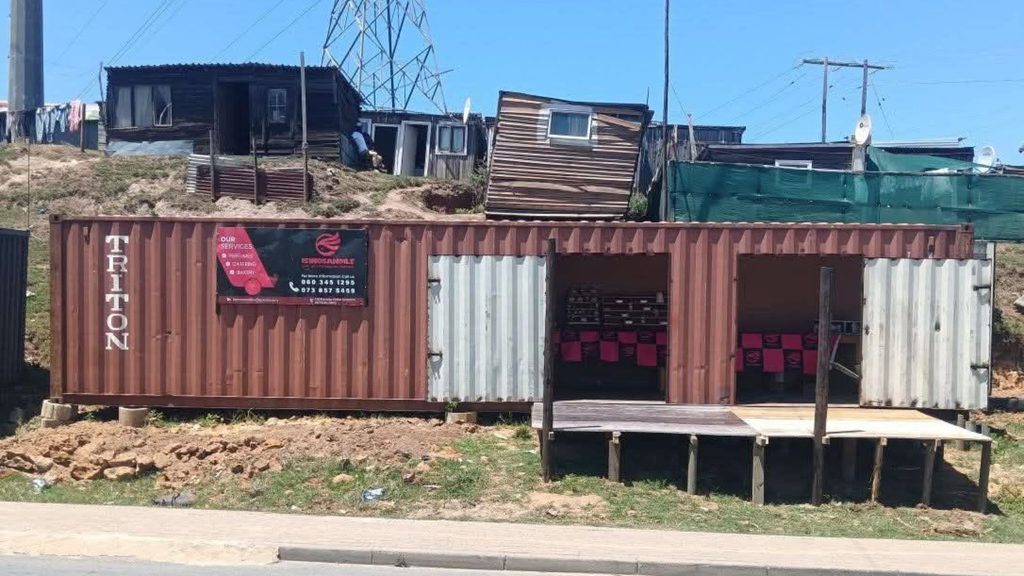
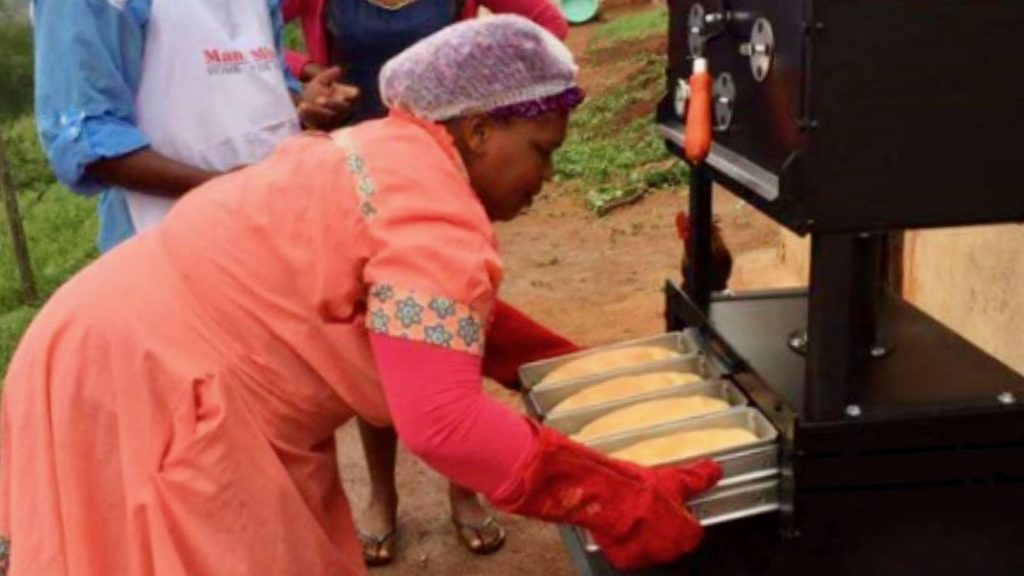
Informal bakery photos


Comments