Selling a property in South Africa can come with a R340,000 surprise bill


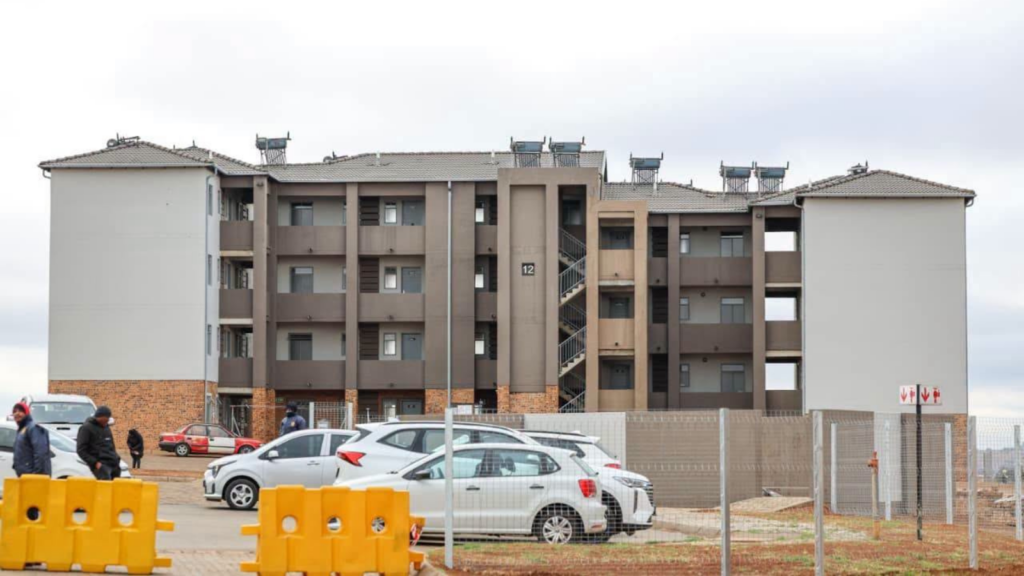
South African property sellers are increasingly facing unexpected pre-transfer costs, including municipal bills of hundreds of thousands of rand.
Despite CPI easing to 4.3% in July, South Africa’s prime lending rate remains high at 10.50%. At the same time, municipal tariffs are climbing.
In Johannesburg, increases from 1 July 2026 include 12.5% for water, 11% for sanitation, 9.01% for electricity, 6.2% for refuse, and 3.6% for property rates.
Chase Capital Director Kyndal White explained that property sellers are increasingly equity‑rich but cash‑poor.
This comes as borrowing costs are high and property transfer timelines stretch from 8 to 16 weeks on average, or months if there are municipal billing queries.
“In today’s economic climate, money stuck in a property deal won’t help if you’re hit with an unexpected six‑figure rates clearance bill that halts deeds office registration,” he said.
Municipal clearance certificates are legally required under Section 118 of the Municipal Systems Act, but obtaining one can take time. The City of Johannesburg issues 5,000 clearance certificates a month.
This process can take 30 days or more and stops immediately if there are arrears or account disputes. Before a certificate is issued, sellers have to pay an upfront municipal estimate for the next 120 days.
While sellers typically assume their monthly statements, White warned that physical audits can reveal discrepancies at the point of transfer.
When this happens, the sellers have to find thousands, if not hundreds of thousands of rands, in a matter of days.
“Without liquid cash, the entire transfer stalls, with the very real risk of the sale collapsing,” he said.
Sellers hit with heavy bills

Chase Capital Head of Sales Brynn White said his firm had a client selling a commercial property in Kensington who received a municipal bill of R340,575 after the physical meter inspection.
“His working capital was tied up in the business and the property’s equity, which meant he didn’t have the cash to pay it upfront, and therefore couldn’t get the clearance certificate,” Brynn said.
“Traditional commercial banks were unable to provide liquidity on short notice, so he made use of a seller advance to settle the account.”
Liquidity problems also arise during the winding up of deceased estates, which can drag on for years.
“Beneficiaries often end up having to pay municipal rates, estate maintenance and legal fees without being able to access the underlying capital,” Brynn added.
“In one case, a widow tasked with selling a commercial property after her husband’s passing faced a deluge of unbudgeted settlement liabilities.”
“Short‑term transaction capital allowed her to pay the pre‑transfer costs quickly, protect the property’s market value, and complete the transfer without delay.”
White explained that high interest rates and post‑Covid-19 economic pressures are also affecting property owners.
“A landlord who owned several homes in residential estates had fallen behind on bond repayments, rates and body corporate levies during the pandemic, and was desperate to sell,” Brynn said.
“After exhausting traditional financing options, he used a seller advance to clear his outstanding levies and municipal arrears, which allowed him to obtain clearance certificates and proceed with registration.”






Comments