South Africa’s oldest food producer under siege for factory shutdown in rich Western Cape town


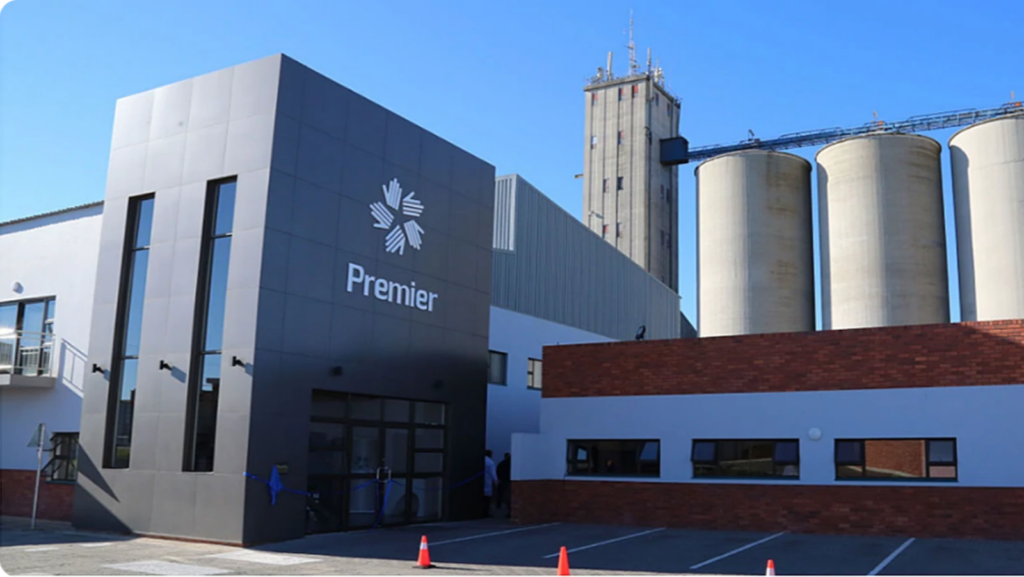
The Western Cape Provincial Parliament has called on Premier Foods to answer questions around the planned closure of its Fruit Products Western Cape (FPWC) canning facility.
The food producer has been requested to appear before the Western Cape’s Standing Committee on Agriculture, Economic Development and Tourism.
It will be required to answer questions on the reasons for the proposed closure, the impact on workers and growers, and whether alternatives have been adequately considered.
This follows a series of government engagements between Premier Foods and the Department of Agriculture, the Department of Economic Development and Tourism, and Wesgro.
Premier Foods announced the closure of the factory at the end of July 2026, citing declining global demand and rising input costs amongst the reasons.
The factory, located in the town of Tulbagh in the Witzenberg Local Municipality, supports 250 year-round jobs and up to 2,200 seasonal positions.
At its peak, the FPWC facility processed more than 60,000 tonnes of fruit annually and purchased more than R300 million worth of produce from over 200 local growers.
The closure of the facility is expected to trickle down the Witzenberg agricultural supply chain, affecting fruit growers, farm workers, transport operators, suppliers, and local businesses in Tulbagh.
The Western Cape government has held a series of engagements with affected stakeholders to identify alternative solutions to the factory’s closure.
Participants included organised agriculture and affected farmers, as well as the CEO of Premier Foods, Kobus Gertenbach.
Despite these engagements, the Western Cape Provincial Parliament said there is currently no viable alternative to prevent the facility’s closure.
Discussions with Langeberg & Ashton Foods regarding the potential takeover of the facility reportedly broke down due to the company’s reluctance to do so.
Premier Foods confirmed to BusinessTech that it had initiated Section 189 retrenchment proceedings at the FPWC alongside the announcement of the factory’s closure.
The Competition Commission is investigating this, saying Premier had previously promised it would not retrench any employees for three years following its merger with Rhodes Food Group (RFG).
Premier has reasoned that the closure of the FPWC is a separate business sustainability issue which is unrelated to the RFG merger.
Provincial Parliament Member Noko Masipa said the government would not stand by as critical agricultural processing capacity and jobs are lost.
“The proposed closure is not simply a matter of one factory closing its doors,” Masipa said. “It threatens an entire agricultural value chain and thousands of livelihoods.”
“Premier Foods must now appear before the Committee and account for this decision, particularly given its previous undertaking on employment and the significant impact the closure will have.”






Comments