Zimbabwe owes South African Airways R942 million


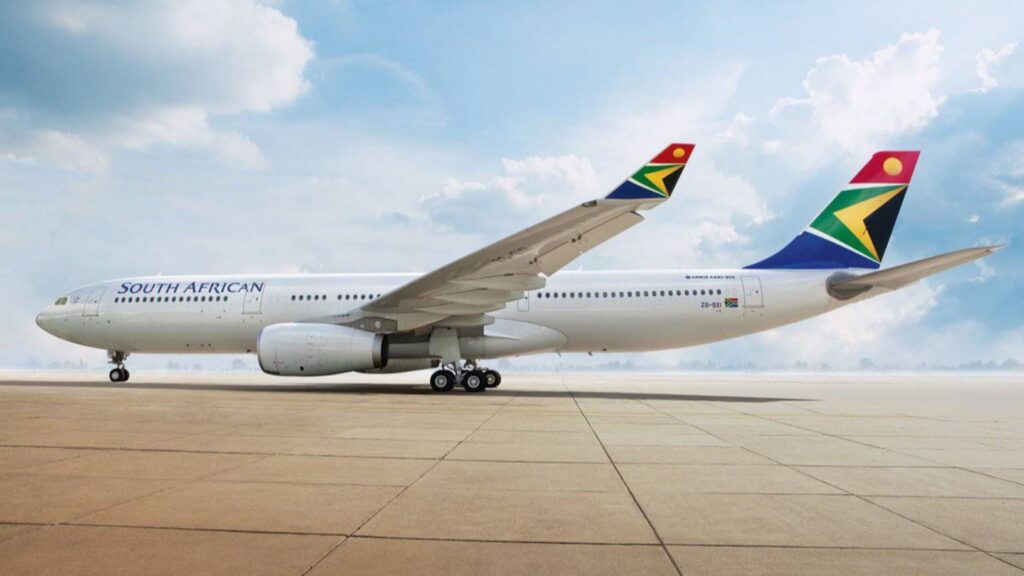
The South African government is looking to reclaim over $59 million (R942 million) owed to South African Airways (SAA) by Zimbabwe.
This forms part of a larger R1.4 billion owed to South Africa by foreign countries and is linked to SAA ticket-sale revenue that the country has been unable to repatriate.
The debt has accumulated over the last decade, and diplomatic attempts to recover the money since 2020 have been unsuccessful.
The difficulty in repatriating the funds stems from Zimbabwe’s ongoing liquidity crunch, which emerged in 2011.
Following the country’s abandonment of the hyperinflationary Zimbabwean dollar in 2009, Zimbabwe switched to using foreign currencies such as the rand and the US dollar.
While this brought relative stability for the first two years, it soon led to a shortage of physical cash and circulating foreign currency within the country’s borders.
This has extended to the bullion-backed Zimbabwe Gold, or ZiG, which the country introduced as its new official currency in April 2024.
This foreign currency shortage, along with Zimbabwe’s exchange control regulations, restricted SAA’s ability to convert and transfer local revenue.
The airline reduced the debt from an initial $87.9 million (R1.4 billion) by moving smaller amounts across the border and by leaving $9 million (R144 million) in Zimbabwe for local use.
SAA previously impaired the debt in its 2019 financial year, saying at the time that it was doubtful the money would ever be repatriated.
In 2024, SAA revealed that the Zimbabwean government had proposed a repayment plan of $1 million (R16 million) every three months, a total repayment timeline of over 16 years.
Lindsay Olitzki, the airline’s chief financial officer at the time who retired earlier this year, said this proposal had been rejected on the grounds that it would take too long.
The Department of International Relations and Cooperation was expected to appear before Parliament on Tuesday, 25 August, to outline its plan to recover the debt.
Recovery of debt critical for SAA
The reclamation of revenue owed to SAA by Zimbabwe has been considered crucial for the airline’s continued financial recovery and stability.
During a Parliamentary session in April, the Auditor-General of South Africa (AGSA) flagged SAA’s inability to repatriate revenue from foreign ticket sales as a concern.
AGSA senior audit manager Thato Kunene revealed that R416 million in cash had been blocked in countries including Malawi, Egypt, and Nigeria, in addition to the R942 million owed by Zimbabwe.
“We request that necessary interventions must be taken to ensure that those particular funds are recovered from their respective countries, as that will boost the liquidity of the entity,” Kunene said.
Despite the airline reporting profitability in its last set of annual results, the AGSA issued SAA with a disclaimed audit opinion for the seventh consecutive year.
Kunene warned that if the airline was unable to turn around its liquidity position, it could be declared insolvent within 12 months.
Transport Minister Barbara Creecy, who has played an active role in efforts to repatriate funds from Zimbabwe, said SAA was still a long way from becoming profitable.
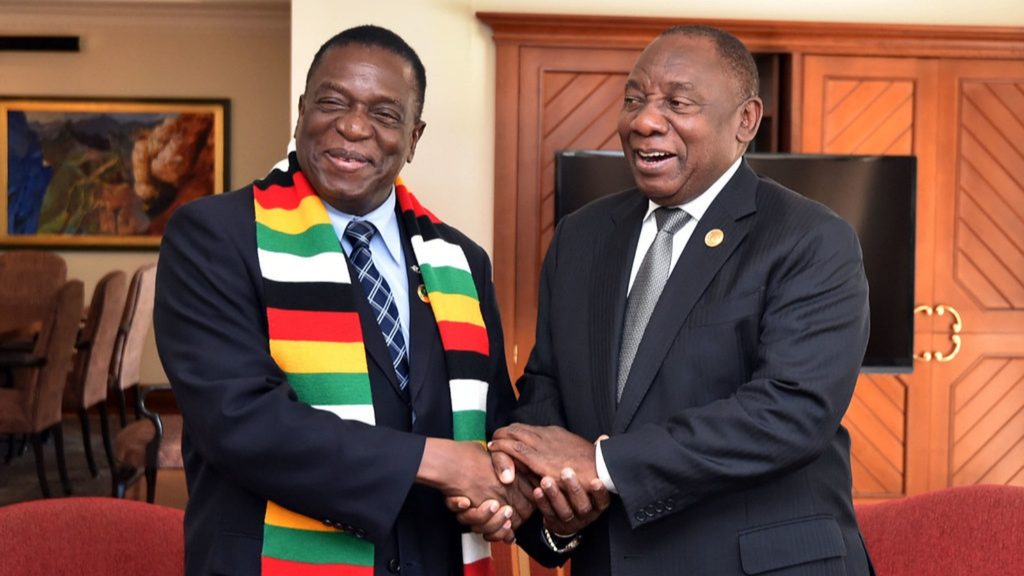
Last week, President Cyril Ramaphosa hosted Zimbabwean President Emmerson Mnangagwa in Pretoria for the fourth South African-Zimbabwe Bi-National Commission.
Describing Zimbabwe as a “strategic partner”, Ramaphosa signed six new agreements with Mnangagwa, promising stronger trade and cooperation between the two nations.
Newzroom Afrika business reporter Ntokozo Khumalo, who followed the Commission’s proceedings, said the issue of the SAA debt was not discussed.
“I heard nothing about any debts,” Khumalo said. “There were six agreements that were signed, but nothing really about governance when it comes to debt and the two countries doing business with each other.”
“I did listen in to the business forum, where you would expect something like this to be mentioned, and it was not mentioned.”



Comments