A good company should never pay a dividend


A good company should never pay a dividend, as it tells shareholders that they can do better things with the money than the management team.
In effect, a dividend is a signal that the management team does not have any place to invest cash to improve future returns.
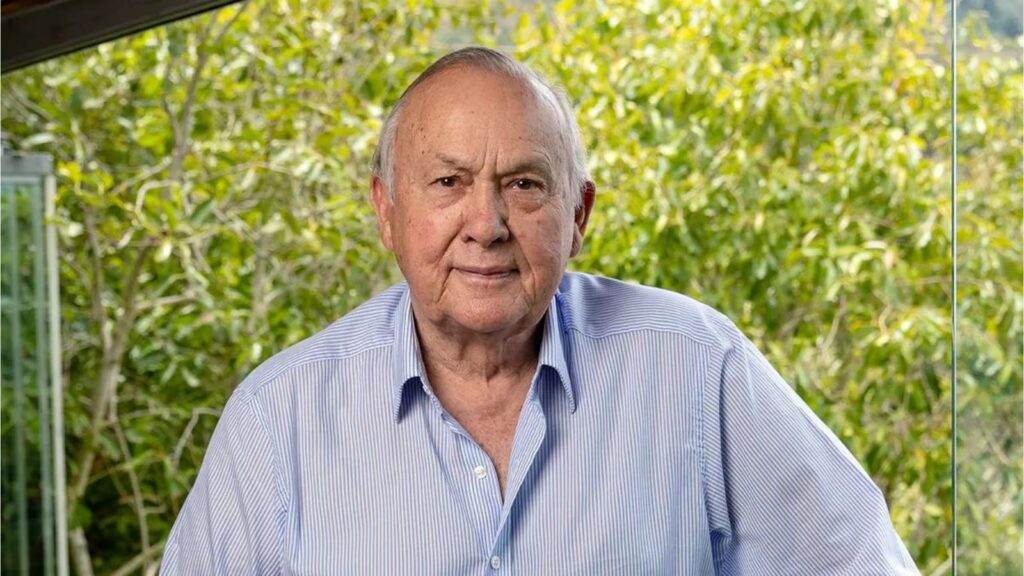
This is feedback from retail royalty and billionaire Christo Wiese, who told the 9th BizNews Conference that paying out large dividends is a common mistake in business.
“I belong to the Joe Stern school that says a good company should never pay a dividend. A good, healthy business should never pay a dividend,” Wiese said.
“If you pay a dividend, that means you are telling your shareholders that they can do better things with this money than we can, and yet, we are your management team.”
“Theoretically, management should always be able to do better things with the money than the shareholder can. Shareholders are paying the management team to do this job.”
When asked what his response would be to shareholders who demand cash as a return on investment, Wiese said they could sell some of their shares.
Wiese is best known for building Pepkor and Shoprite into the two largest retailers in Africa over a stellar 41-year career.
When at the helm of these companies as chairman, Wiese walked the walk and paid relatively small dividends to shareholders.
“For years at Shoprite, we paid very little dividends, until the institutions forced me to increase the dividend payout to match Pick n Pay,” Wiese said.
“We never fully matched Pick n Pay, but they always had a very low dividend cover ratio of about 1.5 times. The opposite was Remgro, which had 7 to 9 times cover.”
Wiese explained that paying out large dividends, particularly as a retailer, is a dangerous game, as that capital could always be better used in the business.
“You need that capital to keep building the business and keep it at the cutting edge. The first mistake Pick n Pay made was over-distributing dividends instead of reinvesting.”
Warren Buffett on dividends
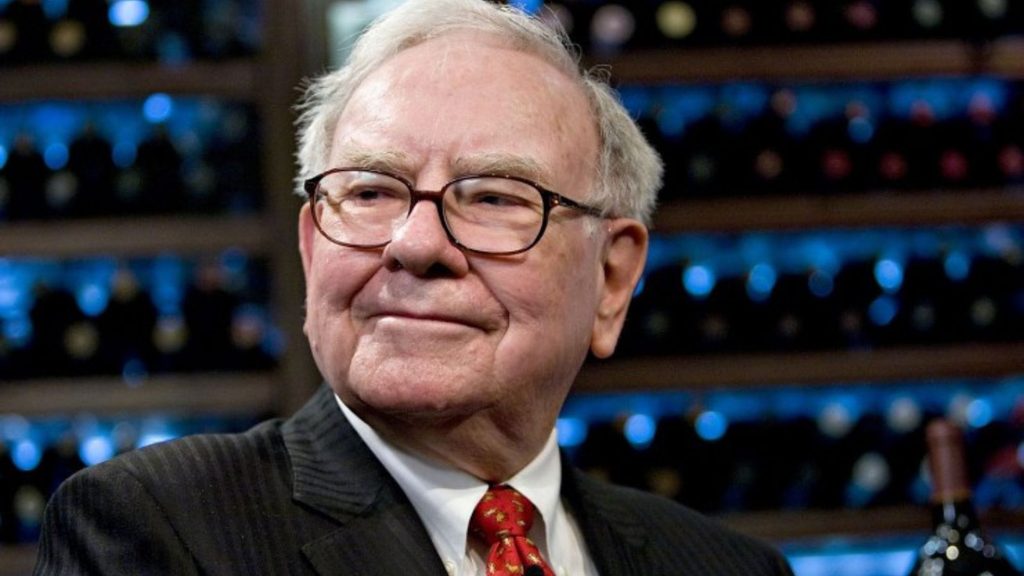
Legendary investor Warren Buffett largely agrees with Wiese’s assessment of dividends as being a fallback mechanism for management teams.
A dividend, for Buffett, is a tool that management can use to reward shareholders when it cannot find better, higher-return uses for the cash within its business.
Buffett’s company, Berkshire Hathaway, has only paid a dividend once in its history, in 1967. Buffett called it a mistake and said he must have been in the bathroom when the decision was made.
Ultimately, the Oracle of Omaha believes that the money generated by Berkshire can be better spent on reinvestment in its subsidiaries or on acquisitions.
Berkshire has not been afraid to buy back its stock, which Buffett sees as a more efficient way of returning capital to shareholders.
Reinvesting cash back into the business provides more long-term value to shareholders as opposed to paying them directly, Buffett believes.
“A company’s s board should evaluate dividend policy based on a simple rule,” Buffett explained in his 1984 Berkshire Hathaway letter to shareholders.
“Unrestricted earnings should be retained only when there is a reasonable prospect that for every dollar retained by the corporation, at least one dollar of market value will be created for owners.”
“This will happen only if the capital retained produces incremental earnings equal to or above those generally available to investors.”
In other words, if a company has excess cash and has no idea how to maximise its value, only then should it pay out dividends.
Buffett’s long-time sidekick, Charlie Munger, agreed. He believed that paying cash to shareholders is extremely tax-inefficient and disrupts the compounding process within a business.
“If you can buy a business that doesn’t need to retain capital to grow, and it can just keep paying out dividends, that’s great,” Munger said at the 2002 Berkshire annual general meeting.
“But the real high-return businesses retain their capital and compound it over time. They do not break that process to give cash back to shareholders.”


Comments