South Africa under siege from cheap Chinese tyres


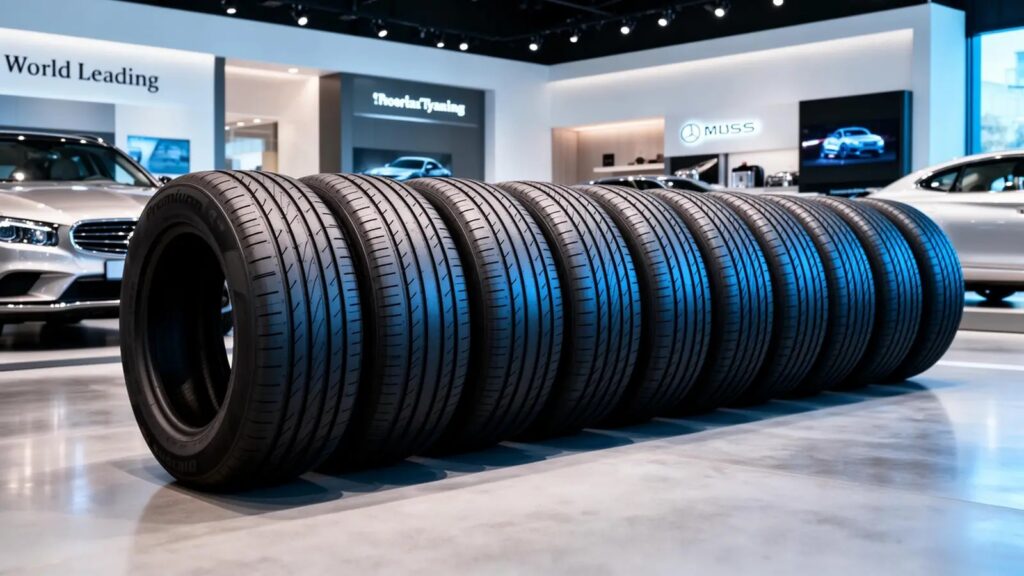
The South African Tyre Manufacturers Conference (SATMC) is calling on South Africans to choose locally produced tyres amidst a surge in cheap imported tyres from China.
This comes as Chinese imported vehicles continue to sell, with brands such as GWM, Chery, and Jetour landing in the top 10 best-selling car brands in the country.
In an interview with CapeTalk, SATMC managing executive Nduduzo Chala explained that because these cars are imported as completely built-up units, they come with Chinese-made tyres.
When these tyres eventually need to be replaced, Chala urged South African motorists to choose locally manufactured brands such as Bridgestone, Continental, or Dunlop.
He explained that motorists often replace tyres on a like-for-like basis, making the preference for local tyres easier if they already have one of those brands.
“That’s where, I think, the ‘tyre hits the road’ in essence, in making those decisions by consumers,” Chala said.
“It’s got benefits other than to say you are fitting premium tyres. It’s also got an effect on jobs, sustainability, and local sourcing that goes beyond that local manufacturing.”
According to Chala, the influx of cheap tyres from China has made the replacement market in South Africa extremely competitive.
Last June, Goodyear closed its manufacturing plant in Kariega in the Eastern Cape, citing rising imports from Asian markets as placing significant pressure on the business.
This came just months after ContiTech, a subsidiary of Continental Tyres, announced its intention to shut down its conveyor belt operations in Kariega.
Bridgestone previously shuttered its manufacturing plant in Gqeberha in November 2020, but retained its second plant in Brits in the North-West.
The imposition of anti-dumping duties by the International Trade Administration Commission (ITAC) against cheap imported tyres has been deemed largely ineffective.
“In the last two or three years, we’ve had this complaint of unfair trade in the replacement market,” Chala said. “We are seeing more imported products being sold in the market.”
“They land in the country far cheaper than what it’s supposed to be, and generally the fitment centres would then have those particular products because they import them from China.”
Many motorists have raised concerns regarding the quality of tyres that are imported from China, saying they are made with cheaper materials and need to be replaced more frequently.
Making Chinese tyres locally
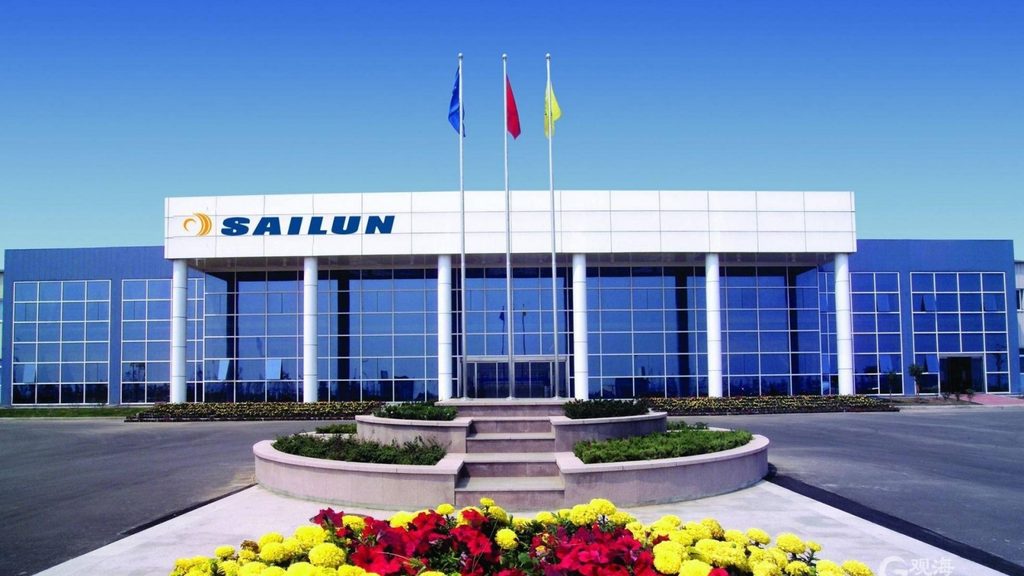
In a bid to protect local tyre manufacturing, the South African government has ramped up its efforts to attract Chinese tyre manufacturers to open domestic production facilities.
The Nelson Mandela Bay Metropolitan Municipality is in talks with Chinese tyre giant Sailun Group to open a tyre manufacturing and recycling plant at the Coega Special Economic Zone.
TopAuto reported that Sailun is currently conducting feasibility studies to establish a manufacturing hub that will supply countries in the Southern African Customs Union (SACU).
Sailun Group has six brands under its portfolio, and is the first Chinese tyre manufacturer to supply tyres to the International Automobile Federation.
Nelson Mandela Bay Executive Mayor Babalwa Lobishe said a R2 billion investment was proposed during meetings between Sailun and the Coega Development Corporation.
According to Lobishe, Sailun has considered Coega following delays at its originally proposed location elsewhere in South Africa.
The proposed development will include a 20-hectare manufacturing facility with an estimated production footprint of 100,000 square meters.
During its first phase of operations, the facility is expected to produce more than one million passenger vehicle tyres every year, alongside 300,000 tyres for buses and trucks.
This will create an estimated 200 direct jobs, with this increasing to around 800 as the facility expands and production capacity ramps up in line with local and regional market demands.
Additionally, the proposed facility will support more than 1,200 direct employment opportunities across supporting sectors such as construction and logistics.
“Nelson Mandela Bay is ready to compete for global investment,” Lobishe said. “We are determined to create an enabling environment where investors can establish, grow, and contribute meaningfully to our local economy.”
“Every major investment we secure creates employment, stimulates local businesses, expands our manufacturing capabilities and restores confidence in our city as an investment destination.”
SATMC has said it supports the establishment of local manufacturing plants by Chinese tyre manufacturers, as it would help to stifle the influx of cheap tyre imports.
It would also level the playing field for other local tyre manufacturers, and will lead to the production of tyres which are better suited for South Africa’s terrain.