Warning about cheaper electricity prices in South Africa


The announcement of an overhaul of South Africa’s electricity tariff framework has drawn sharp criticism from various energy experts, who warn that it is unlikely to translate into lower prices for all users.
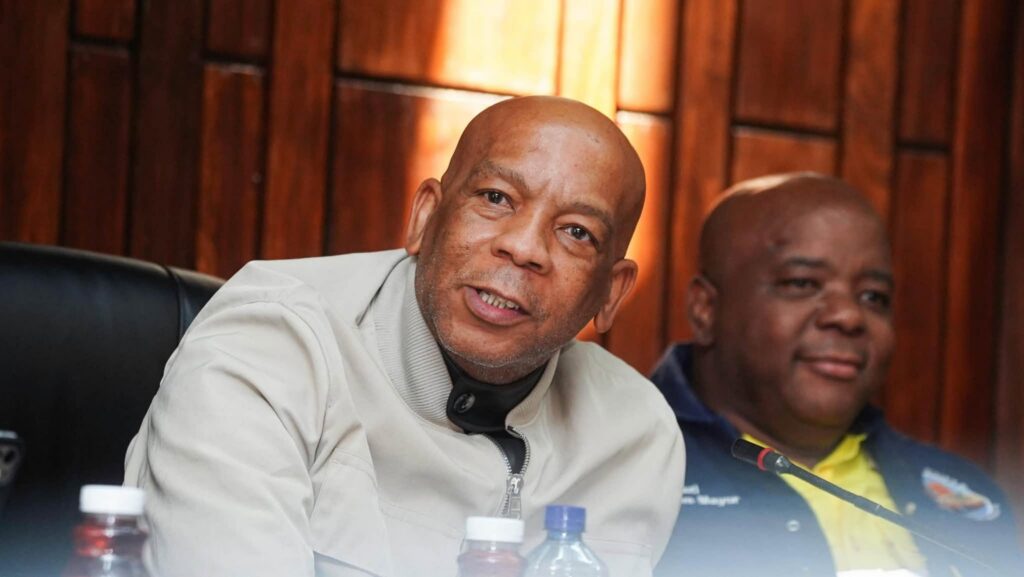
Electricity Minister Kgosientsho Ramokgopa announced the new draft electricity pricing policy at a media briefing in Pretoria on Tuesday, 18 August 2026.
Proposed changes include a 10-year pricing forecast, standardised negotiated pricing agreements, and unbundled electricity tariffs, among others.
The new policy aims to eventually make electricity much cheaper, as steep increases in energy costs have placed pressure on households and businesses in recent years.
This, Ramokgopa said, was in line with South Africa’s ongoing reforms to its energy sector, which will see the country move towards a more open and competitive electricity market.
Energy expert Chris Yelland expressed scepticism at the proposed policy in an interview with 702, and said the minister had not really promised anything new.
“All of these things are standard and have been there all along,” Yelland said. “What I took away from this, and it’s left a lot of unanswered questions, is how is all of this going to be implemented?”
“There’s a lot of aspirational policy messaging, but the real question is how that is going to be translated on the ground, and how this will affect the prices that we pay. That is not clear at all.”
One of the amendments promised by Ramokgopa was an increase in the allocation of free basic electricity (FBE) from 50 kWh to between 200 and 300 kWh per household.
At the same time, the minister said he wished to increase the number of households receiving FBE each month, noting that only 20% of qualifying households currently receive their allocations.
Yelland questioned how this increase would be funded, as it would require the National Treasury to set aside funding to increase FBE by a factor of five.
During the media briefing, Ramokgopa said the National Treasury would not be asked for additional funding and said the current R21 billion allocated for FBE would be sufficient.
“If it’s not going to come from National Treasury, where is it going to come from?” Yelland questioned. “Presumably, the customers who pay for electricity will all have to pay for the free basic electricity.”
“There’s not going to be a separate funding mechanism that is transparent. It will be built into the price of electricity.”
Too much promised to too many people
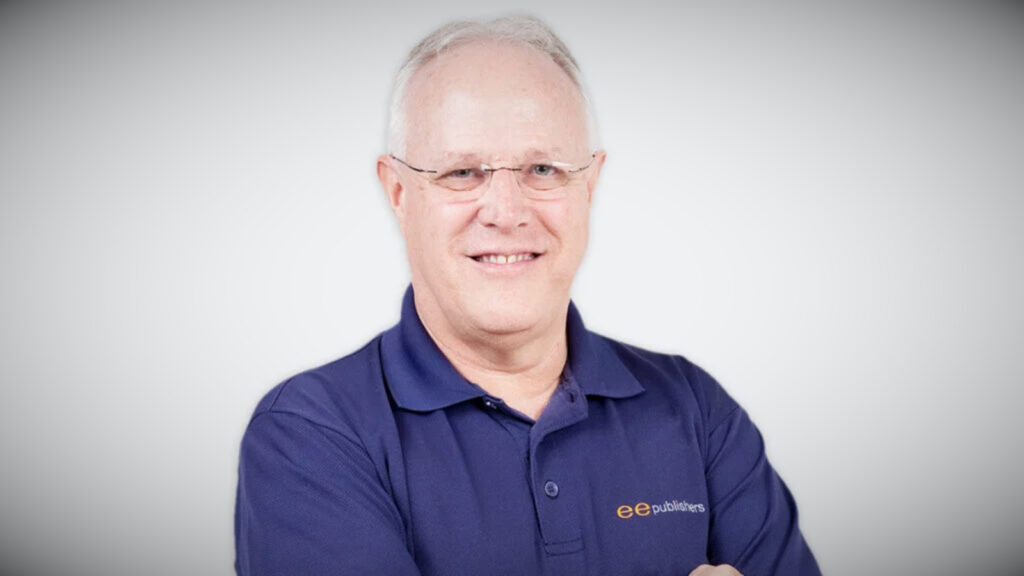
Yelland expressed concern about the broad scope of the draft pricing policy and said it was attempting to appease too many different groups.
Specifically, Yelland pointed to Ramokgopa’s promise that the policy would allow Eskom to extend its negotiated pricing agreements (NPAs) to more players in South Africa’s smelting sector.
This extension would be built upon the previous concessional tariff arrangements Eskom had reached with Samancor Chrome and Glencore-Merafe Chrome Ventures.
The National Energy Regulator of South Africa (Nersa) approved a 54% tariff reduction for these two companies in June, extending the support to the entire ferroalloy industry.
The sector has been subject to frequent shutdowns and layoffs as it has struggled to keep pace with rising energy prices, which can account for 40% of input costs.
Prior to NERSA’s approval of the tariff reduction, Samancor and Glencore had both initiated Section 189 retrenchment proceedings, putting thousands of jobs at risk.
“We are now looking at seven other players in that space,” Ramokgopa said. “They are also going to be extended the privilege of concessional tariffs to spare them from closure and laying off employees.”
“If you look at the current articulation of the negotiated pricing agreement, the only trigger to qualify is when you are in distress.”
Under the new pricing policy, Ramokgopa said even companies that are not financially distressed will be able to apply for concessional tariffs.
This, he said, would be granted to companies which are able to use this concessional funding to accelerate their growth and create employment.
In an interview with SABC News, Yelland expressed his reservations about extending these discounted tariffs across more South African industries.
“At the moment, this special low tariff of 62 cents per kilowatt hour, which is well below cost, is only being offered to two smelting companies,” Yelland said.
“But the minister said that they want to expand this subsidised electricity to a much wider group of industrial players.”
Yelland said he is hopeful that his concerns will be assuaged with the official gazetting of the draft electricity pricing policy on Friday, 21 August.
This is the first time South Africa’s electricity pricing policy has been amended in the last 18 years, since it was initially introduced in 2008.



Comments