Transnet spent R2.5 billion to keep South African fruit exports moving


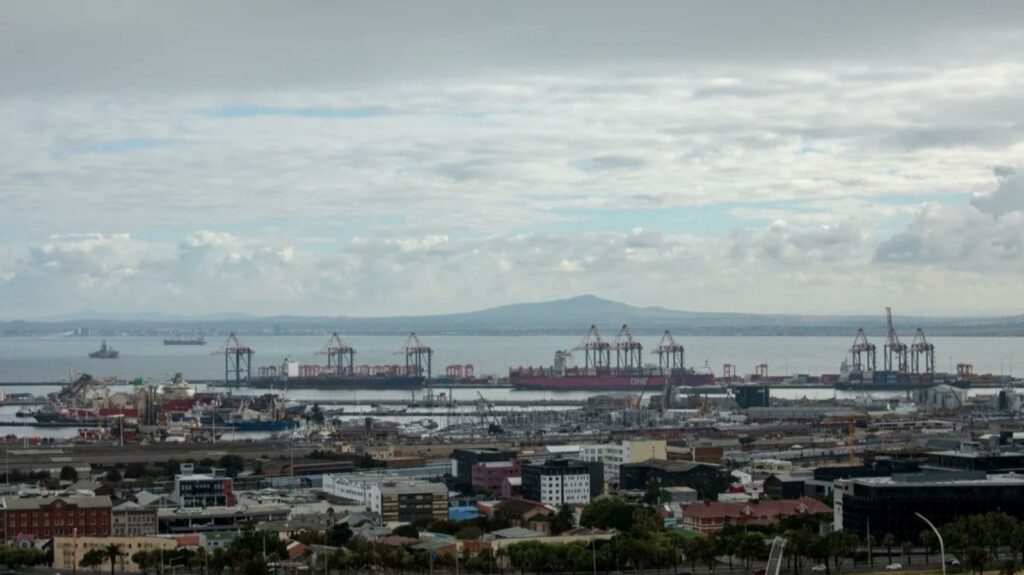
Transnet spent R2.5 billion over the last two years equipping the Port of Cape Town to better handle South Africa’s high volumes of fruit exports.
80% of the country’s deciduous fruit exports are processed through the port, with all of this having to be handled within one narrow seasonal window.
During the last exporting season, disruptions at the port led to significant losses for many of South Africa’s fruit farmers as produce had to be diverted to ports in the Eastern Cape.
Specifically, between November and December 2025, the port experienced 32 days in which wind speeds reached over 100 km/h.
This effectively meant that the port was unable to operate almost every second day during this period, as ships cannot be loaded and unloaded once wind speeds surpass 90 km/h.
Transport Minister Barbara Creecy told 702 that much of Transnet’s investment had thus gone towards fitting the port with more wind-resistant equipment.
“We have spent R2.5 billion over the last two years recapitalising equipment, so that we have equipment that can withstand stronger wind speeds,” Creecy explained.
“By the end of this year, we will begin to bring in the first of our new ship-to-shore cranes that can work in wind speeds up to 90 km/h, and can also be operated remotely.”
According to Creecy, the ability to operate these cranes remotely would remove the risk of placing human operators on dangerous equipment in high wind speeds.
She said the Port of Cape Town would also adjust its shift system by postponing all leave booked during November and December until after the export period has ended.
Along with the bringing in of additional crews from Durban and Gqeberha, Creecy said this will allow the port to handle the cargo as quickly and efficiently as possible.
“When the wind is high, no one will work,” Creecy said. “But when it drops, whether it’s 2 in the morning or 4 in the morning, it’s going to be all hands on deck so that we can load up the ships fast.”
Calls for stronger rail investment
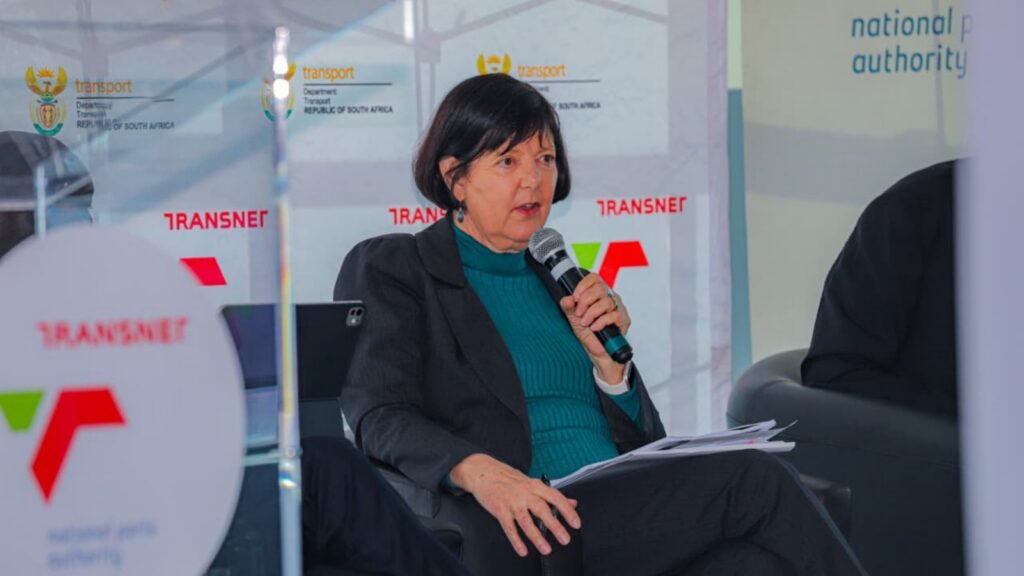
Transnet’s investment into wind-resistant equipment is expected to boost operational efficiency at the Port of Cape Town.
However, concerns have been raised around whether the R2.5 billion would have been better spent on revitalising the country’s railway lines.
While a costlier investment in the long-term, this would allow fruit to be transported cheaper and more quickly to other ports in the event of more wind disruptions in Cape Town.
Creecy acknowledged this, and said discussions around this issue had already taken place between Transnet and fresh produce industry stakeholders.
She said farmers transporting their fruit from the Northern Cape and Limpopo will know ahead of time to send their produce to Gqeberha instead of Cape Town, making the cost difference negligible.
“We are going to proactively direct certain commodities from different parts of the country directly to the Port of Gqeberha,” Creecy said.
“If we have very hectic wind speeds in that very tight timeframe, particularly the couple of weeks leading up to Christmas, then we would have a cushion of availability.”
While Creecy conceded that high wind will always be a hindrance for the Port of Cape Town, she said the issue had been exacerbated by climate change.
With wind speeds thus reaching greater speeds than they had previously, Creecy stressed that having more wind-resistant equipment was imperative for the port regardless.
The Port of Cape Town recently found itself in last place out of 400 global ports in the World Bank and S&P Global Market Intelligence’s Container Port Performance Index.
Based on the turnaround time of container ships in these ports, Cape Town was effectively ranked as the “worst port in the world” in terms of efficiency.
The World Bank specifically pointed to the continuous weather-related disruptions at the port as having severely impacted its operational performance.
In a bid to improve this, the Transnet National Ports Authority launched a tender to find a private-sector partner who will run the port’s multi-purpose terminal for the next 25 years.