The first security estate in South Africa’s biggest township where houses sell for R1.03 million


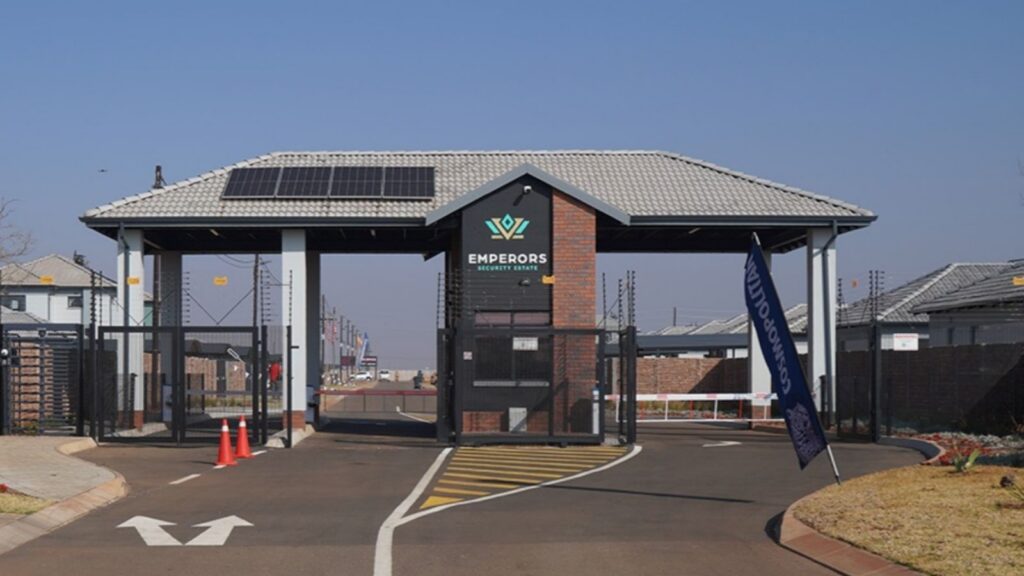
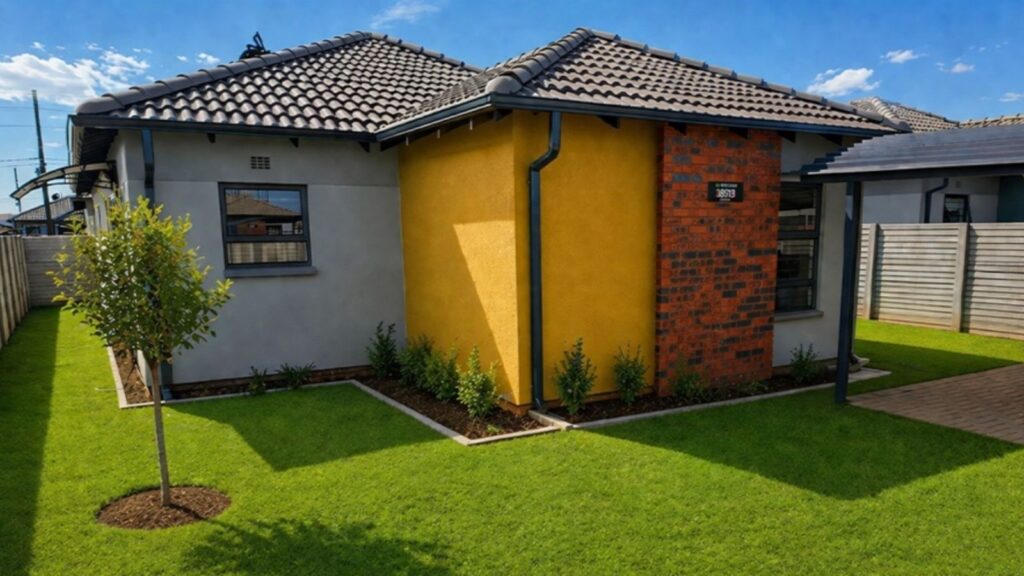
Emperors Security Estate is the first full-title security estate in Soweto, with houses selling for R1.03 million.
Developed by Cosmopolitan Projects, this estate forms part of a growing trend in South Africa’s property market focused on rural and informal regions.
As South African townships continue to grow, so has their infrastructure, with many areas that were previously considered “informal” now mirroring the formal property market.
Cosmopolitan Projects is one developer cashing in on this growing trend, developing micro-cities and lifestyle estates across Gauteng.
This has made Cosmopolitan one of South Africa’s largest residential developers. It was established in 1992 and operates primarily in Tshwane and Johannesburg.
It has developed 45,000 units since inception, the majority of which have been affordable housing projects.
Some of its most notable projects include Diamond City in Mamelodi, Colorado in Centurion, Leopard’s Rest Lifestyle Estate in Alberton, and Star Village in Protea Glen.
In recent years, Cosmopolitan has had a particular focus on developments in South African townships.
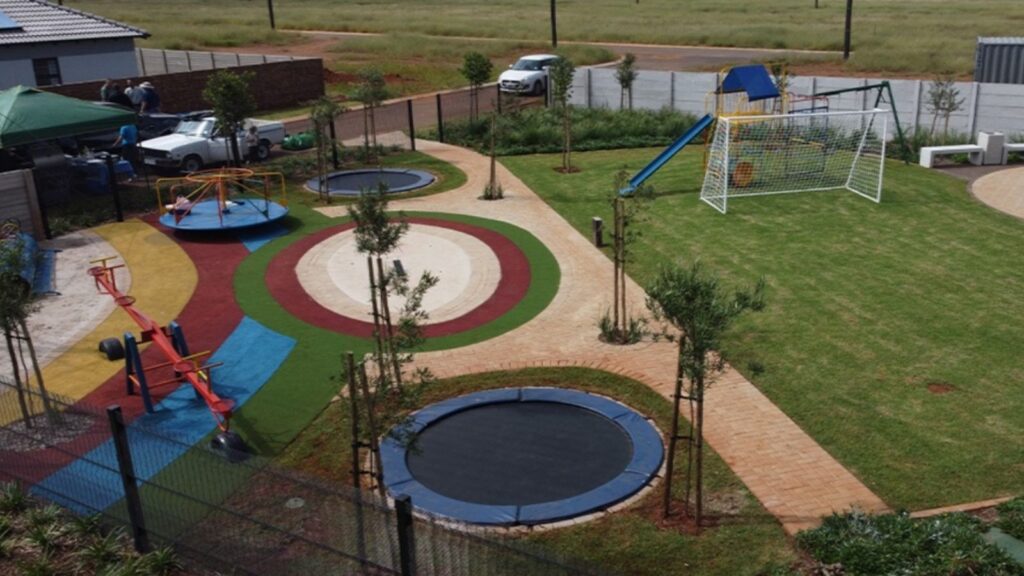
This focus is what gave rise to Emperors Security Estate, the first real, full-title security estate located in Protea Glen, Soweto.
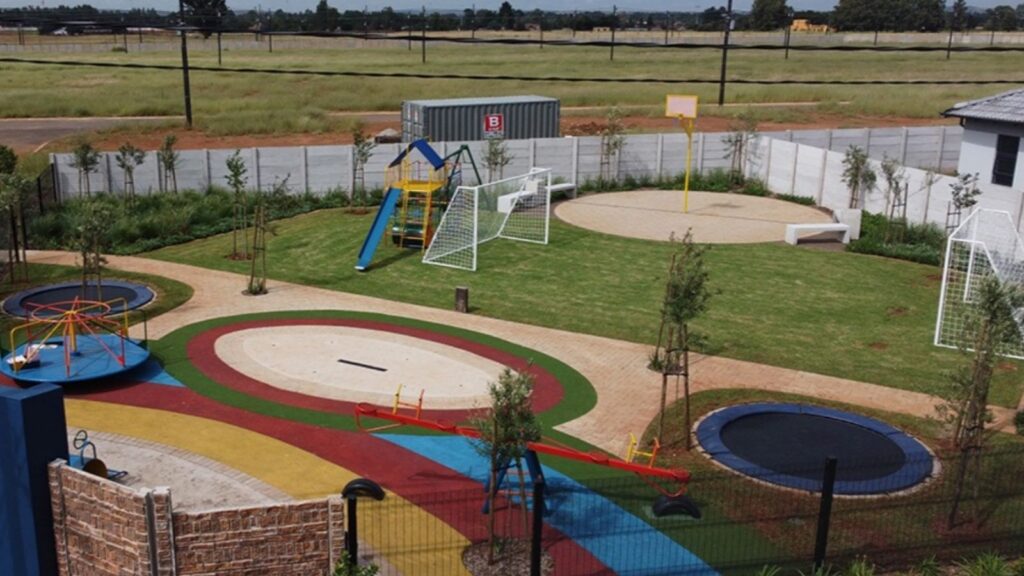
According to Cosmopolitan’s website, the estate offers exclusive, secure living with quality amenities in a quiet, peaceful neighbourhood.
“This estate combines convenience, luxury, and top-notch security, making your family’s safety our top priority,” the company said.
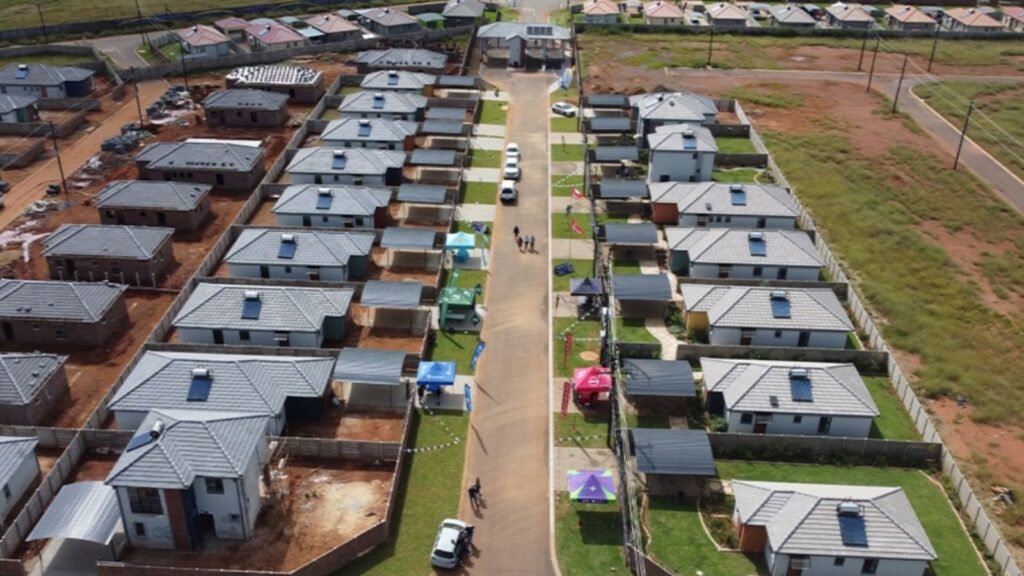
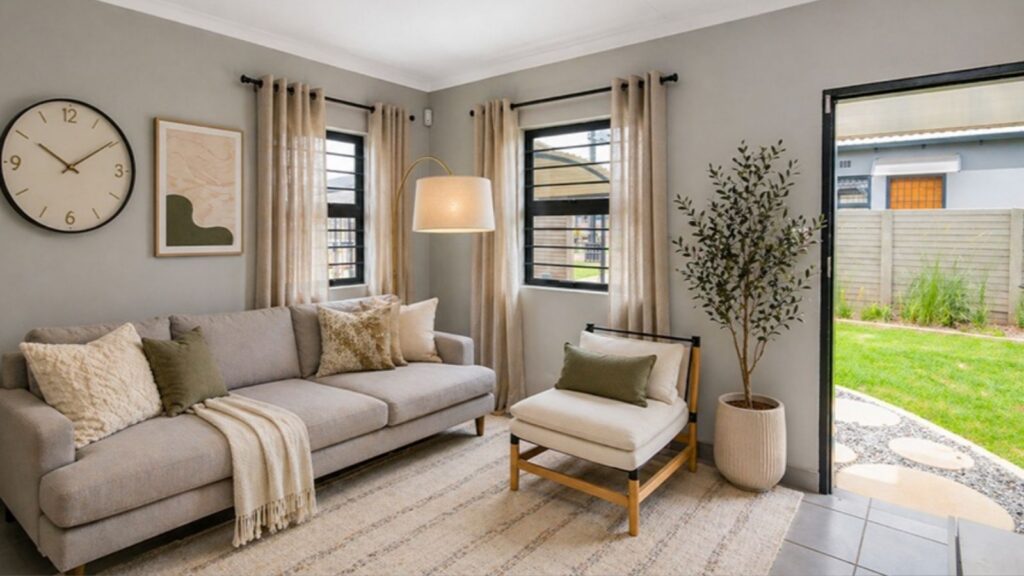
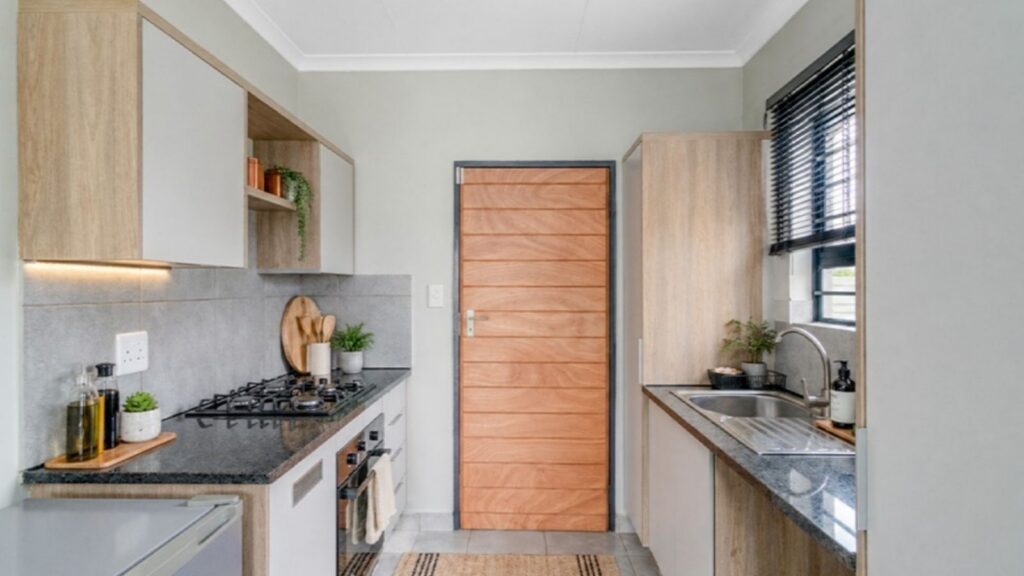
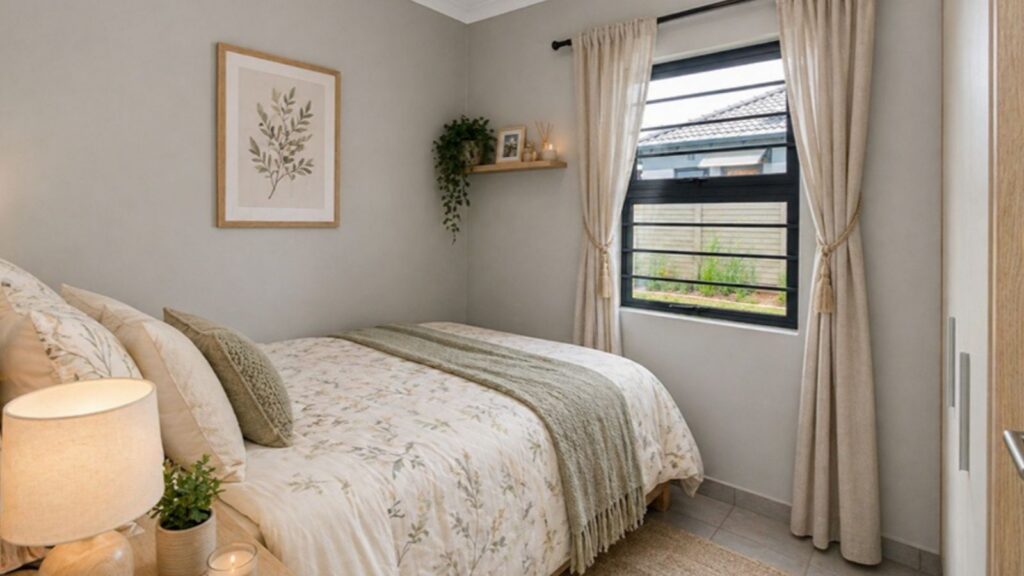
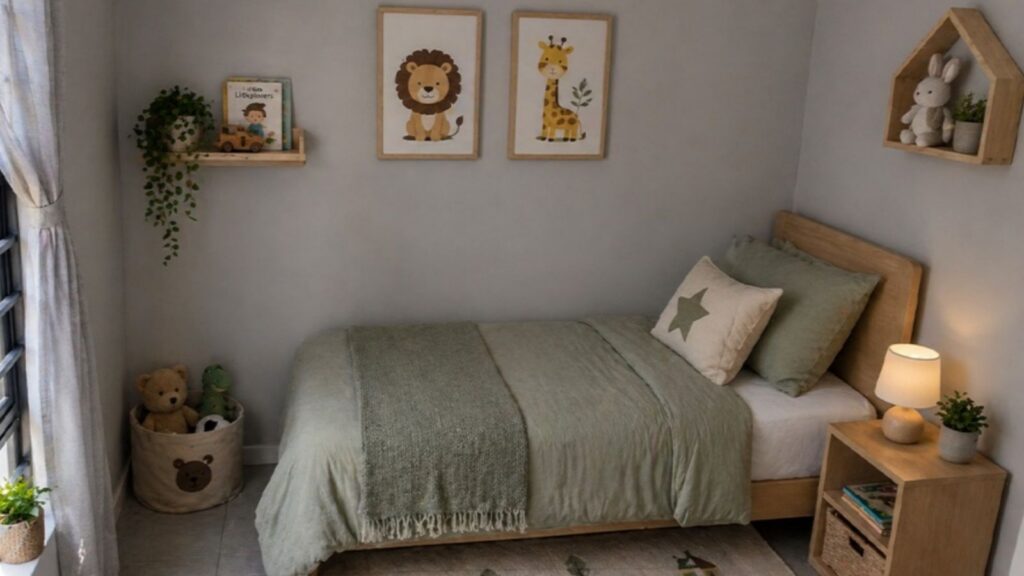
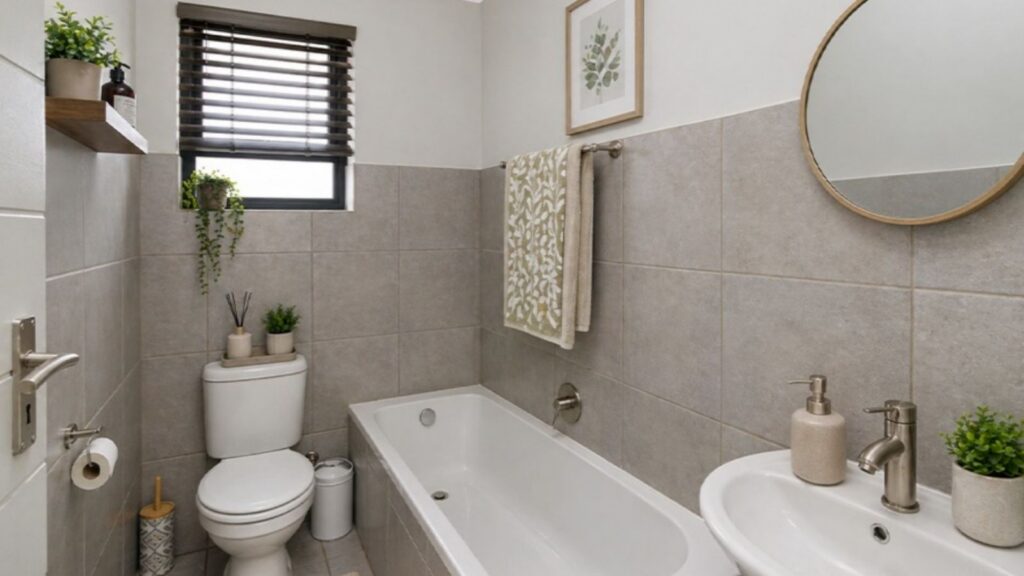
A two-bedroom, 40 m² house in Emperors Security Estate goes for R1.03 million. This house features one bathroom and two parking spaces.
Bigger houses, from 45 to 124 m², are also available. These units cost between R1.06 million and R1.67 million.
Cosmopolitan’s website states that the qualifying income for its most affordable house is R30,000 per month, with a monthly repayment of R9,000.
South Africa’s township property market
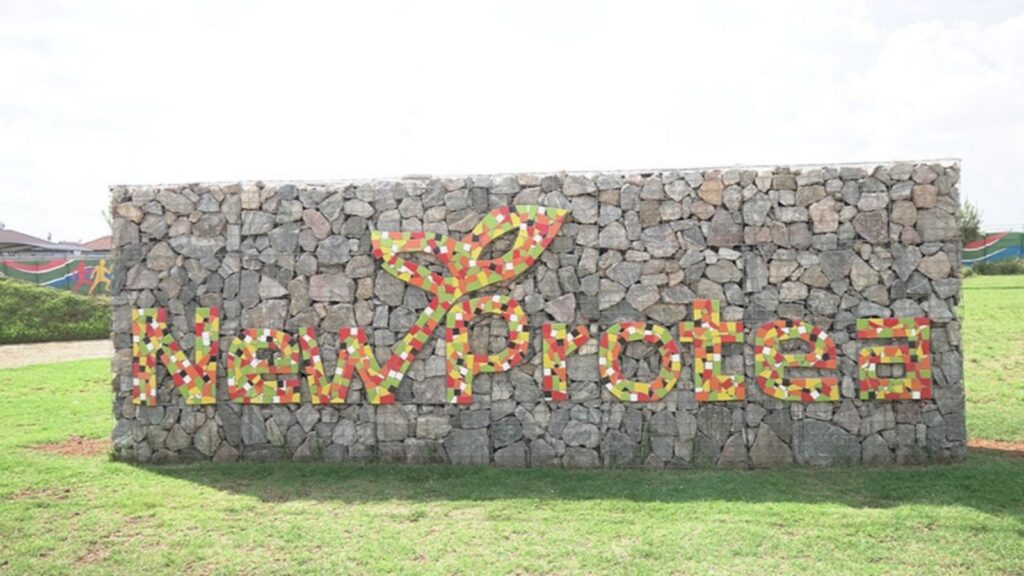
South African townships and informal areas have given rise to a burgeoning property market and innovative business models that mirror the formal property market.
South Africa’s informal housing market has grown significantly over the past decade, now accounting for 35% of the national rental market.
The growth of this market comes as South Africa faces a substantial housing backlog, estimated at 2.2 million units.
This backlog is only set to grow as South Africa’s population grows at a faster rate than the economy and housing development.
The country’s population grows at an annual rate of between 1% and 1.3%, while GDP growth has averaged below 1% over the past decade.
The problem is made worse by South Africa’s ongoing urbanisation, with metropolitan areas now housing 40% of the population.
This has led to the expansion of informal settlements and townships in and near some of South Africa’s biggest cities.
SA-TIED’s Leila McKenna and Karen Harrison explained that South African cities are failing to accommodate rapid urbanisation.
This has seen a substantial increase in peripheral and marginalised informal settlements, backyard dwellings, and inner-city slums.
“Sprawl and poverty have increased, with new housing developments and burgeoning informal settlements increasingly far from the urban centre,” they said.
This has presented an opportunity for property developers, particularly residential and retail developers, to expand into these overlooked areas.
For example, JSE-listed real estate investment trust Dipula Properties has begun investing in retail assets in underserved areas, such as townships, to drive future growth.
Residential developers like Cosmopolitan have also targeted this gap in the local property market, developing housing for an underserved segment of South Africa’s population.
However, as Cosmopolitan proved, the township housing market no longer consists of simple one- to two-bedroom houses, but now also includes security estates, similar to those seen in more wealthy areas.
Aside from companies, township residents have also taken matters into their own hands, which has led to a burgeoning backyard rental market.
Informal economy expert GG Alcock has estimated the annual value of the backyard rental economy at R30 billion. The size and opportunity of this market have drawn the attention of some larger businesses, such as IndluLiving.
IndluLiving sells ‘rental-ready’ houses in Gauteng, which refers to a main home plus up to two built-in rental units, most of which have their own entrance and private bathroom.
Buyers can live in the main home while tenants help pay their bond. They can also rent out the whole property.
The company manages 12,400 tenants and 1,900 units. It has also financed R300 million worth of rental-backed homes through its sister company, IndluFinance.
Emperors Security Estate





Comments