One in three South Africans cannot find work


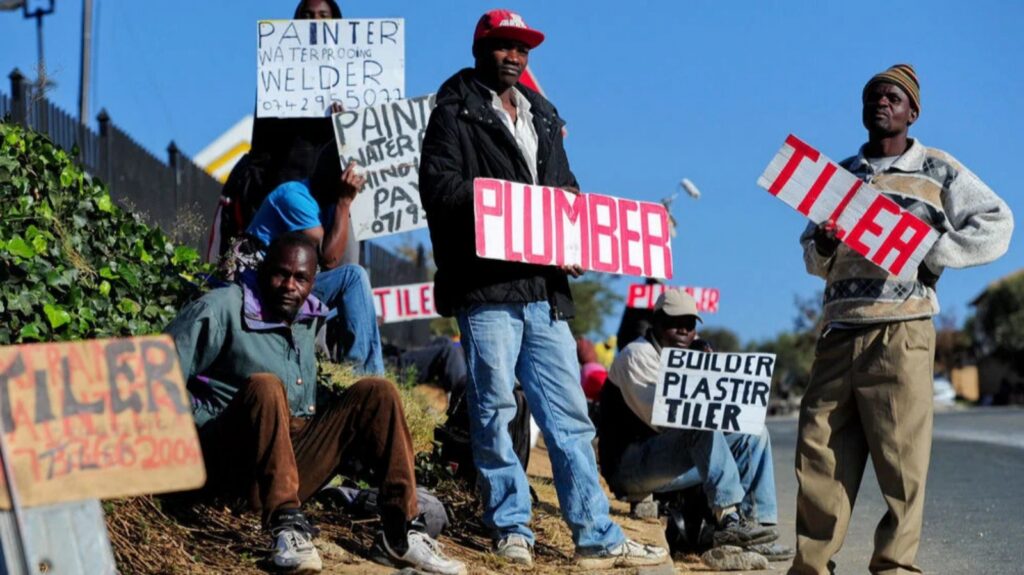
Approximately one in every three working-age South Africans seeking work now finds themselves unable to secure long-term employment.
This is according to Stats SA’s latest Quarterly Labour Force Survey, which details changes in employment in the second quarter of 2026.
The latest report showed that the number of unemployed South Africans increased by 345,000 over the last quarter, bringing the total to around 8.5 million.
Over the same period, the number of employed persons in the country decreased by around 16,000 compared with the first quarter of 2026.
This resulted in an increase of 329,000 people in South Africa’s labour force, leaving the official unemployment rate at 33.6% for the second quarter, its highest point in four years.
This is the second time South Africa’s unemployment rate has risen this year, following an increase from 31.4% at the end of 2025 up to 32.7% during the first quarter of 2026.
The community and social services sector, which includes all government, health, and education services, was the biggest contributor to the rising unemployment, with 57,000 jobs lost.
Mining was the second biggest contributor at 26,000 lost jobs, followed by the agriculture and manufacturing sectors, which each lost around 15,000 jobs.
The utilities sector, which encompasses services such as electricity, gas, and water, saw a loss of approximately 10,000 jobs.
The trade sector recorded an increase of 70,000 new jobs, followed by the construction sector with 39,000 and finance with 11,000.
While the country’s official unemployment rate increased by 0.9 percentage points over the second quarter of 2026, the expanded unemployment rate remained unchanged from the first quarter at 46.3%.
The expanded rate factors in South Africans who have been discouraged from seeking work, those who want to work but are unavailable, and those who do not work enough hours to be considered officially employed.
South Africa’s economy is rolling backwards
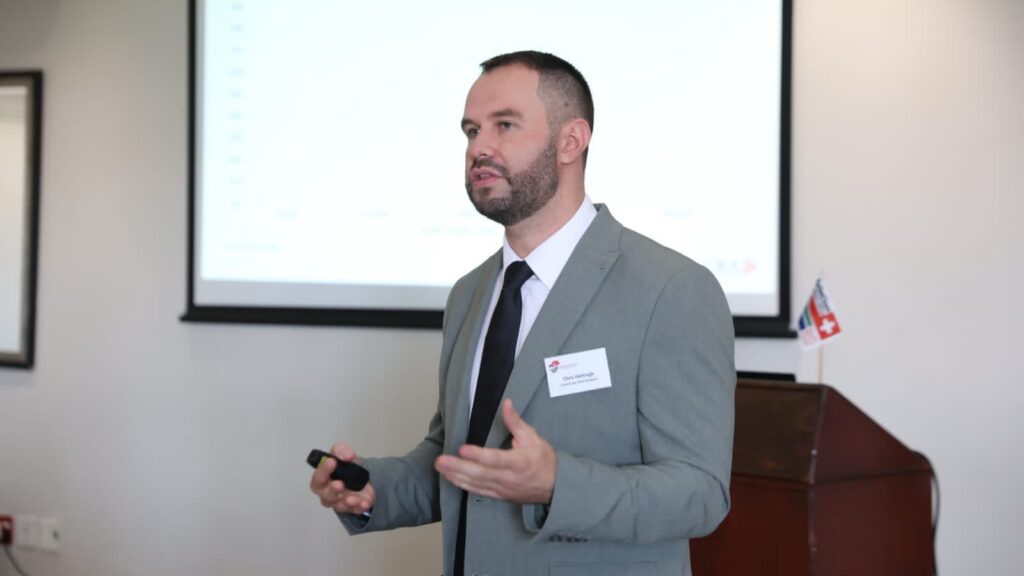
With South Africa’s unemployment rate rising for the second consecutive quarter this year, concerns have been raised about what this means for the country’s economy.
Centre for Risk Analysis executive director Chris Hattingh pointed out that consumption-based sectors and informal work saw the biggest increases in employment over the last quarter.
Meanwhile, sectors tied to state capacity and industrial output continue to shrink, with formal employment declining over the same period.
As a result, South Africans were spending more money at the same time that businesses were investing less in South African industries and the economy.
As more South Africans shift towards informal work, Hattingh said this shrinks the country’s tax base, lowering average pay and productivity across the economy.
“This is consistent with what we at the Centre for Risk Analysis call the ‘rolling backward scenario’,” Hattingh explained. “This isn’t collapse. It’s not a plunge into crisis.”
“But it’s a slow drift where the economy can’t create enough jobs to keep up with population growth, and the quality of the jobs that do exist keeps on declining.”
Stats SA reported that over the past year, South Africa’s working-age population had risen by 488,000 compared with the second quarter of 2025, an increase of 1.2%.
Over the same period, total employment decreased by 68,000, while the number of unemployed persons and those outside of the labour force increased by 114,000 and 442,000, respectively.
The Eastern Cape recorded the highest provincial increase in unemployment over the second quarter of 2026, from 44.6% up to 47.5%.
“That’s up 8 percentage points on the year,” Hattingh said. “That is the sharpest deterioration anywhere in the country.”
“With local government elections set for 4 November, that kind of economic pain in one province is exactly the sort of thing that could shape the results at the ballot box.”



Comments