The woman who makes R100,000 per month with her online township business selling sneakers, hair extensions, and blankets



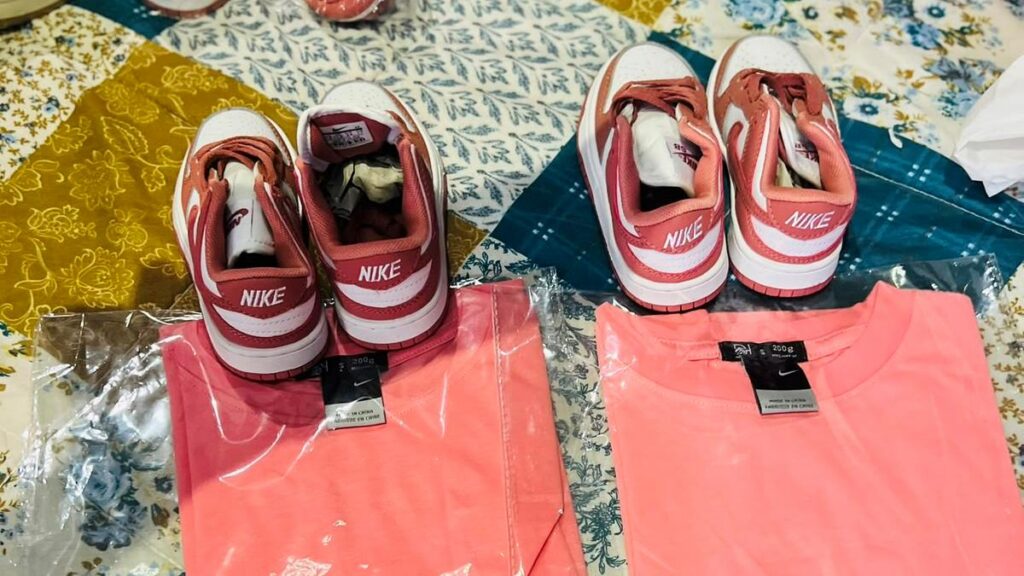
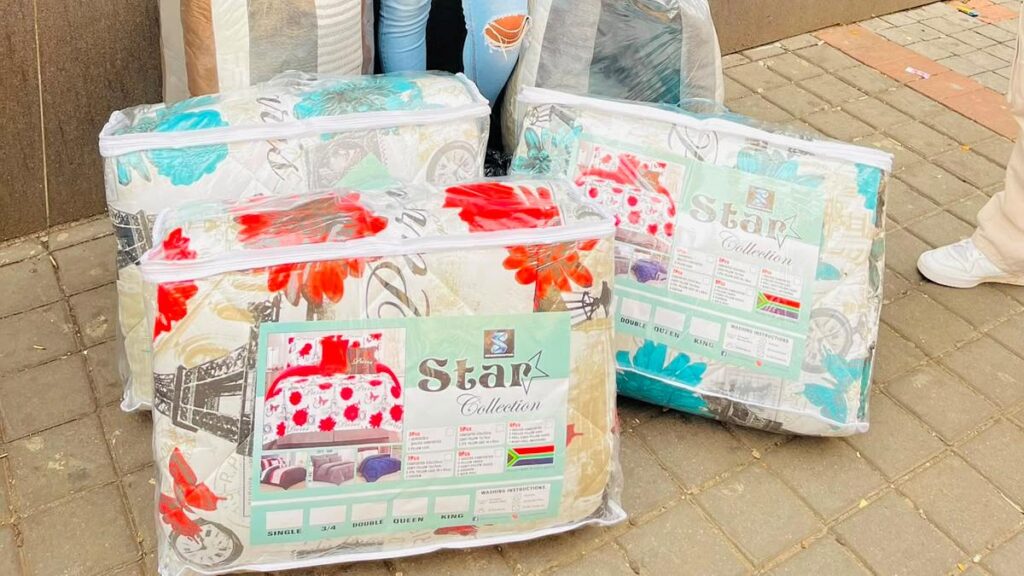
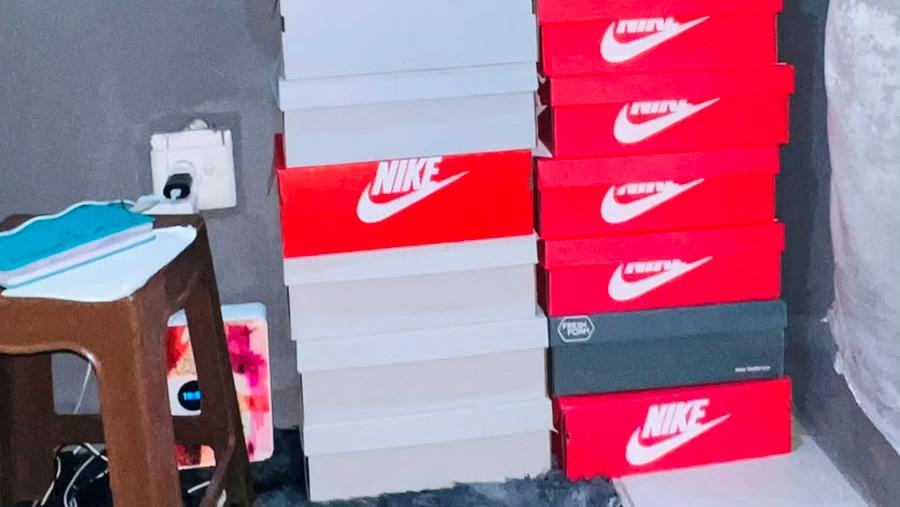
Lerato Nkgapele is the founder and manager of ELCEE Trading Enterprise, an online business reselling sneakers, iPhones, hair extensions, blankets, and curtains.
This business, based in the Diepsloot township in Johannesburg, generates between R3,000 and R5,000 in daily revenue.
This is an example of a successful business in the informal or township economy, where an entrepreneur employs people and supports the local economy.
Many people associate the informal economy with street hawkers and spaza shops, but there are many advanced businesses in townships.
Nkgapele’s ELCEE Trading Enterprise is an example of such a business. It operates exclusively online, selling a wide range of products.
The prices of these products vary by item, and there is a strong emphasis on keeping all products very affordable.
To ensure their products are accessible to everyone, they offer a flexible 3 to 5-month lay-by system to support customers who cannot afford a cash purchase upfront.
The business has a broad online customer base, reaching anyone who engages with their social media marketing. They offer nationwide delivery.
ELCEE Trading Enterprise accepts mobile payments and cash, and Nkgapele employs three people to assist with the operations.
This is only the start for Nkgapele. She plans to open a physical retail store on the back of her online success.
She explained that some of her customers are hesitant to buy products from an online business without a brick-and-mortar presence.
“A physical storefront will allow people to walk in and inspect the goods before purchasing,” she said.
Nkgapele said that securing funding to rent a shop space is her next major goal for the business.
Growing township economy in South Africa

ELCEE Trading Enterprise is a typical example of an informal economy business, which is one of the biggest employers in South Africa.
The size of the informal economy is widely estimated at between R900 billion and R1 trillion. This has seen many banks go after this market.
Capitec is the largest player and already serves many entrepreneurs and small businesses operating in the township economy.
Since the launch of Capitec’s Business Banking offering, it has made its intentions to tap into the informal market clear.
Capitec CEO Graham Lee said that targeting this market is not complicated, as informal businesses often share many of the same needs as those in the formal market.
He added that they can tap into their database, derived from their 26 million customers, to develop products geared towards informal businesses.
Nedbank CEO Jason Quinn is also enthusiastic about the opportunity the informal economy holds for the bank.
He told Business Day that they hired Andiswa Bata to target this market and that she has already built a team around her.
“We never really had a township economy strategy at scale. Now we do, with scale and product,” Quinn told the publication.
It is not only the banks that are active in this sector. Many large JSE-listed companies have a strong presence in townships across South Africa.
Tiger Brands, for example, is actively expanding its footprint in the township economy by scaling distribution to over 110,000 spaza shops.
It is partnering with local midi-wholesalers and running empowerment initiatives to integrate grassroots township enterprises into formal supply chains.
ELCEE Trading Enterprise photos








Comments