South Africa’s most important city crumbling while officials continue to steal and plunder


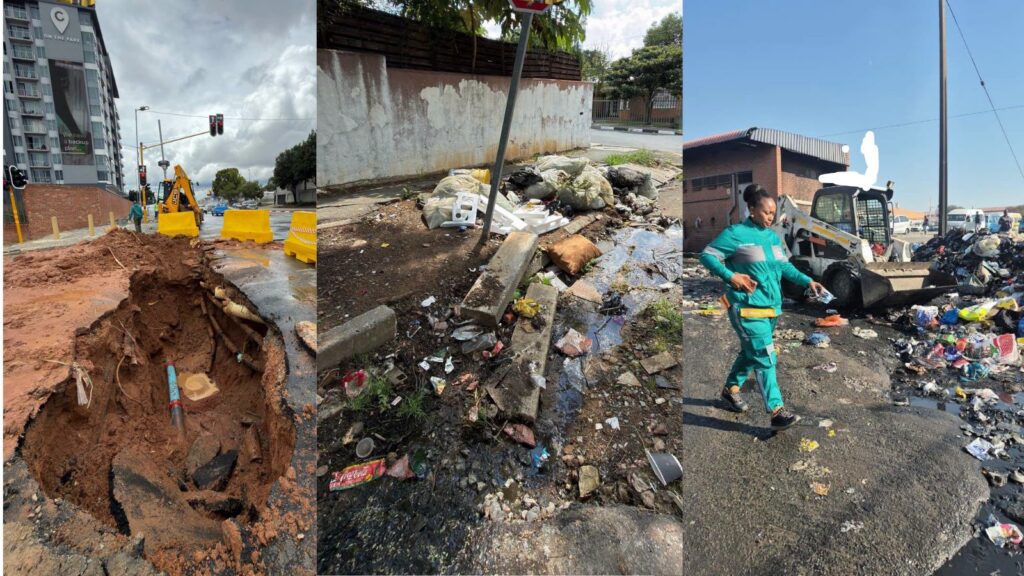
The City of Johannesburg is facing financial collapse as municipal officials facilitate looting by criminal syndicates, and gross incompetence sees ratepayer money wasted.
South Africa’s economic hub is experiencing a related collapse in service delivery and the rapid deterioration of its infrastructure.
The city’s financial mismanagement has led it to consistently overspend on salaries and to avoid investment in infrastructure and service delivery.
Ultimately, the city’s financial situation and its importance to the national economy have seen the National Treasury step in to try to force improved management.
Finance Minister Enoch Godongwana followed through on his threat to cut state funding to Johannesburg before resuming funding after assurances from the city.
Godongwana said the pact signed between the city and the South African Municipal Workers Union was signed illegally.
He urged the city to stop implementing the agreement, which would destroy Johannesburg’s finances. “You very well know this city can’t afford this agreement,” he told Mayor Dada Morero.
To get Godongwana off their backs, the city promised to crack down on financial misconduct and irregular spending to improve its fiscal health.
At the end of July, the city referred 13 cases of financial misconduct to the Disciplinary Board for investigation. The total losses from these cases were R4.07 billion.
“The timing of these referrals exposes the political desperation behind them. The city rushed these 13 cases to the board because the Treasury froze R3.6 billion in funding,” the Joburg Crisis Alliance (JCA) said.
“Parliament gave the Treasury a strict seven-day deadline to defend this freeze. Johannesburg leaders are using the referrals as a stunt to unlock their frozen cash.”
The 13 cases involve serious violations, including unauthorised, irregular, and fruitless and wasteful expenditure.
“Despite bragging about these investigations, municipal officials continue to shield the identities of those involved and the details of the alleged fraud,” the JCA said.
“While city leaders celebrate a minor procedural hurdle, Johannesburg is drowning in a R24.5 billion mountain of unresolved wasteful expenditure.”
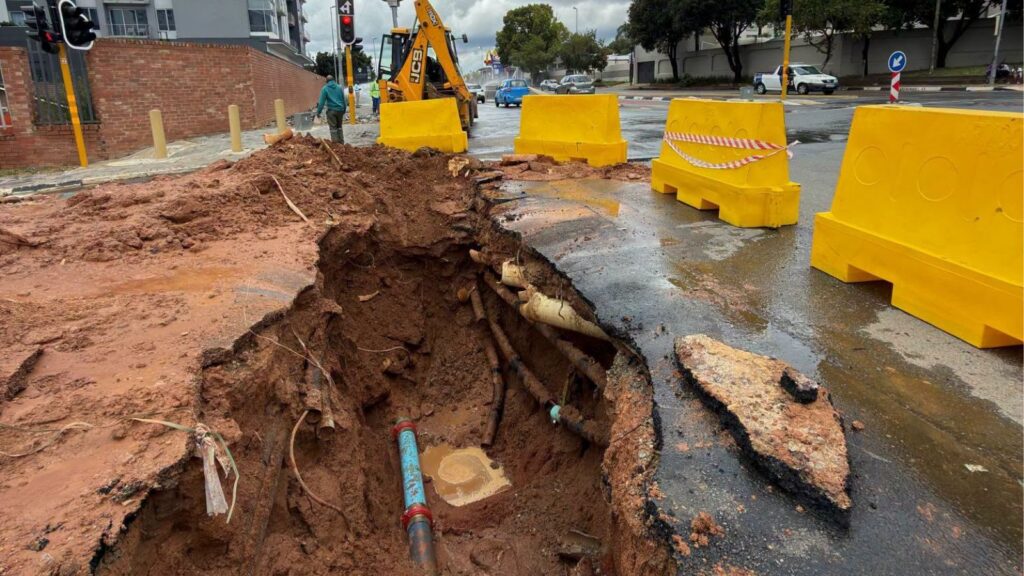
Joburg Water and City Power, responsible for delivering key basic services, are the hardest hit. Both face severe cash crunches and are skipping critical maintenance.
This has led to the collapse of infrastructure across the city, with areas suffering from electricity outages and water shortages for days on end.
Residents left in the dark
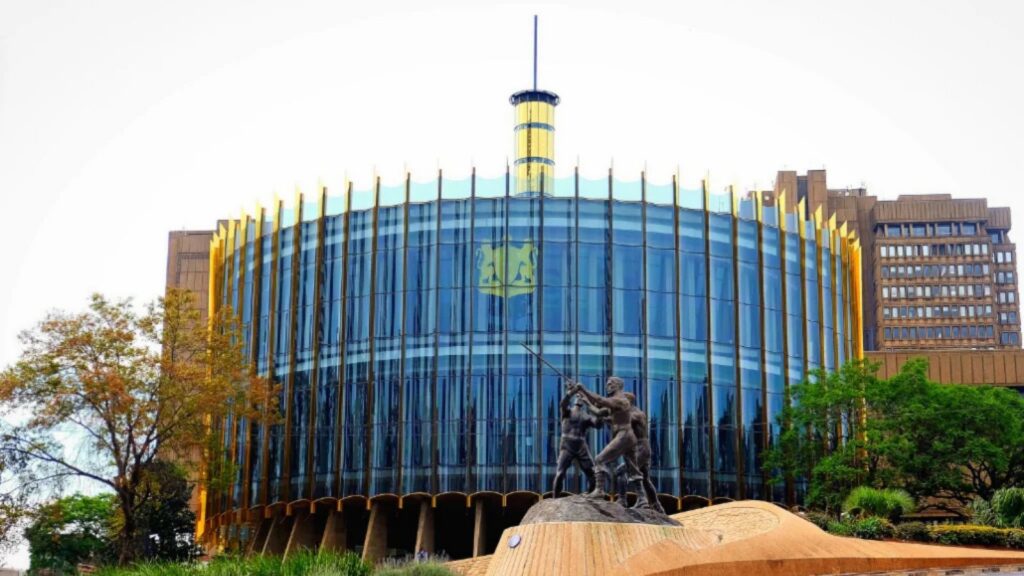
Apart from the city’s referral of the 13 cases, the JCA said residents have been left in the dark regarding Johannesburg’s financial position.
The organisation said residents do not know the basis on which the National Treasury intervened and why it subsequently backtracked on withholding funds.
It made clear that this does not mean intervention is not necessary. Rather, it must be made clear what the city is doing to address the Treasury’s concerns.
“Residents have been left in the dark while critical exchanges take place that could determine the city’s financial future,” the JCA said.
“Neither the National Treasury nor the city has disclosed the city’s representations, the commitments made, or the conditions that must be met.”
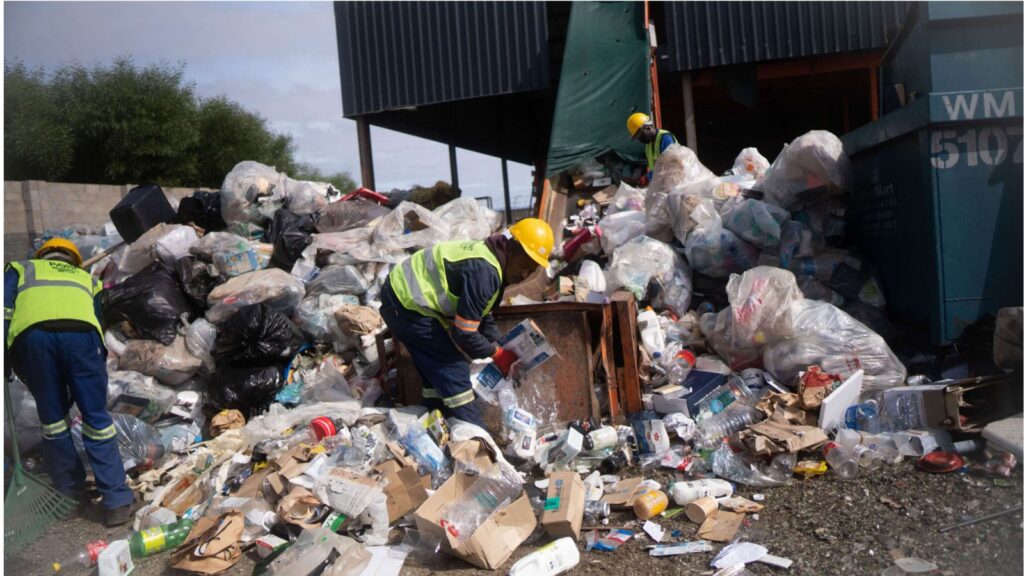
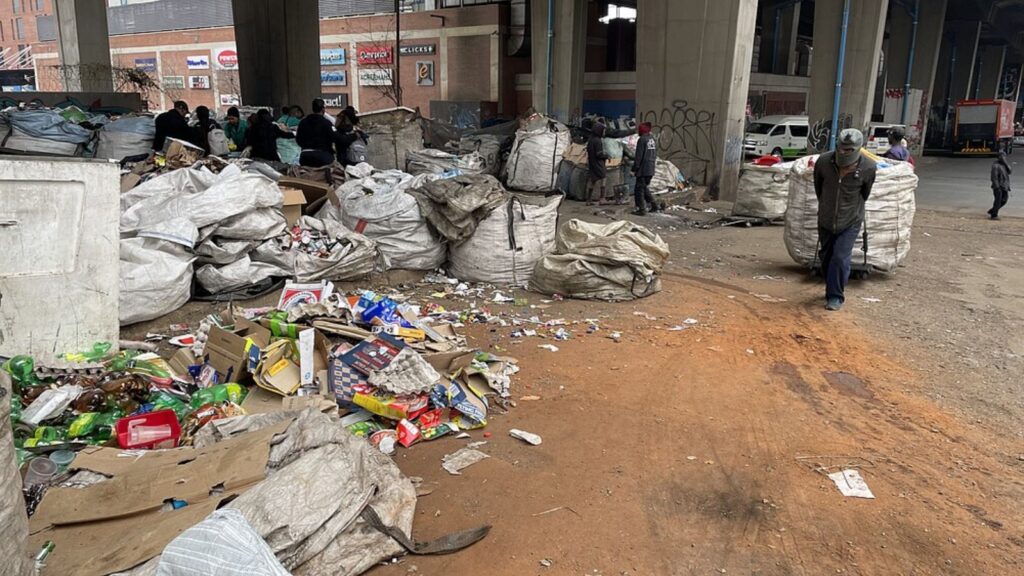
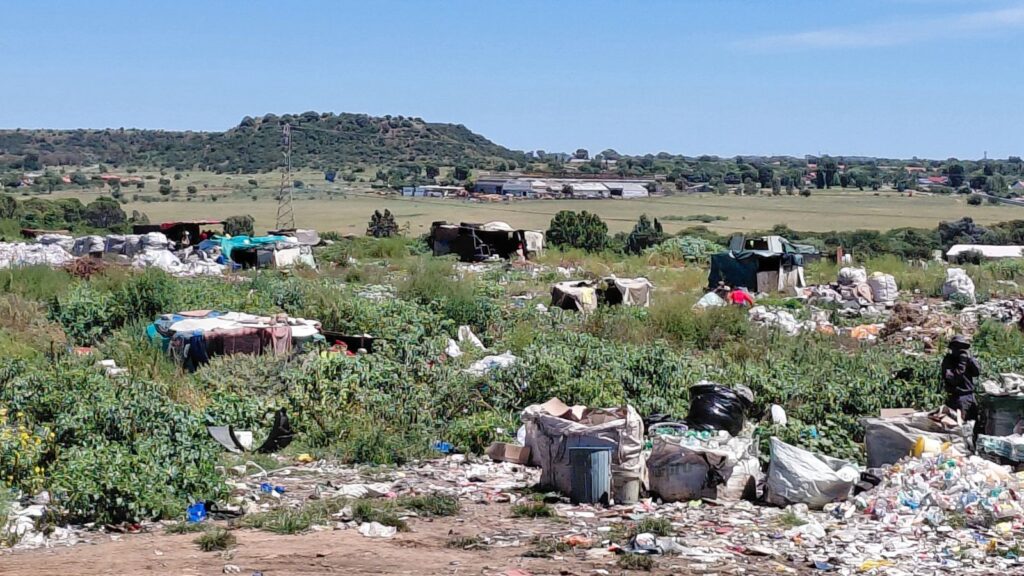
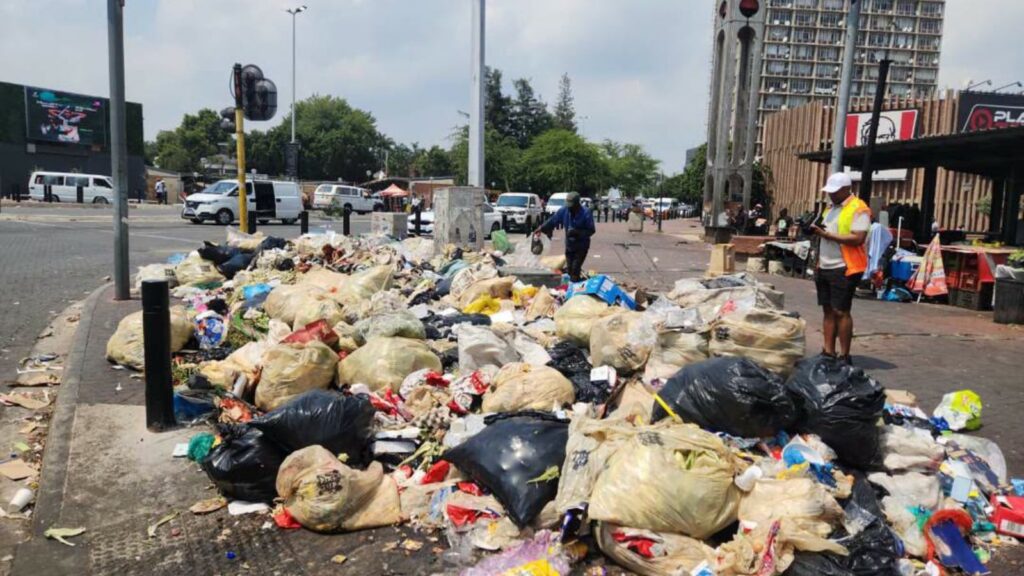
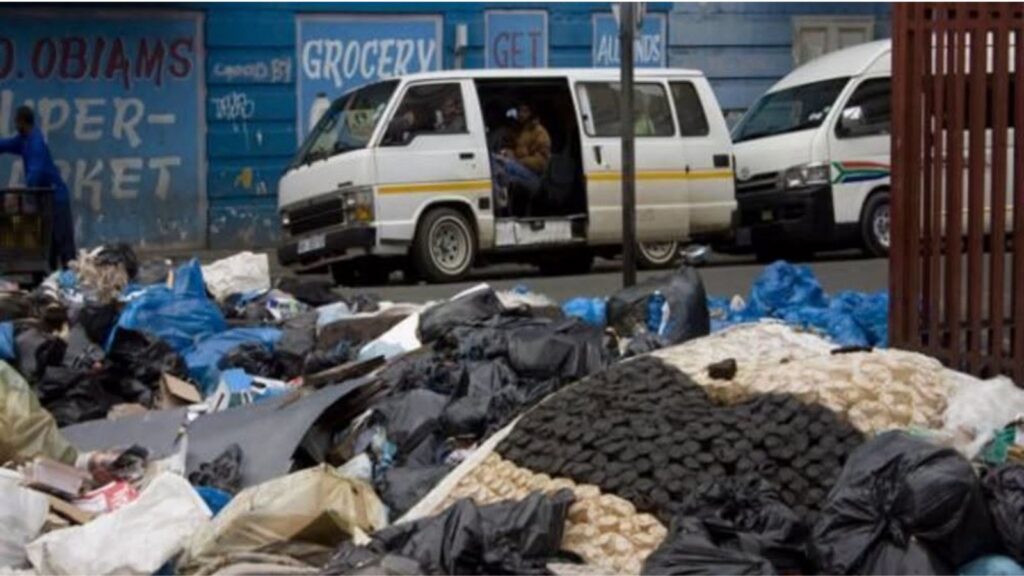
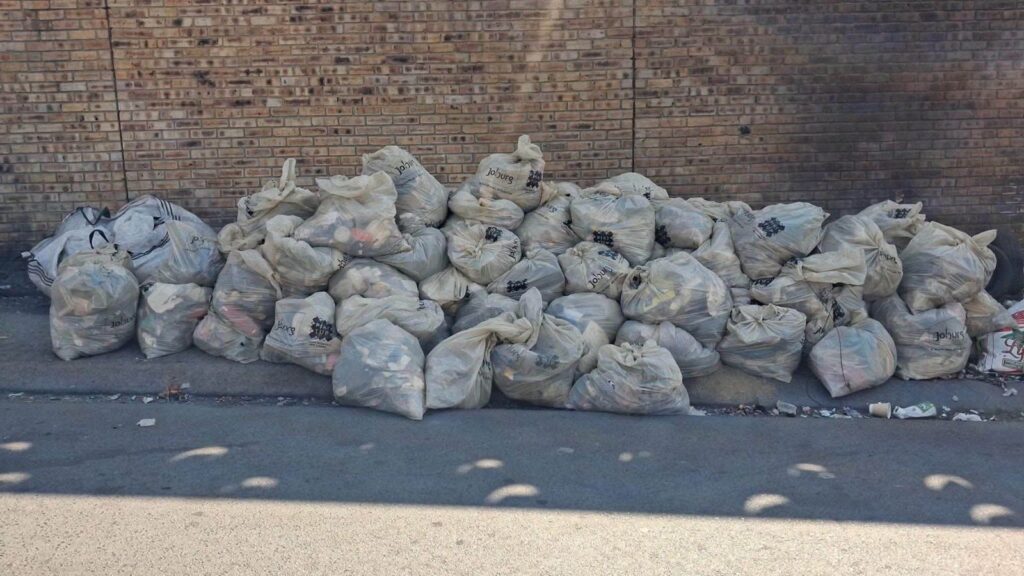
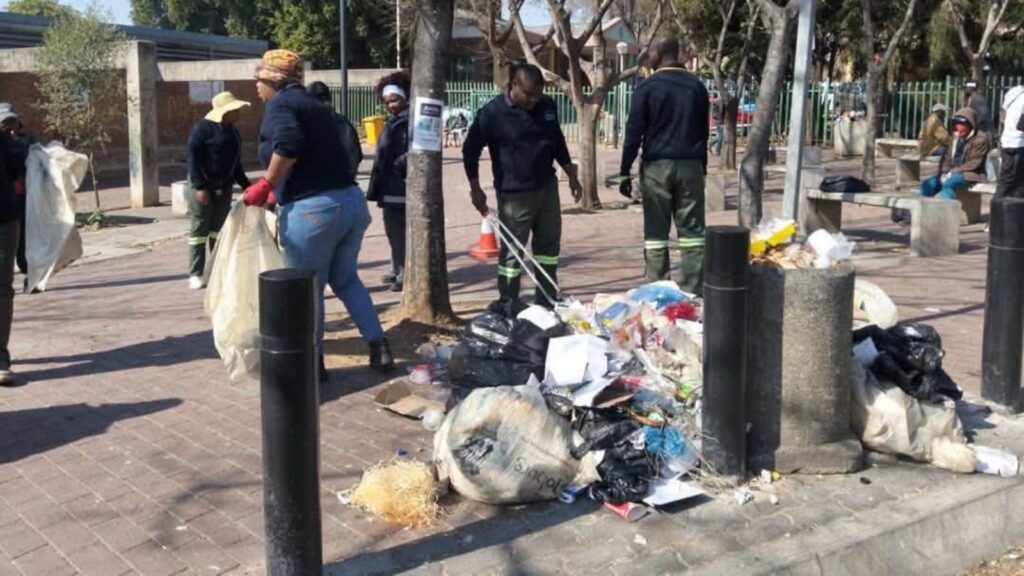
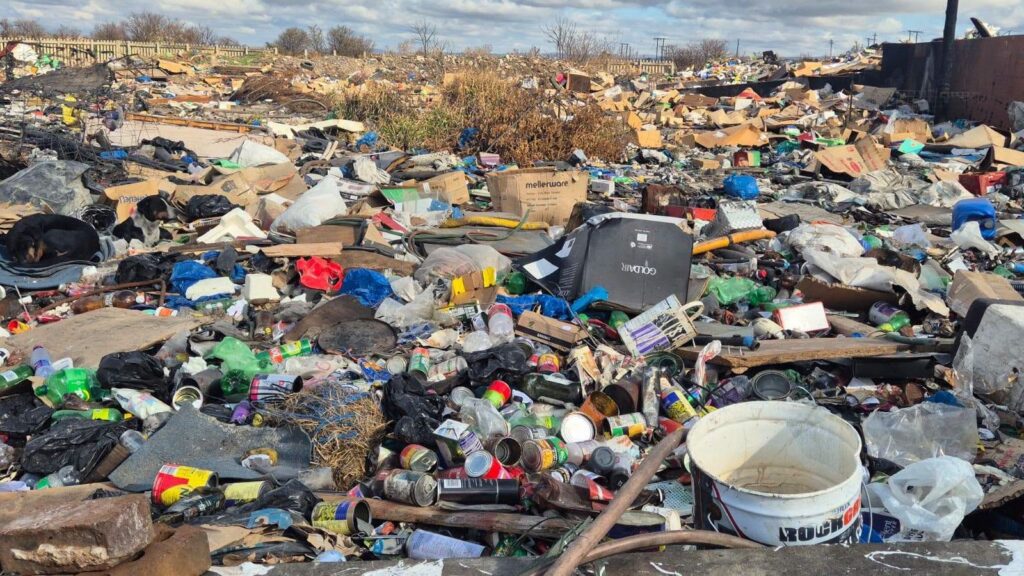
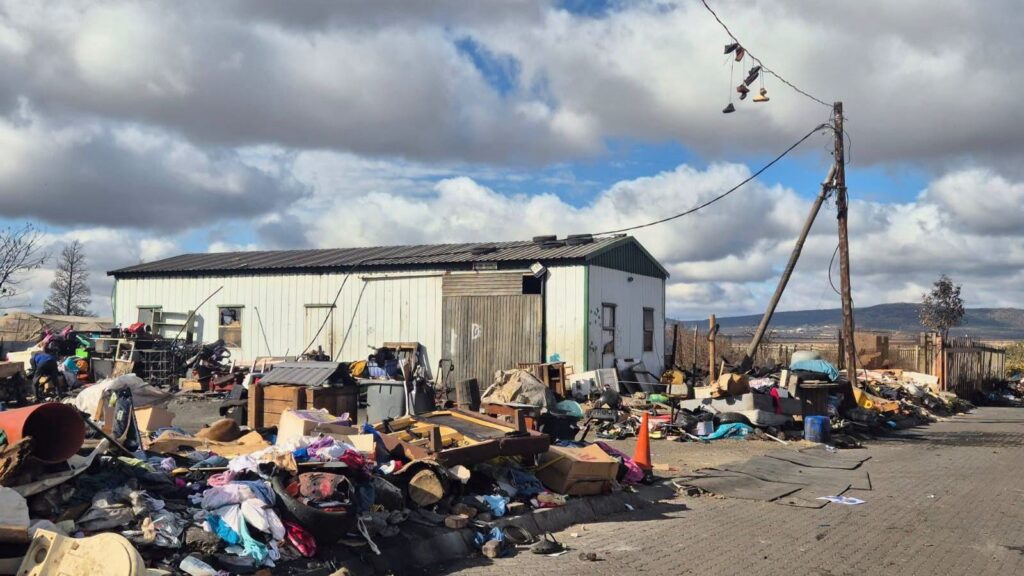
While these deliberations continue, the city is facing the collapse of its waste management system, which has resulted in refuse piling up in suburbs across Johannesburg.
This is the latest symptom of the city’s broader collapse, with waste pileups becoming common alongside electricity outages and water shortages.
Refuse collection schedules in Johannesburg have broken down as contractors remain unpaid and labour disputes continue.
These challenges are compounded by an ageing vehicle fleet, leaving parts of the city without reliable waste removal.
Communities across Randburg, Roodepoort, Kensington, Yeoville, Berea, Malvern, Soweto, Orange Farm, Lenasia and other areas are living with growing piles of uncollected waste.
This poses a public health risk and is directly tied to the city’s financial mismanagement.
The JCA said that Pikitup generates significant revenue, but this money flows into the city’s centralised cash management system and is not ringfenced.
This means that the city can do what it wants with the money Pikitup generates, typically resulting in it being used to pay salaries and bonuses in other parts of the municipality rather than invest in refuse collection.
As a result, Pikitup faces severe liquidity constraints and is unable to invest in its fleet or pay service providers on time, bringing refuse collection to a halt.
Criminal syndicates are entrenched
Amid the myriad crises, criminal syndicates continue to siphon money from the municipality, benefiting from wasteful and irregular spending.
These syndicates are embedded within municipal departments, enabling them to influence the outcome of tender processes and the awarding of contracts.
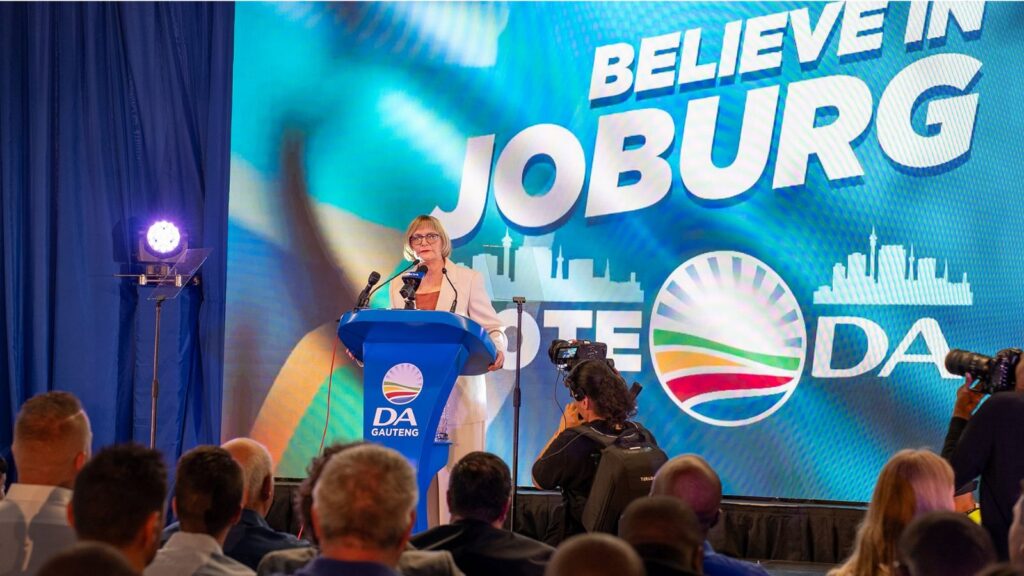
Johannesburg mayoral candidate Helen Zille told Suits and Sneakers that the city is being used as a looting trough for criminal syndicates.
“Criminal syndicates have captured many of the crucial positions in the administration which are essential for decisions around procurement,” Zille said.
These syndicates are highly organised and have played a major role in creating the financial mess the city finds itself in.
“There are interlocking, competing networks of criminal syndicates. That accounts for a lot of the drain on Joburg’s fiscus,” Zille said.
“This has also accounted for the steady decline in service delivery, particularly the failure to finish projects and the looting of a lot of money.”
Zille said this problem is much worse than anybody thinks and will be one of her top priorities if she wins the mayoral race.
The candidate also pointed to another issue – the municipality’s deliberate inefficiency. This goes beyond wasting money and facilitates corruption.
“I have been amazed to see how much inefficiency is deliberate. It is not just incompetence, it is deliberate because it facilitates corruption,” Zille said.
Zille explained that one of the first things she will do to tackle this is to digitise the city’s billing system to prevent any official from exerting undue influence over it.
City of Johannesburg photos




Comments