South African teachers, nurses, and police officers cannot afford to live in the areas they work


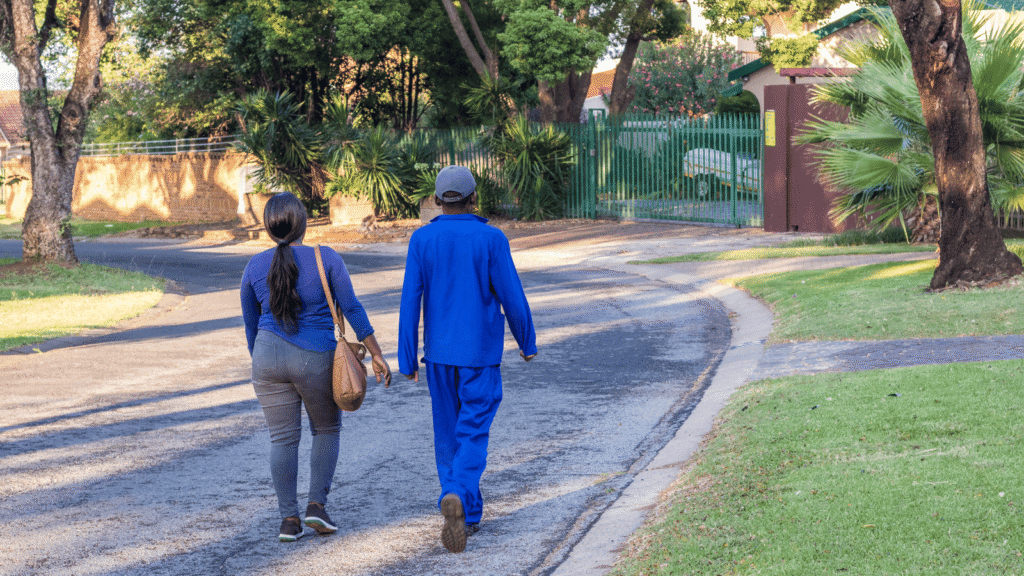
South Africa’s severe shortage of affordable housing is forcing many essential workers, such as teachers, nurses and police officers, to live far from the communities they serve.
Sentinel Homes managing director, Renier Kriek, said South Africa’s housing shortage remains one of the country’s most pressing challenges.
Speaking at the Sustainable Human Settlements Summit in February 2026, President Cyril Ramaphosa said that more than 5.5 million families remain on housing waiting lists across the country.
He noted that closing the housing gap would require between 2.5 million and 3 million additional homes, with the shortage particularly acute in the affordable housing, or gap market, segment.
“The housing shortage is particularly acute in the so-called ‘missing middle’, households that earn too much to qualify for government-subsidised housing but too little to afford homes available on the open market,” Kriek said.
In the Western Cape, industry experts estimate that virtually no new housing is being built below the R900,000 price point.
This leaves workers earning between R25,000 and R30,000 a month with few realistic options to buy a home close to where they work.
The affordability gap has become so pronounced that many essential workers can no longer afford to live in the very communities they serve.
As housing becomes increasingly unaffordable for ordinary working South Africans, the challenge extends well beyond the property market.
When ordinary working South Africans, like nurses, members of the police force, and teachers, cannot afford a decent home, that is not only a housing problem, Kriek said.
It is also an economic problem and a political crisis waiting to happen. The issue has also come into focus during the dispute over the Tafelberg site in Sea Point, Cape Town.
Municipalities are failing South Africans

The future use of the state-owned Tafelberg site has once again put a spotlight on the shortage of affordable housing in well-located urban areas.
The dispute between the city and housing activists became the subject of a much-publicised Constitutional Court decision.
This case compelled the city to consider its obligation to expand affordable housing availability when making decisions about its land.
The proceedings have reinforced a broader question facing South Africa’s cities – how to ensure that teachers, nurses, police officers and other essential workers can afford to live closer to the communities they serve.
Kriek pointed out that, too often, a lack of affordable housing pushes them further away from jobs and economic opportunities.
It becomes an economic issue, affecting labour mobility, productivity, household finances and ultimately the ability of cities to attract and retain the workforce they depend on.
Ultimately, this issue will weigh on the minds of South Africans when they head to the polls to elect local government in November.
Supply expansion in the housing market remains chronically low, below the rates of population growth and household formation.
This problem is exacerbated by semigration, which increases demand in some areas, particularly where supply is already tight.
Kriek said the time has come for South Africans to judge their elected municipal officials on the rate of housing supply expansion.
“If there is too little of something, the price goes up, and the only solution is to make more of the thing so that supply matches demand.”
“That is where our municipalities especially are failing us – the time from starting the planning process to people eventually moving in routinely takes more than a decade.”
Worse yet, Kriek noted that most of that time is taken by disjunct, tedious, and ever-expanding regulation and bureaucracy.






Comments