64% of South Africans save cash under a mattress


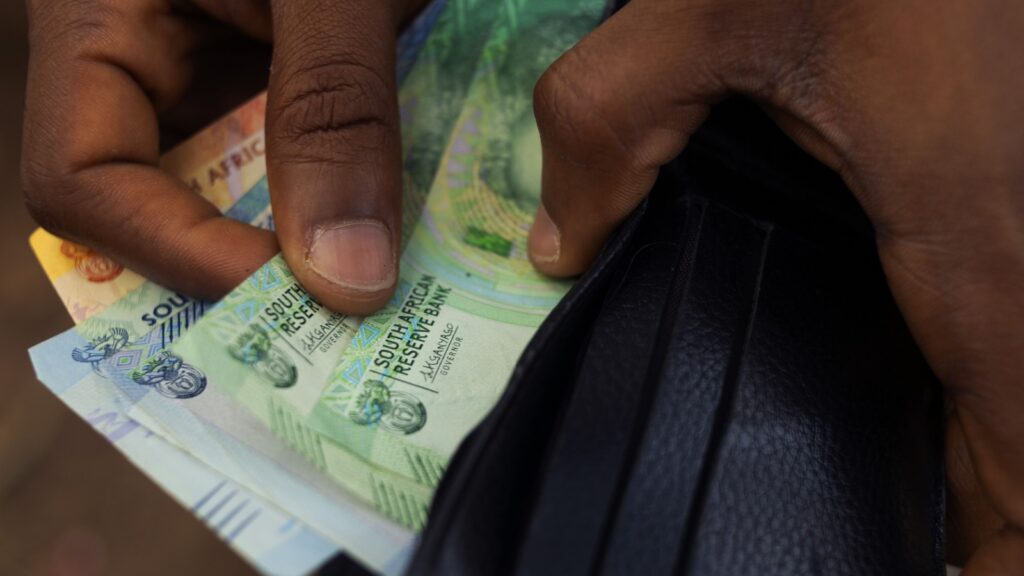
64% of working South Africans hold unbanked cash savings, a figure expected to rise further over the next few years.
This was revealed in the latest Old Mutual Savings & Investment Monitor for 2026, which was published on 29 July.
The monitor measured the financial attitudes, perceptions, and behaviours of 1,519 individuals aged 18 to 65, all earning R8,000 or more per month.
The report revealed that the number of working South Africans with unbanked cash savings had increased by 24% over the last five years, up from 40% in 2021.
This number rose by 11% over just the last year alone, from 53% in 2025 to where it currently stands at 64% as of July 2026.
“Unbanked cash savings continue to climb,” the report said. “Both the incidence and the year-on-year increase in unbanked cash are particularly high among 18 to 29-year-olds and higher earners.”
Approximately 80% of respondents aged 18 to 29 reported having unbanked savings, while 78% of respondents earning more than R60,000 a month reported the same.
Conversely, older South Africans were less likely to keep cash at home, with just 48% of respondents over 50 reporting having unbanked savings.
“2026 sees not only an increase in the incidence of holding unbanked cash savings, but also an increase in those reporting that these cash savings constitute most or a significant part of their total savings.”
According to Old Mutual, this is particularly evident amongst lower-earning South Africans, with 18% of respondents noting that unbanked cash savings made up all or most of their total savings.
The most common motivation for keeping unbanked cash savings was the convenience and accessibility it afforded, with 53% of respondents citing this as their reason.
Other common responses included a stronger feeling of safety and security, better privacy, overly expensive bank fees, and bank interest rates being too low, among others.
Millions of South Africans remain unbanked
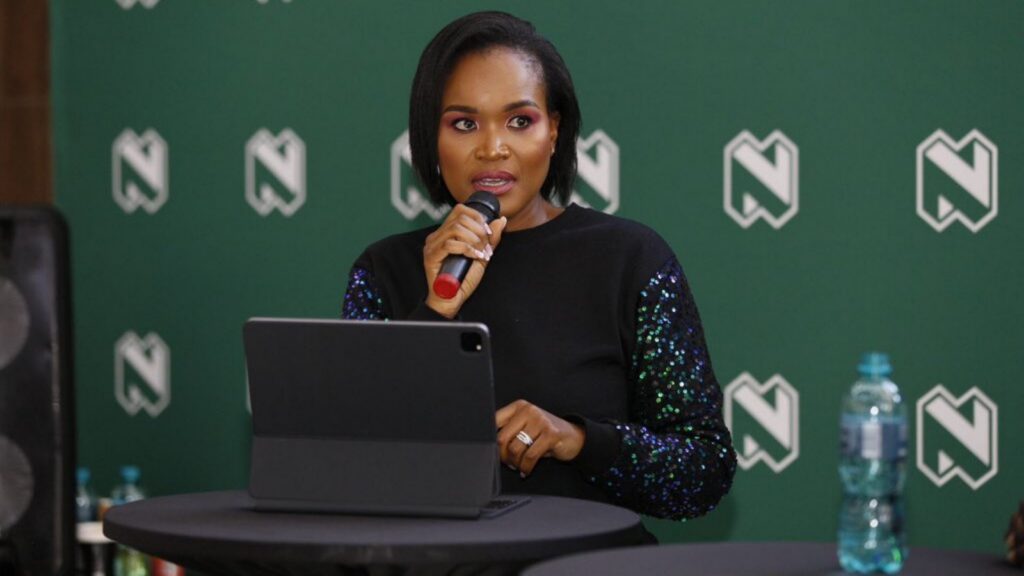
The growing number of South Africans with unbanked savings represents more than just a simple preference, but reveals deeply embedded mistrust with the current banking system.
According to the Finscope South Africa Consumer Survey 2025, released at the end of last month, only 89% of South African adults reportedly hold personal bank accounts.
This translates to roughly 40.8 million people, meaning there are almost 5 million adults in South Africa who remain unbanked.
Nedbank Executive Head of Marketing for Personal & Private Banking, Buli Ndlovu, estimated that this could be even higher at around 7.3 million people.
“A significant number of South Africans continue to store their savings in cash at home despite wider access to formal banking services,” Ndlovu said.
“This trend reflects a combination of limited access, trust concerns, and entrenched savings behaviours rather than a simple preference.”
However, Ndlovu warned that keeping cash at home rather than in a bank posed numerous risks and challenges.
She pointed to a Stats SA report from last year, which revealed that between 2024 and 2025, there were approximately 1.5 million home burglaries recorded across South Africa.
This, she said, shows just how vulnerable money can be when it is saved at home rather than in the formal banking system.
Cash held at home is also more vulnerable to fire and flood damage and to being misplaced, with Ndlovu stressing that this money may then be lost forever.
“Beyond physical risk, there are longer-term financial implications,” Ndlovu said. “Cash savings kept at home earn no interest and are often more easily spent.”
“This reduces a household’s ability to build consistent savings over time or to withstand financial shocks in a constrained economic environment.”
While holding cash at home often stems from concerns of bank trust and easy access to savings, it leaves South Africans more exposed to risk and reduces their ability to grow their money.
Ndlovu said South Africa’s banks and financial institutions need to find a way to make their savings options more flexible and immediately accessible.




Comments