The end of Eskom as you know it


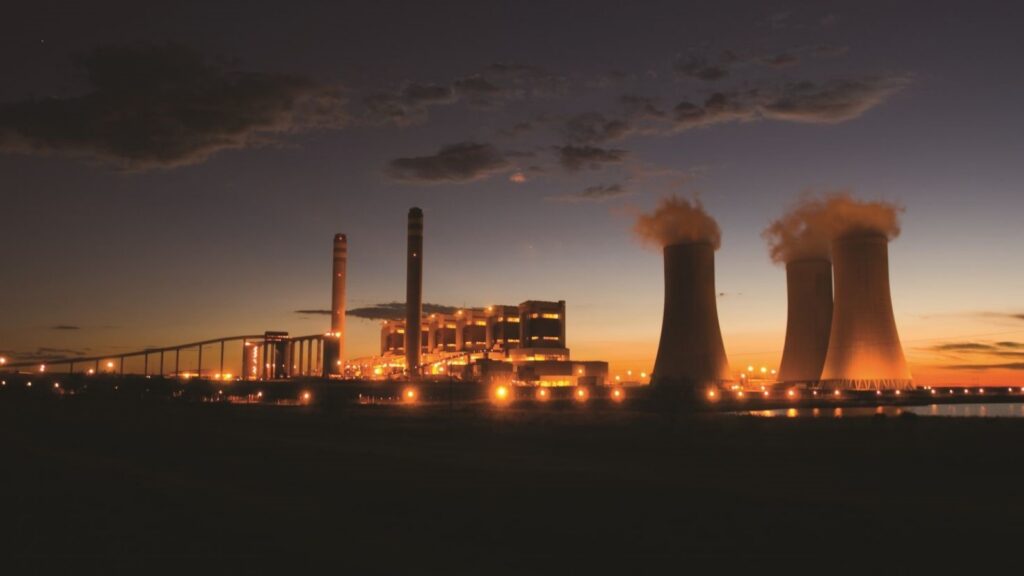
The unbundling of Eskom and the transition towards a free and open electricity market will require extending South Africa’s transmission grid, which is estimated to cost R440 billion.
Eskom and the state do not have the means to fund this grid expansion themselves and are turning to the private sector for investment.
This is being done through the Independent Transmission Programme (ITP), which was approved by the South African government in December 2023.
Investec Head of Infrastructure Bukiwe Pantshi described the ITP as the “boldest step yet” in the rebuilding of South Africa’s electricity infrastructure.
“While generation has dominated the national energy debate for years, the reality is simple,” Pantshi said. “Renewable power cannot flow without greater transmission network capacity.”
“The ITP offers a long-awaited structural solution to the grid bottleneck that has constrained economic growth, renewable energy investment, and electrification for millions of households.”
Over the next decade, more than 14,000 km of new transmission lines would need to be built across South Africa to support the country’s energy transition.
Phase one of the ITP, which began in July 2025, identified 1,164 km of high-priority 400kV transmission lines across the Northern Cape, North-West, Gauteng, and Free State provinces.
Private transmission providers will build, own, operate, maintain, and eventually transfer this infrastructure over to the National Transmission Company South Africa (NTCSA).
The NTCSA was created as a wholly owned subsidiary of Eskom, as part of the state-owned enterprise’s unbundling process.
“Broader energy sector reforms necessitated the creation of the NTCSA to separate transmission from Eskom’s generation activities,” Pantshi explained.
“This will enable independent grid operation, unlock investment in transmission infrastructure, and support the transition to a competitive electricity market.”
The South African Wholesale Electricity Market (SAWEM) is expected to launch in the third quarter of 2026, following multiple delays.
Accelerating grid expansion
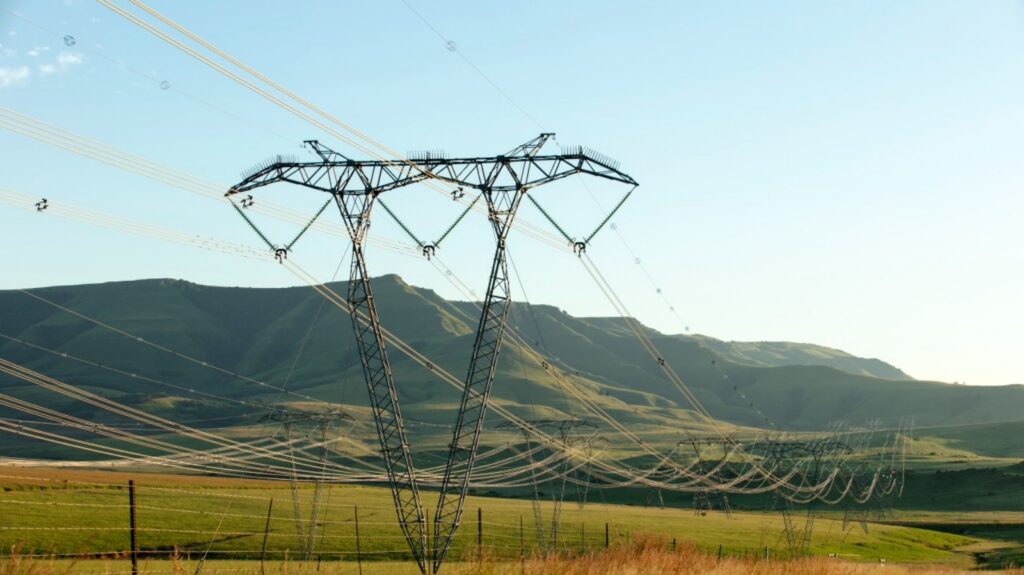
The NTCSA and the Development Bank of Southern Africa signed a Memorandum of Understanding on 31 July to accelerate investment in South Africa’s transmission infrastructure.
The signing coincided with President Cyril Ramaphosa’s endorsement of the first phase report from the Eskom Restructuring Task Team (ERTT).
With the President’s approval, this has opened the door for the NTCSA and South Africa’s transmission network to become completely independent of Eskom.
The Head of the Energy Secretariat at the South African National Energy Development Institute, Prof Sampson Mamphweli, said these were vital developments.
“This is quite important,” Mamphweli told 702. “It’s a process that was supposed to have been started a long time ago, around 1998 or so.”
“In terms of the development around the world, over 90 countries, including the United Kingdom, Norway, and Uganda, have successfully gone through this process to unbundle their utilities.”
The combination of the DBSA’s development finance capabilities with the NTCSA’s technical expertise is expected to accelerate the pace and scale of transmission grid expansion.
According to NTCSA CEO Monde Bala, this would be critical in unlocking new generation capacity, improving energy security, and supporting inclusive economic growth.
But while these reforms are considered the next step in expanding South Africa’s transmission grid, Pantshi said the way these reforms are executed will be even more important.
“Transmission projects face unique obstacles,” Pantshi said. “Land acquisition, environmental approvals and wayleave negotiations have historically slowed infrastructure delivery.”
“Without fast-tracked permitting, the ITP risks delay. Government has openly acknowledged this and committed to centralised, accelerated processes to clear bottlenecks before projects reach market.”
Additionally, Pantshi pointed to South Africa’s limited capacity in the transmission-related manufacturing and EPC (Engineering, Procurement and Construction) services.
However, she said this also presented an opportunity for the localisation of these services and supply chains, something which would create jobs and support economic growth.




Comments