Medical aid used to cost R1.60 per month in South Africa


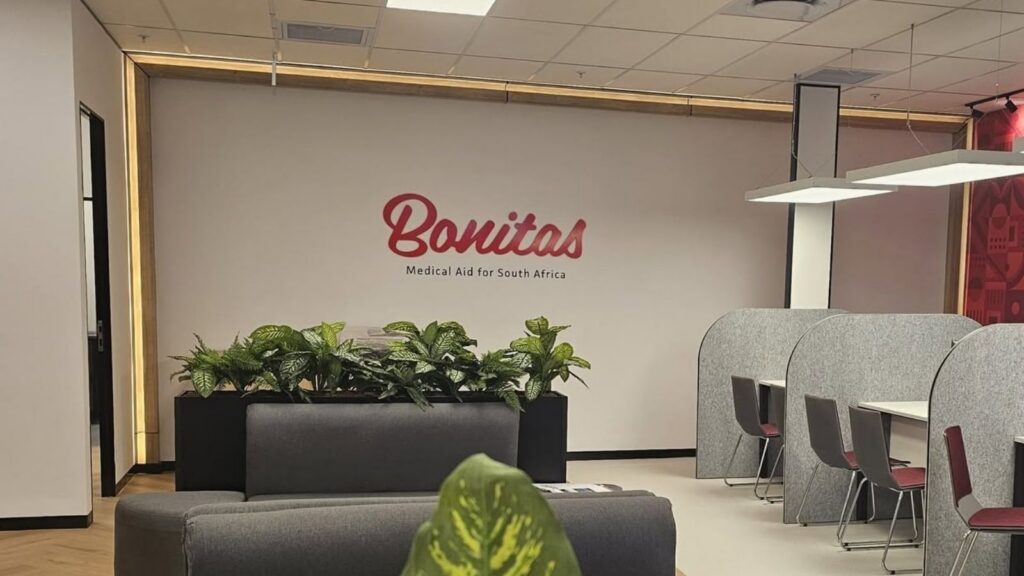
When Bonitas first launched its private healthcare coverage in 1982, it charged premiums of between R1.60 and R9.60 per principal member per month.
In contrast, data from Hippo show that the cost of medical cover for a single member in 2026 ranges from R645 to over R16,000. The average cost of a standard single-member plan sits at R4,810 per month.
This points to expanding coverage offered by medical aid providers in South Africa and to the significant medical inflation that has occurred over the past 44 years.
It also indicates that some of the challenges identified by the industry, particularly the ageing of its members, are weighing on the financial health of medical schemes.
Medical aids in South Africa have evolved significantly over the past 130 years, from small mutual-benefit funds to a highly regulated industry worth billions of rands.
These mutual-benefit funds were typically limited to individual workplaces and were used to cover workers’ medical expenses and, in some cases, to provide income in the event of injury.
South African mining companies pioneered this structure in the late 1880s and the early 1900s. Much of the structure invented by De Beers in 1889 stayed in place until the 1950s.
De Beers created a benefit fund for its workers in Kimberley in 1889 amid the diamond-mining boom, with the Oppenheimers using it to improve workplace morale and loyalty.
Other mining companies soon caught on and began offering similar funds, with some financial institutions offering products exclusively for this purpose.
This kickstarted the formalisation of a benefits system, with trade unions, government, and corporates creating their own closed, non-profit mutual benefit funds.
The sector was completely unregulated, with the benefits and support offered varying from company to company.
In the 1960s, the government decided to formalise the sector that was serving 1.5 million South Africans through the Medical Schemes Act of 1967.
This established the modern medical aid system South Africa has today, with minimum benefits, standardised fees and reimbursement rates.
It also enabled the commercialisation of medical schemes to increase access and gave companies greater freedom to set prices.
Some of the free market reforms were reversed post-1994. An open medical scheme could not refuse anyone who can afford the premiums, and everyone on the same option pays the same rate.
This required a shift in approach for medical schemes to adjust their offerings to managing risk rather than declining coverage to individuals with higher risk.
These changes famously led Discovery to overhaul its offering and develop its shared-value model to ensure its members became healthier over time, reducing risk.
Prices of medical coverage skyrockets
Over the past 40 years, the price of medical aid coverage has soared in South Africa as access expanded and regulatory demands on schemes increased.
Since the Reserve Bank adopted inflation targeting in 2000, the annual increases in medical aid contributions have consistently outpaced headline inflation by 3% to 5%.
While the difference may appear small across a single year, compounding for 26 years at double the inflation rate results in significantly higher premiums.
One of the main reasons for the price hikes was the implementation of the Prescribed Minimum Benefits (PMBs) in the Medical Schemes Act of 1998.
These legally required medical aid schemes pay for the diagnosis, treatment, and care of 271 medical conditions and 26 chronic illnesses in full.
Medical aids are forced to pay whatever hospital or other healthcare providers charge for these conditions, creating a significant baseline cost for a scheme.
This also significantly reduced premium flexibility for medical schemes as PMBs required the creation of premium ‘floors’ – prices below which it was unsustainable to offer medical aid.
Apart from other challenges, this lies at the heart of why South Africa lacks cheap medical aid options, as schemes lack the freedom to adapt their offerings significantly.
Coupled with the introduction of PMBs was the end of collective bargaining for medical aid schemes in 2004, as the practice was deemed anti-competitive.
This resulted in doctors, hospitals, and specialists being free to set their own fees, rather than an industry standard where medical aids could leverage their size to set low prices for diagnosis or treatment.
Overall claim expenses skyrocketed after this change as specialists raised their prices, forcing medical aid schemes to increase premiums.
This was not helped by the highly concentrated private healthcare market in South Africa, with major hospital groups such as Netcare, Mediclinic, and Life Healthcare dictating care prices.
Ageing member pools

A more recent driver of costs has been the ageing of medical scheme members in South Africa, which has increased coverage costs.
Discovery CEO Adrian Gore has consistently explained the challenges faced by medical schemes in covering an ageing member group.
Typically, the entrance of younger individuals into schemes helps to offset the rising cost of covering older members who require more healthcare.
Older individuals have increased incidents of chronic illnesses and severe health complications, which result in higher claims.
Without young South Africans entering into medical aids, this is not offset by individuals who claim less, forcing schemes to hike premiums across the board to spread risk.
Gore has consistently explained, when presenting Discovery’s financial results, that this is one of the major challenges his company faces today.
Discovery’s client base has steadily aged despite South Africa’s young population. The average aid of its medical scheme members has risen from 32 in 2008 to 38 in 2024.
This pushes costs and contributions higher, mainly due to increased medical expenditures at older ages. In effect, Discovery has to raise prices to cover the increased cost.
Gore has also pointed to medical tariffs, which are linked to inflation, and the high cost of developing new medications to improve healthcare outcomes as drivers of elevated premiums in South Africa.
Discovery’s medical aid scheme has begun implementing new strategies to attract younger individuals to its products and lower its cost of coverage.
“The medical scheme environment, with an open enrollment community, means that people often do not join until they are older and sicker,” Gore explained
“So, you have this natural selection rate, which raises the cost of providing medical scheme coverage.”
Discovery is reversing this trend by introducing new product offerings to attract younger members to its schemes.
In particular, the company has introduced the Active Smart plan, which it says has gained strong traction among younger South Africans.
Another way in which Discovery is using technology to limit cost increases is by using artificial intelligence to personalise health prompts.
Launched in early 2025, Personal Health Pathways aims to provide personal health prompts to make Discovery clients healthier, reduce their medical expenditures, and thus limit contribution increases.





Comments