Advertising crackdown on Castle Lager in South Africa



South Africa’s Advertising Regulatory Board (ARB) has ruled a recent promotional campaign by South African Breweries (SAB) to be in violation of its advertising regulations.
The ARB found that a social media influencer hired by SAB to promote its Castle Lager beverage at the FIFA World Cup had failed to disclose that it was a paid promotion.
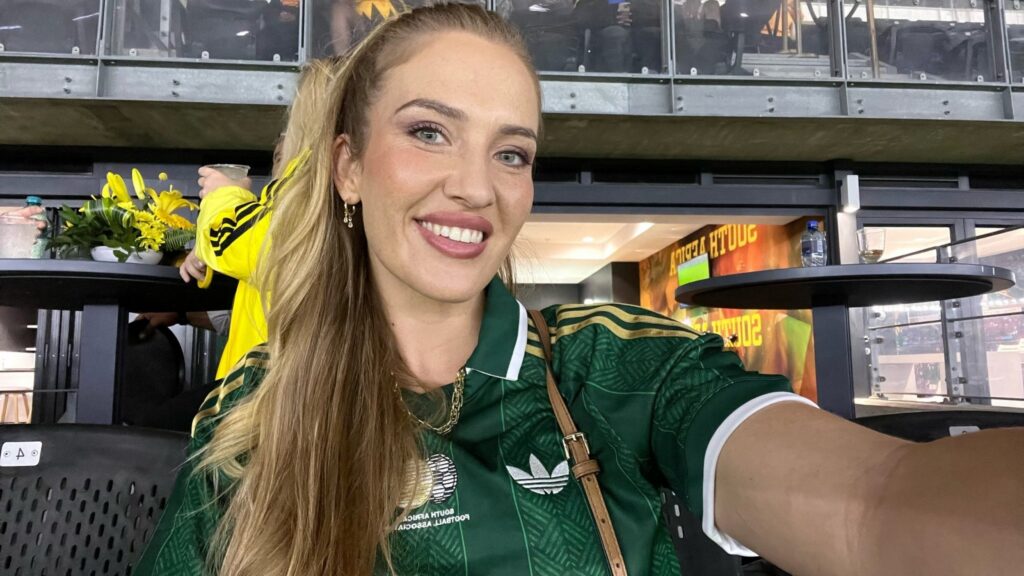
The influencer in question, Jana Swart, has over 16,000 followers on X and works as a fashion model for Johannesburg-based agency ICE Models.
On 18 June, Swart made a post on her X account showing herself getting ready to go to a Mexican cantina to watch the FIFA World Cup match between South Africa and Czechia.
A complaint lodged against the post claimed Swart had promoted the consumption of alcohol without disclosing that the post was sponsored by Castle Lager or that alcohol was an age-restricted purchase.
Additionally, the complainant alleged Swart had likely been sent by SAB to attend the FIFA World Cup and promote Castle Lager there as the official sponsor of the South African national football team.
In response to the complaint, SAB claimed that Swart’s post had been made in a personal capacity, not a promotional one, and therefore did not constitute advertising.
“She has two different social media platforms,” ARB CEO Gail Schimmel told 702. “On the one hand, she posted the video with ‘#sponsored’ or ‘#ad’, and on the other hand, she had posted it without.”
“What they tried to argue was that the one posted without that hashtag was posted in her own capacity. She wasn’t posting as part of her influencer job. That’s her private platform.”
SAB alleged that the video in question did not in any way encourage the consumption of alcohol or include any promotional products related to Castle Lager.
The brewery claimed it had not paid any money to promote or boost that particular video, and that, as a result, it was not subject to disclosure regulations.
However, it clarified that Swart did hold a separate contractual arrangement as a brand ambassador for Castle Lager, promoting the beverage on a separate X account.
ARB not convinced
Despite SAB’s arguments, the ARB found the company had violated multiple advertising regulations through Swart’s post.
Most of these were found to be in relation to Appendix K of the Code of Advertising Practice, known as the Social Media Code.
Clause 3.3 of this code states that marketers need to include clear social media identifiers, such as “#ad” or “#sponsored”, to ensure content is easily identifiable as paid promotional work.
While Swart had used SAB branding on both videos, one video was found to be in contravention of Clause 3.3 as she had not included an advertising hashtag.
Additionally, the ARB did not buy into SAB’s assertion that because the post was made on a personal account, it did not constitute paid advertising.
“This distinction is confusing at best and disingenuous at worst,” the ARB said. “The influencer herself is paid by the Advertiser, even if her personal account is not included in the contractual agreement.”
“The influencer herself appears to be confused by the contractual arrangement, as the post in question on her personal X account clearly contains the Advertiser’s brand assets.”
The ARB ruled that the post should not have been published without a clear promotional disclaimer, even if it was not made on Swart’s sponsored account.
SAB were instructed to have Swart either delete the post entirely or amend it to include the relevant disclaimer. She has since deleted the video from her personal X account.
However, the ARB also ruled that Swart’s video had managed to properly disclose that alcohol was an age-restricted purchase, as it included the “18+ SAB SHARP” logo.
Schimmel said this case should serve as a lesson to other South African brands to better communicate the expectations of their promoters and take accountability when this goes wrong.
“When the influencer does the job well, it’s the brand that benefits,” Schimmel said. “So when the influencer messes up, the brand must account for it.”
“They must provide the influencer with correct guidance. Many of these influencers are young people who don’t know a lot about advertising regulation, if anything.”
 Loading ...




Comments