Critical South African industry is running out of people


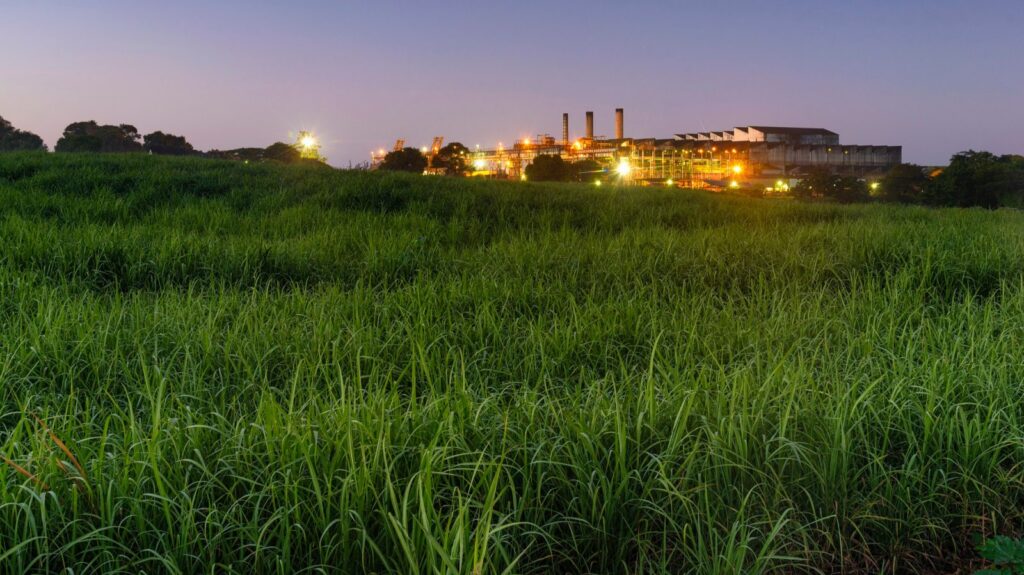
South Africa’s sugarcane industry is facing an unexpected labour shortage after anti-illegal immigration protests led many of its foreign national workers to flee the country.
The shortage comes during the middle of harvesting season, which runs from March to December, meaning many sugar farmers may be forced to delay shipments to mills.
This has mostly affected sugarcane growers along the northern coast of KwaZulu-Natal, with some farms having reportedly lost as much as 80% of their workforce overnight.
The South African Farmers Development Association (SAFDA) has called on the government to provide some form of assistance to prevent the industry’s total collapse.
In an interview with Newzroom Afrika, SAFDA CEO Dr Siyabonga Madlala said the very labour-intensive work involved with cutting sugarcane did not appeal to most South Africans.
“What we’ve relied on was foreign nationals from Mozambique, Swaziland, and Lesotho,” Madlala said. “They have been the backbone of the sugar industry in terms of cane cutting.”
“This is a job that South Africans don’t generally like. It’s not even a question of exploitation, as there is quite good money there. It’s just one of those jobs people choose not to work.”
According to Madlala, the shortage of cane cutters has even led to many millers being forced to cease daily operations earlier as they simply are not getting enough sugarcane in.
This could put even more jobs at risk across the sector and potentially lead to a slow collapse of the entire industry, something which Madlala warned the country could not afford.
It is estimated that more than one million households across South Africa are dependent on the sugarcane industry to support their livelihoods.
“That’s why we want to actually appeal to government to assist us with any dispensation,” Madlala said. “This is one of the key drivers of our value chain.”
“Some of our South African jobs are at risk because the millers have to shut down early and have carry-overs. This means the jobs that our people actually prefer will also be in jeopardy.”
South Africa’s sugar industry under siege

This labour shortage is only the latest challenge facing South Africa’s embattled sugarcane industry, which has endured numerous struggles in recent years.
Most notably, industry stakeholders have campaigned for stronger trade protection from the South African government as the market is flooded with cheap sugar imports.
The industry reportedly lost R1.5 billion to cheap imports during the 2025/26 season, in which over 200,000 tonnes of sugar was imported from countries such as Brazil, India, and Thailand.
Sugar producers in these countries are heavily subsidised by their governments, allowing them to sell sugar at unsustainably low prices for unsubsidised South African growers.
SAFDA and other concerned groups have repeatedly called for a review of the current tariff on sugar imports, which was last updated in 2018 and has now been deemed ineffective.
“We can’t sit here as a country and allow that we are ravaged by deep-sea imports and just be silent about it,” Madlala said. “I don’t know why our government is not as quick in responding about it.”
“It’s quite a painful one because it’s killing our rural jobs. The sugar industry is deeply rooted in the rural space of KwaZulu-Natal and Mpumalanga.”
On top of the influx of cheap sugar imports, the rapid rise in fuel and fertiliser prices over the last few months as a result of the US-Iran war has placed further strain on sugar farmers.
Additionally, the near liquidation of Tongaat Hulett earlier this year threatened to completely collapse the industry, with more than 18,000 sugar growers dependent on its mills.
The company faced significant financial trouble after the uncovering of an accounting scandal in 2018, entering voluntary business rescue in October 2022.
While the company was to set to be liquidated in June, it was saved last minute by Robert Gumede’s Vision Consortium, who seek to pivot the company towards an agri-energy model.





Comments