One of South Africa’s biggest employers can lose 8,200 jobs


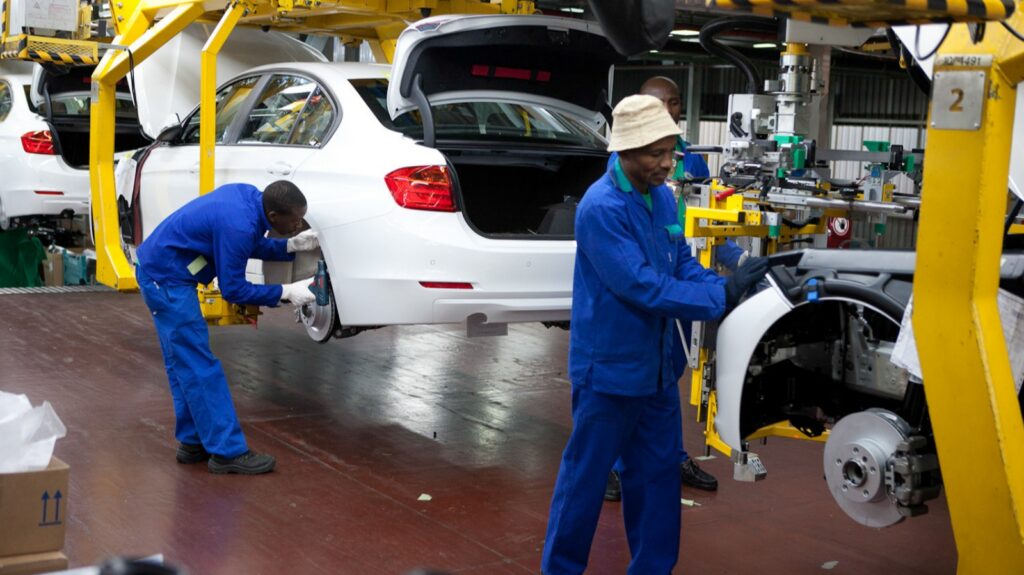
The global transition towards new energy vehicles (NEVs) could place an estimated 8,200 South African jobs at risk if the right policies and investments are not made.
This is the warning given in a new report by the National Association of Automotive Component and Allied Manufacturers (NAACAM) and the International Labour Organisation (ILO).
The study examines the potential impact that the shift away from internal combustion engine vehicles (ICEVs) would have on employment in South Africa’s automotive sector.
South Africa’s automotive industry is one of its largest, contributing 22.6% of production output and 5.2% of the country’s GDP in 2024.
That same year, average monthly employment for vehicle manufacturers and component manufacturers was estimated to be around 33,150 and 81,860, respectively.
“The industry is currently geared toward producing internal combustion engine vehicles, with catalytic converters as South Africa’s top component export,” NAACAM-ILO said.
“However, technological shifts toward NEVs are challenging the sector’s ability to adapt, as these require different components and assembly processes.”
In 2024 alone, catalytic converters accounted for 30.4% of South Africa’s total component export value, despite a R3.4 billion decline in automotive component exports that year.
However, as major export markets such as the EU continue to move towards the adoption of electric vehicles, the demand for these catalytic converters is likely to drop significantly.
This would be detrimental to South Africa’s local component manufacturing sector, potentially forcing many of the country’s ICEV production facilities to shut their doors.
Because South Africa relies heavily on its component exports, NAACAM-ILO estimated that this severe export market contraction could destroy as many as 8,200 direct jobs by 2035.
“The catalytic converter market has experienced a steady decline in growth between 2022 and 2024,” NAACAM-ILO said.
“This has been primarily driven by the increased adoption of NEVs in the EU, which accounts for 48% of catalytic converter exports.”
Policy and investment could create jobs instead
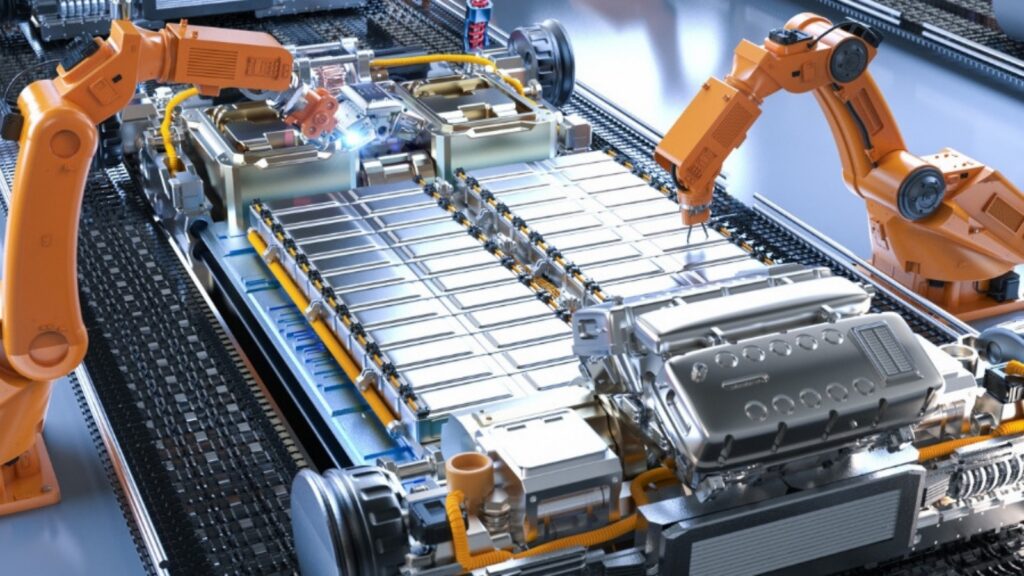
While the transition towards NEVs threatens to destroy thousands of jobs, NAACAM-ILO’s report suggests that this can be avoided through certain interventions.
With the right combination of targeted policy and strategic investments, South Africa can capitalise on the NEV shift to create jobs instead of losing them.
NAACAM-ILO said approximately 8,600 direct jobs could be created by 2035 through the adoption of NEV component manufacturing.
“South Africa already has production capacity that could be adapted to manufacture several priority NEV components,” NAACAM-ILO said.
“Realising this opportunity, however, will require stronger demand- and supply-side incentives and accelerated investment in skills development and production capability.”
Many of the local component manufacturers which NAACAM-ILO consulted for their study said they did not yet have any plans to diversify into NEV component production.
Policy uncertainty, logistical challenges and limited investment incentives were singled out as the biggest hurdles preventing these companies from making the shift.
Industry stakeholders indicated that more government support was needed for South Africa’s OEMs to drive demand and activity throughout the automotive supply chain.
This could come in the form of subsidies on wages for manufacturers which recruit and train individuals with long-term NEV skills, or the introduction of subsidised interest rates.
These stakeholders emphasised that South Africa also needed a clear industrial policy which would support the NEV transition, alongside initiatives to boost local demand for electric vehicles.
This could include rebates to decrease the initial cost of purchasing or leasing NEVs, as well as tax exemptions on these vehicles for both individuals and businesses.
“In the absence of clear policy direction and supportive incentive frameworks, OEMs and component manufacturers are unlikely to enter the NEV market,” NAACAM-ILO said.
“They will be unable to forecast skills requirements with confidence, or achieve the production volumes necessary to justify hiring and recruitment.”






Comments