How much money South Africans need to buy a home


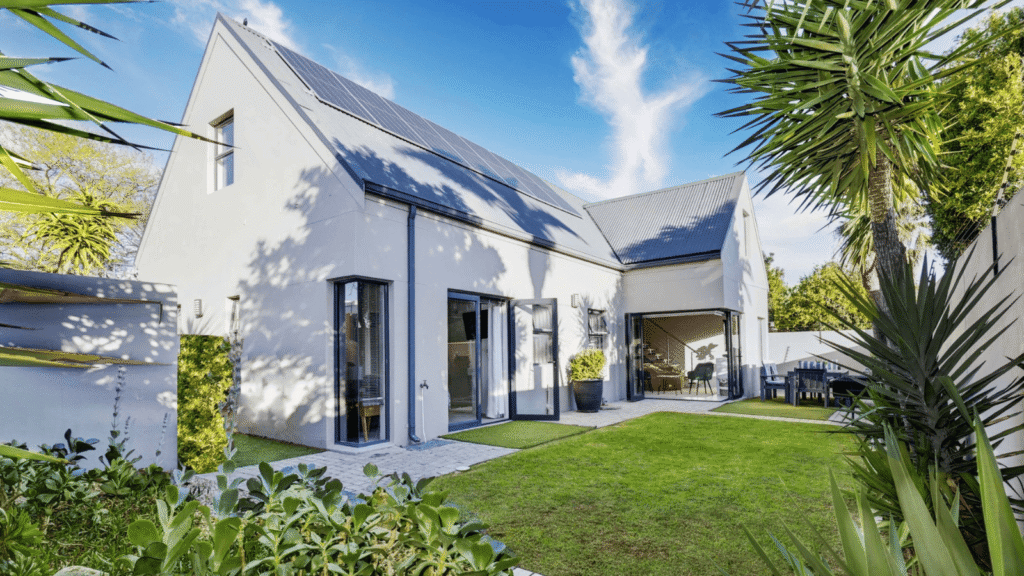
Buying a home remains one of the best long-term financial decisions South Africans can make, but property experts warn that prospective buyers need to ensure they can afford more than just the monthly bond repayment.
According to Seeff Property Group chairman Samuel Seeff, buying sooner rather than later can pay off, as property prices generally increase over time.
“Buying your own house is the best decision you can make, and the sooner, the better,” Seeff said. However, he stressed that buyers should purchase only when they are financially secure.
A home is a long-term investment, and if financial circumstances change unexpectedly, selling a property is not an immediate solution.
Owning a home allows monthly housing costs to build equity in an appreciating asset instead of paying off a landlord’s bond.
As homeowners repay their mortgage, they gradually increase their ownership stake while also benefiting from any increase in the property’s market value.
That equity can later be used to buy a larger home or move to a better neighbourhood by reducing the size of the next mortgage.
While homeowners can also borrow against their accumulated equity, Seeff recommends doing so only in genuine financial emergencies rather than to fund discretionary spending.
One of the biggest questions prospective buyers ask is how much they need to earn to qualify for a home loan.
As a general guideline, Seeff said buyers looking to purchase an R800,000 property should earn around R27,000 per month before deductions.
For a R1.2 million home, those looking to buy should have a gross monthly income of approximately R40,000.
Banks consider far more than income alone when assessing affordability. Lenders also examine employment stability, existing debt obligations, monthly living expenses, and credit history before approving a mortgage.
Most banks require applicants to have permanent employment with at least a three-month employment history, while self-employed applicants are generally subject to stricter requirements.
Some South Africans may be able to improve affordability. For example, couples can combine their incomes and apply jointly.
A healthy credit profile is equally important. Seeff recommended that first-time buyers maintain a credit score of at least 650.
This can be built by responsibly managing low-risk credit products, such as a store account or cellphone contract and paying the balance in full each month.
The costs beyond the bond

While qualifying for a mortgage is one hurdle, experts have repeatedly warned that the monthly bond repayment is only part of the cost of owning a home.
Recent analysis by Landsdowne Properties showed that levies, municipal rates, utilities, insurance and maintenance can add anywhere from several thousand rand to more than R11,500 per month to the cost of ownership.
The exact amount will depend on the size of the property and where it is located, with areas such as uMhlanga having notoriously high rates.
Landsdowne’s CEO and founder, Jonathan Kohler, described these ongoing expenses as the “second bond” because they are often overlooked when buyers calculate affordability.
“The bank may approve the bond, even as the home’s full monthly cost remains largely untested,” he explained.
Those costs typically include municipal rates and taxes, sectional title levies, reserve fund contributions, insurance, electricity, water, refuse removal, security and maintenance.
For South Africans who want to buy a sectional title property, these expenses can be particularly significant.
Kohler previously warned that low levies are not always a positive sign, as they can indicate that a body corporate is underfunding maintenance. This could lead to expensive special levies in the future.
Seeff similarly advised buyers to budget carefully for municipal rates, taxes, levies where applicable, insurance and ongoing maintenance before committing to a purchase.
Financial advisers generally recommend keeping total housing costs at around 28% to 31% of gross monthly income.
Higher interest rates increase affordability pressure

Budgeting has become even more important following the South African Reserve Bank’s recent 25-basis-point interest rate hike on 28 May 2026, which pushed the prime lending rate to 10.50%.
This hike has increased monthly repayments for homeowners with mortgage bonds between R1 million and R3 million by roughly R165 to R496 per month.
While the increase places additional pressure on household budgets, borrowing costs still remain lower than they were two years ago. The mortgage market also continues to offer relatively favourable lending conditions.
According to bond originator Ooba, qualifying buyers are still benefiting from high approval rates, lower average deposit requirements and, in many cases, interest rate concessions.
Taken together, all of this should give South Africans an idea of when they are ready to buy a home and what they can afford within their budget.
Once they are financially ready to buy a property, the purchasing process typically begins with signing an Offer to Purchase.
After the seller accepts the offer, it becomes a legally binding deed of sale, usually subject to suspensive conditions such as the buyer obtaining a home loan.
The legal transfer is handled by conveyancing attorneys and generally takes about three months to complete, with occupation usually occurring after registration.
Before transfer, buyers must also budget for upfront costs, including bond registration fees, transfer costs and transfer duty where applicable.
Transfer duty only applies to the portion of a property’s purchase price above the current exemption threshold of R1.21 million.
Even after receiving bond approval, buyers should avoid taking on additional debt or opening new retail accounts before registration.
Banks typically conduct a final credit assessment before the property is transferred and can withdraw the loan if the buyer’s financial position deteriorates significantly.




Comments