South Africans are flocking to these affordable coastal towns


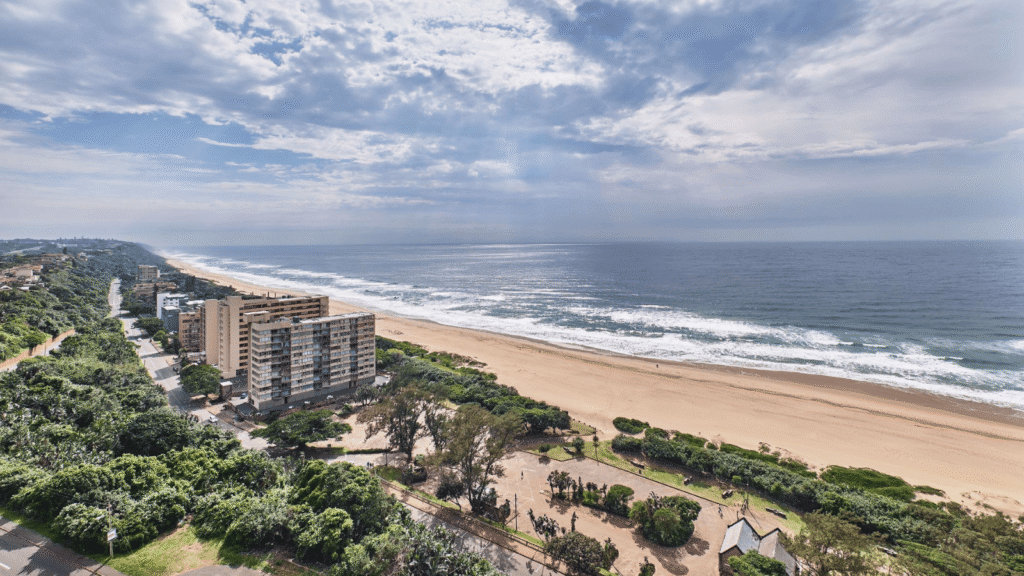
Young families, remote workers, and corporate employees are flocking to KwaZulu-Natal’s affordable coastal towns, driving strong rental demand, low vacancies, and attractive investment opportunities across the province.
According to the Seeff Property Group, rental demand is now outpacing available supply in several prime hotspots along the KwaZulu-Natal coastal residential belt.
The recent interest rate hike has further fuelled demand, with the rental sector picking up the slack from the sales market and making it a very appealing prospect for investors.
KwaZulu-Natal is the most affordable of the three major economic provinces, with an average rent of R9,293, which contributes to low vacancy rates, particularly in secure lifestyle and coastal hubs.
Gross rental yields are generally strong in certain hotspots, ranging from 6.5% to 9.5% depending on the area and price bracket.
While general rental growth in the province averages 3% to 4.5% year-on-year, high occupancy rates ensure stability for landlords.
As with most metros, the area continues to see an influx of people. Compared to other coastal belts, such as the Cape, KwaZulu-Natal offers more affordable housing and rental prices.
The warmer coastal lifestyle and ongoing development are significantly boosting the investment appeal of many areas.
The South Coast, in particular, has become a strong drawcard for remote workers and young families from Gauteng and Cape Town, who are relocating here for its affordable cost of living.
According to Seeff Hibiscus Coast manager Tracey Cronje, living costs in this area are roughly 40% below those of the North Coast.
She explained that the South Coast also offers some of the highest gross yields, as entry-level purchase prices are still relatively low.
Sectional titles start from R900,000 to R1.5 million, offering rental income of R8,500 to R12,000 per month with annual increases of 5% to 7%.
Apart from the affordability, the climate, holiday lifestyle, and high concentration of Blue Flag beaches are primary drivers for tenants.
Infrastructure improvements, such as the Margate Airport revival and water security projects, have converted the area from a holiday destination into a permanent residential choice.
The towns popular with renters
Amanzimtoti, which is located closer to the Durban Metro, attracts middle-class tenants and corporate contract workers.
Seeff Amanzimtoti rentals administrator Ash Narsingh said pet-friendly townhouses and freestanding homes, particularly in the R7,000 to R10,000 price range, are in high demand.
While holiday-letting complexes attract seasonal investment, long-term rentals show steady returns of R8,000 to R10,000 per month due to corporate relocations.
Suburban areas in Durban itself, such as Queensburgh, are also seeing significant demand due to affordability. Supply is low, and we are overrun with rental applications, said Seeff Queensburgh licensee Michelle Vermeulen.
The highest demand is for sectional titles in the R600,000 to R750,000 range. These achieve rental income of R6,500 to R11,500 per month.
The Upper Highway areas of Kloof, Hillcrest, and Waterfall attract families and remote workers looking for larger properties.
Seeff Upper Highway owner and director Gregg Wilson attributed this demand to the presence of top-tier schools and secure estate living.
According to Seeff Upper Highway’s head of rentals, Wendy Thomson, townhouses and pet-friendly family homes are the strongest investment categories in the area.
Properties in the R1 million to R3 million range offer rentals of R8,000 to R20,000, gross rental yields of 6% to 9%, and annual escalations of 5% to 8%.
The KwaZulu-Natal North Coast corridor – which includes popular areas like Umhlanga, Ballito, and Salt Rock – remains the fastest-growing residential belt.
Further north, Seeff Richards Bay licensee Elaine Vandayar said that corporate relocations and industrial expansion support a strong rental market and low vacancy rates.
The area currently faces a shortage of rental stock in the affordable R8,000 to R12,000 band, where tenant demand for two- and three-bedroom units outstrips supply.
The Seeff Group noted that this shortage signals an opportunity for new residential developments in the region.
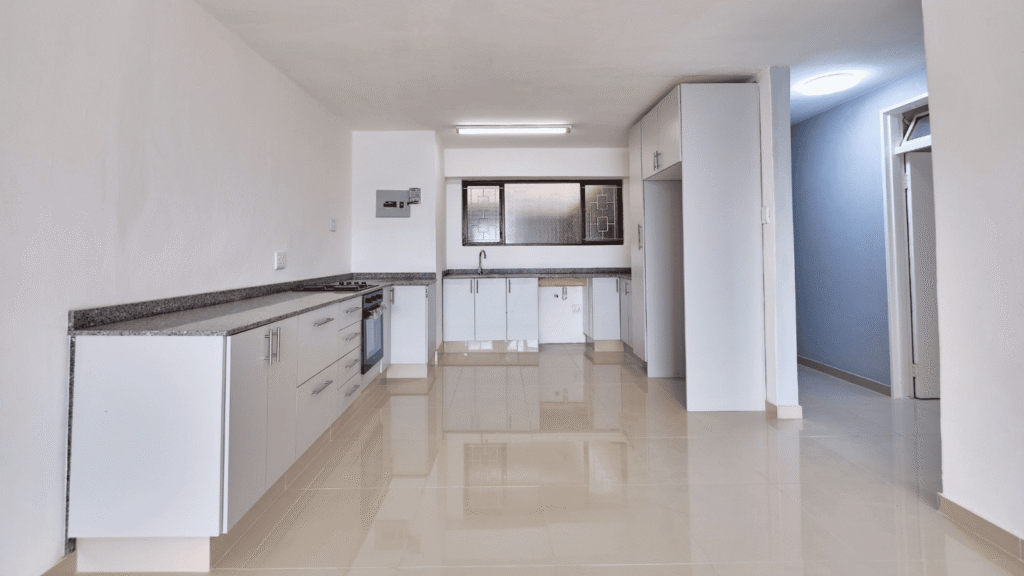
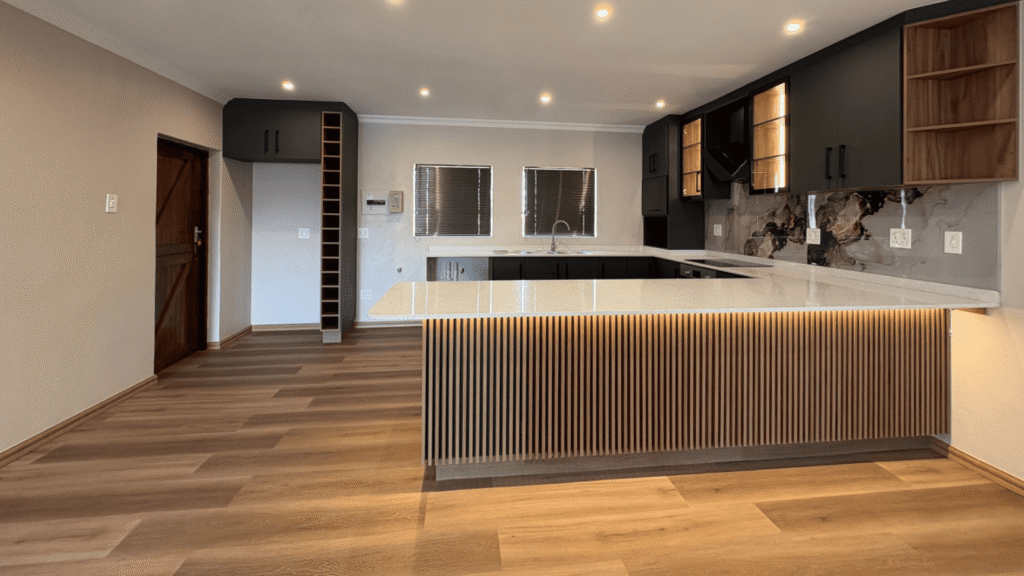
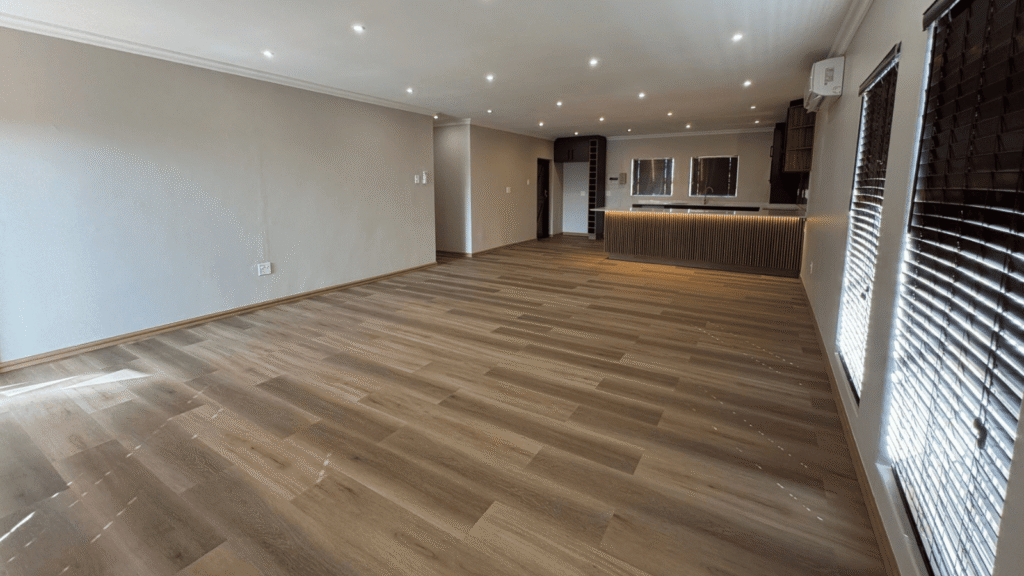
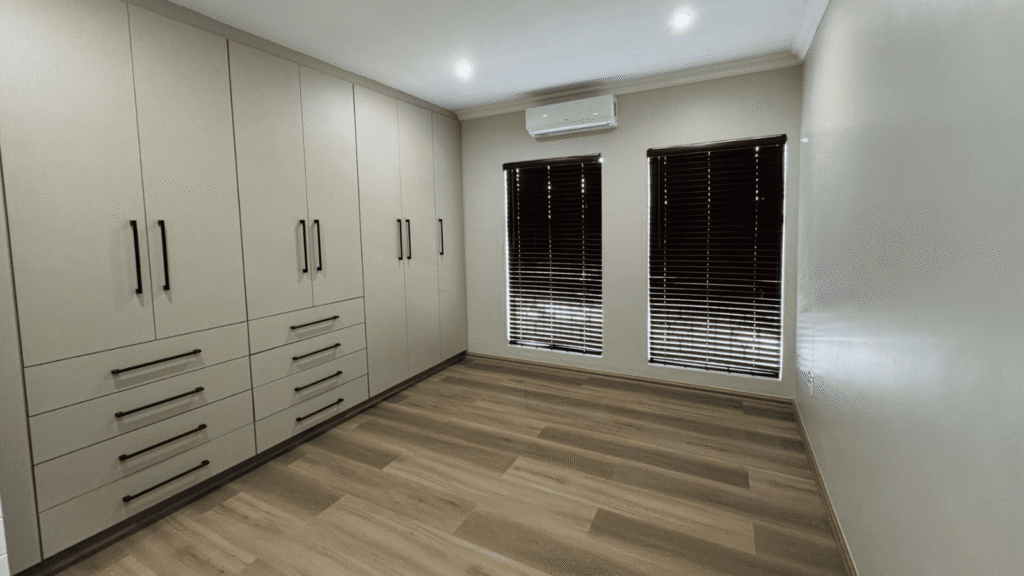
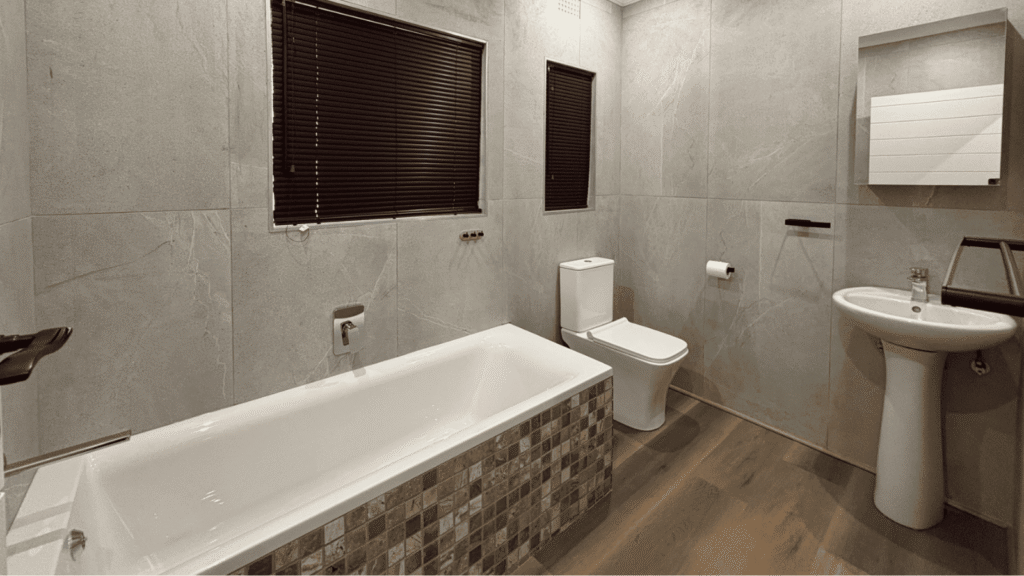
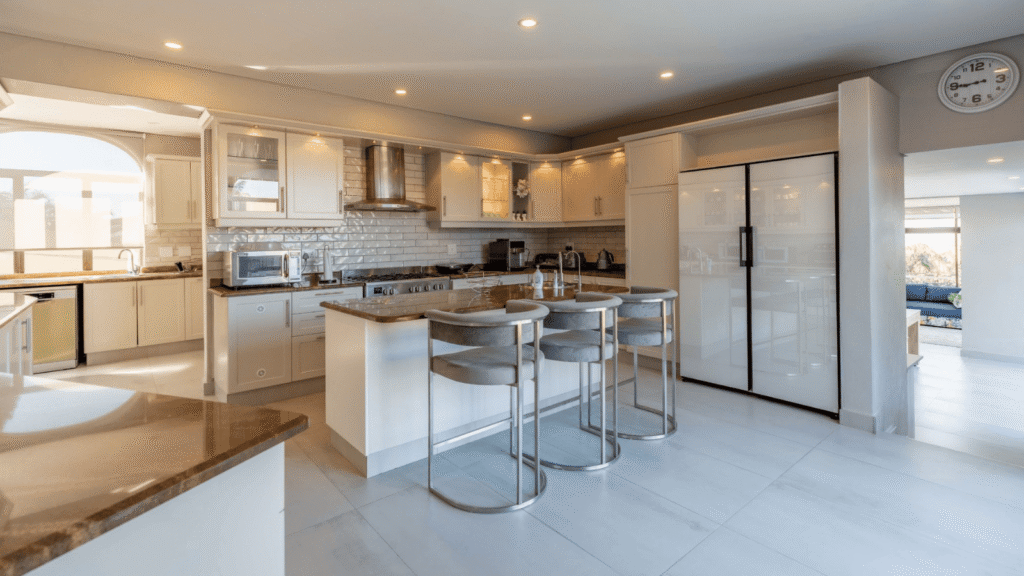
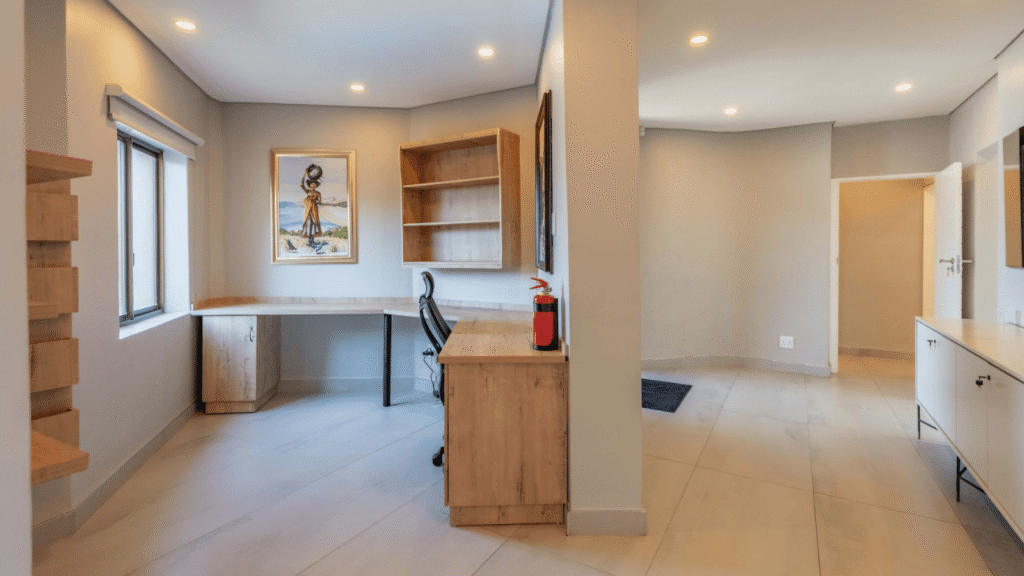
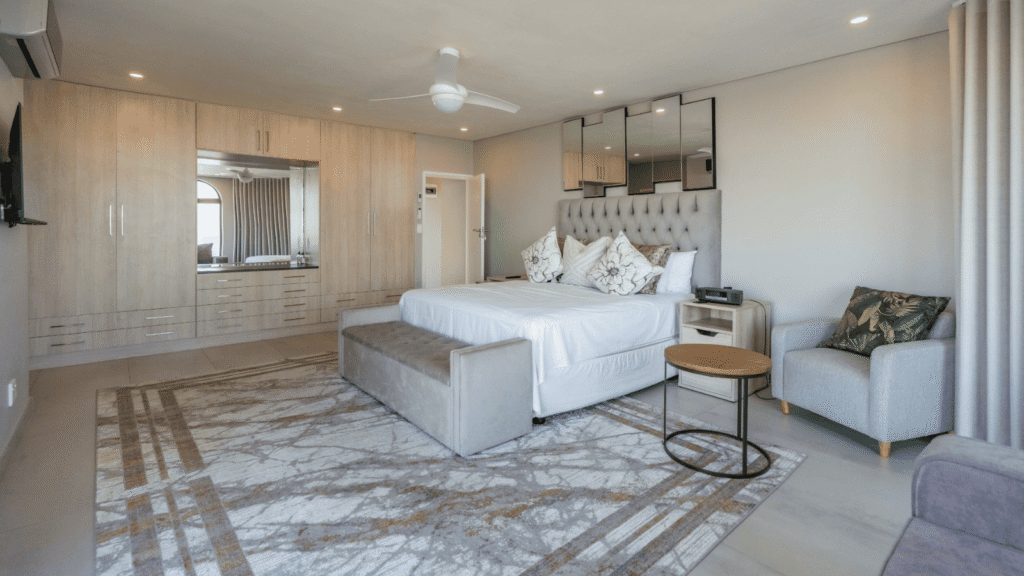
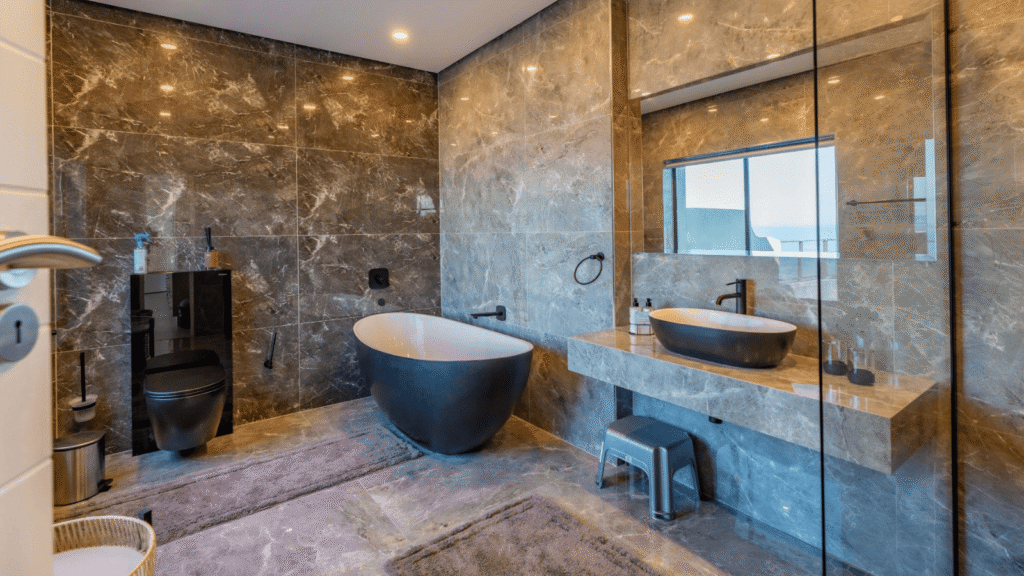
R8,500 per month two-bedroom apartment in Amanzimtoti
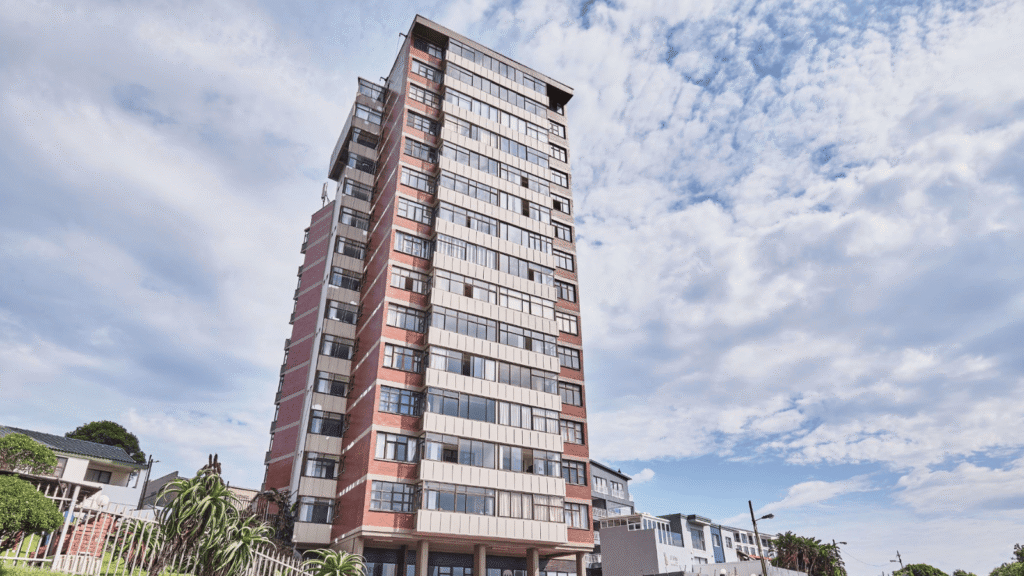
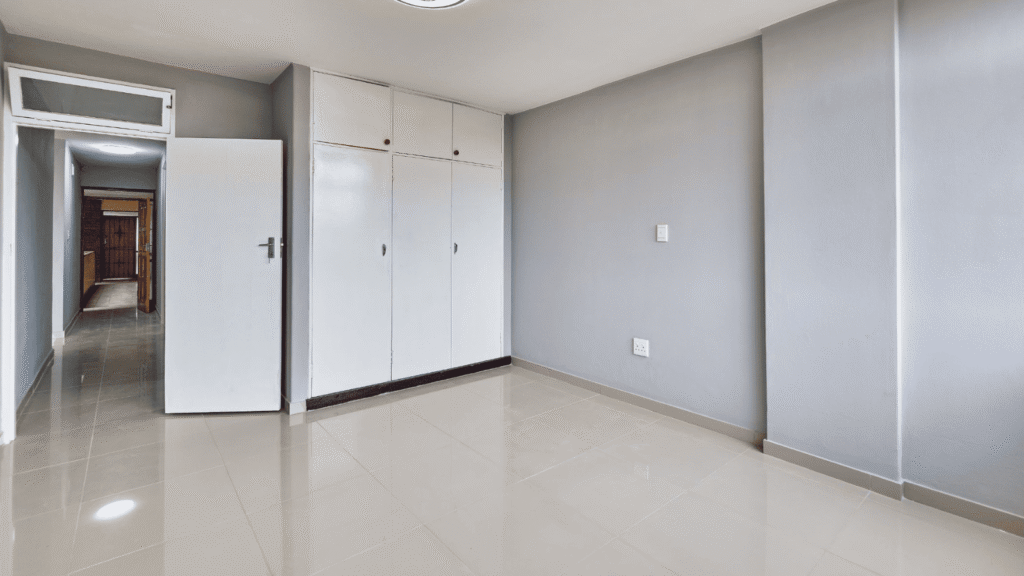
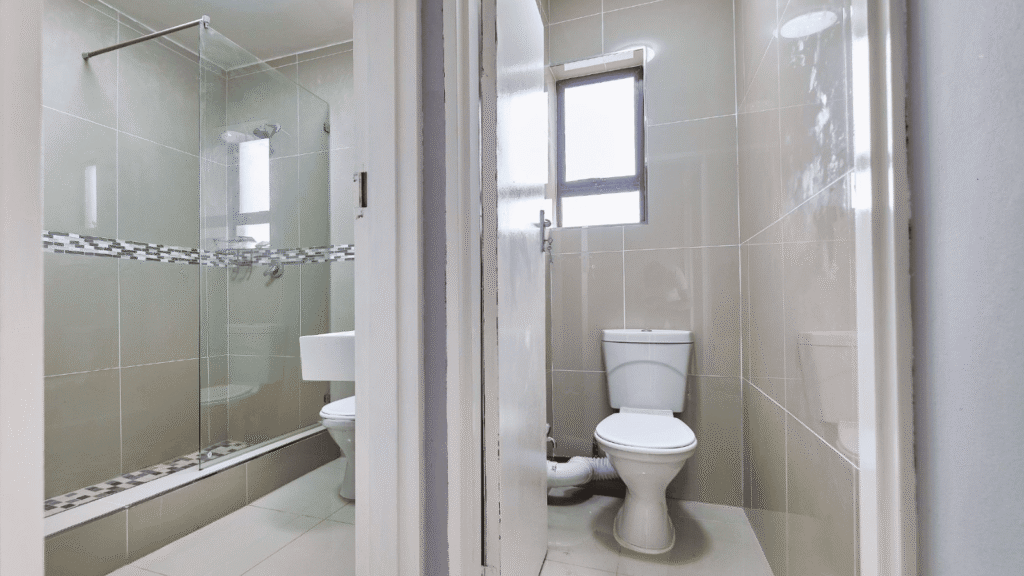
R18,000 per month three-bedroom apartment in Richards Bay
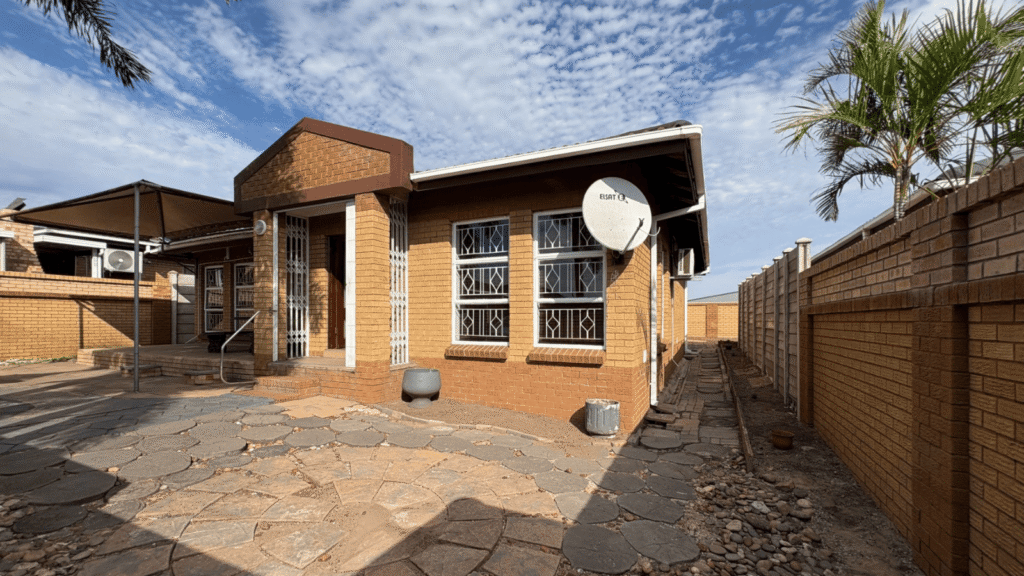
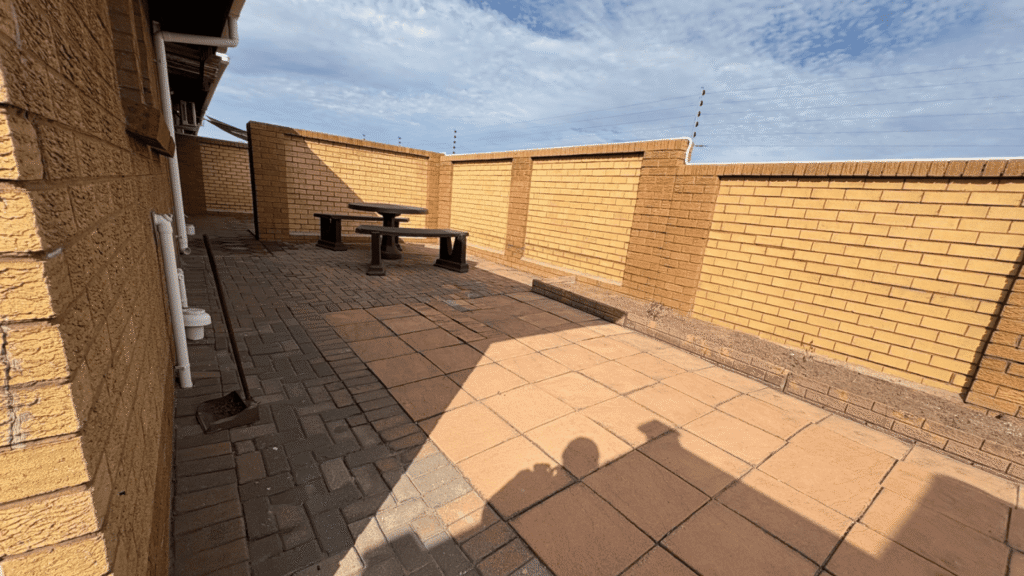
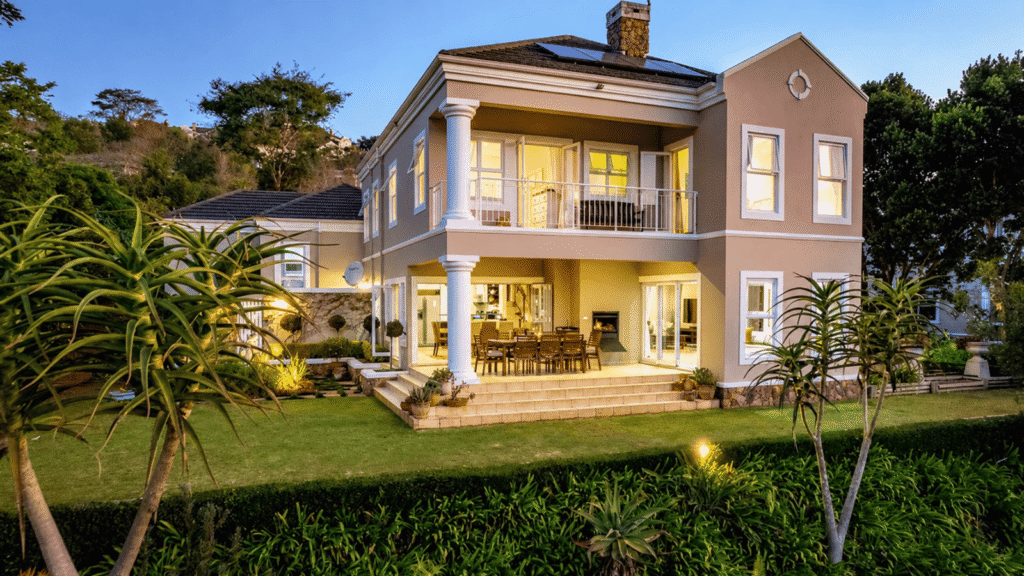
R35,000 per month four-bedroom house in Mount Michael
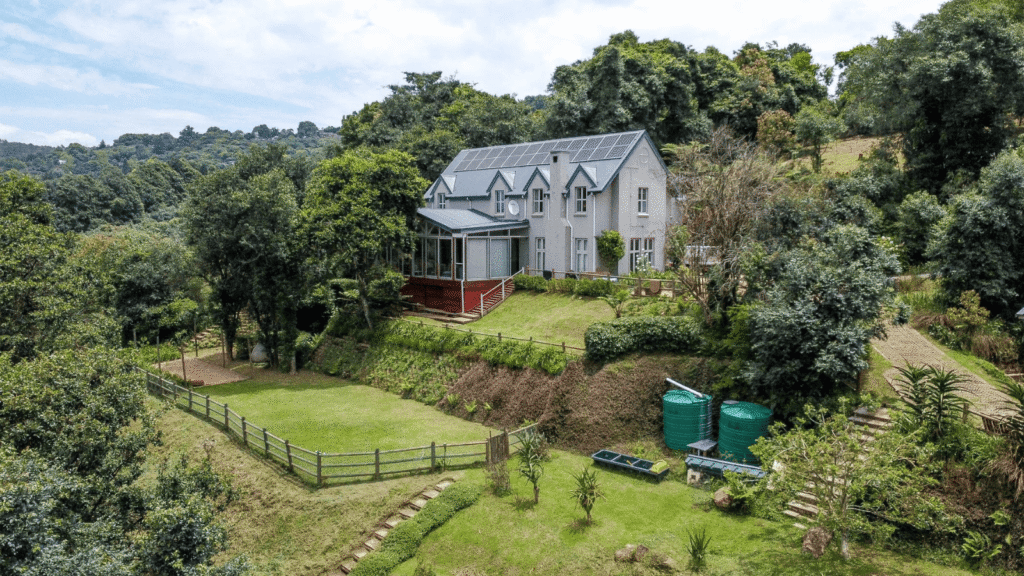
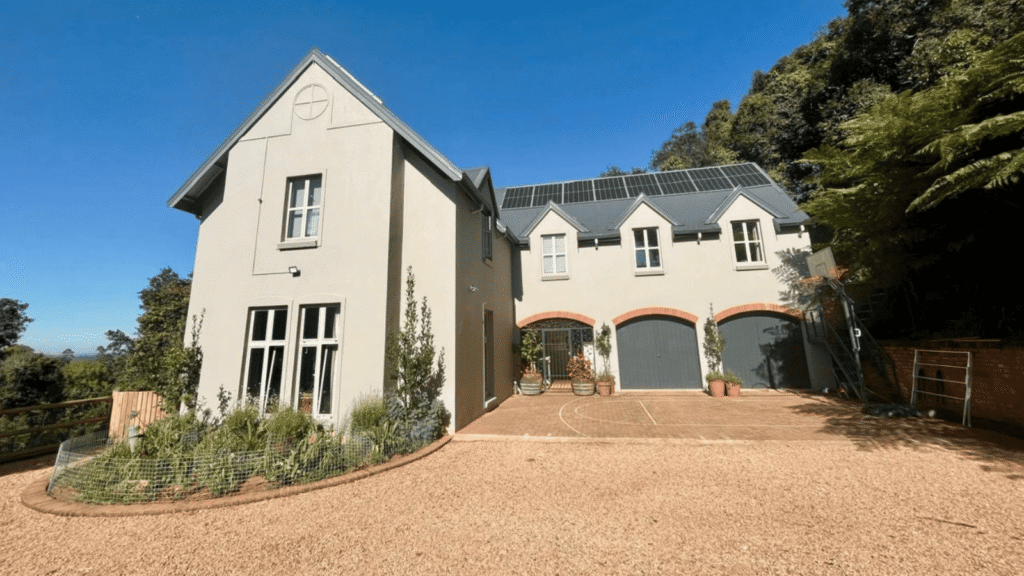
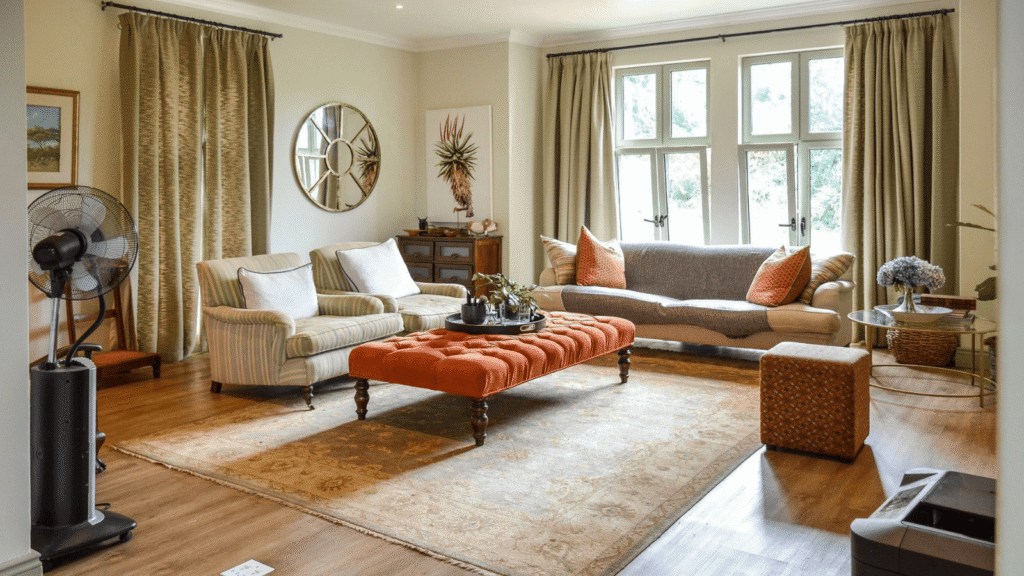
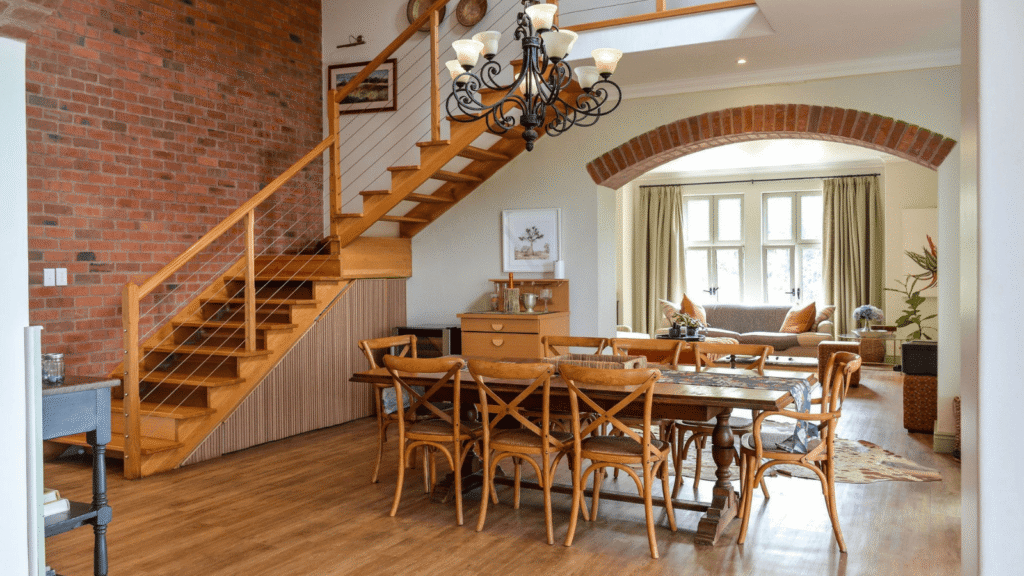
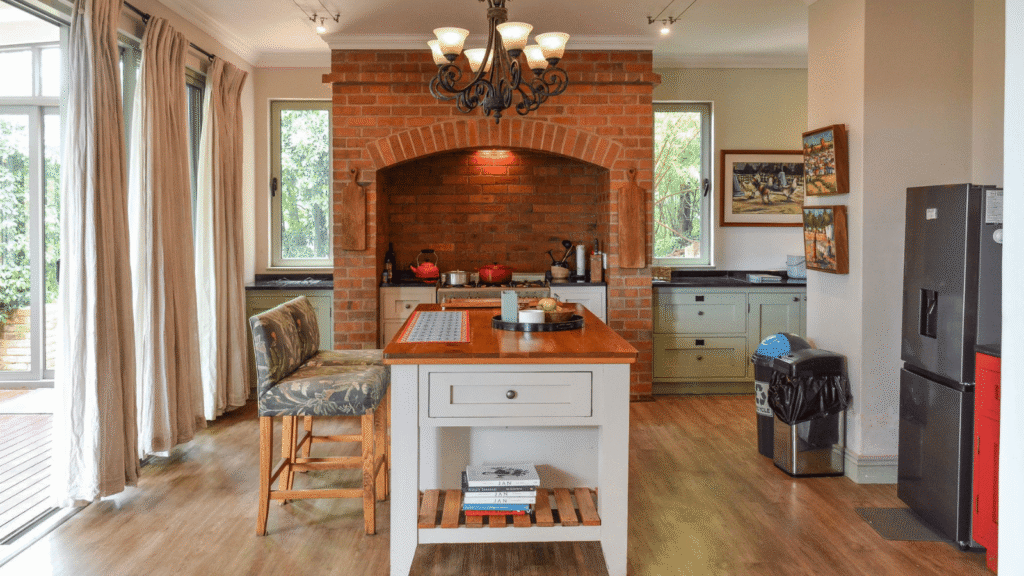
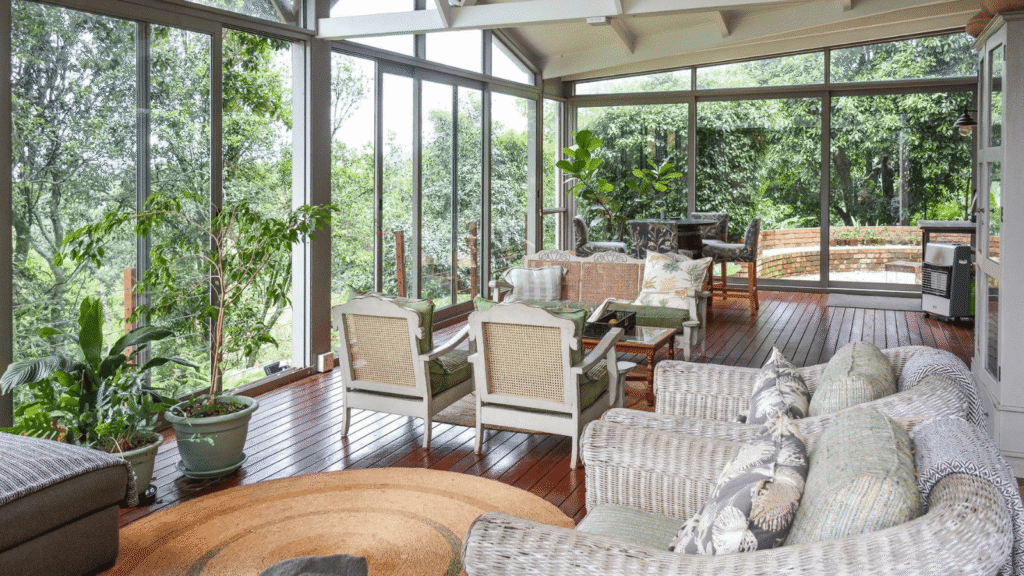
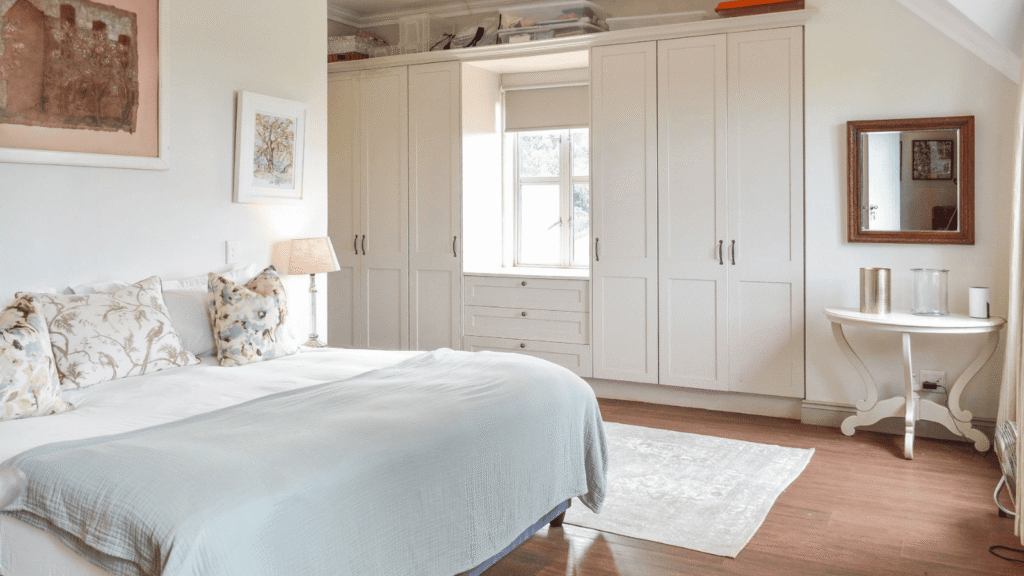
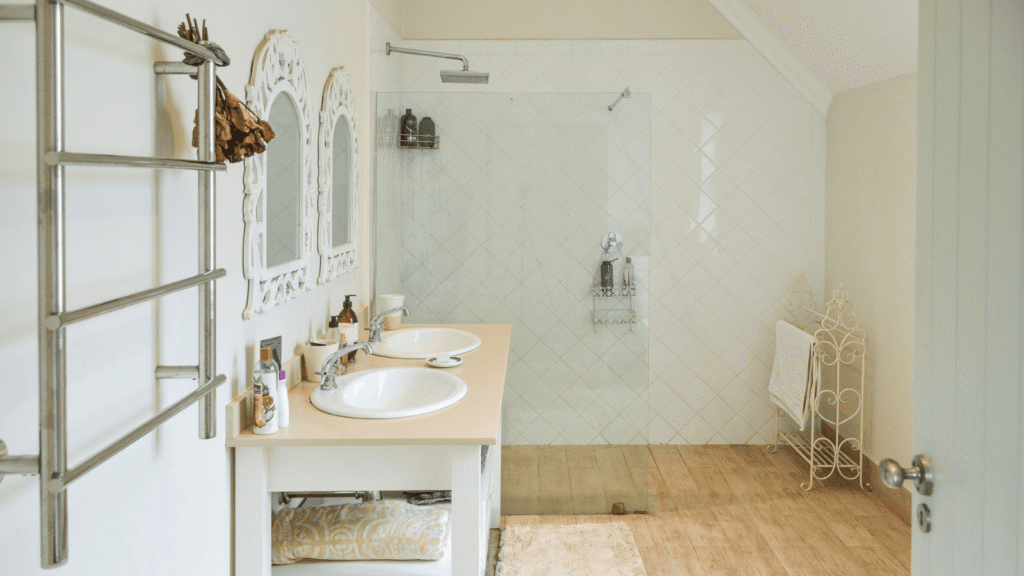
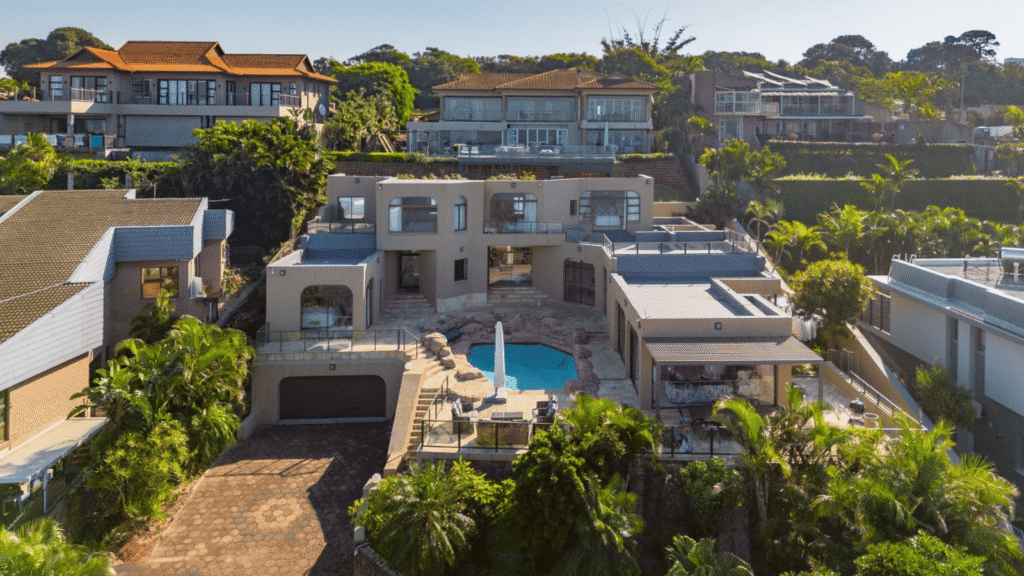
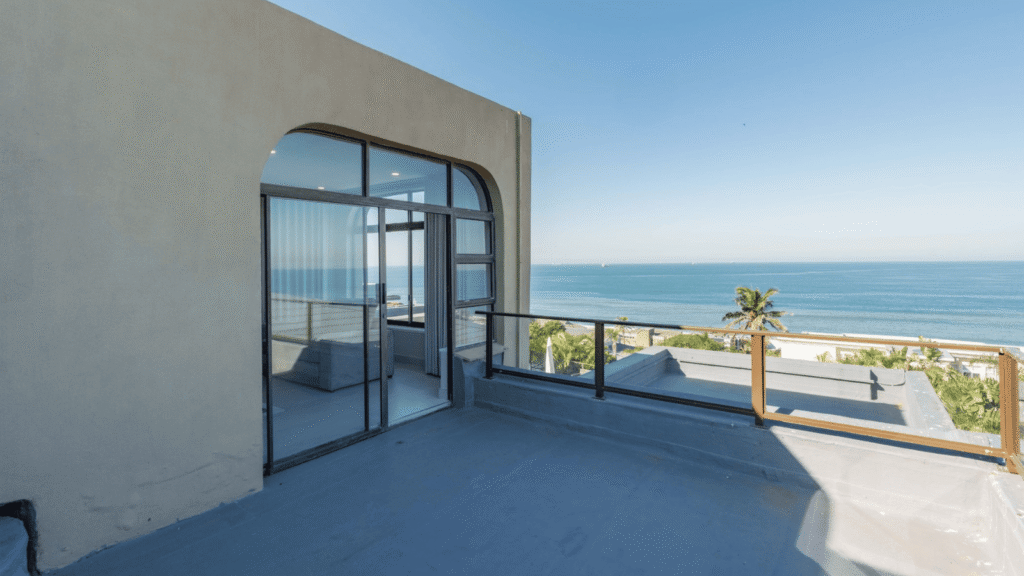
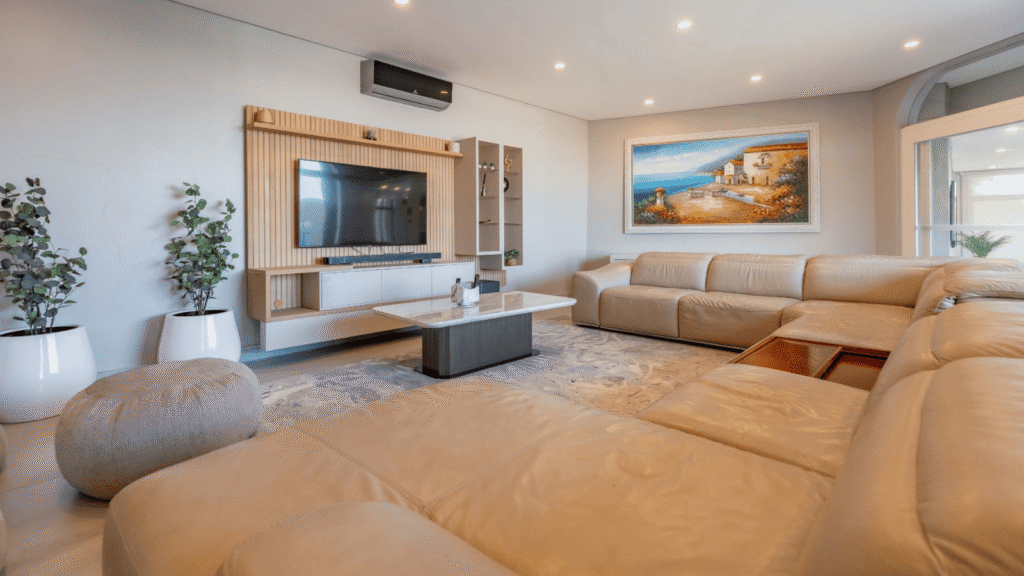
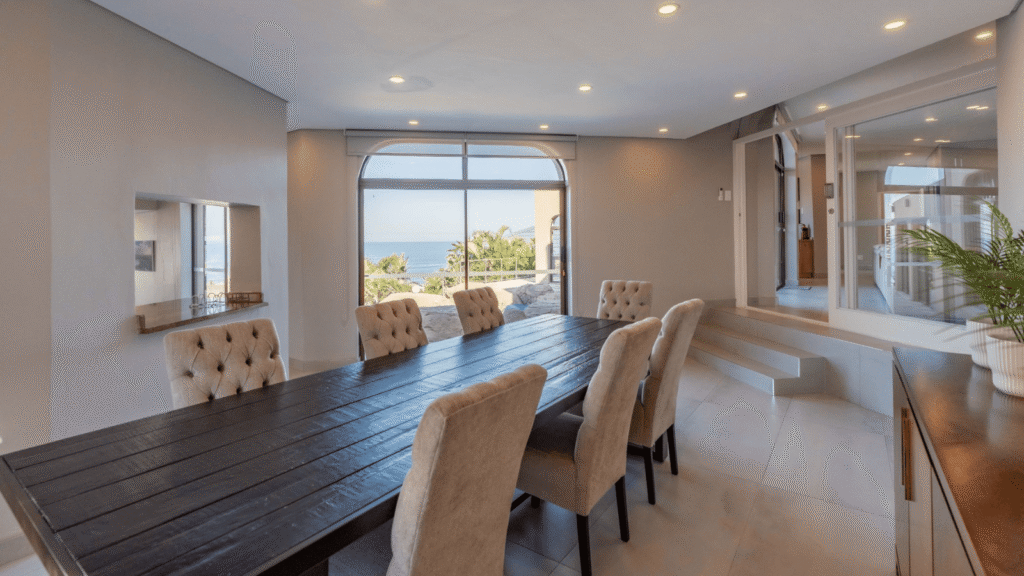
R65,000 per month three-bedroom house in La Lucia






Comments