Inside Old Mutual’s 90-year-old head office that was the tallest building in Africa and has an original banking hall covered in marble


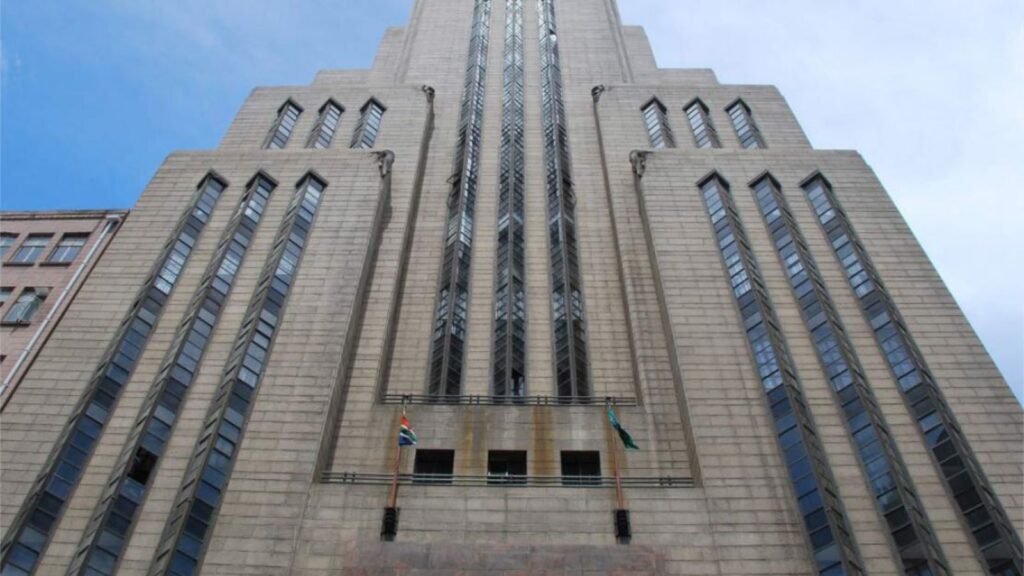
The Mutual Building in central Cape Town was once home to the oldest insurer in Africa, Old Mutual, and when constructed, it was the tallest building on the continent.
Standing on Darling Street today, the building is filled with luxury loft apartments that use the dimensions of the old offices.
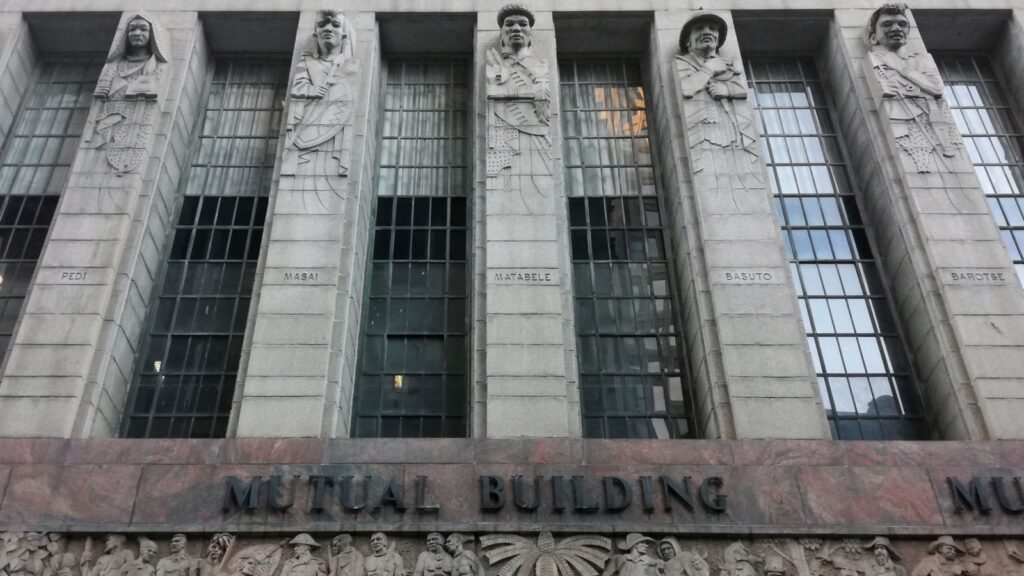
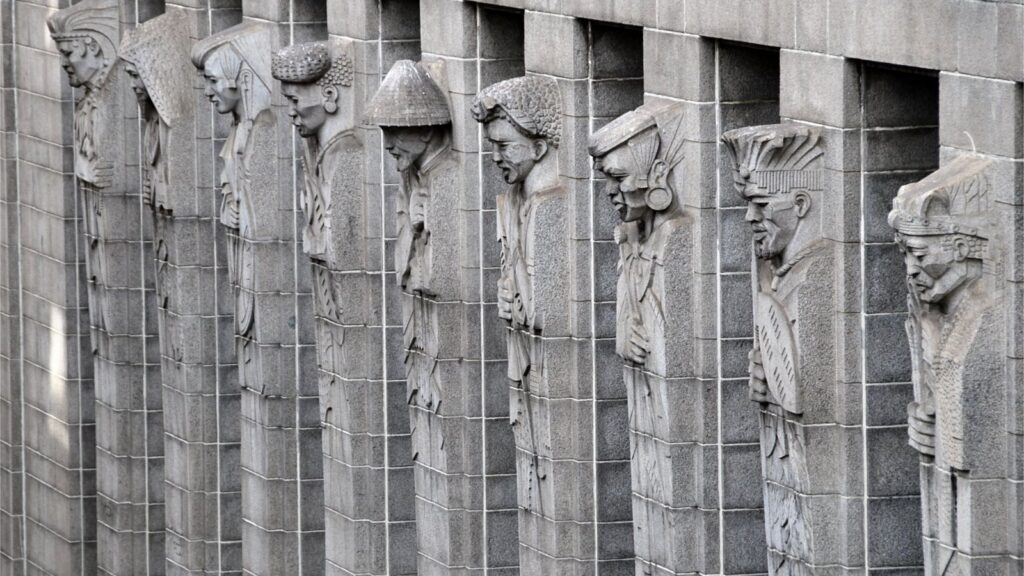
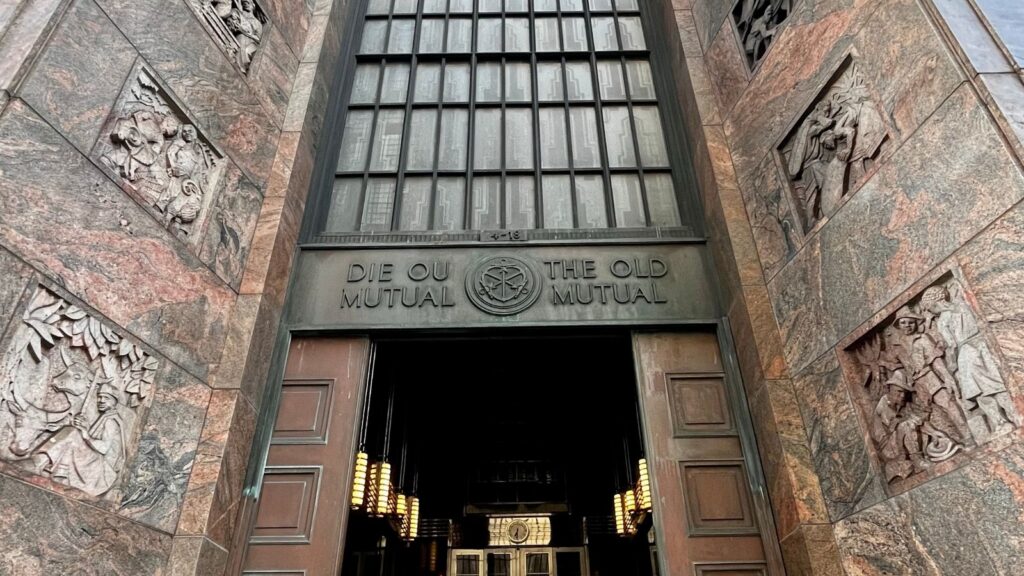
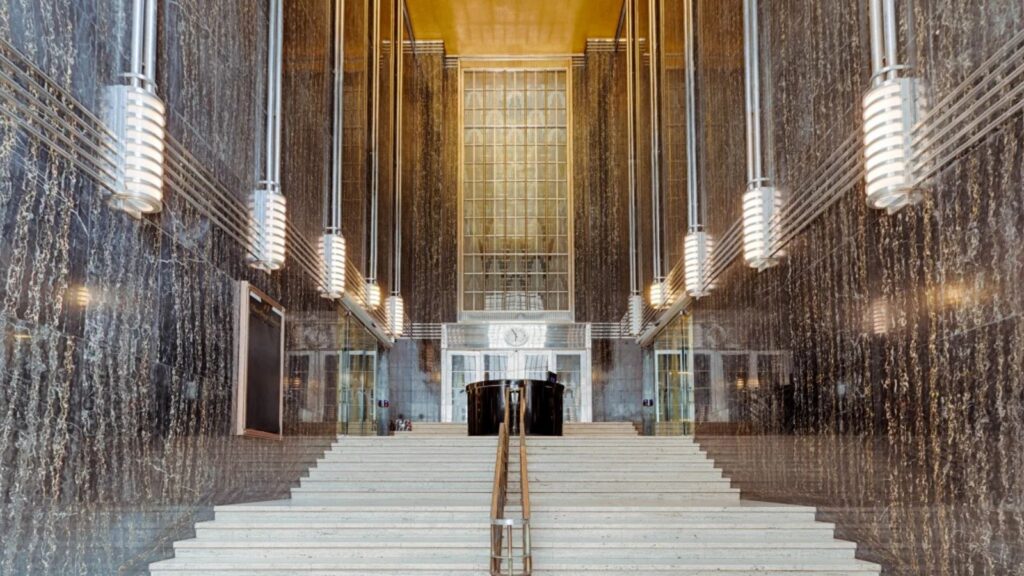
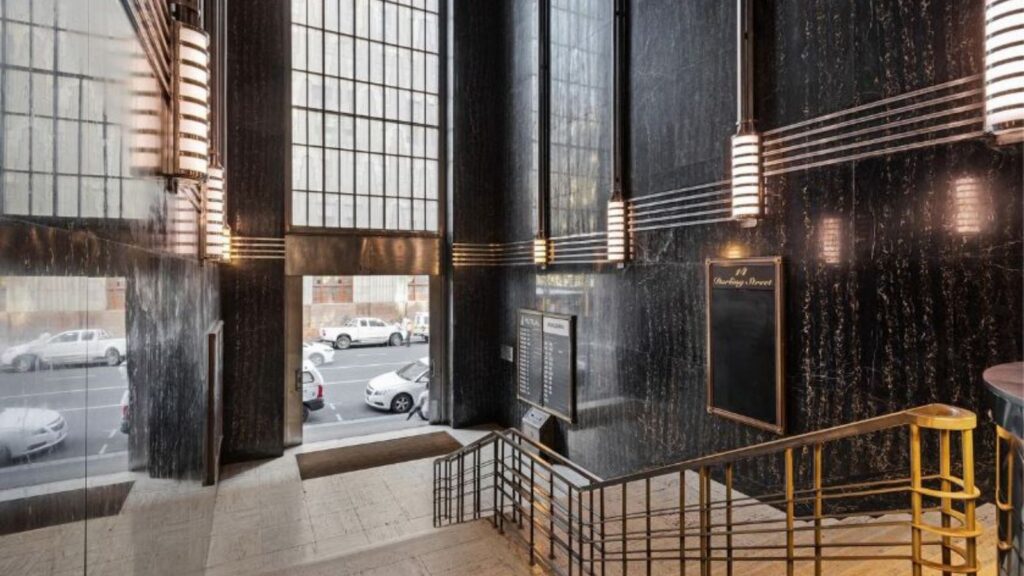
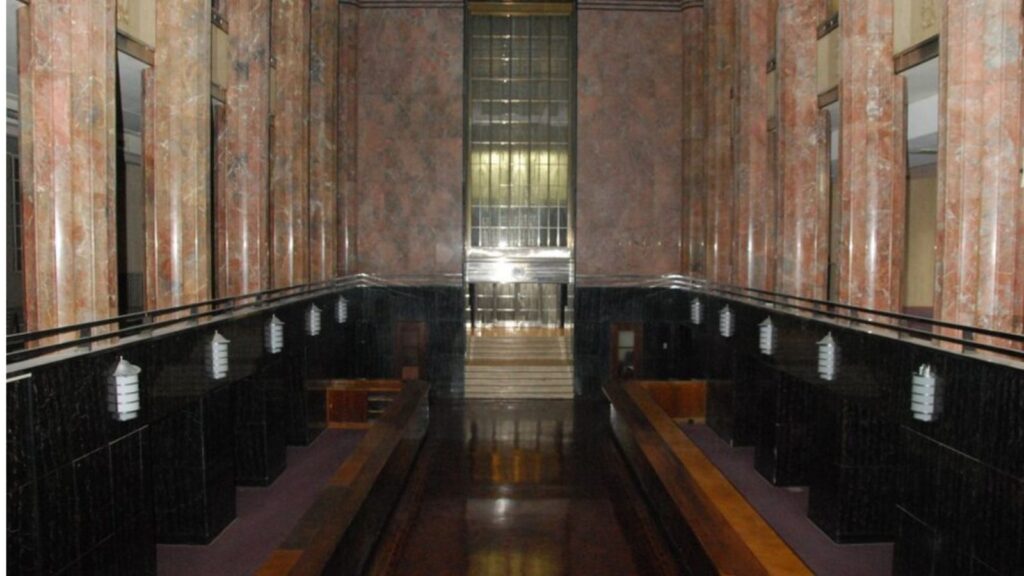
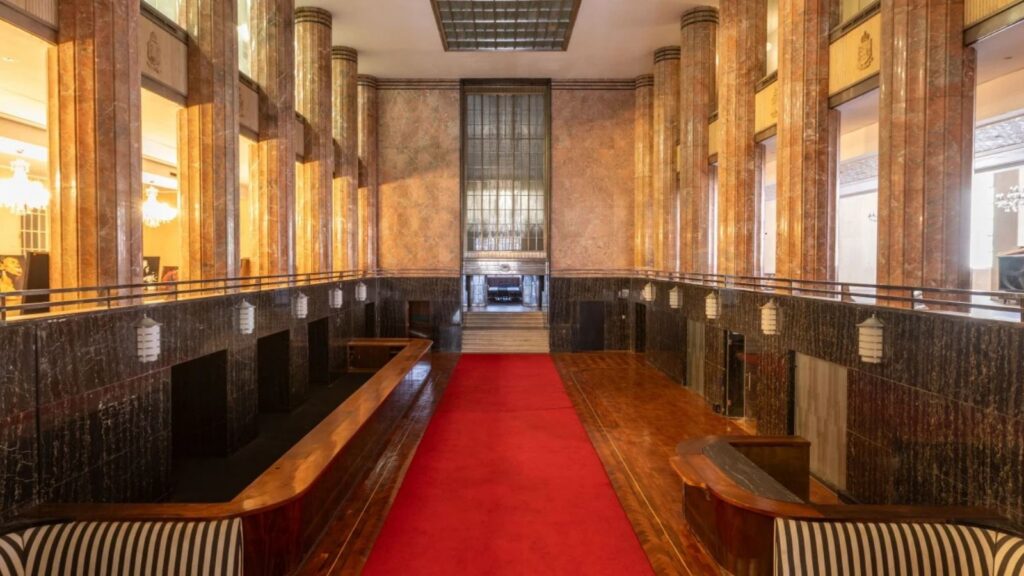
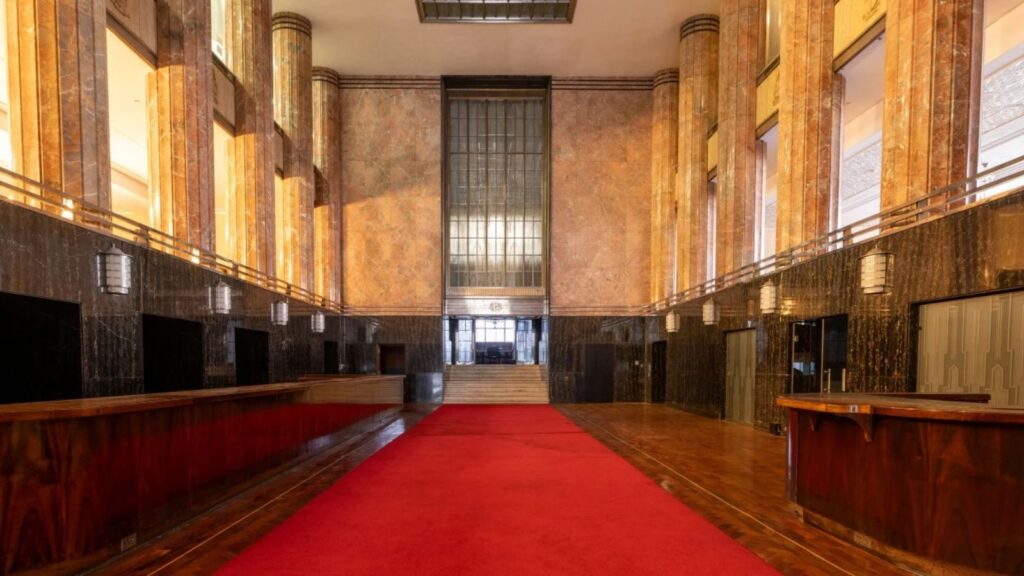
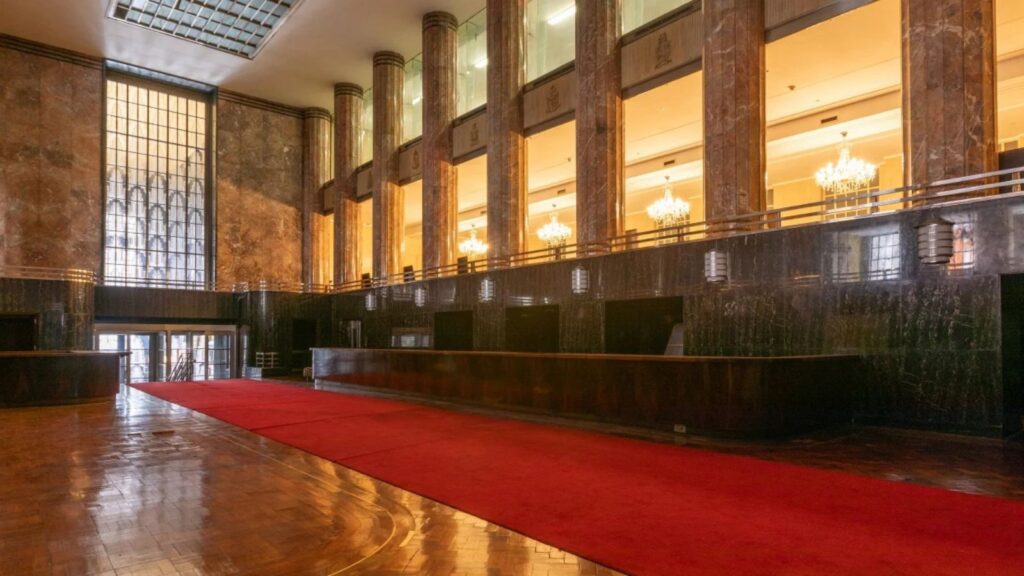
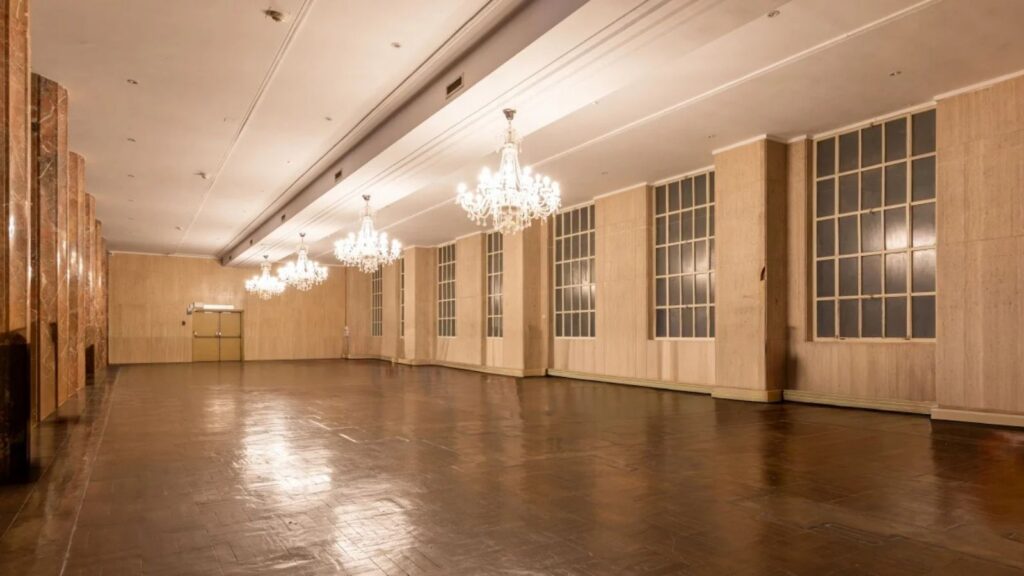
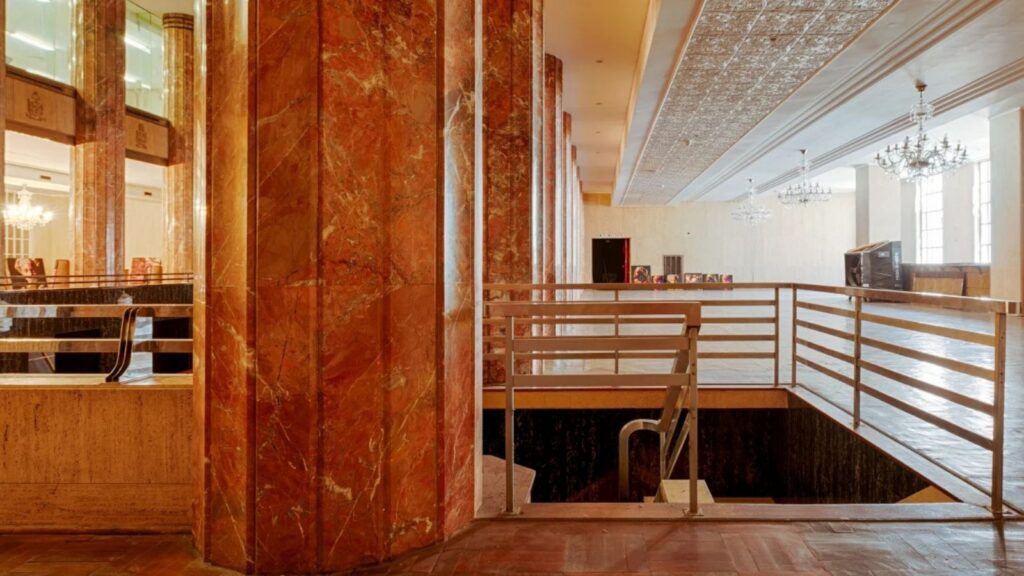
While the building has been renovated several times over the past 90 years, it retains its original banking hall, made of marble, art deco styling, and a frieze that wraps around the exterior.
Built as the headquarters for the South African Mutual Life Assurance Society, now Old Mutual, the insurance giant has long since left for Mutual Park in Pinelands.
Established in 1845 by Scottish emigrant John Fairbarin, Old Mutual is the oldest company of its kind in Africa.
Starting with nothing besides the premiums of its first 166 policyholders, the institution has grown into a financial services giant employing over 27,000 people today.
For such an old company, Old Mutual has been remarkably mobile with regard to its head offices, as it suffers a similar fate to Sanlam.
Born and bred in Cape Town, both of these insurance giants have had stints where their head office has been in South Africa’s traditional finance hub of Johannesburg.
Sanlam today has offices on Alice Lane in Sandton, while Old Mutual has a hulk of a building opposite the Gautrain station.
Moreso than Sanlam, Old Mutual has also moved around Cape Town itself, operating in the foreshore at launch and then on Darling Street.
Now it is based out of Mutual Park in Pinelands, which is almost a mini-city in itself that has the largest solar carport in Africa and is not reliant on the municipality for water.
Current CEO Jurie Strydom is based in Mutual Park, with various divisions being housed in the building and others spread across the Mother City.
However, perhaps the most famous office building in Old Mutual’s history is now an apartment block in the centre of Cape Town.
Mutual Building, despite its cost and scale, was the insurer’s head office for just over 20 years before everyone moved out to Mutual Park.
Mutual Building
Built in the 1930s, the Mutual Building reflects the optimism of the era of Art Deco and was the tallest building in Africa at the time of its completion, apart from the pyramids.
Nearing its centenary, Old Mutual desperately needed a new office to consolidate its sprawling business operations in the Cape.
The South African economy was booming as it industrialised, and Old Mutual reaped the rewards. It demanded an imposing head office.
Its management team instructed the architect Wynand Hendrik Louw to build the tallest building in South Africa and, if possible, in all of Africa.
The building was not only meant to be tall, but it was also intended to evoke opulence and wealth. It would have the fastest lifts and the largest windows in South Africa.
Meant to project Old Mutual as a business and its staying power, Louw was tasked with conveying “Strength, Security, and Confidence in the Future” in his design.
For inspiration, Louw looked to the home of the skyscraper, New York, and decided to build an Art Deco-inspired giant set in stone.
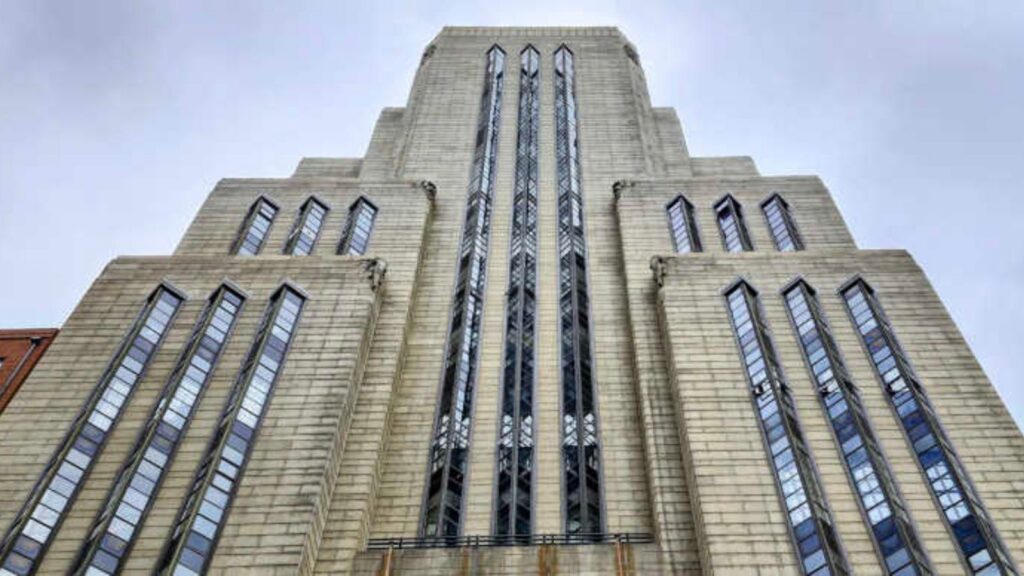
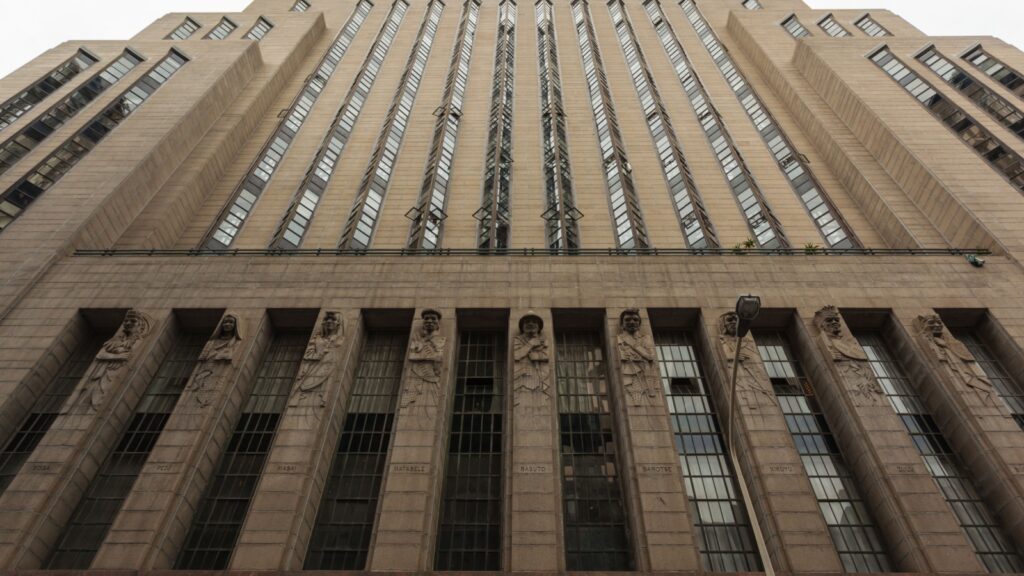
Upon completion, the tower was seen as a building that had been transported from Manhattan to Cape Town, with the familiar layer-cake style reaching 91 metres into the air.
On the outside, the building is rather plain, designed to convey strength and Old Mutual’s staying power in Africa.
The exterior has a huge wraparound frieze, built by Italian masons, that tells the story of South Africa from the landing of Jan van Riebeeck at the Cape.
However, on the interior, Louw made the building luxurious in the neoclassical style. Decked with marble, the banking hall reinforced the idea of longevity but added the allure of wealth.
Louw also used gold leaf liberally on the interior in the fashion of the Rockefeller Centre in New York to draw attention to specific details.
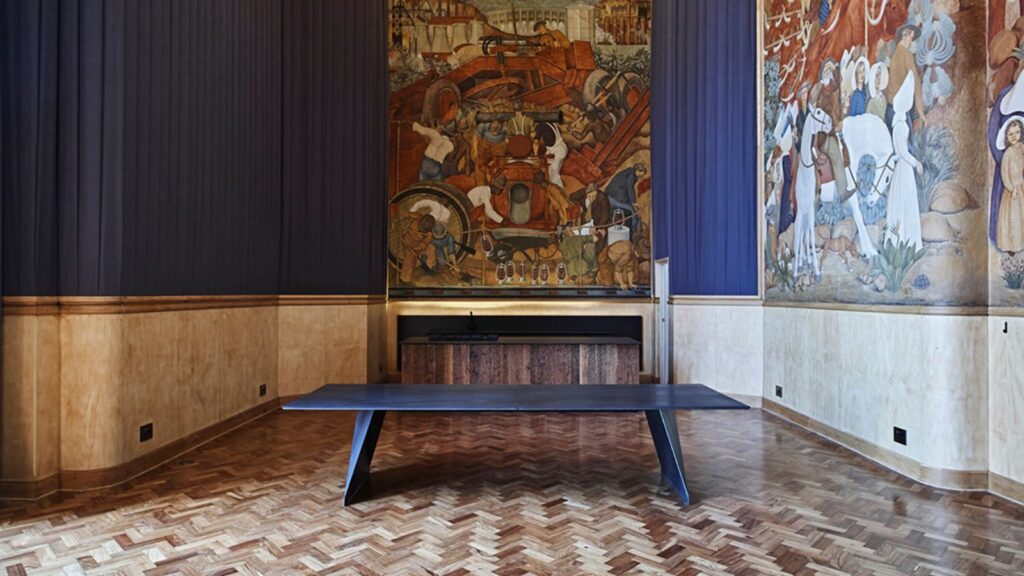
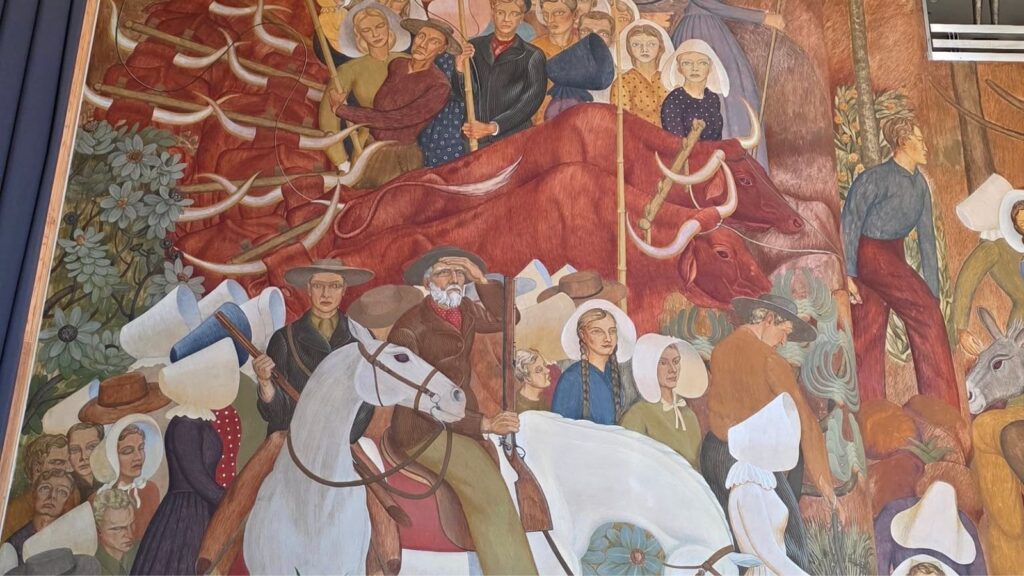
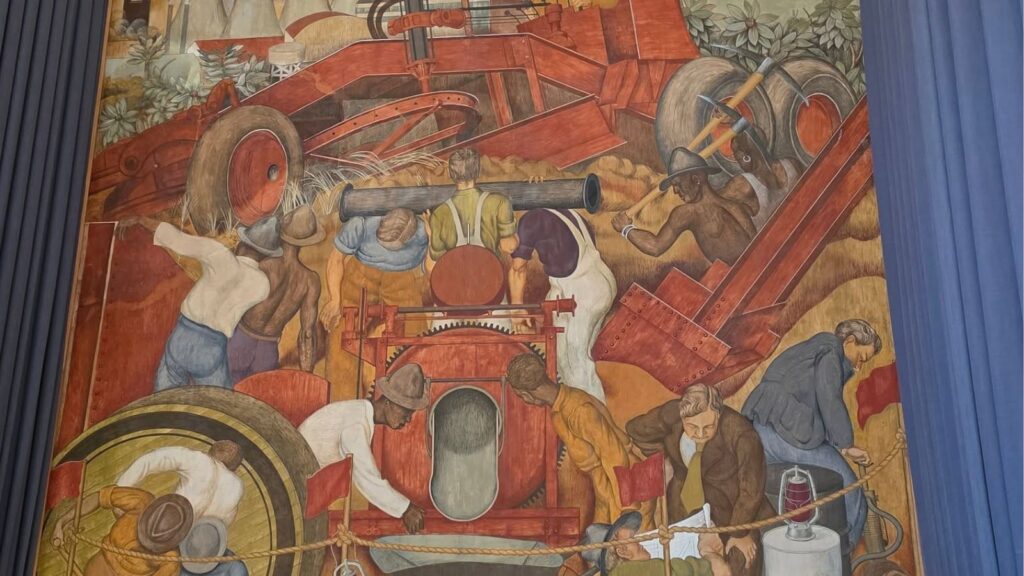
The building houses the Fresco Room, which has two murals completed in 1942 to tell the story of Old Mutual as a positive force in industry.
The passenger lifts mimic this, with each having an engraving on the door to illustrate industry, science, and knowledge.
Despite no expense being spared, Old Mutual vacated the building in the 1960s as it moved to Mutual Park in Pinelands, where it expanded further.
The building became redundant, and there were plans to demolish it. Louis Karol Associates converted the building in 2004/5 into 180 sectional title apartments.
The original banking hall, the frescos, elevator doors, and exterior were all kept. Only the office space was converted into apartments.
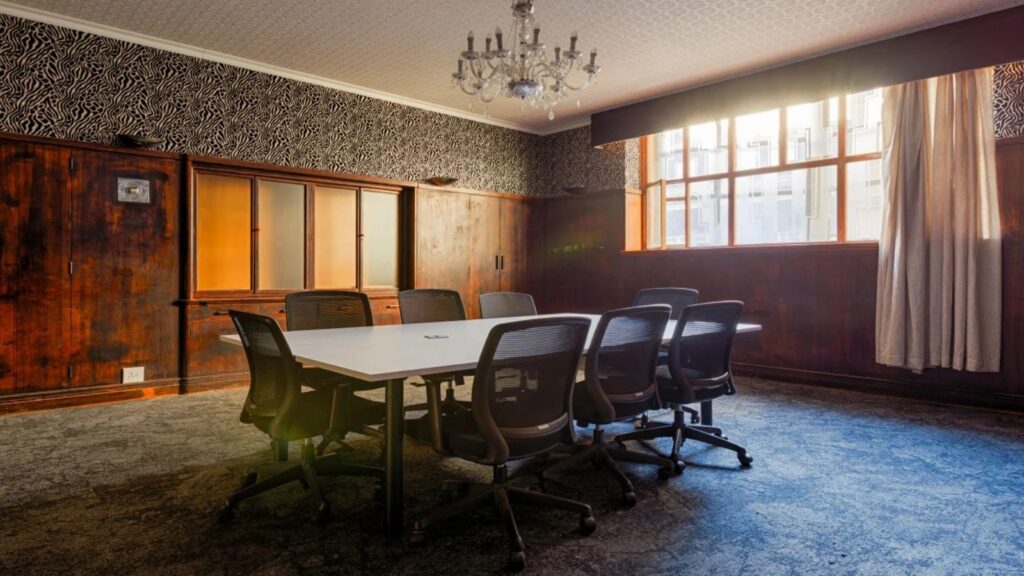
Images of Mutual Heights
 Loading ...





Comments