The small South African town where a family-owned business makes milk for Shoprite, Checkers, and Pick n Pay


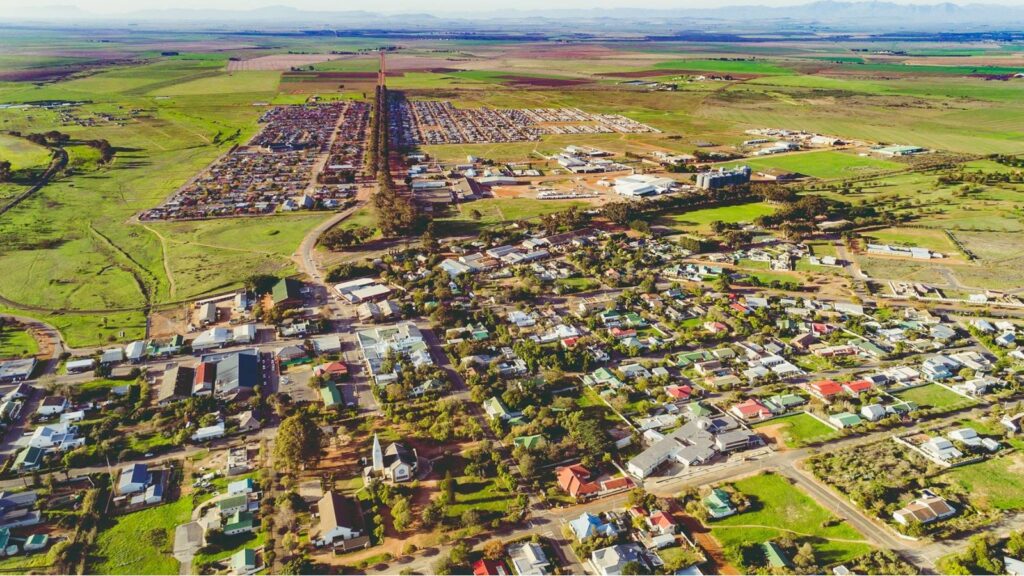
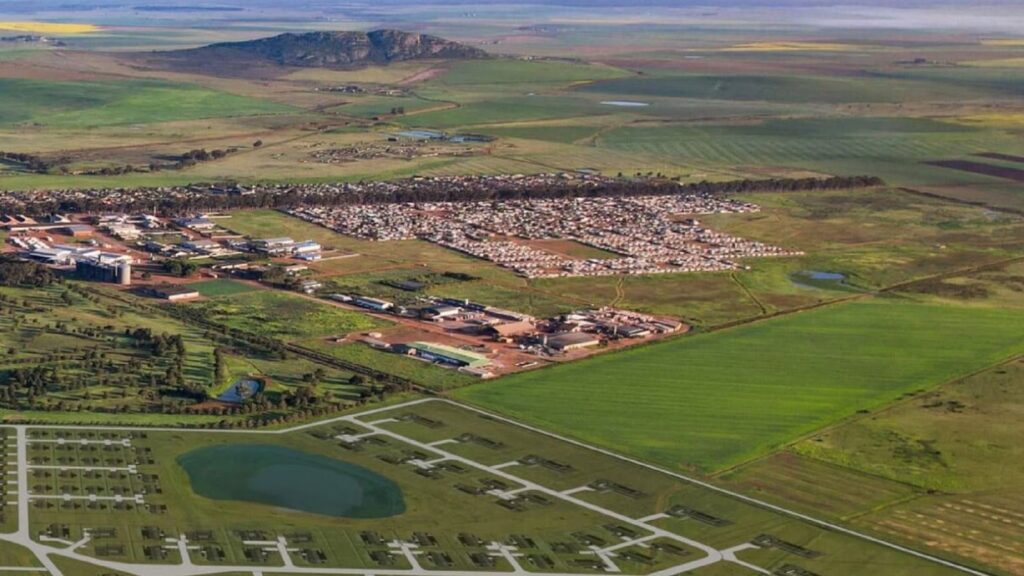
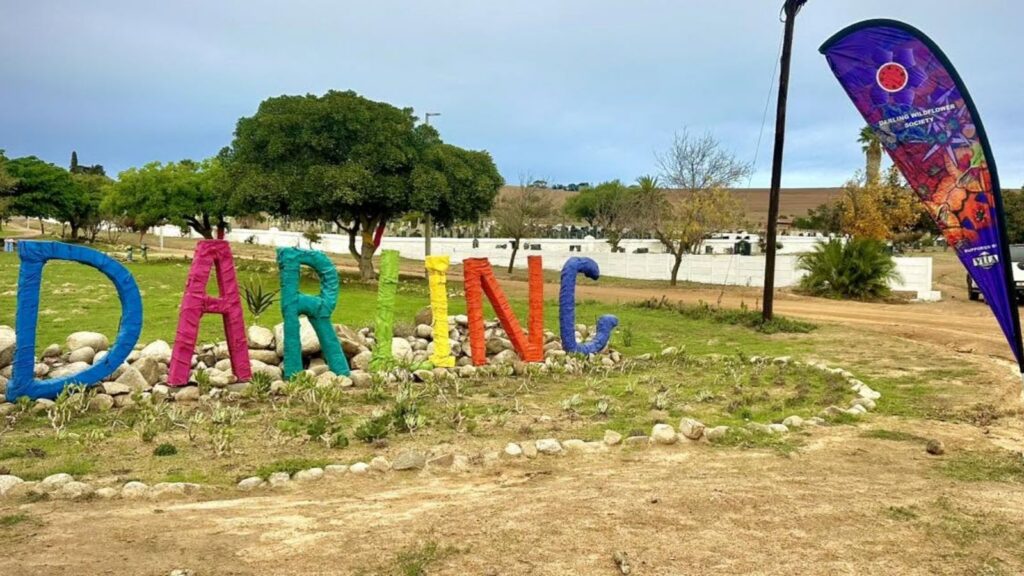
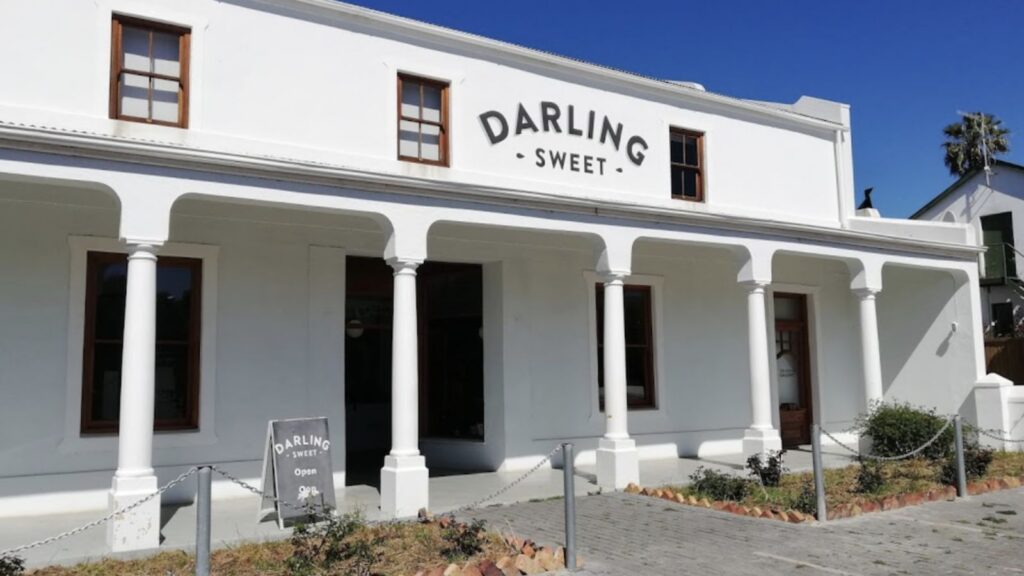
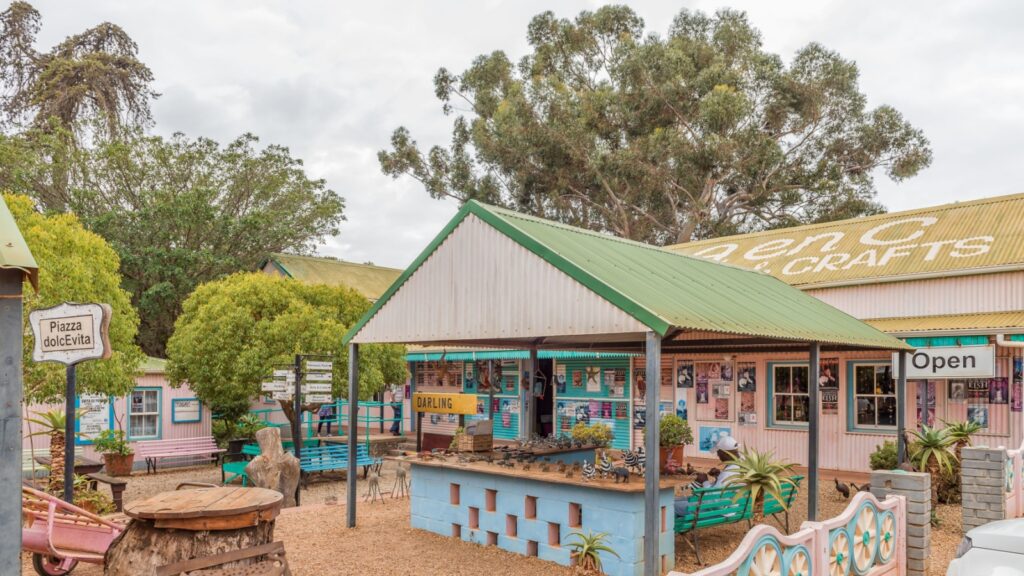
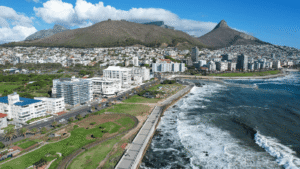
The small town of Darling in the Western Cape is known for its artisanal food, craft beer, and rich arts scene.
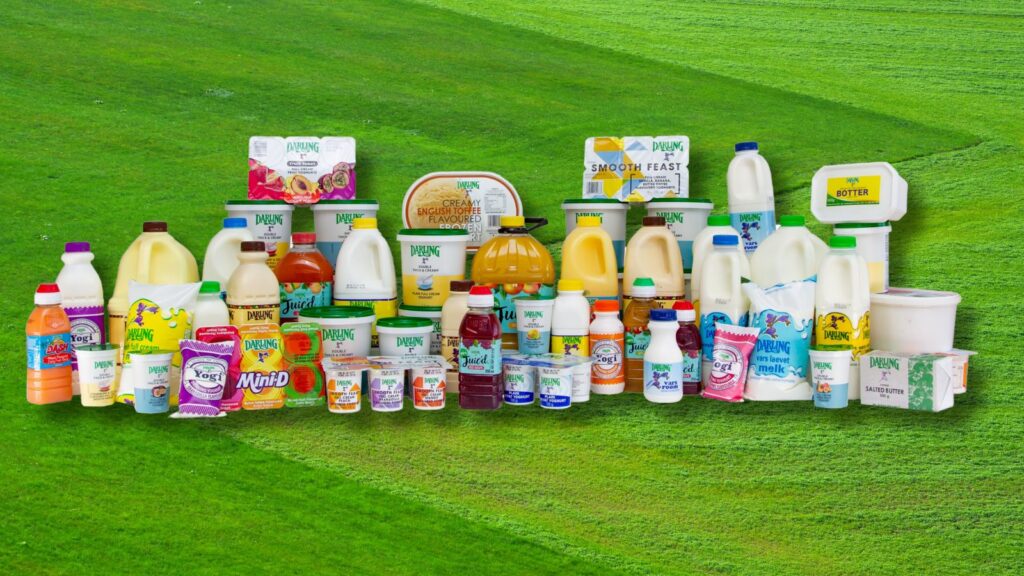
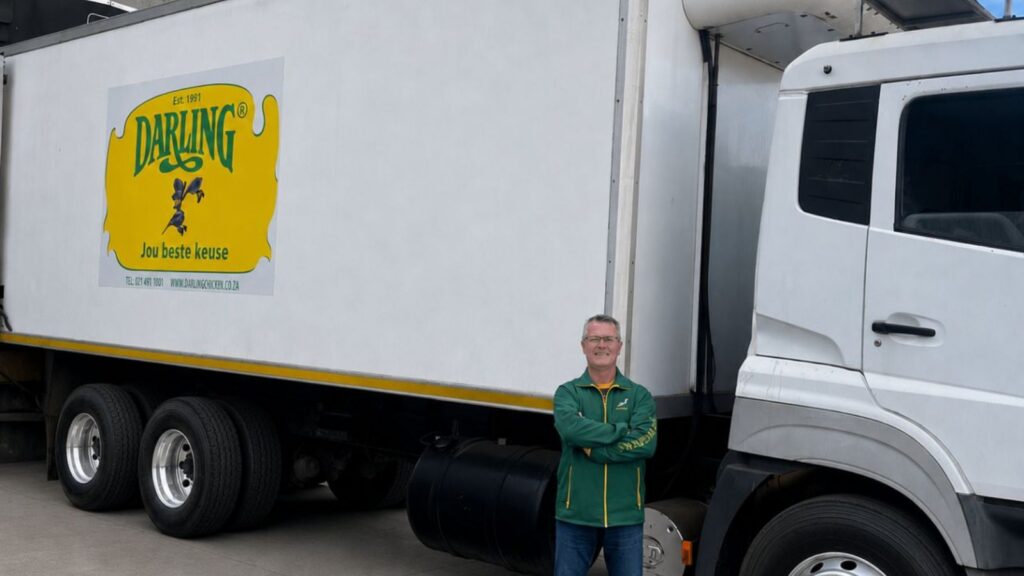
It is also home to a family-owned dairy company, Darling Romery, which produces fresh milk, amasi, yoghurt, cream, and buttermilk for major retailers like Checkers and Pick n Pay.
The town of Darling is affectionately called the ‘flower of the West Coast’, thanks to its natural beauty and small-town charm.
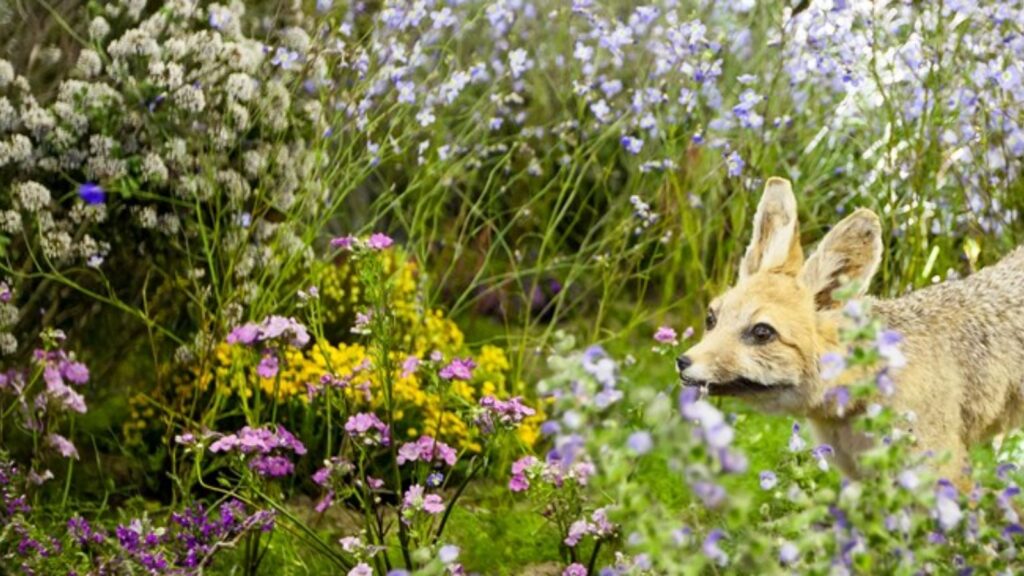
It is also because of the town’s renowned wildflower displays, which transform Darling’s landscape every spring.
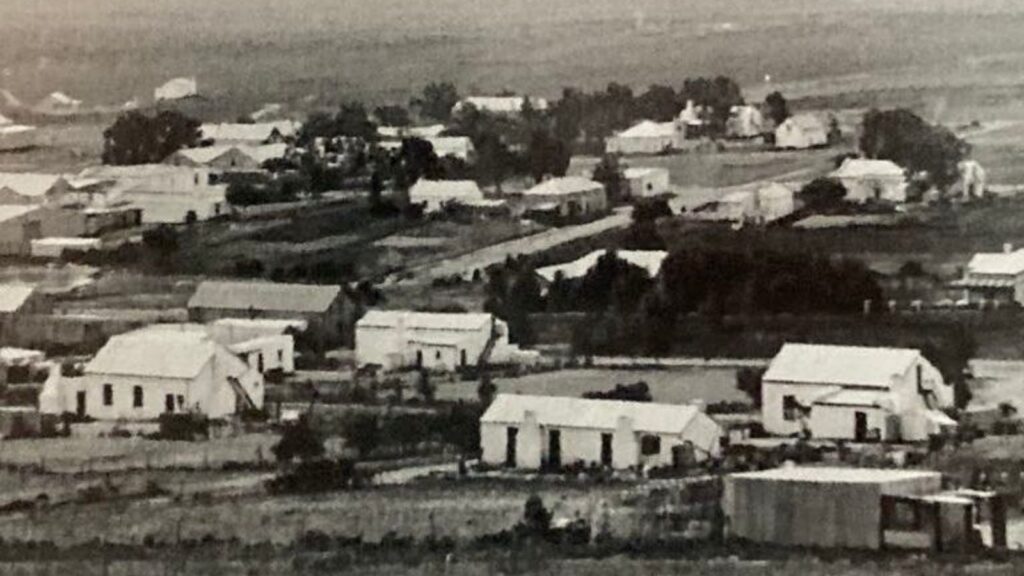
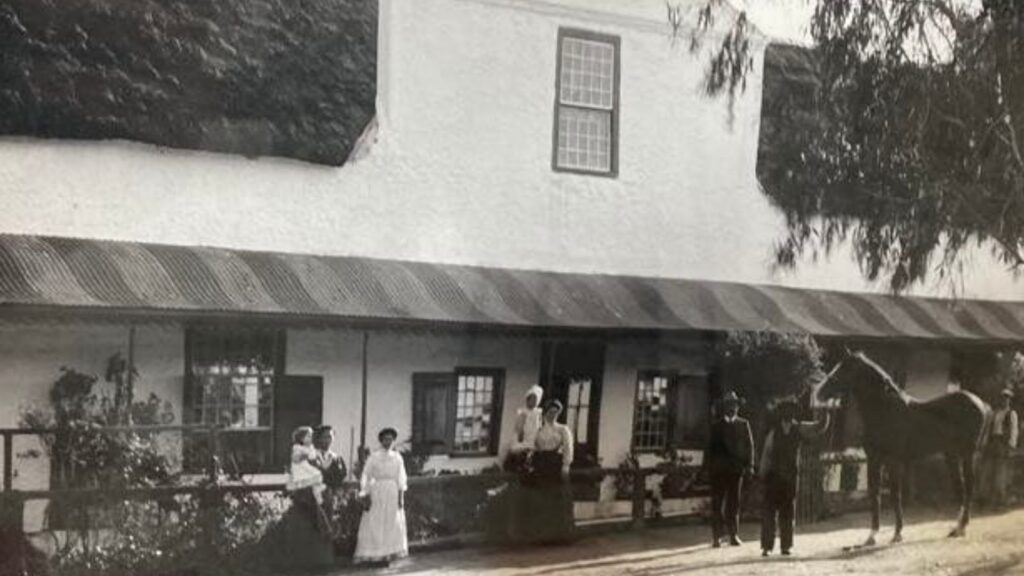
The town was founded in 1853, after 29 farmers moved to an area called Groenkloof in the 18th century. One of the farms in Groenkloof became Darling, named after Sir Charles Henry Darling.
Charles had come to the Cape C in 1851 to serve as Lieutenant Governor, and would later go on to become the governor and captain-chief of Jamaica.
Today, Darling is located 75 km from Cape Town, and is known predominantly for its wildflowers, which rose to fame in 1917.
That year, the Darling Wildflower show debuted, under the leadership of Suzanne Malan and Frederick Duckitt of Waylands.
The first show was a flower arranging competition where prizes were given in the various classes, and garden flowers were also exhibited.
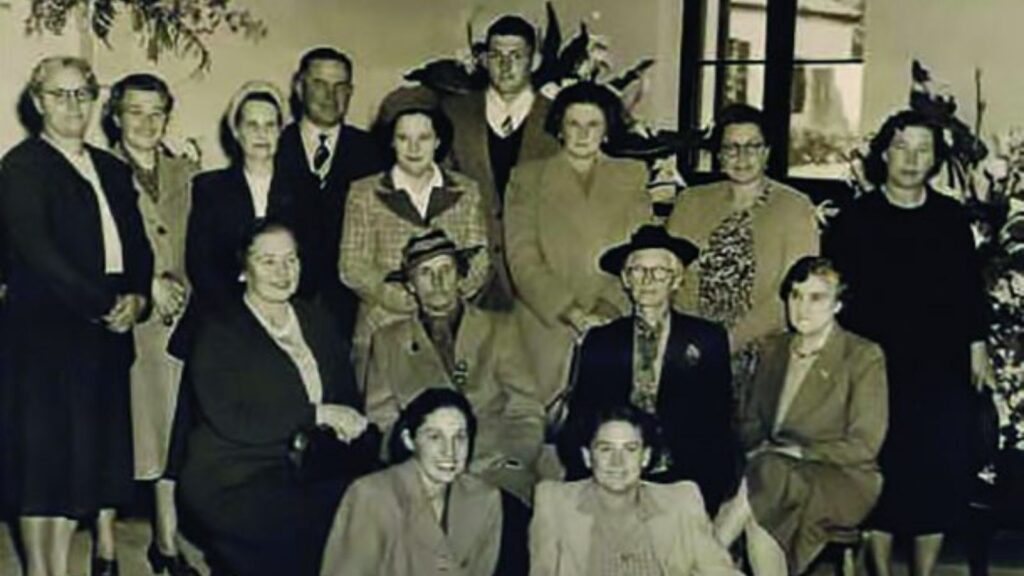
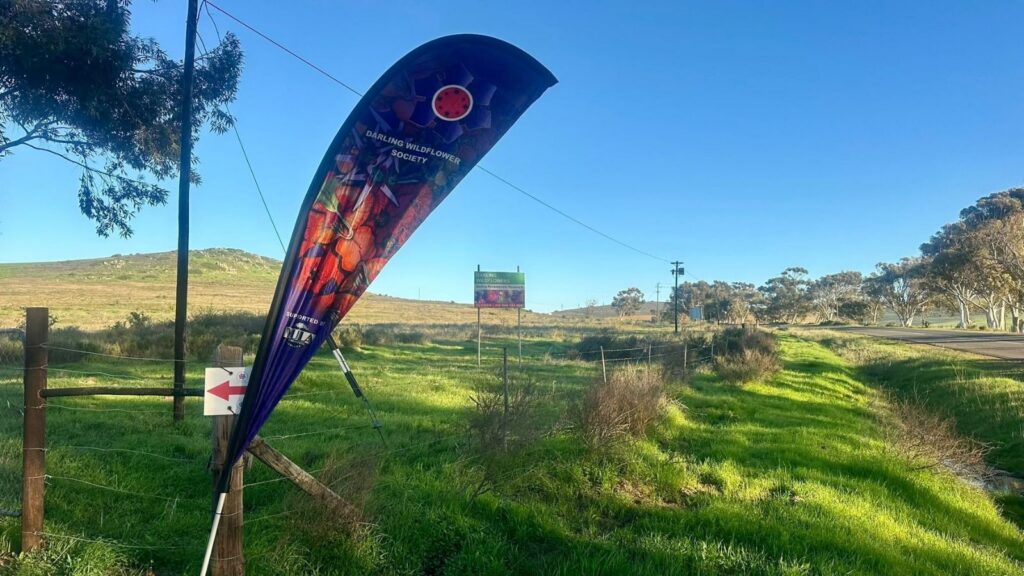
To this day, this show is held every year and hosted by the Darling Wildflower Society, which was founded by Malan and Duckitt in 1915.
Malan was the wife of a local pastor in Darling, while Duckitt was the owner of Waylands. They decided to establish the Darling Wildflower Society as a way to share the town’s natural beauty with others.
The society has since evolved into a not-for-profit organisation, and all members who run it are volunteers.
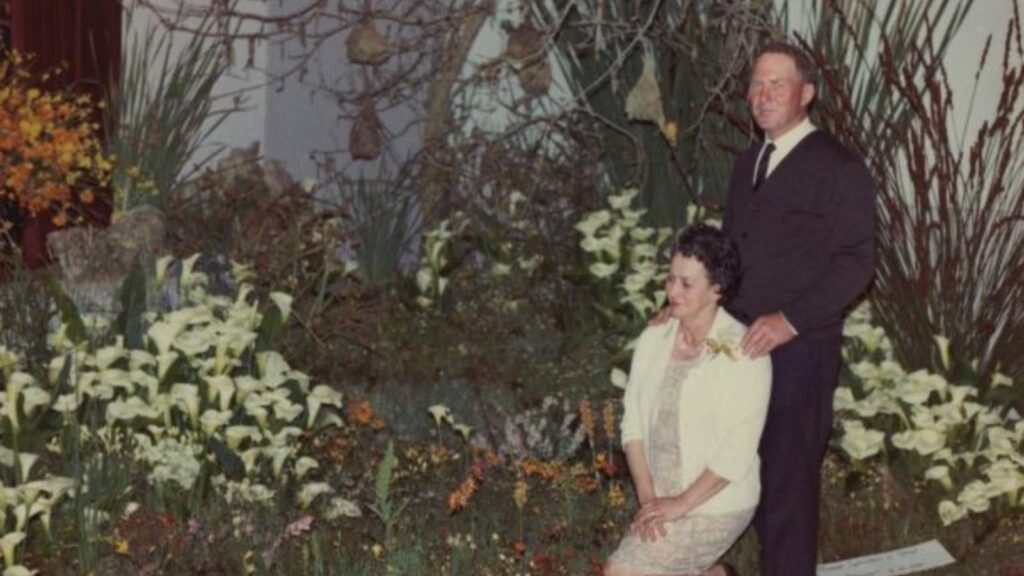
The Darling Wildflower show takes place every year at the beginning of spring, normally for three days in September.
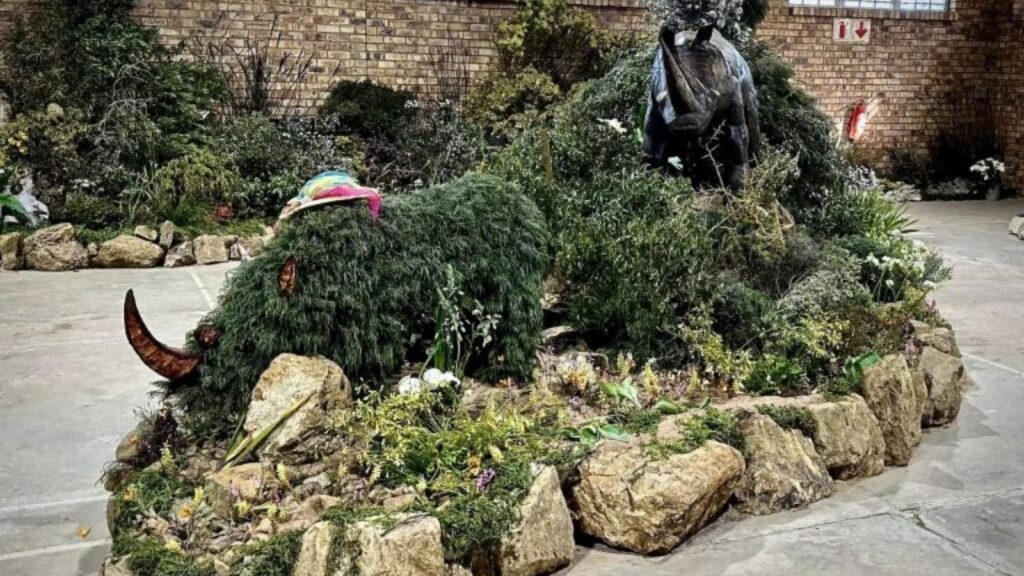
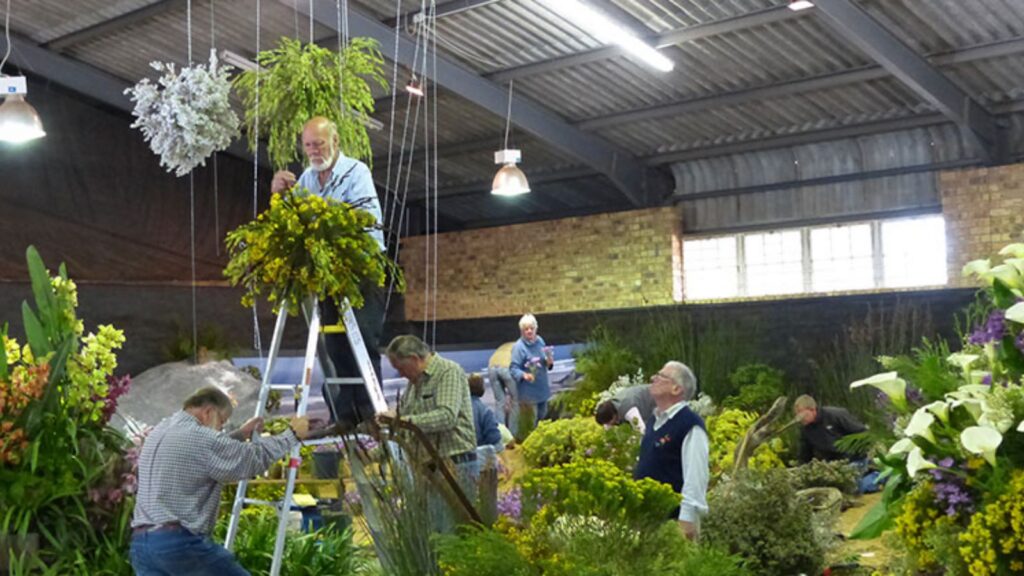
Some of the attractions at the show include a landscaped wildflower exhibition, tractor or trailer rides to a wildflower reserve, wine tastings, an outdoor marketplace, and indigenous plant sales.
Darling Romery
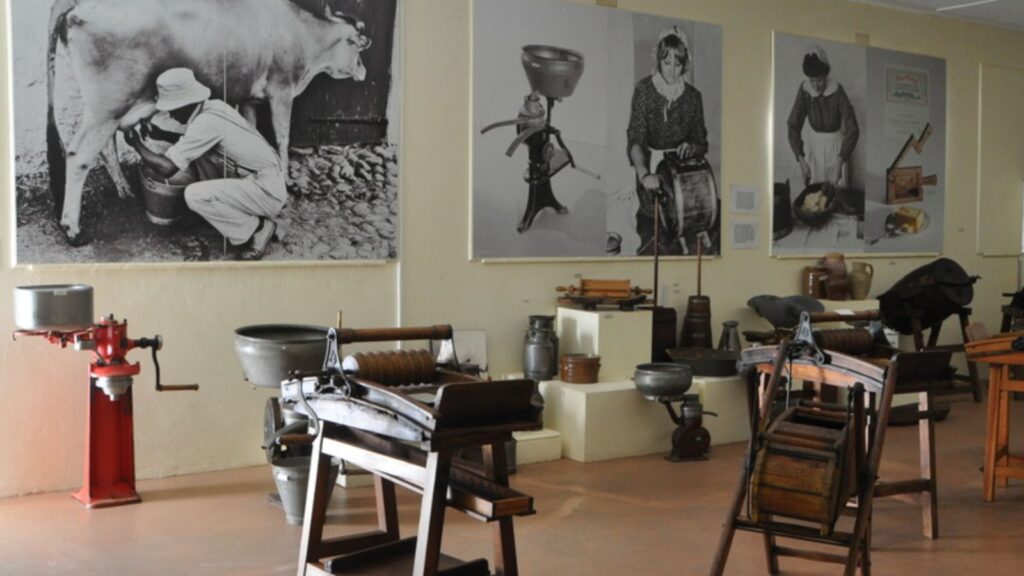
The town of Darling also has a long history in the dairy industry, having once boasted one of South Africa’s oldest dairy companies.
The Darling Creamery was established in 1899 by two Swedish settlers, but unfortunately closed down in 1950.
However, a new company has since stepped in to continue Darling’s legacy as a dairy powerhouse – Darling Romery.
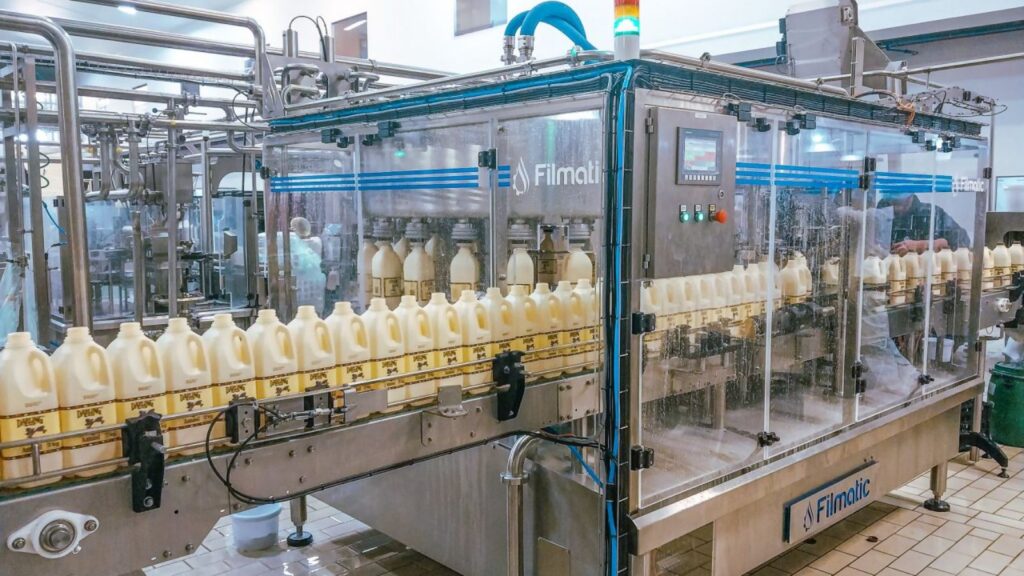
Established in 1991 on Alexanderfontein, a farm near Darling, the Darling Romery manufactures, packs and distributes a wide range of dairy products.
It is a family-owned business, founded by the Basson family. Henk Bothma is the current CEO and has been working at the company since 2008.
Darling Romery’s logo features a blue flower, gladiolus carinatus, which is more commonly known as “blou pypie”.
This flower is endemic to the local area and grows on Alexanderfontein and the Basson family’s farm, symbolising their history.
“As such, it is something we grew up with and consider as a central part of our identity as a business and family,” the company said on its website.
“By nature, the ‘blou pypie’ tends to grow alone, which to us symbolises our family’s history of not simply following trends, but rather trying something different.”
The company prides itself on its quality products, promising that they will only sell what they would buy for their own children.
This commitment to quality has served the company well, with Darling Romery now supplying dairy products to major JSE-listed retailers like Shoprite, Checkers, and SPAR.
Its products have also been recognised for their quality, with Darling Romery winning numerous awards over the years.
Most recently, Darling Romery won first place in the SA Dairy Championships for its medium-fat chocolate-flavoured milk, full-cream amazi, and butter-toffee-flavoured snack yoghurt.
Photos of Darling
Darling Romery
 Loading ...



Comments