One sector lost R100 million due to the national shutdown in South Africa


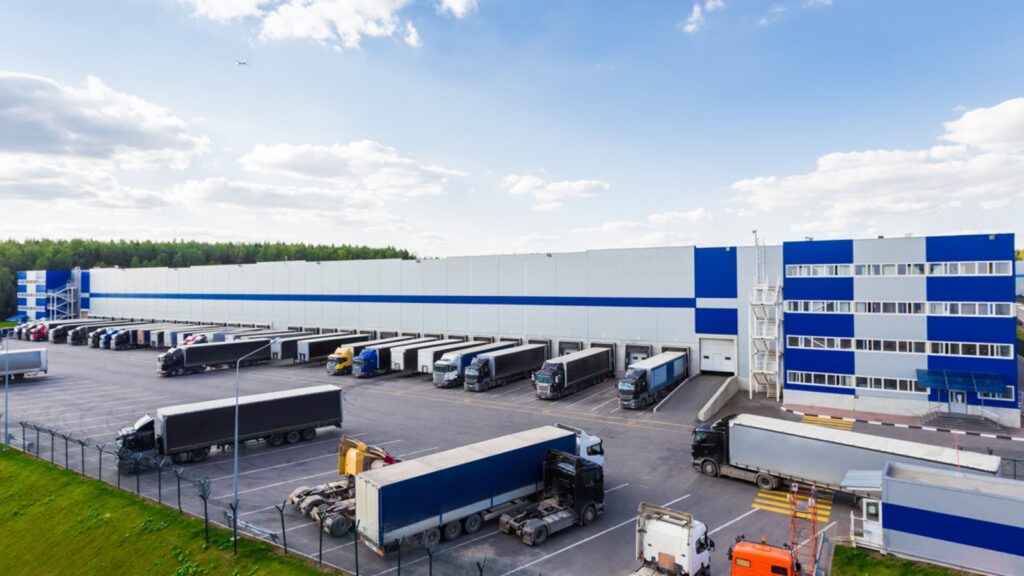
South Africa’s road freight and logistics sector reportedly lost as much as R100 million as a result of the national shutdown which took place on 30 June 2026.
This according to the Road Freight Association (RFA) CEO Gavin Kelly, who posited this figure in a recent media statement discussing the impact of the protest on the sector.
This figure reportedly included all cost estimations for extra security, extra shifts, extended warehousing, trip delays, and paid days for employees told to stay home.
In an interview with 702, Kelly explained how he and the RFA had reached that number following extensive cost discussions and calculations with various freight operators.
“We know what it costs to do various routes in terms of operating expenses and fixed costs,” Kelly said. “We know the amount of vehicles that are out there, so we had a good indication of flows.”
“We got reports from various border crossings, as well as transporters within the country. We knew what was going in and out of depots, and could estimate and calculate what the flows would be.”
According to Kelly, operators who chose to keep their large vehicles stored in depots and other safe places along their routes would have paid around R4,500 per vehicle, per day.
While Kelly stressed the figure could stretch even higher as not all operators reported to the RFA, he said the R100 million served as an adequate benchmark for the total loss incurred.
Some transporters reportedly doubled their vehicle applications ahead of the protest, in anticipation of having to catch up on trips planned for 30 June which were delayed or cancelled.
While this may not necessarily add much in the way of extra costs, Kelly said it likely led to more overtime than many of these operators typically experience.
Kelly even commended the relatively peaceful nature of the protest, in comparison to previous ones, as actually lessening the potential cost on the logistics sector.
“The important point is we have not seen burning trucks, destroyed warehouses, or local retailers being looted,” Kelly said. “That figure related to destruction, rebuilding, repair, and replacement will be almost non-existent.”
RFA calls for more government action

Despite praising the coordinated efforts to keep the marches peaceful, Kelly and the RFA said the government needs to step up its efforts even further to address root issues.
Kelly stressed that the grievances which sparked the protest, namely that of growing unemployment and illegal immigration, have been around in South Africa for a long time.
However, he said that previous efforts from the RFA to address these issues with the various levels of government have so far yielded little result.
“Twice we’ve written letters to the president himself, saying ‘these are where the weaknesses are’,” Kelly said. “We don’t just write and say ‘fix it’ and not really care how.”
“We’ve seen action that we haven’t seen for a long time. But is it going to be sustained? Is this going to be this week’s flavour of the day, and next week it’s going to be something else?”
Kelly said he remained apprehensive of the idea that the 30 June protests will do much to enact real change in South Africa.
He also addressed claims which have been leveled against the road freight and logistics sector regarding its alleged employment of illegal foreigners.
These claims have arisen due to the very nature of the industry, which often sees trucks crossing borders into neighbouring African countries.
While Kelly said that many operators do in fact hire drivers from the specific countries they drive through, such as Zambia or Malawi, he explained that this is not necessarily illegal.
This is because these operators will often employ these drivers through sister companies which operate within the countries they are travelling through.
“This isn’t necessarily an illegal or undocumented person, and it’s not necessarily someone who takes work away from South African citizens,” Kelly said.
“The problem lies within the borders of the country itself, where operators or transporters who only work within the country employ foreigners to do work within the country.”





Comments