The London boarding school attended by celebrities and royals where South Africa’s billionaire family went to study


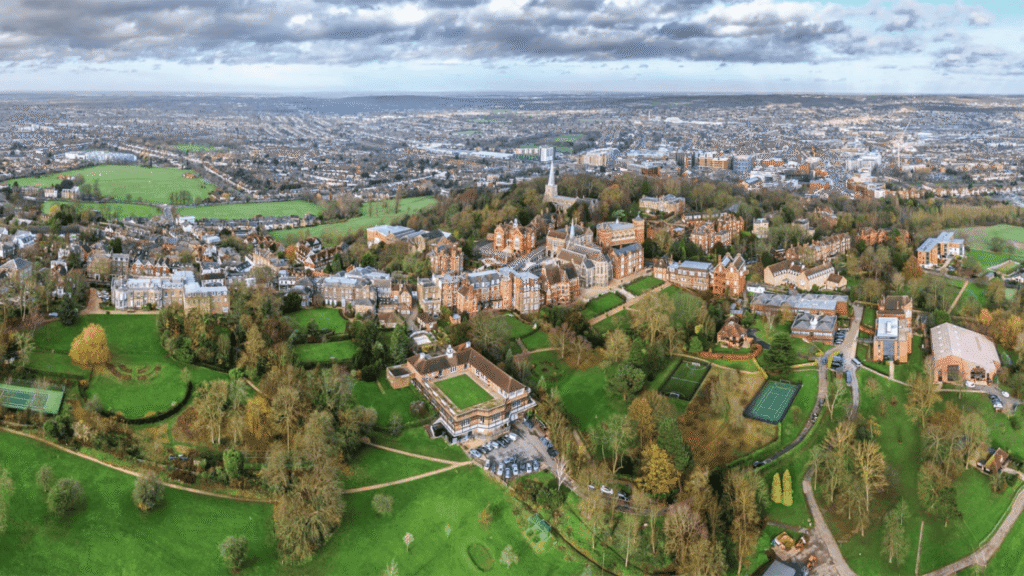
Two of South Africa’s wealthiest billionaires, Nicky Oppenheimer and his son, Jonathan, both attended London’s historic Harrow School.
For more than 450 years, Harrow School has educated princes, prime ministers, business leaders, Nobel laureates, and celebrities.
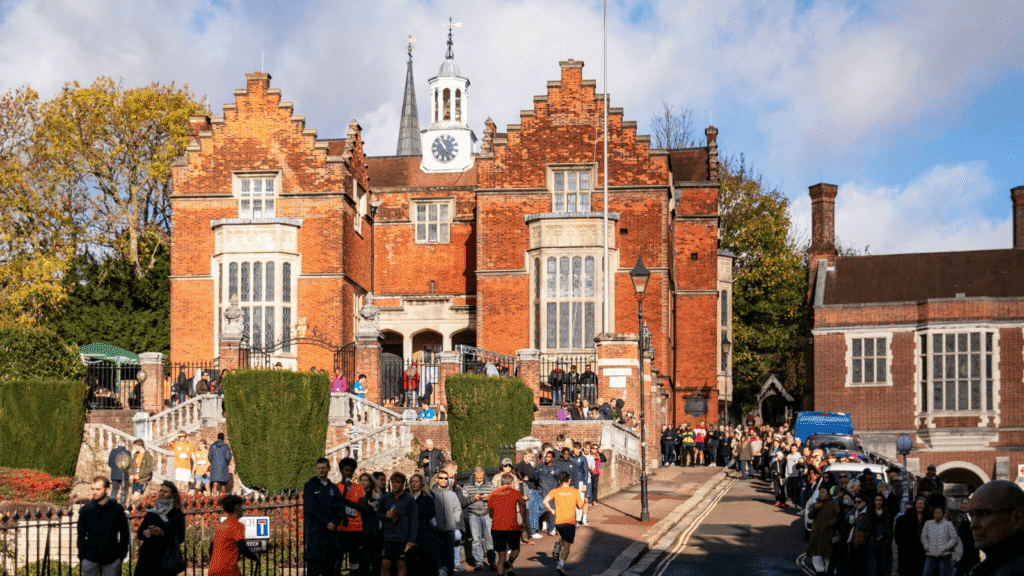
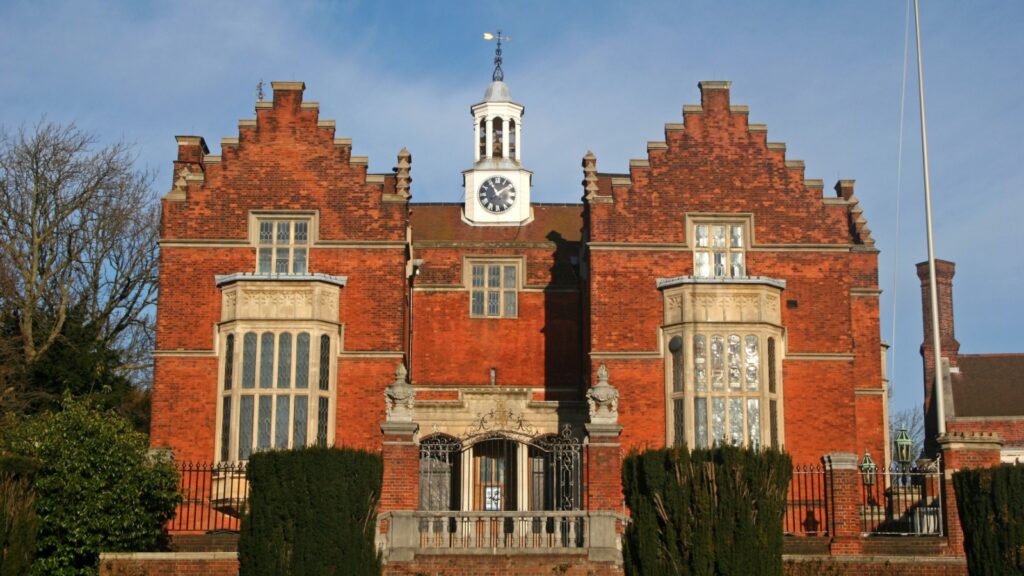
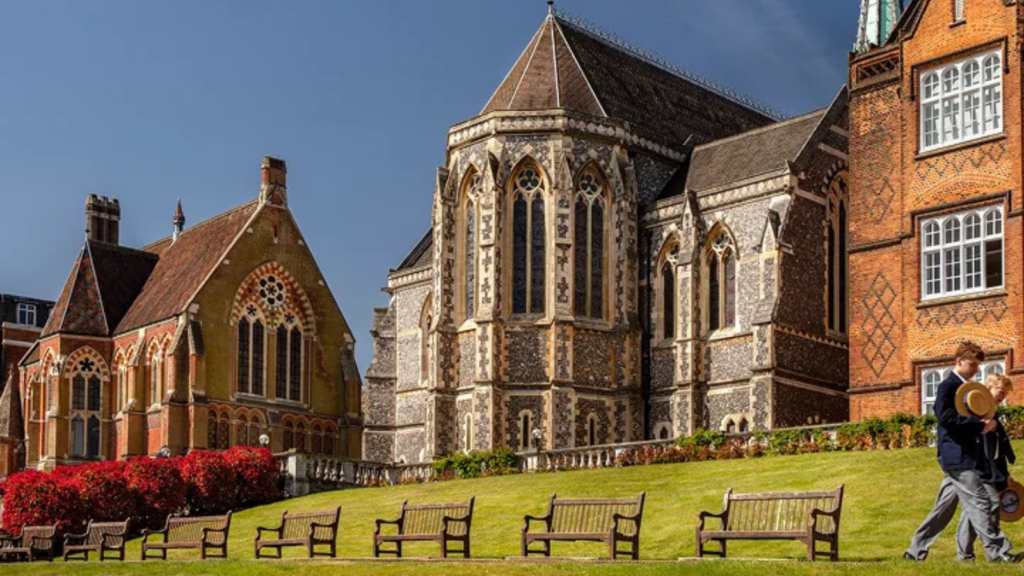
Perched on a hill overlooking London, the prestigious boarding school has become synonymous with Britain’s elite.
It has produced figures such as Winston Churchill, India’s first Prime Minister Jawaharlal Nehru, Jordan’s King Hussein, actor Benedict Cumberbatch and singer James Blunt.
Among its distinguished alumni are also two generations of South Africa’s wealthiest family – Nicky Oppenheimer and his son, Jonathan Oppenheimer.
The Oppenheimers, whose fortune was built through Anglo American and De Beers, have long been one of South Africa’s most influential business dynasties.
Today, Jonathan Oppenheimer continues the family’s investment and philanthropic legacy, while his father, Nicky, remains one of Africa’s richest people.
Their education at Harrow School reflects a tradition shared by many of the world’s political, royal and business elites.
Founded in 1572 under a royal charter granted by Queen Elizabeth I, Harrow is one of England’s oldest and most prestigious independent schools.
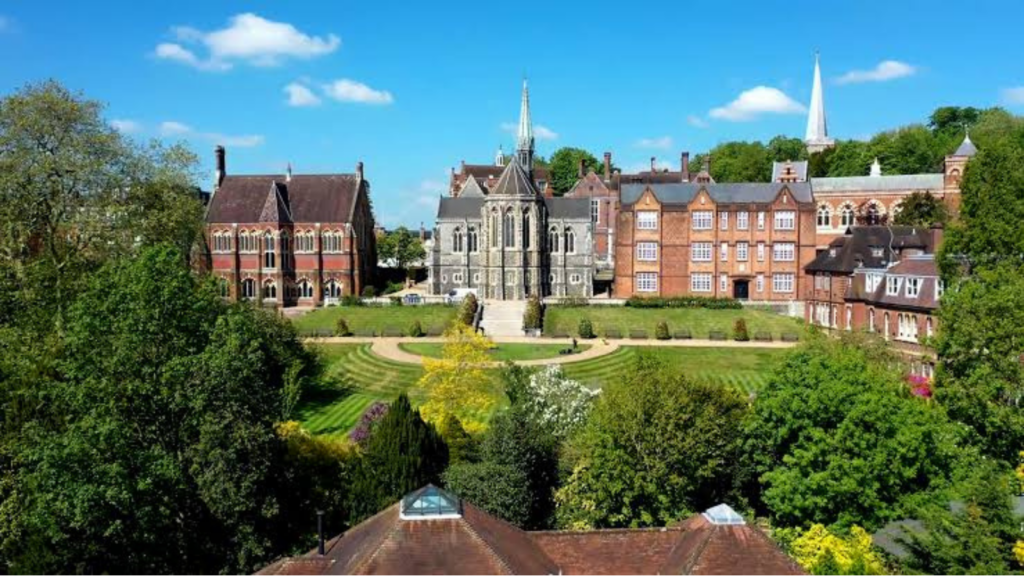
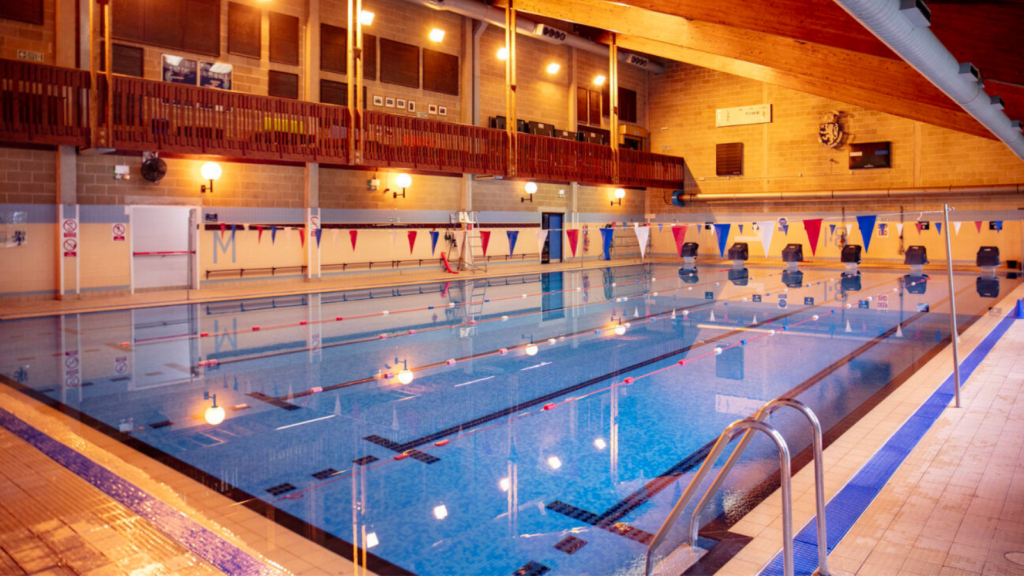
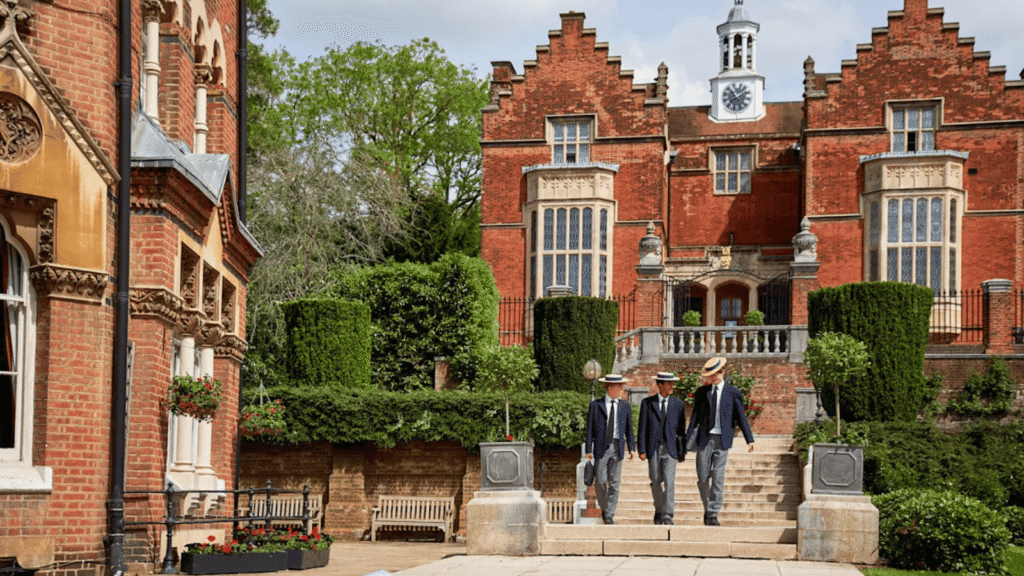
Located just 20 minutes from central London, the 324-acre campus features extensive playing fields, historic buildings, a golf course, woodland, conservation areas and even a working farm.
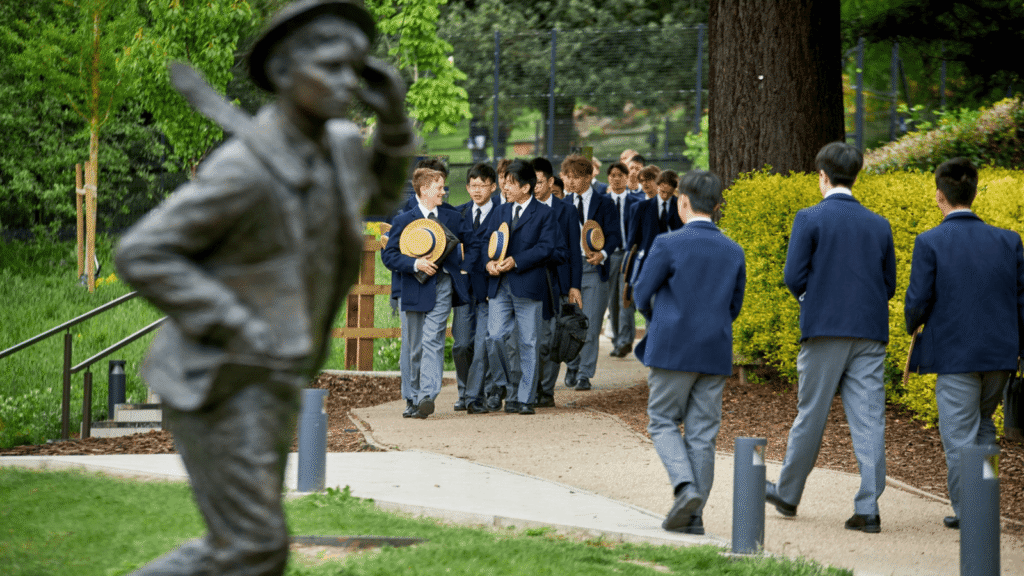
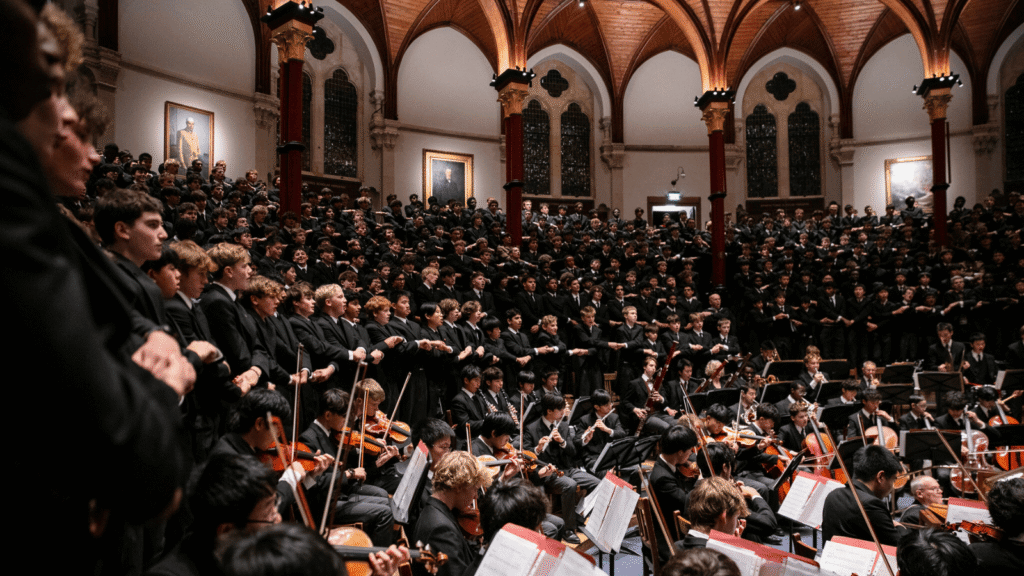
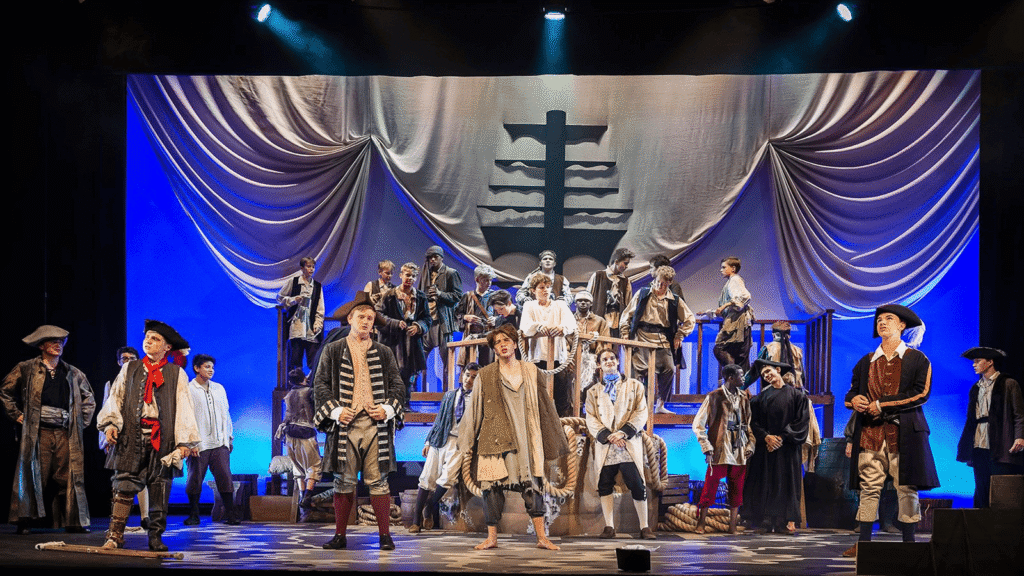
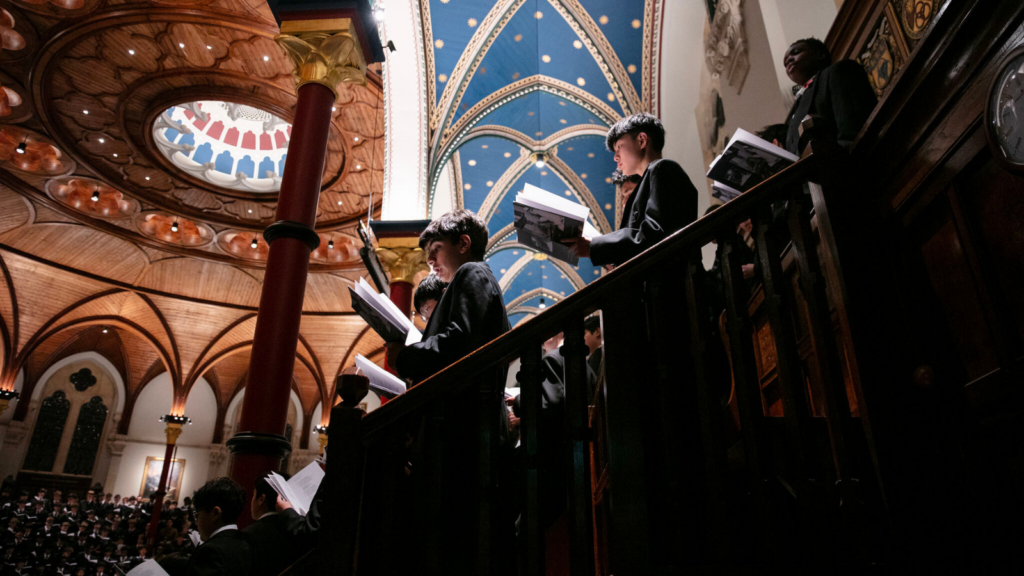
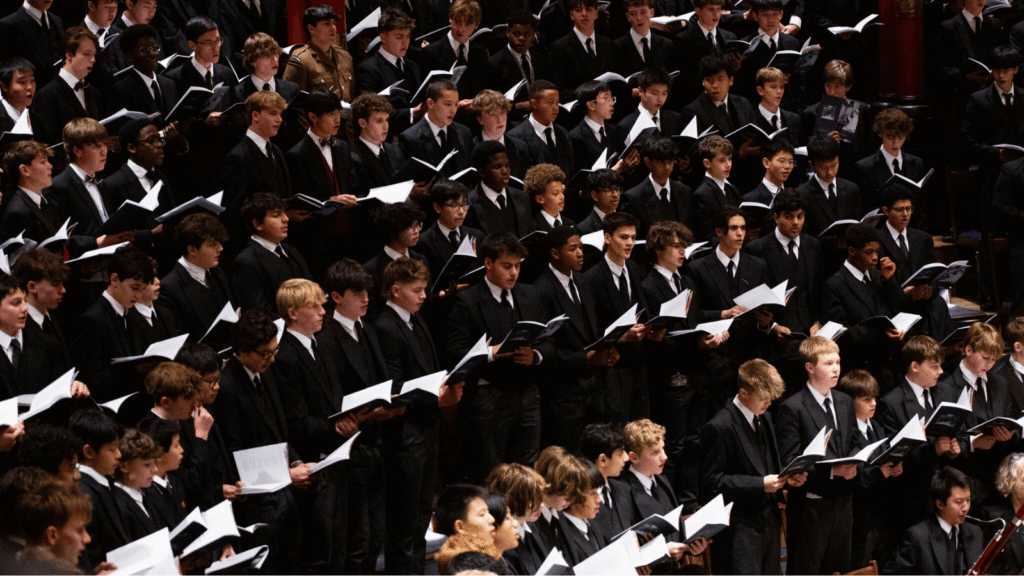
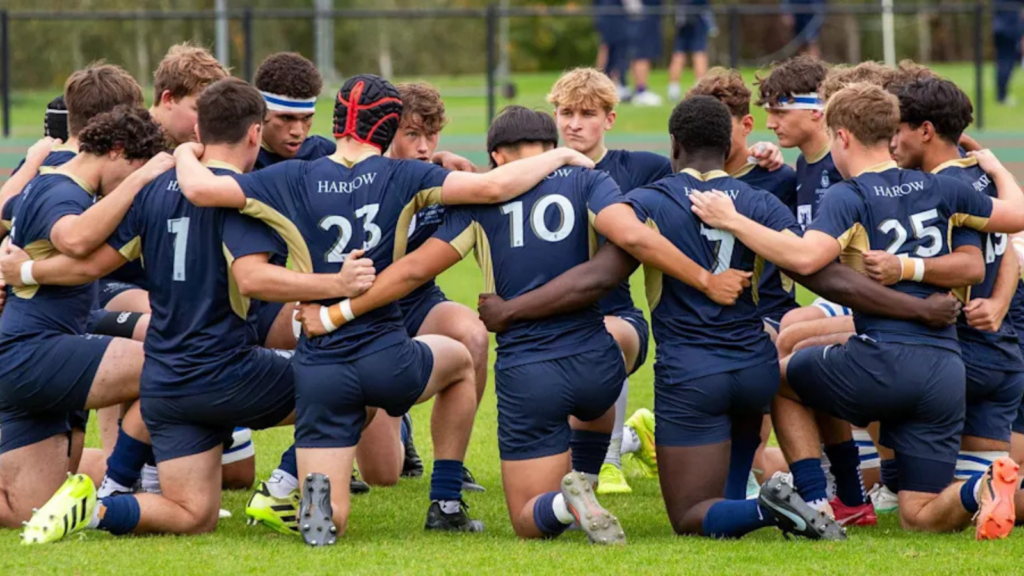
The school remains a full-boarding institution for boys aged 13 to 18 and is renowned for combining academic excellence with leadership development, sport, music and the arts.
The school’s rich history and expansive grounds have also made it a popular filming location.
One of the most memorable scenes in the first Harry Potter film – where Hermione Granger levitates a feather during Professor Flitwick’s class – was filmed inside Harrow’s Fourth Form Room, which dates back to 1615.
What it costs to attend the top school
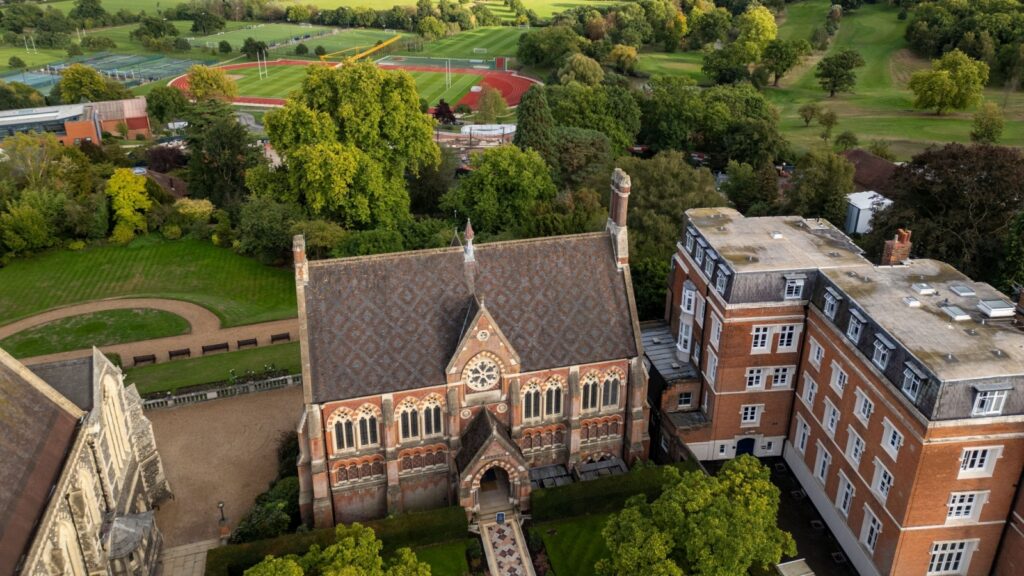
Harrow’s academic results consistently rank among Britain’s best. In August 2025, the school announced that one-third of Harrow’s A-level (equivalent to the National Senior Certificate) results were awarded the top A* grade.
Over 65% were awarded at either A* or A, and more than 90% achieved grades between A* and B. Five boys achieved five or more A* grades, with 12 boys gaining four or more A*s.
Twenty-five boys gained three or more As, and 83 boys gained three or more A-A grades. “These strong A-level results have translated into a positive set of university outcomes,” the school said.
At the time, Harrovians were set to take up places at six of the eight Ivy League schools in the United States, and 110 boys were taking places at institutions in the QS top 100, including Oxford and Cambridge.
At GCSE level, more than 40% of grades were the highest possible grade 9, with two-thirds of grades at 9 or 8. Impressively, 16 boys gained 10 or more grade 9s, and 29 gained 9 or more grade 9s.
Attending Harrow does not come cheaply. For the 2025/2026 academic year, termly fees rose to £21,245 (R462,199).
This fee includes board, tuition, textbooks, a stationery allowance and laundry. Students are also required to pay a non-refundable registration fee of £450 (R9,789).
An additional annual charge of £3,000 (R65,260) applies to each boy who requires Harrow School to act as sponsor for a UK Visas and Immigration Child Student Visa or Student Visa application.
The fee covers the additional cost of supporting those pupils, including visa legal costs, administration, monitoring and reporting requirements.
Despite the high cost, the school offers scholarships and means-tested bursaries, with some covering the full cost of attendance.
The Oppenheimer connection
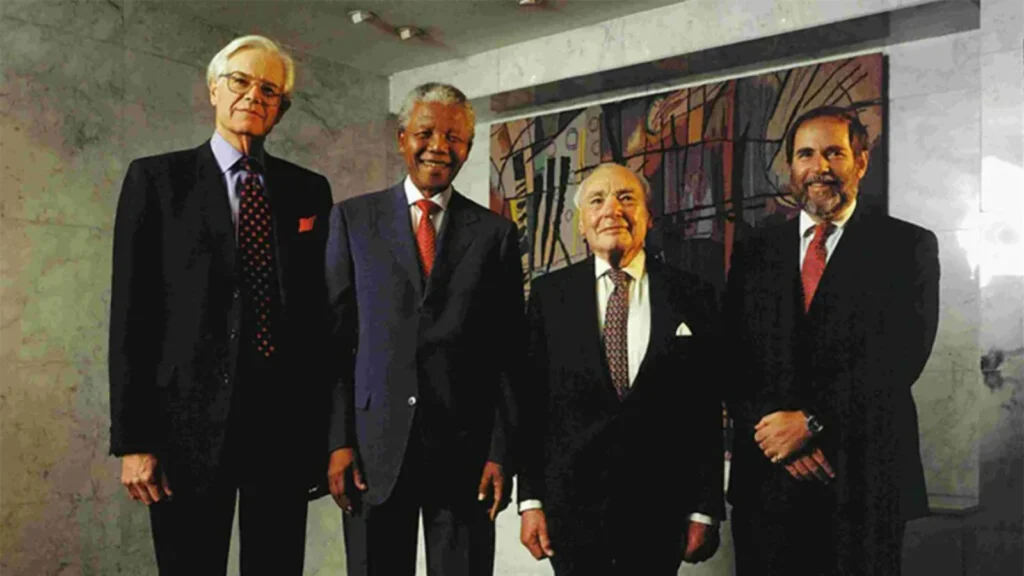
The connection between Harrow and South Africa stretches back decades through the billionaire Oppenheimer family.
Nicky Oppenheimer, born in Johannesburg in 1945, attended Harrow before studying politics, philosophy and economics at Christ Church, Oxford.
His education came at a time when the Oppenheimers already stood at the centre of South Africa’s mining industry.
The family’s rise began with Ernest Oppenheimer, who arrived in South Africa in the early 1900s as a diamond trader after being sent from London.
He quickly established himself in the diamond industry, eventually becoming mayor of Kimberley before founding Anglo American in 1917.
Through Anglo American and control of De Beers, Ernest built one of the world’s most powerful mining empires. The company dominated the global diamond industry for much of the twentieth century.
His son, Harry Oppenheimer, expanded that legacy. As chairman of both Anglo American and De Beers, Harry transformed Anglo into one of the world’s largest diversified mining companies.
At its peak during the 1980s, Anglo American reportedly accounted for around a quarter of South Africa’s GDP while controlling an estimated 60% of the companies listed on the Johannesburg Stock Exchange.
After completing his education in Britain, Nicky returned to South Africa and eventually joined the family business.
He rose through the ranks to become chairman of De Beers and played a pivotal role in modernising the company.
Among his notable achievements was helping establish the Kimberley Process Certification Scheme, which was designed to prevent conflict diamonds from entering the legitimate global diamond trade.
However, following the global financial crisis, the Oppenheimer family made one of the most significant decisions in its history.
In 2011, after more than eight decades, the family sold its 40% stake in De Beers to Anglo American for approximately $5.1 billion, effectively ending the family’s direct control of the business that had created its fortune.
Nicky later described the decision as one where his “heart” wanted to remain with De Beers, but his “head” recognised that selling was the right commercial decision.
A new generation
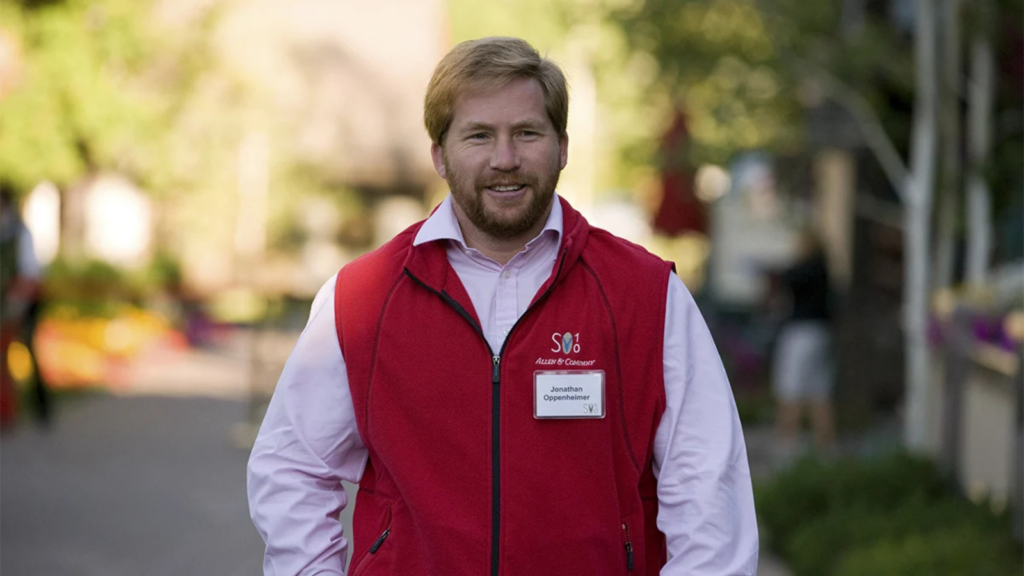
Born in 1968, Jonathan Oppenheimer also attended Harrow before studying at Oxford University, where he represented the university in first-class cricket.
Despite growing up in one of the country’s wealthiest families, he has said his parents deliberately raised him with modest financial allowances.
They encouraged humility and taught him the value of money from an early age. He also received an unusual education outside the classroom.
From around the age of 10, Jonathan regularly accompanied his father to Anglo American’s headquarters in Johannesburg, where he was allowed to sit in on meetings and observe senior executives.
By the time he formally entered the mining industry, he said he had unknowingly accumulated years of business knowledge.
After working at NM Rothschild & Sons and later at Anglo American and De Beers, Jonathan founded Oppenheimer Partners in 2016. The investment firm focuses on frontier markets, agriculture and opportunities across Africa.
Alongside the family’s business activities, the Oppenheimers have become well known for their philanthropic work.
Through initiatives such as the Brenthurst Foundation and Oppenheimer Generations, the family has supported economic development, conservation and entrepreneurship across Africa.
Jonathan also owns Tswalu Kalahari Reserve, South Africa’s largest private game reserve, where he ended hunting and invested heavily in wildlife conservation.
During the Covid-19 pandemic, the Oppenheimer family committed R1 billion to establish the South African Future Trust, providing financial assistance to small businesses affected by lockdowns.
Today, the Oppenheimer family is valued at $10.6 billion (R174 billion), according to Forbes, making them the second-wealthiest family in South Africa, behind the Ruperts.
Harrow



Comments