SARS can’t touch this R900 billion sector in South Africa


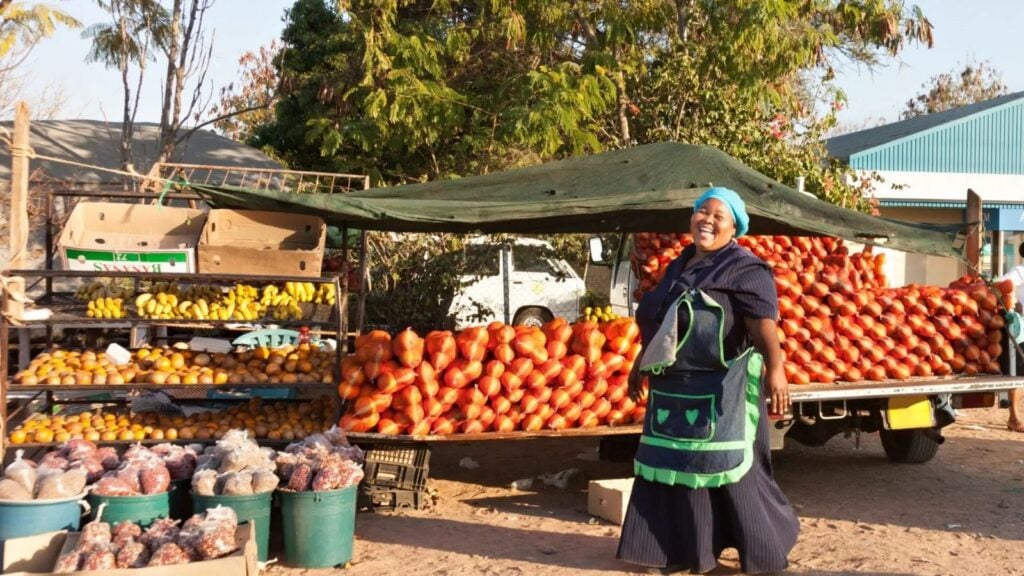
South Africa’s informal economy, estimated to be worth R900 billion by Standard Bank, largely operates under the radar of SARS and other government agencies.
This is not necessarily out of intention, with SARS and others failing to engage with business owners and other individuals who operate in this economy.
The lack of infrastructure and access to formal banking makes it incredibly difficult for these businesses to be registered and pay tax, even if they wanted to.
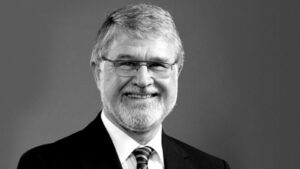
This is feedback from informal economy expert GG Alcock, who explained that the government has failed to understand these businesses.
Alcock explained in a Common Sense podcast that there is little benefit for many of these businesses to formalise themselves, as it comes with a significant regulatory burden and not much assistance.
The process of formalisation itself is extremely difficult for these small businesses, given the lack of government infrastructure in the areas they operate.
“I think paying taxes is the least concern of people in this sector. They are not concerned about paying tax and contributing,” Alcock said.
“The majority of those businesses want to scale up and formalise. The biggest issue is the absence of resources, not just financial, but also space and infrastructure.”
The government makes this difficult for these businesses by imposing significant regulatory burdens with formalisation.
It also fails to give these business owners easy access to government services, where they can register their companies and utilise state resources.
This results in these businesses remaining relatively small throughout their lifecycles, as the owners cannot invest in expansion or development.
“The shortfalls of informality are things like security of tenure, the ability to invest in growth and more facilities, access to finance, and access to commercial equipment,” Alcock said.
Much of this relies on being a formal business to access. This is why Alcock said the major challenge is not starting a business, but scaling it.
If these businesses could scale, it would meaningfully boost economic growth, bolster the government’s finances, and make a dent in unemployment.
SARS does not engage
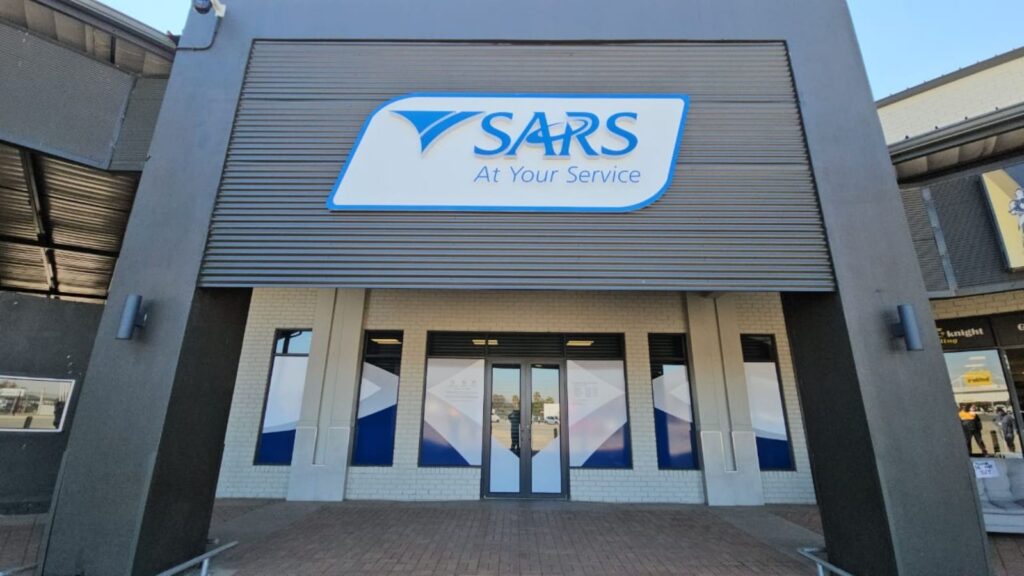
The main example of the state’s failure to engage with business owners in the informal sector is SARS, with it lacking a presence in townships.
This is not in the form of compliance raids or squads, but rather an effort to make it easier for these businesses to register for tax and comply.
The informal economy already contributes to the fiscus through VAT when purchasing stock, sin taxes on alcohol and cigarettes, and by supplementing income earned in the formal economy.
Alcock explained that the government does not understand the informal sector, with its various initiatives aimed at formalisation failing.
He recalled a case where the government wanted to collect property rates from informal traders, charging them R30 per square metre.
However, this was too difficult to administer, so it tried to force the traders to pay in six-month blocks. This failed as these businesses do not have the cash flow to do that, so they just stopped paying.
In the case of SARS, there is just no engagement with the sector as the revenue service’s infrastructure does not extend into townships.
“There is a complete lack of understanding. If you want people to comply, you have to make it easy for them to comply,” Alcock said.
“I met with SARS, and I asked them how many service centres they have in townships. They said that the revenue service has more or less none.”
“So, they were telling people that for them to register to pay tax, they would have to close their business for a day and travel to a SARS office and sit there for hours to register their business. The friction is massive.”
Alcock said the way to formalise the sector and get these businesses to pay tax is to reduce the friction of compliance.
“How are you removing the friction? You have to go to these businesses and engage with them where they trade,” Alcock said.
“This is the mindset that is required. You have to remove the friction and enable these businesses to be part of the formal economy.”



Comments