The woman who makes R60,000 per month selling braai chickens, steak, and pap in her township business


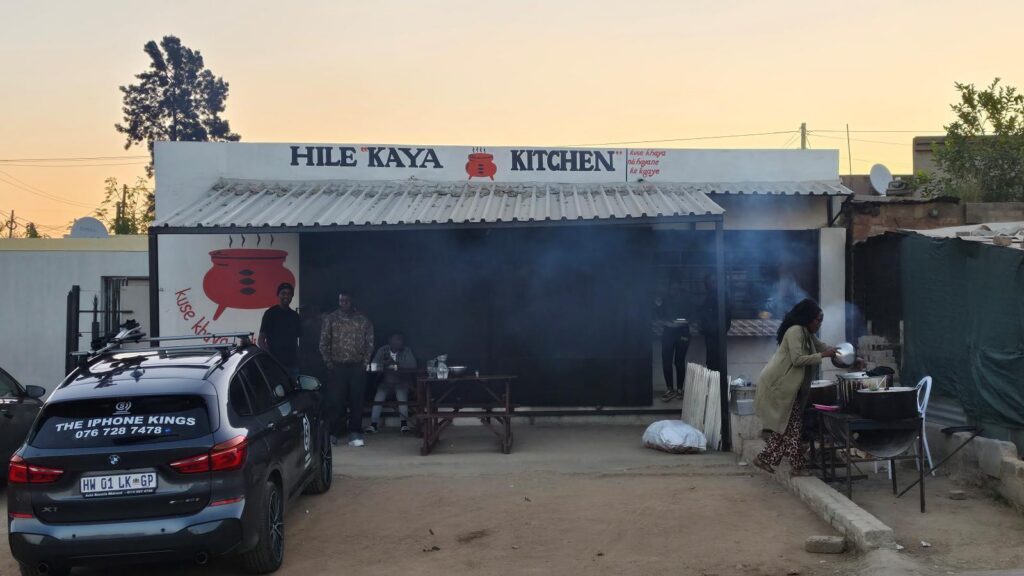
Miss Mafumo’s Hile Kaya business in Diepsloot sells braai chickens, steak, and pap, and generates up to R3,000 per day during busy periods.
This is an example of a township business, also known as the informal economy, which employs people and supports families.
The informal economy has generated significant interest in recent months after experts said it is much larger than many economists had predicted.
In his new book, KasiNomics Unleashed, informal-economy expert GG Alcock said a conservative estimate is that the informal economy is worth R1 trillion.
He added that, although it is described as informal, it is a structured and professional business sector which mirrors the formal economy.
Instead of just survivalist enterprises, the informal sector has successful businesses in food, property, and automotive services.
According to Alcock, South Africa’s official unemployment rate is too high because it fails to account for individuals earning significant informal or passive incomes.
His views are supported by data from former Capitec chief executive Gerrie Fourie, who said the 33% unemployment rate is a myth.
“South Africa’s unemployment rate is definitely not 33%, and nobody will convince me that it is 33%. Our unemployment rate is actually between 10% and 15%,” Fourie said.
Both Alcock and Fourie believe that South Africa’s economic potential can be unlocked by growing the country’s informal market.
By shifting the focus from creating new startups to scaling existing entrepreneurs, Alcock said the country can better foster intergenerational wealth.
“True economic growth requires recognising and investing in these bustling informal markets rather than relying solely on the formal corporate sector,” Alcock said.
Hile Kaya in Diepsloot Extension 7
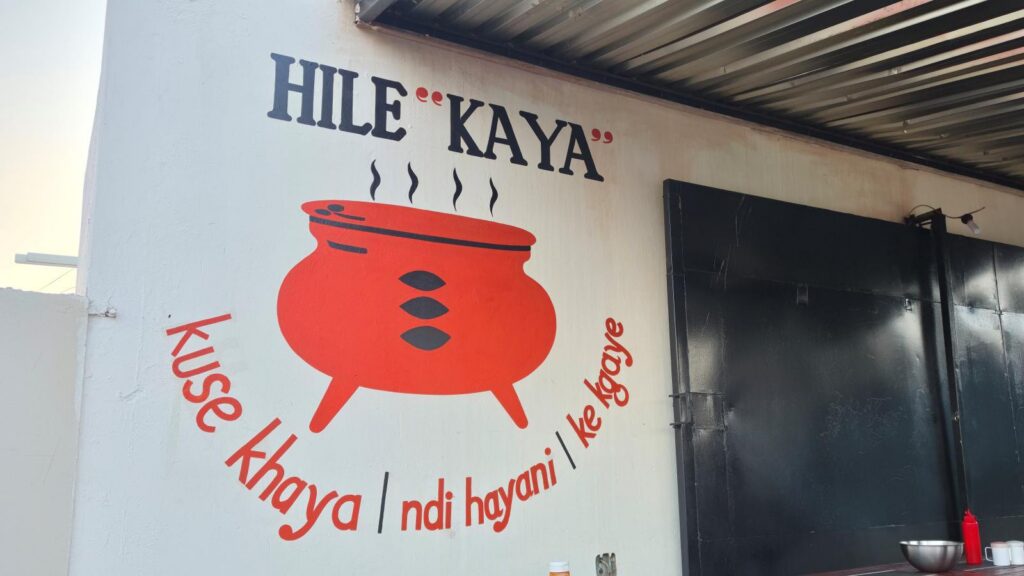
Daily Investor visited businesses in South African townships to learn more about them, observe how they operate, and see how much money they make.
One of these businesses is Hile Kaya in Diepsloot Extension 7, founded by Miss Mafumo and run by her and her husband.
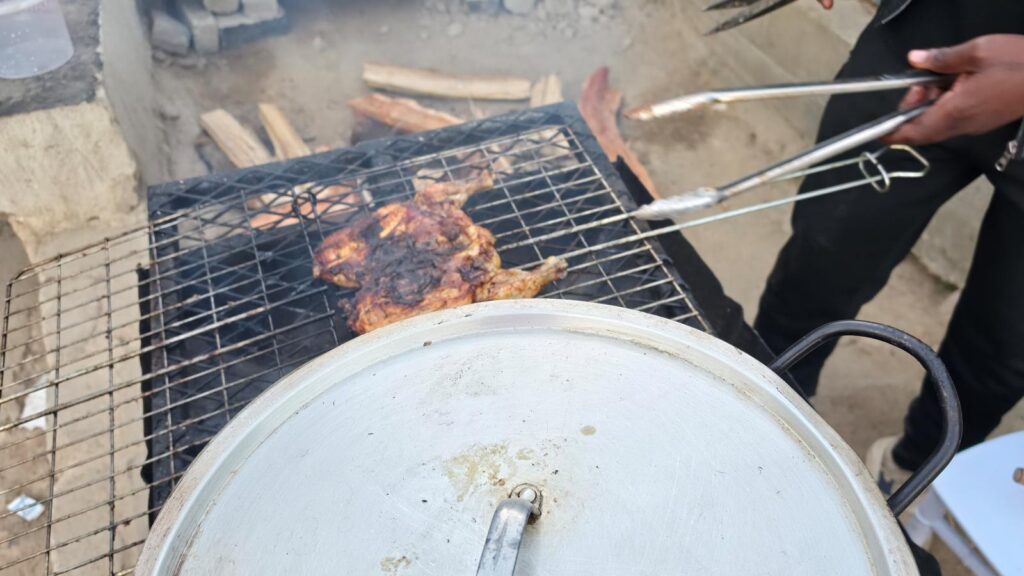
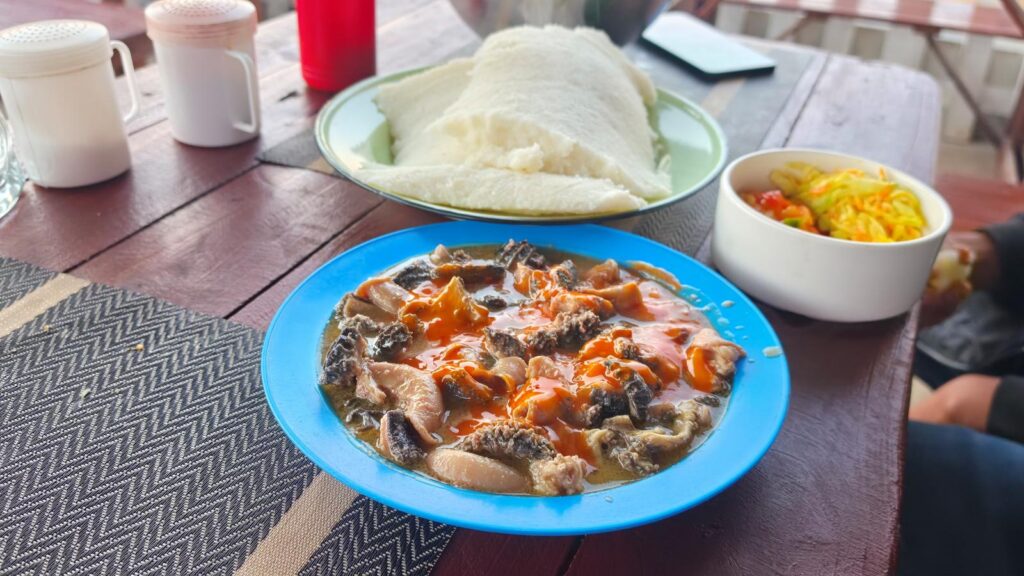
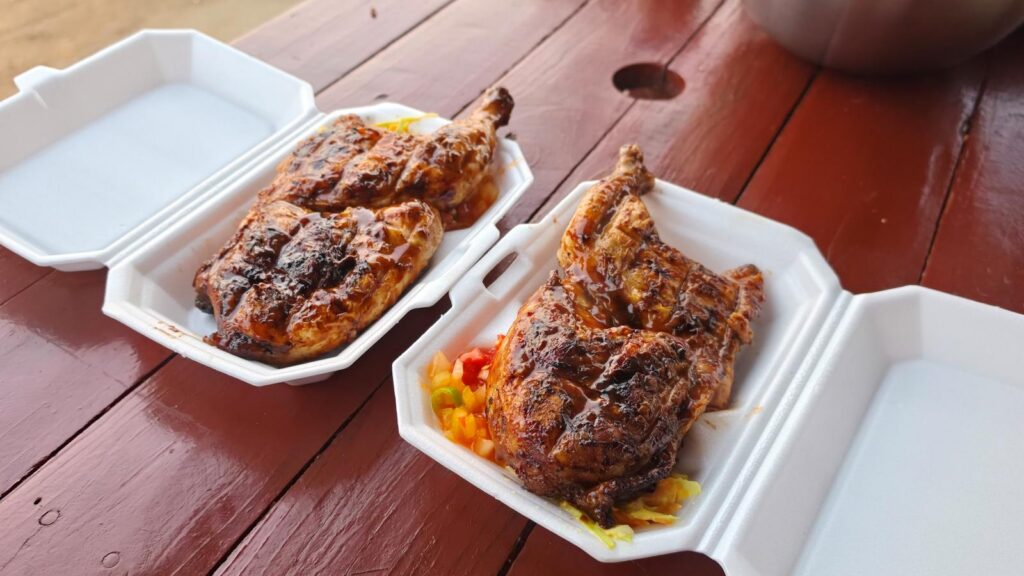
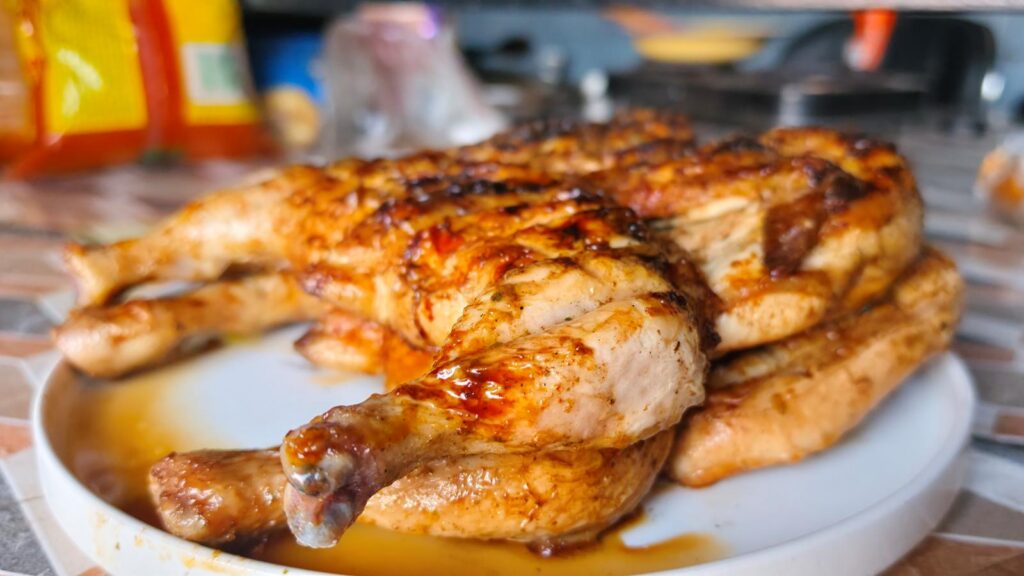
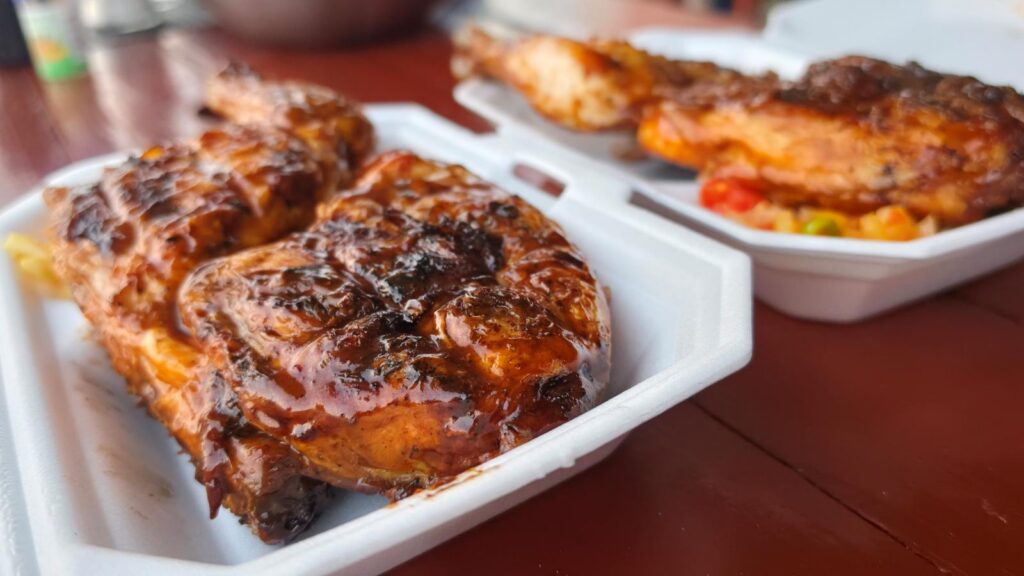
Hile Kaya sells braai chickens, steak, and pap. Pap and chicken plates start at R60, and pap and steak plates are R80.
Their signature flavour comes from a special, secret family braai spice blend. It is so popular that the local tavern patrons refuse to eat anywhere else.
The Sunday church crowds often have to pre-order their meals to ensure the meat does not sell out before they arrive.
The business, whose clients include locals drinking at the nearby tavern and people coming from church on Sundays, has shown strong growth.
Hile Kaya generates between R1,000 and R1,500 in sales on a normal day, and between R2,000 and R3,000 on busy days. Payments are made in cash or via Capitec bank transfers.
The business currently employs four people: Miss Mafumo, her husband, and two additional staff members.
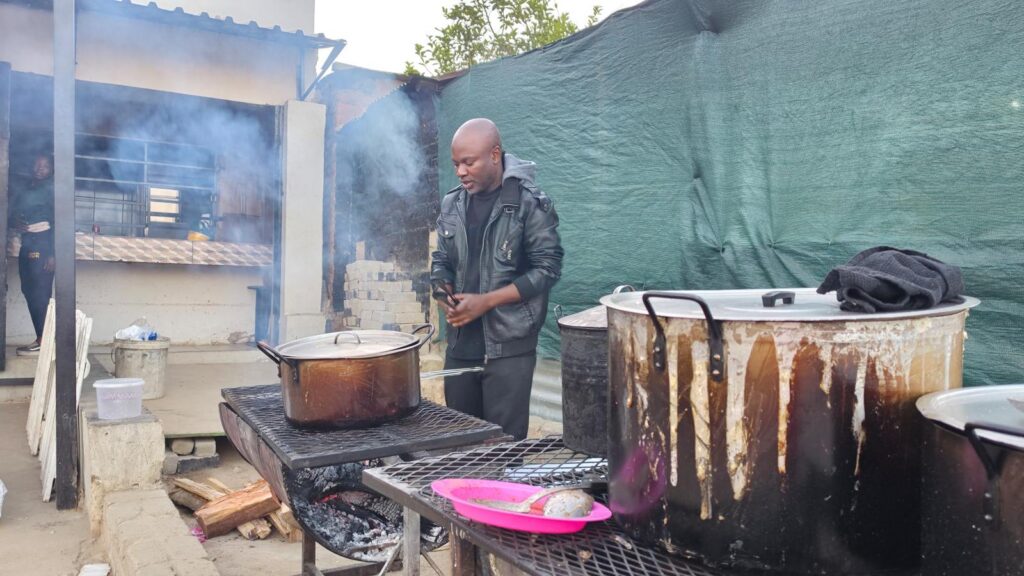
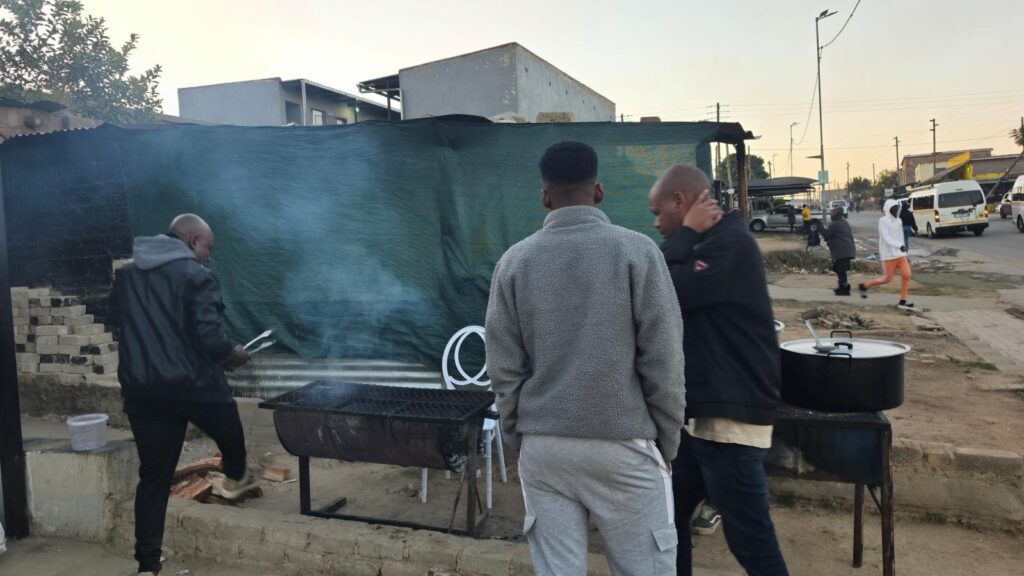
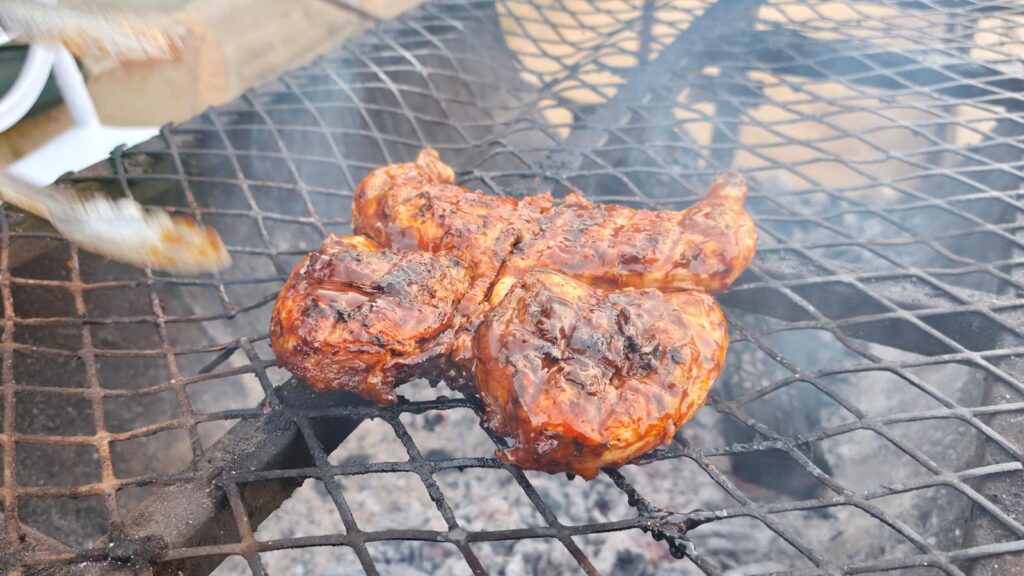
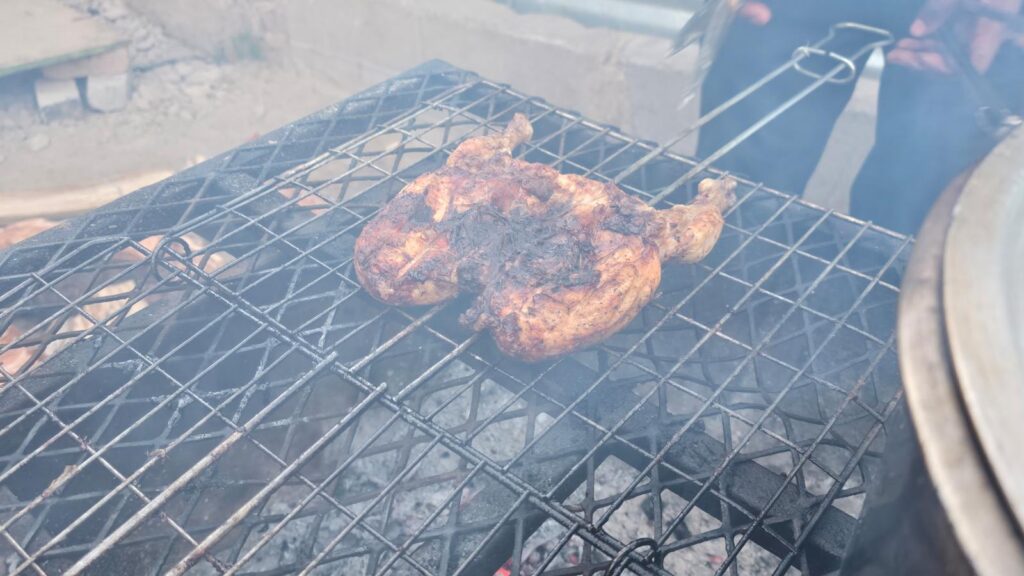
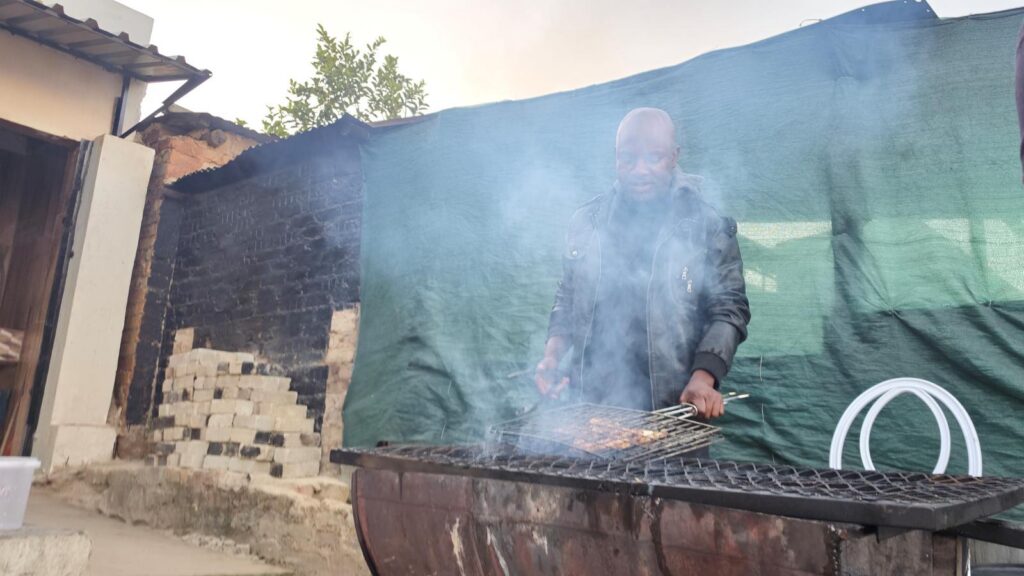
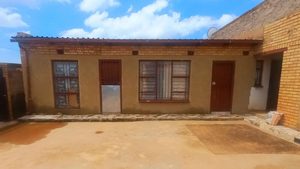
It operates from a small building, where the chicken and steak are prepared on a braai outside, with a place for patrons to sit if they wish.
Mafumo has plans to expand the business from the current setup into a fully professional, sit-down restaurant.
The photos below show Hile Kaya’s operations in Diepsloot, taken by a Daily Investor representative.
Hile Kaya photos



Comments