The small South African town in the middle of nowhere with fewer than 1,300 residents produces the ‘caviar of the Karoo’


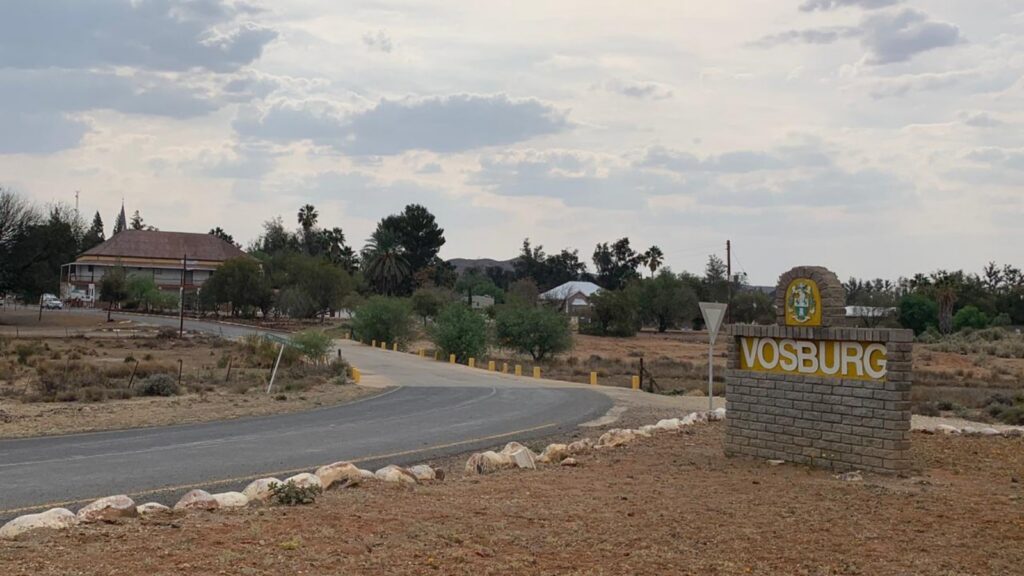
Vosburg is a tiny town in the Northern Cape, home to fewer than 1,300 people, yet also a cornerstone of South Africa’s wool and organic lamb industry.
In particular, Vosburg is known for its large herds of Merino sheep, which are renowned for their gold standard, soft, premium wool and prized for their lean, delicate meat, earning them the nickname ‘caviar of the Karoo’.
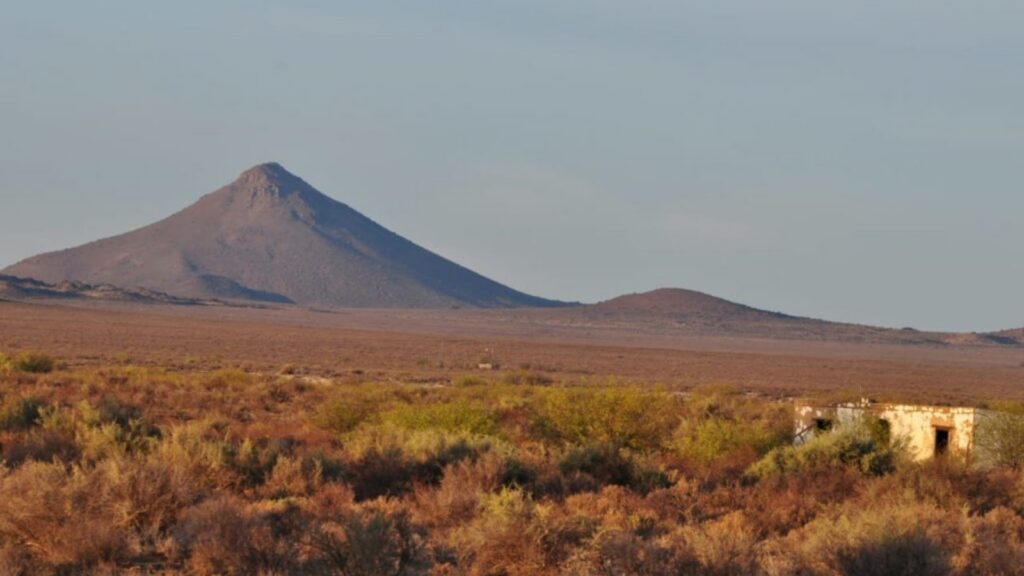
About 61 km from its nearest neighbour, Vosburg is located in the Bo-Karoo region of the Northern Cape, situated about halfway between Britstown and Carnarvon on the R384.
The town was founded on the farm Processfontein and is named after the farm’s owners, the Vos family. It was established in 1895 and became a municipality two years later.
Sometimes referred to as the ‘Jewel of the Karoo’, Vosburg describes itself as a little place with golden-hearted people and some of the best sundowns in Africa.
According to the 2011 national census, Vosburg is home to only 1,259 residents.
“Passing by, Vosburg may seem like a small village ideal for a one-night stay, but what awaits you is so much more than just one night’s worth,” the town says on its website.
Vosburg forms part of the Karoo Highlands Route, a scenic road trip that takes drivers through the Great Karoo, including all of the small towns and hidden gems located in the region.
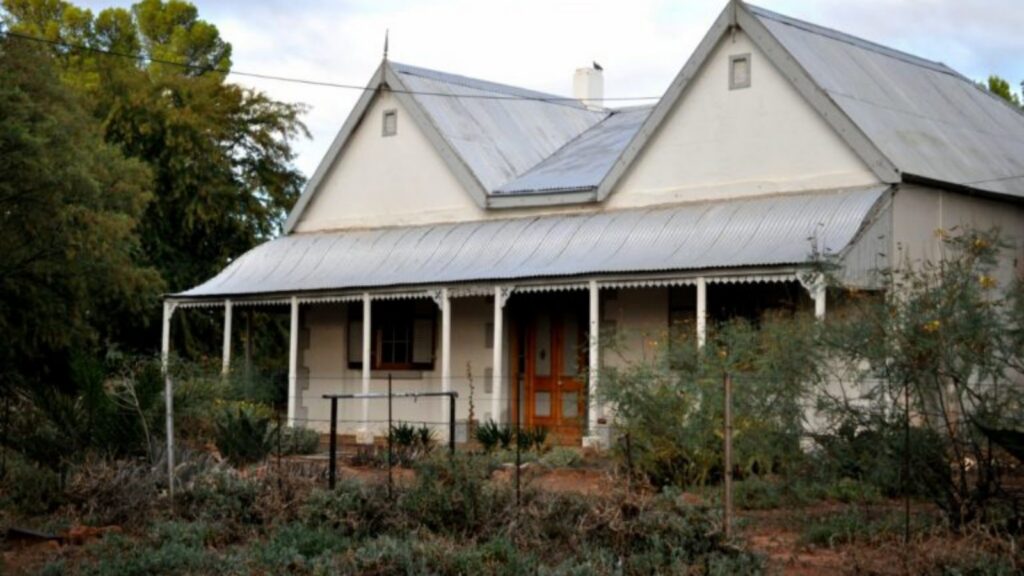
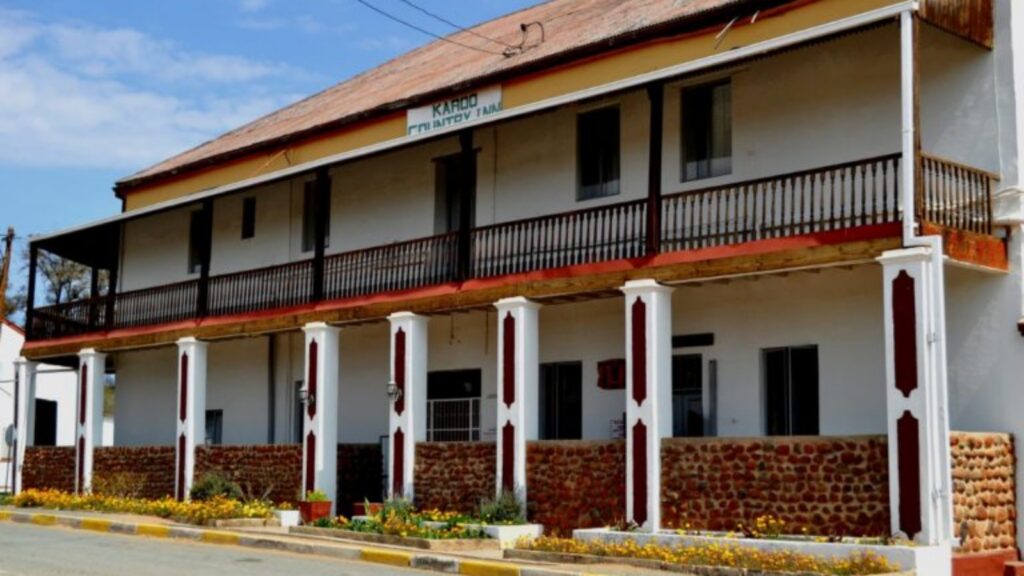
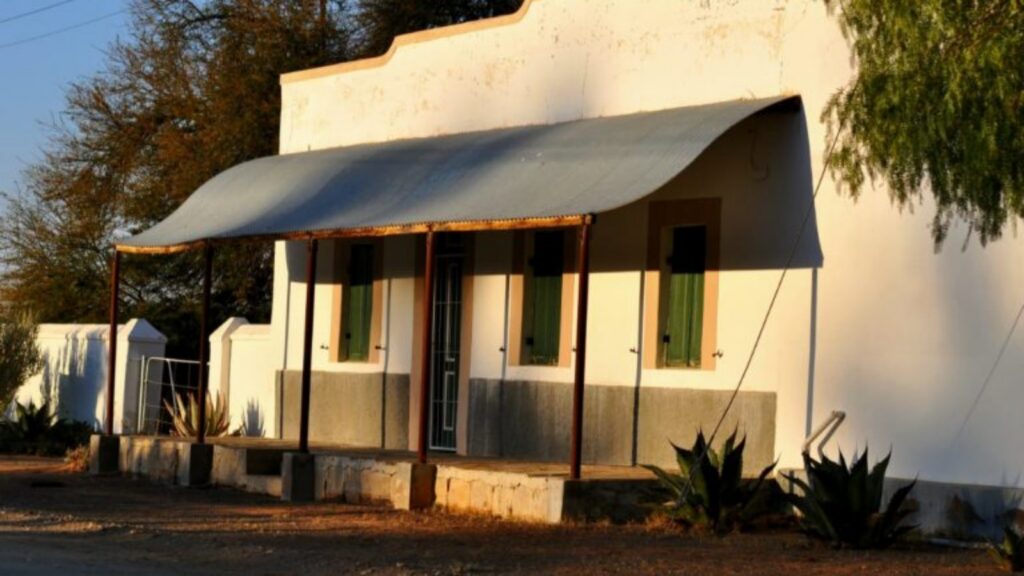
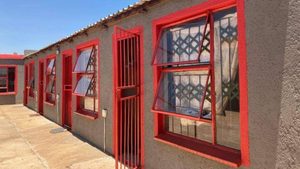
As a town founded in the 1890s, Vosburg is home to many historic buildings, serving as a time capsule of 19th-century architecture, including Victorian, Edwardian, and traditional Karoo-style cottages.
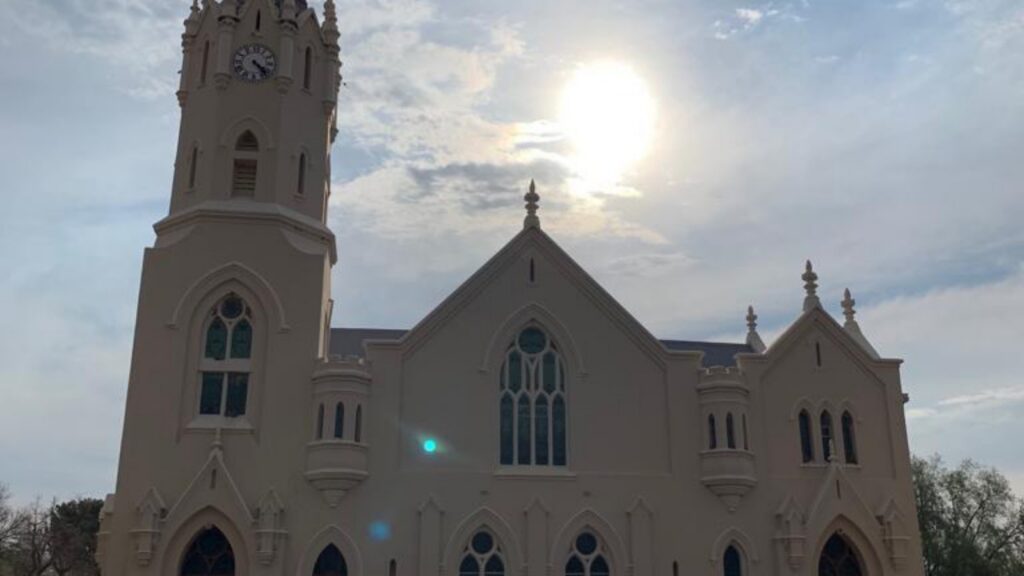
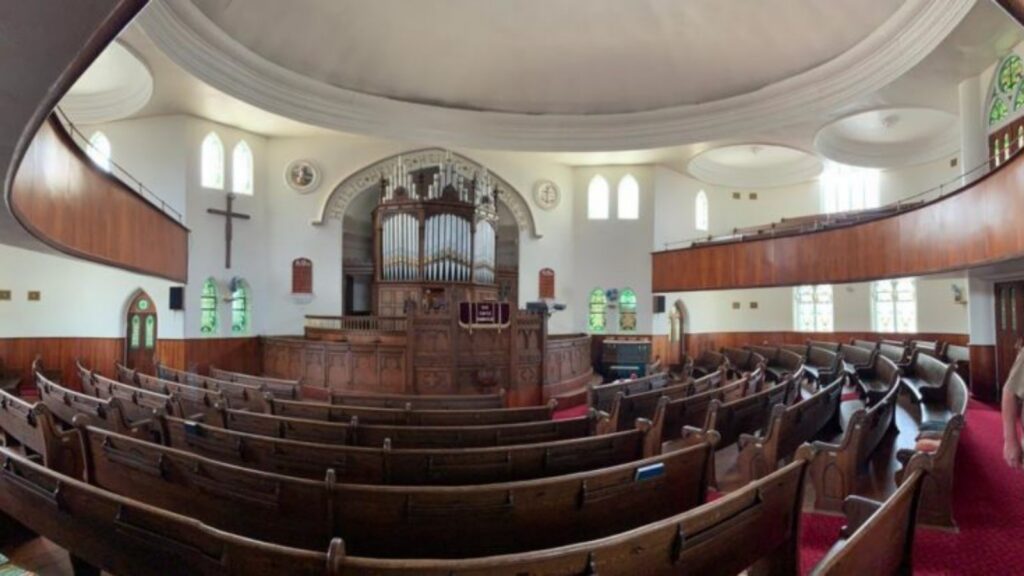
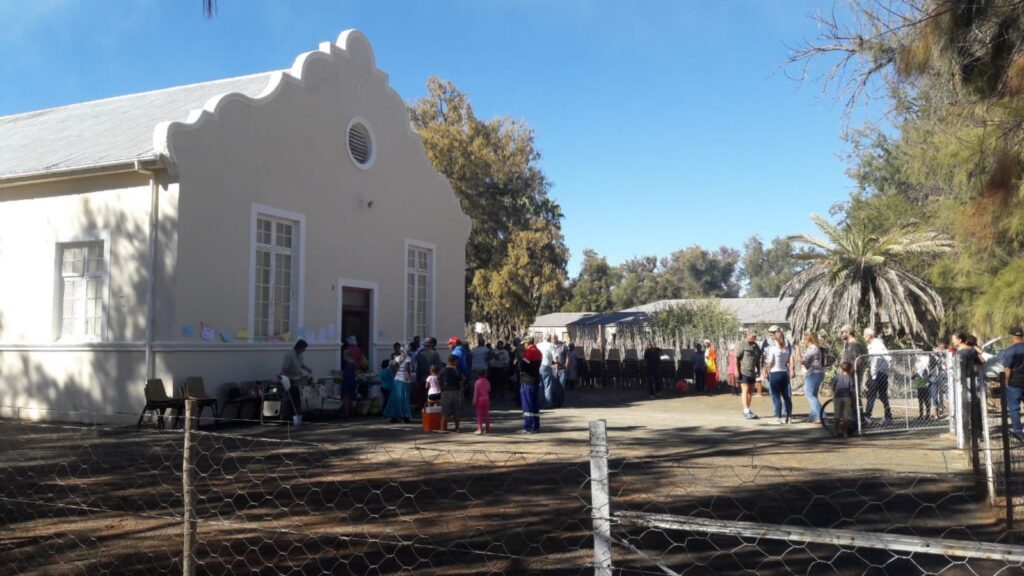
The town boasts more than 22 national monuments, including its Dutch Reformed Church, whose cornerstone was laid in 1909.
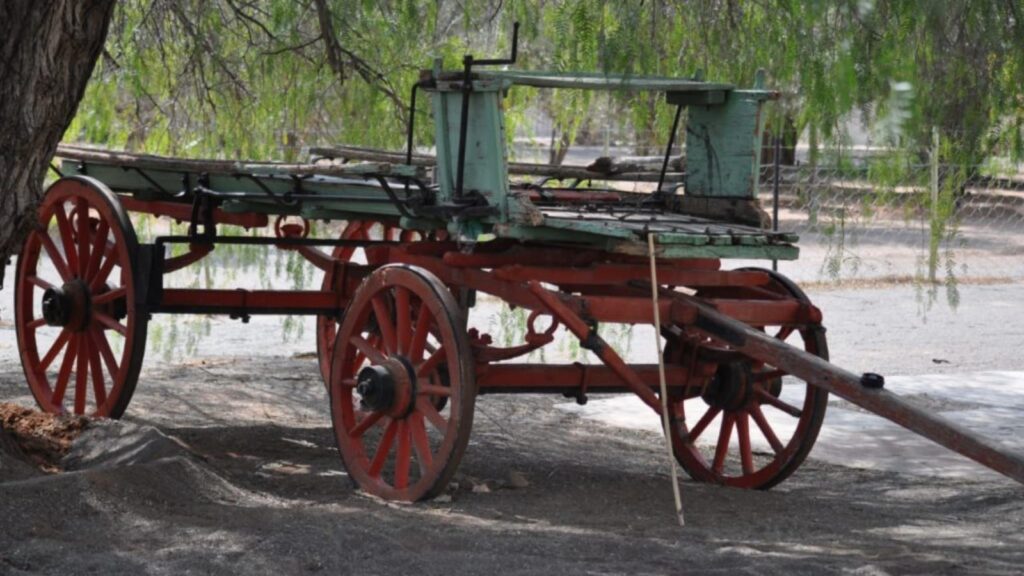
The Vosburg Museum houses the town’s varied history, containing historical relics, a horse-drawn hearse, and exhibits that portray the lifestyle and implements of the aboriginal KhoiSan people.
While it boasts many historic buildings, Vosburg is also surrounded by farms that contain an economic powerhouse.
Caviar of the Karoo
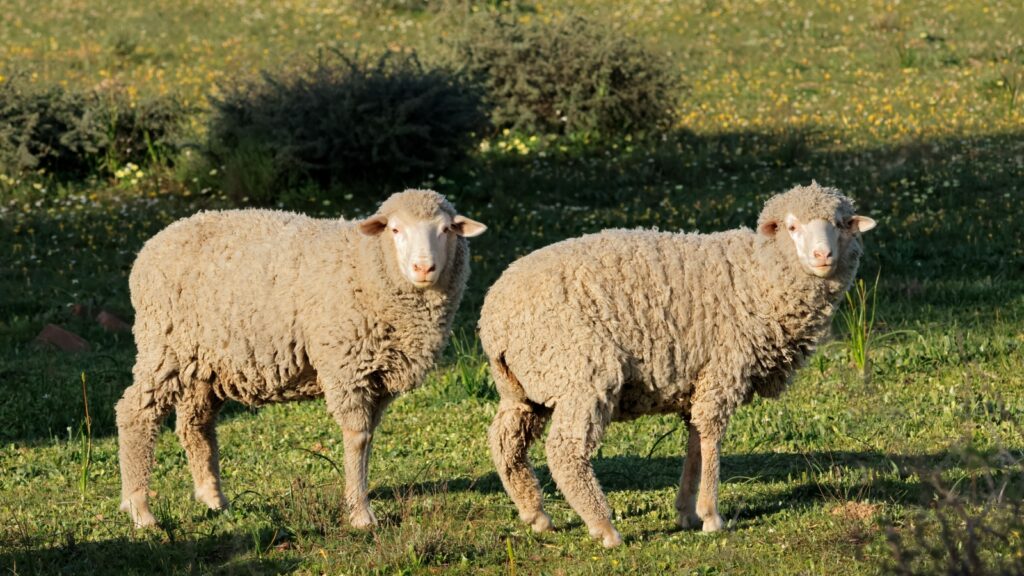
Vosburg is considered one of South Africa’s most important Merino-sheep farming centres, home to many farms that breed the premium animals.
Merinos have a long history in South Africa, with the country being the first outside of Europe to own these sheep.
This history goes as far back as 1789, when the Dutch government donated two Spanish Merino rams and four Spanish Merino ewes to the military commander of the Cape at the time, Colonel Jacob Gordon.
The colonel quickly recognised the breed’s potential and decided to keep it pure.
By 1830, wool sheep farming in the Western and South Western Cape was already fairly well established, and as the industry expanded, so did the Merinos.
Today, South African breeders have succeeded in developing a typical Merino on a par with the best in the world.
These breeds can now be found in almost every district in South Africa, and particularly the Northern Cape.
While Australia is the world’s largest producer of Merino Wool, South Africa is the second-largest producer and the largest global supplier of sustainably certified Merino wool.
The country generates roughly 40 million kilograms of Merino wool annually, with around 13 to 18 million Merino sheep spread across the country.
Merinos are distinct from what most South Africans would consider “typical” sheep due to their exceptional wool and meat.
Merinos’ thinner fibres ensure that the wool produced from their pelts is unequalled top-quality, considered the finest, softest, and most versatile in the world.
On top of that, Merinos’ free-range diet of indigenous, aromatic Karoo shrubs naturally infuses their meat with a unique flavour, making it highly sought-after and a premium delicacy.
This is what has given Merinos the nickname ‘caviar of the Karoo’, and buyers can expect to pay between R120 and R160 per kg for A-Grade Merino Lamb.
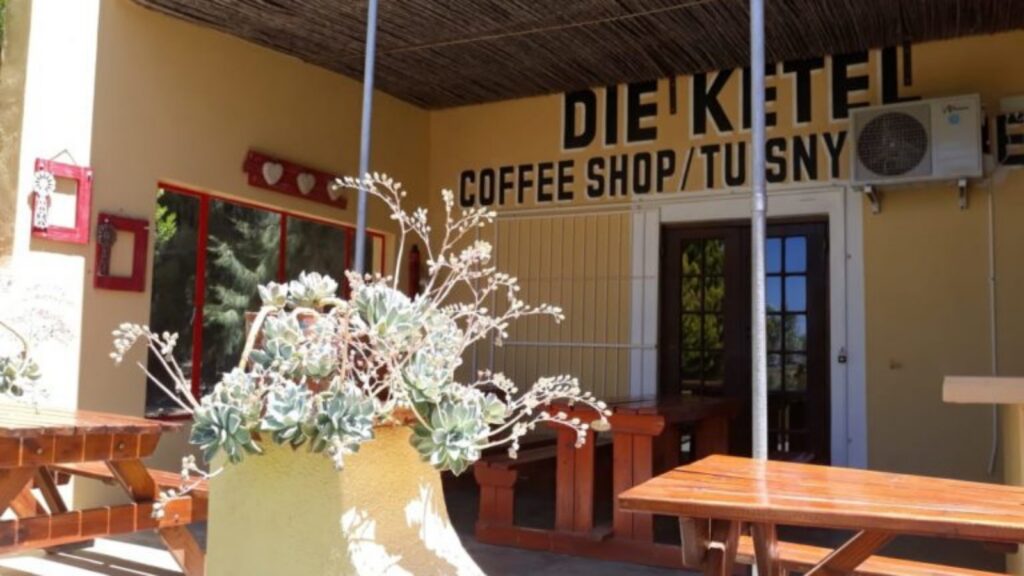
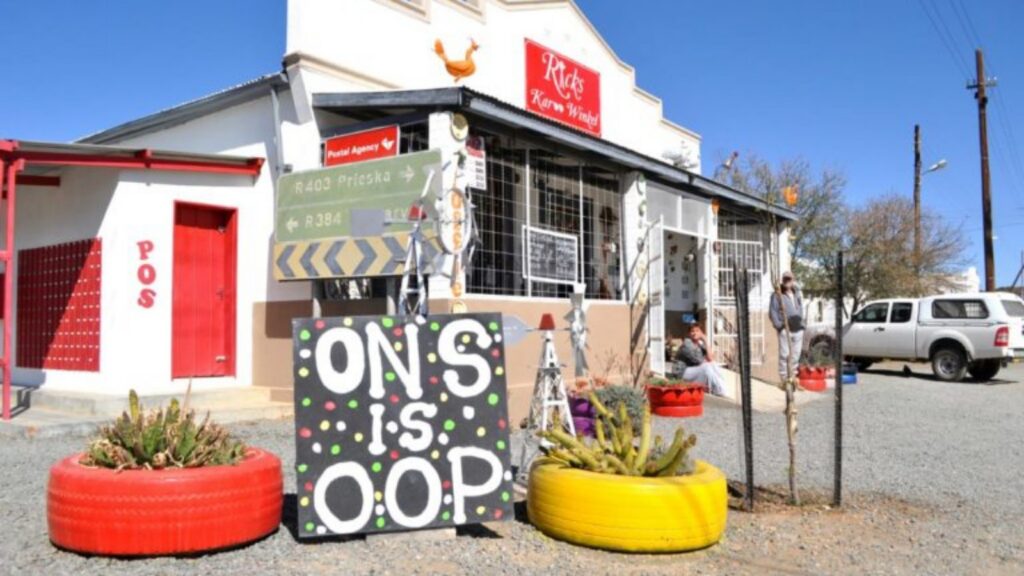
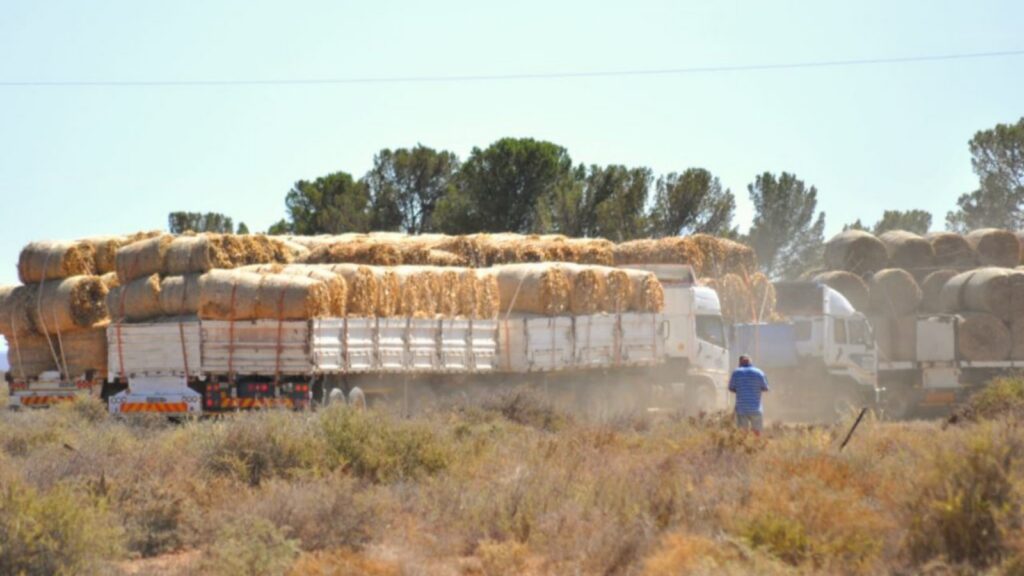
Photos of Vosburg





Comments