The South African man who was bankrupt at 48 and then created the world’s largest avocado producer


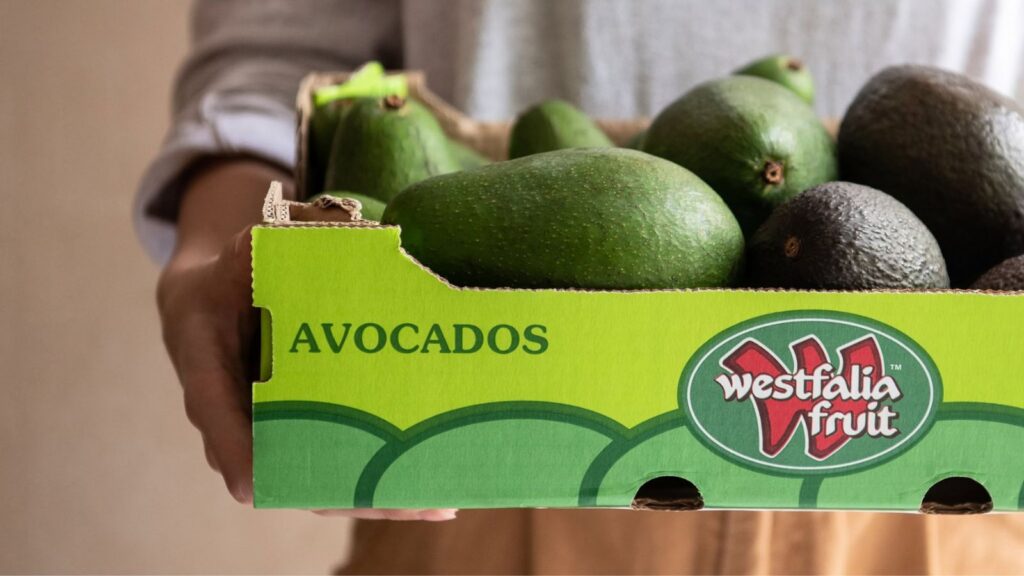
Westfalia Fruit is the world’s largest avocado producer and a sprawling international conglomerate producing fruit across five continents.
This international expansion all began from a single family estate in Limpopo, where the company still farms around 50% of all avocados in South Africa.
Commonly described as “The Avocado Experts”, the beginnings of Westfalia are found in another iconic South African industry – mining.
The company itself is relatively young at 75 years old, but the history of its founding family dates back to 1871, when Hans Merensky was born near Middelburg.
Born to a German missionary, Merensky loved the open spaces of South Africa and longed to return after growing up in Berlin.
Before he could return, his family forced him to be educated, and Merensky proved to be naturally gifted and hardworking.
Graduating from the University of Berlin with an Honours in mining engineering and geology, Merensky was ready to make his fortune in the gold fields of South Africa.
His first stop was the Prussian Department of Mines, but Merensky quickly grew to dislike the rigidity of the civil service. He took a leave of absence to visit South Africa in 1904 and never really left.
In love with the pioneering spirit of booming mining towns, Merensky set up a successful practice as a consulting geologist in Johannesburg.
Gaining a reputation for his integrity, Merensky spotted many false gold rushes. Most famously, he described the hyped-up gold rush in Madagascar in the 1900s as a complete fraud.
While his business was immensely successful, Merensky was not good with his personal money and speculated heavily on companies on the early JSE. When the market crashed, he was declared insolvent in 1913.
From then on, it only got worse for Merensky. With the outbreak of World War I, his history as an officer in the German Army saw him interred in a concentration camp near Pietermaritzburg for five years.
When he was released in 1919, Merensky was in desperate need of a miracle. He was deeply in debt, 48 years old, and severely ill.
The Midas Touch and the estate
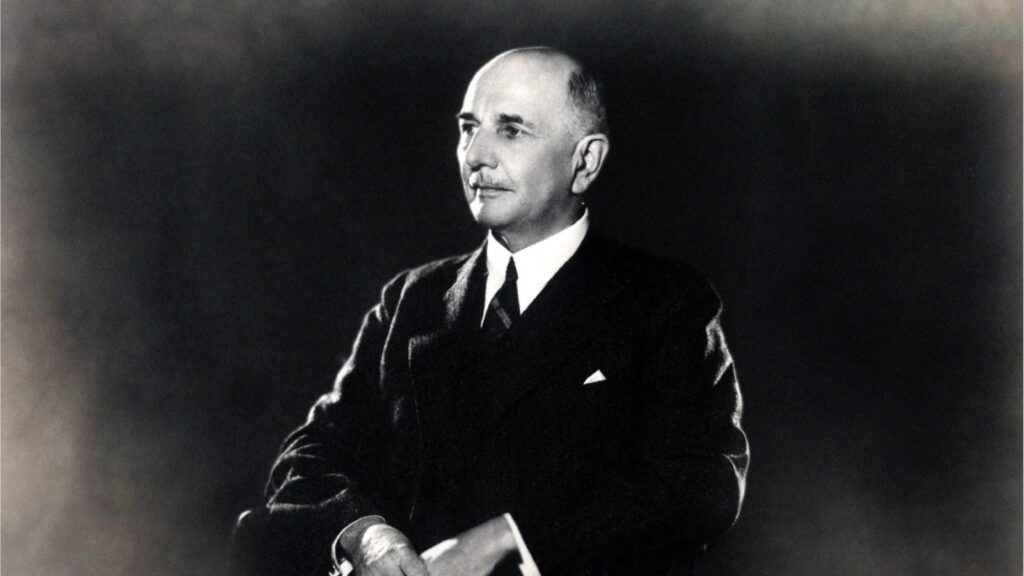
Merensky went on a run of discoveries that is unlikely to ever be repeated in mining history, with the 1920s turning him from a bankrupt geologist into one of the richest men alive.
It first began with the discovery of platinum in Lydenburg. Merensky traced the source and found a huge layer of platinum group metals (PGMs).
Today, this is called the Merensky Reef and is the largest deposit of PGMs anywhere on earth.
Merensky was not done with his discoveries. Next on his list was diamonds, which he discovered along South Africa’s west coast in Namaqualand.
This discovery was exceptional. Merensky traced the precious gems along a layer of fossilised oyster beds and found a trench of pure, large diamonds in Alexander Bay.
Merensky sold his claims to these diamonds for £1.2 million in 1926. This instantly cleared his debts and made him extremely wealthy.
Turning his attention to the country’s north, Merensky appeared to have the Midas Touch as anything he went near turned into rich mineral deposits.
Travelling near modern-day Polokwane, Merensky discovered vast chrome and phosphate deposits. These deposits were large enough to make South Africa completely self-sufficient in agricultural fertilisers.
Having made his fortune, Merensky wanted to return to what he loved – the open land of South Africa.
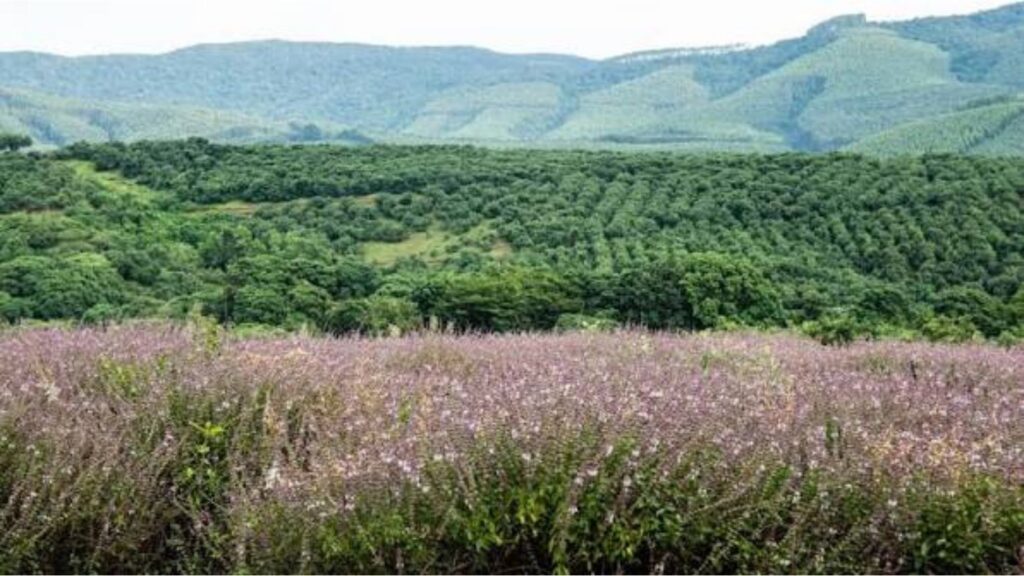
Merensky snapped up the Westfalia Estate near Tzaneen, where the land was severely degraded and deforested. Much of his wealth would be poured into reviving this stretch of earth.
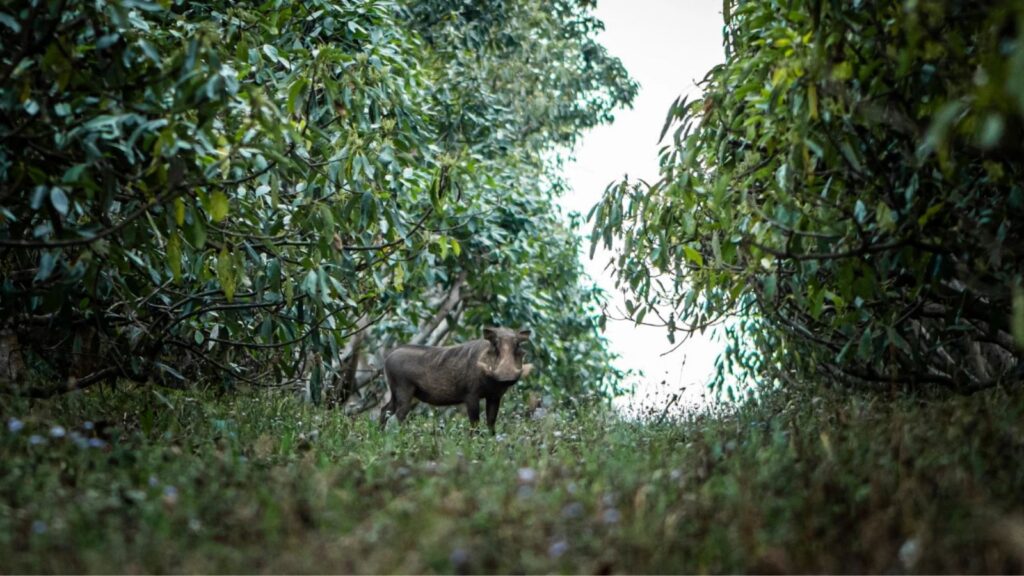
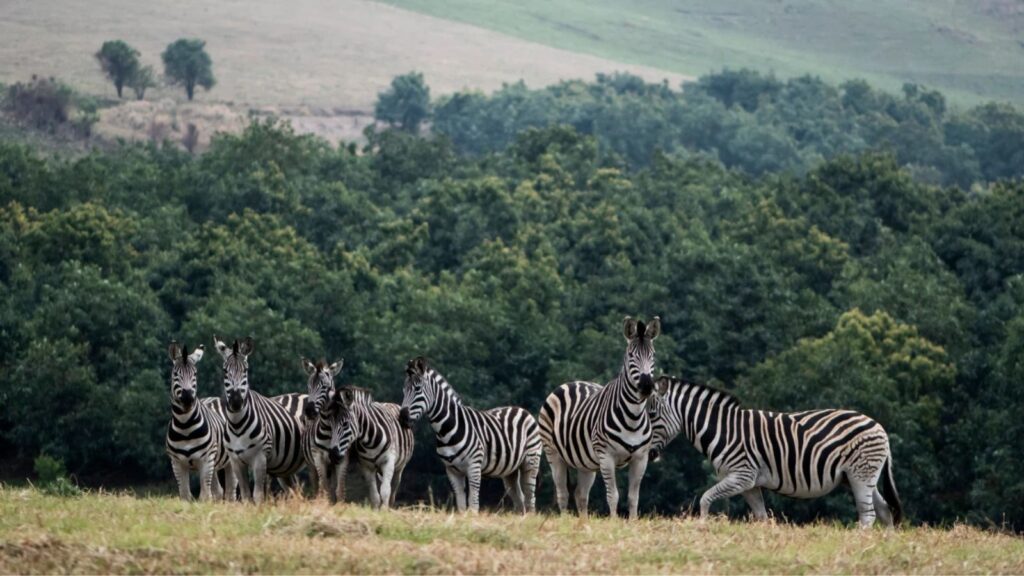
Clearing out invasive species, Merensky revived natural wetlands, rivers, and forests. He then turned to experimenting with citrus fruits and avocados.
Merensky never married and set up the Hans Merensky Trust to own Westfalia Estate and manage his vast philanthropic efforts.
The Westfalia Estate would be Merensky’s final resting place, with the miracle geologist passing away in 1952.
Westfalia takes over the world
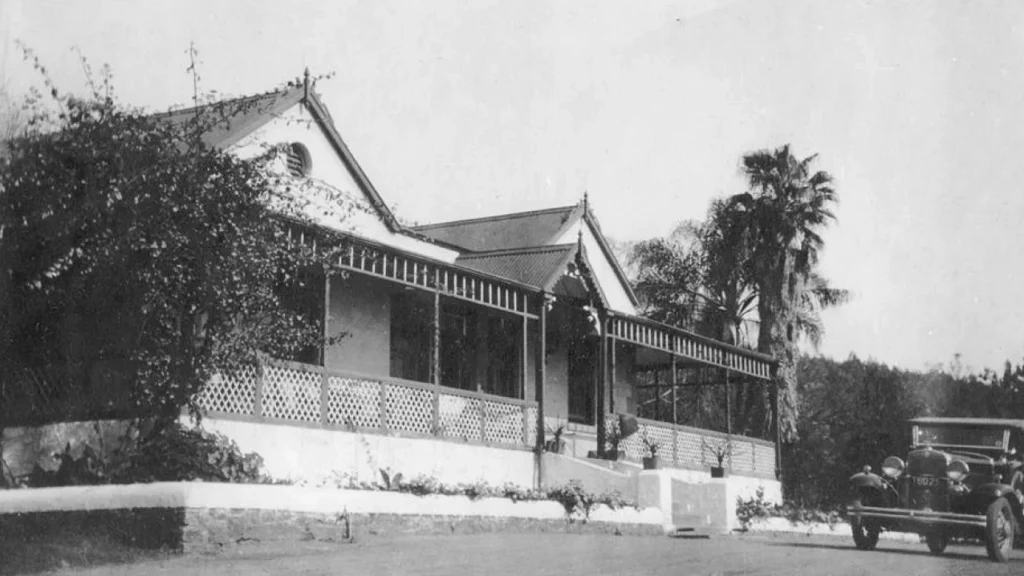
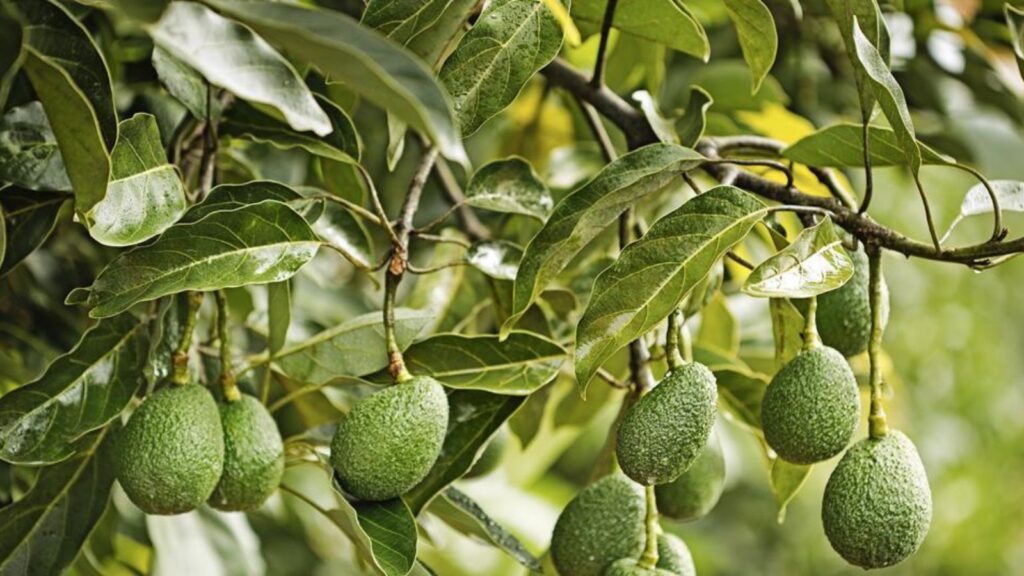
Merensky’s efforts at growing avocados on the estate proved farsighted, with some of these original trees still bearing fruit today.
The trust used much of the Merensky fortune to fund agricultural research centred around fruit farming and, in particular, avocados.
Westfalia is credited with pioneering the development of disease-resistant avocado root stocks, making the fruit trees more resilient and productive.
Its nurseries developed patented root stocks that are now licensed to farms around the world. This earned the company the moniker “The Avocado Experts”.
Gradually, the company grew and took over the land surrounding the estate, becoming an avocado-farming giant.
Westfalia quickly outgrew South Africa itself and expanded into farms across Europe, Latin America, North America, and other parts of Africa.
Still headquartered in Johannesburg, Westfalia now employs tens of thousands of people across five continents.
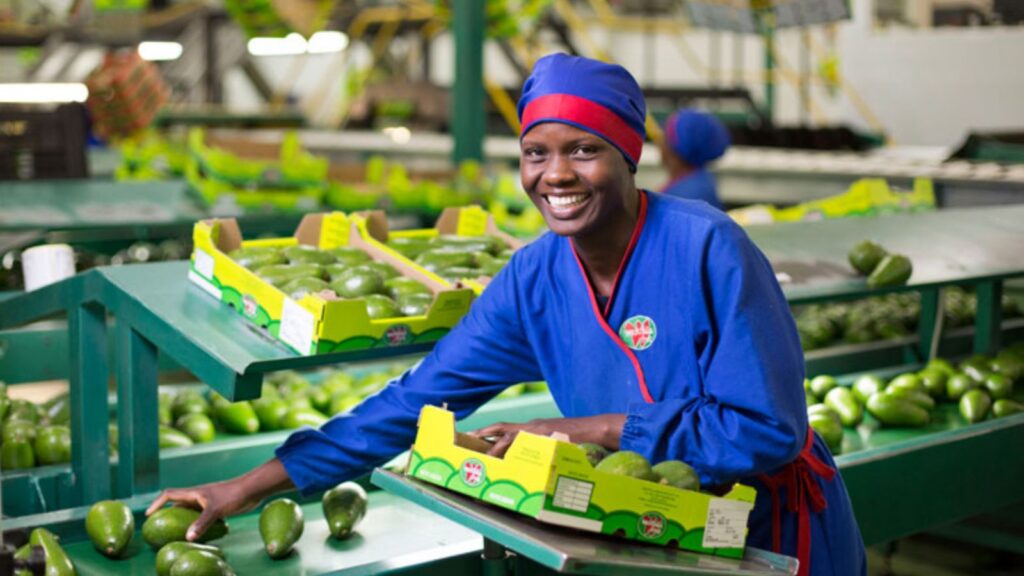
The Tzaneen estate still serves as the heart of its operations, producing between 13,000 and 18,000 tonnes of avocados annually.
Remarkably, the estate has achieved one of Merensky’s central ambitions in making the production of avocados practically waste-free.
Controlling the entire supply chain gives Westfalia control over how it handles sub-grade fruit that may be damaged or aesthetically unappealing.
These fruits are processed locally into avocado oil, guacamole, and purees, or individually quick-frozen avocado pieces.
Currently, Westfalia is on a mission to achieve lifetime net-zero carbon emissions by 2049. This will be exactly a century after Merensky planted his first tree on the estate.
Westfalia is still owned by the trust, which is now called the Hans Merensky Foundation.
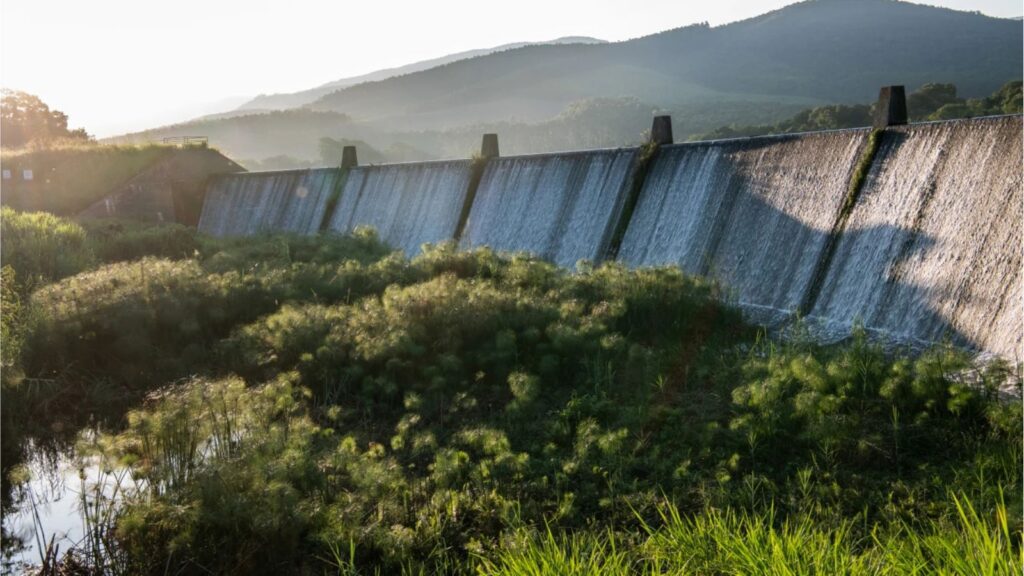
Westfalia Fruit and the estate today
Comments