SARS extends important deadline for taxpayers in South Africa


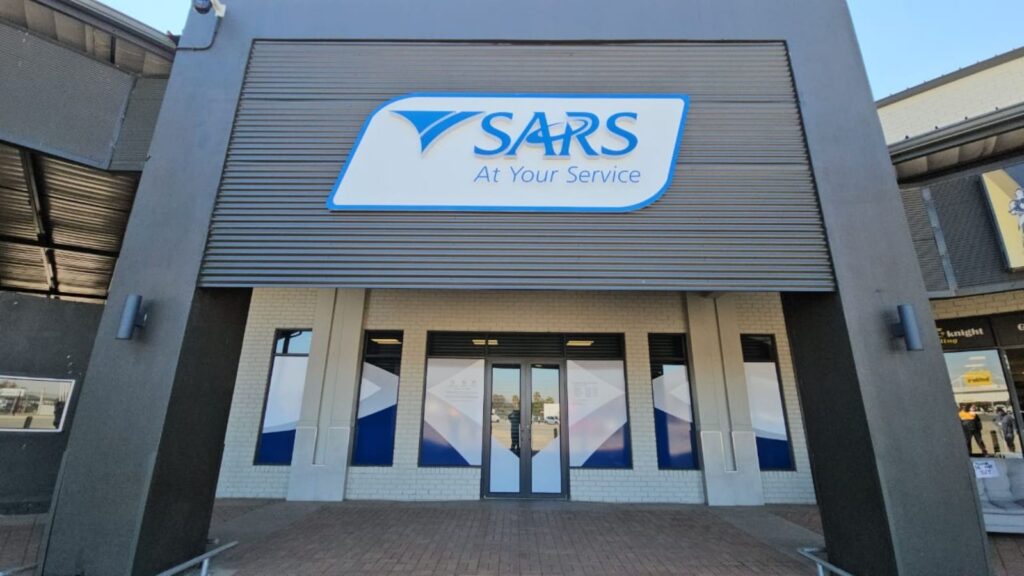
The South African Revenue Service (SARS) has extended the deadline for taxpayers eligible for automatic assessments to request corrections to their 2026 auto-assessments until 23 October 2026.
On 19 June 2026, just ahead of the 2026 filing season, SARS issued a further notice, extending the date by which taxpayers who are eligible for automatic assessment may request corrections.
Now, taxpayers who are eligible for automatic assessment under the 2026 Notice to Submit Returns may request a reduced or additional assessment from SARS by 23 October 2026.
The 2026 Filing Season will begin with an auto-assessment period from 1 July to 12 July 2026, during which SARS expects to issue approximately 6 million automatic assessments.
While this extension is a welcome development, it should not be misunderstood as a general relaxation of compliance obligations.
This is according to Tax Consulting South Africa’s MySARSAssistant, Robyn Gilbert, and Client Support Specialist for Tax Return Services, Jaydi Smit.
They explained that this extension is really a reminder that taxpayers and tax practitioners must act quickly once an auto-assessment is issued.
“The failure to do so may cause a relatively simple correction process to evolve into a far more complex legal dispute,” Gilbert and Smit warned.
A common misconception is that where SARS issues an auto-assessment, any error in that assessment becomes “SARS’ problem”.
“This is incorrect. The onus remains on the taxpayer to ensure that their tax affairs are complete and correct,” they said.
Even where SARS has issued an assessment based on third-party data, Gilbert and Smit stressed that the taxpayer remains responsible.
They must verify that all income, deductions, gains, exemptions, and relevant factual disclosures have been properly declared.
“This is particularly important because SARS may not have the taxpayer’s full factual position. Accordingly, an auto-assessment must be checked as soon as possible to allow sufficient time for corrections,” they said.
“Where it is correct, the matter can be closed. Where it is incorrect, the taxpayer must act within the prescribed timeframe.”
The risks of missing the correction window

Where the taxpayer acts within the applicable period, Gilbert and Smit explained that the assessment may be corrected by requesting a revised return.
“However, where the taxpayer misses the relevant timeframe, the matter may move into a more complex legal process,” they said.
“This may require the taxpayer to lodge an objection, motivate condonation where time periods have been missed, and provide a detailed legal and factual basis for the relief requested.”
As such, a correction that could have been addressed efficiently during filing season becomes a formal tax dispute, Gilbert and Smit cautioned.
“The latest notice also highlights a broader trend in SARS administration. Tax compliance is no longer only about submitting a return once a year,” they said.
“SARS now communicates extensively through notices, auto-assessments, verification letters, completion letters, statements of account, penalty notices, final demands and other electronic correspondence.”
According to Gilbert and Smit, each notice issued by SARS may create a specific deadline, risk, opportunity, or required action.
“For taxpayers and tax practitioners, the key issue is therefore not only whether SARS issued a notice, but whether that notice was identified, understood, allocated, actioned and closed off in time,” they said.
“Taxpayers who are uncertain about their assessment or wish to request a reduced or additional assessment should engage directly with tax advisors well-versed in dealing with SARS assessments.”




Comments