South Africans taking down drones face R50,000 fines and up to 10 years in prison


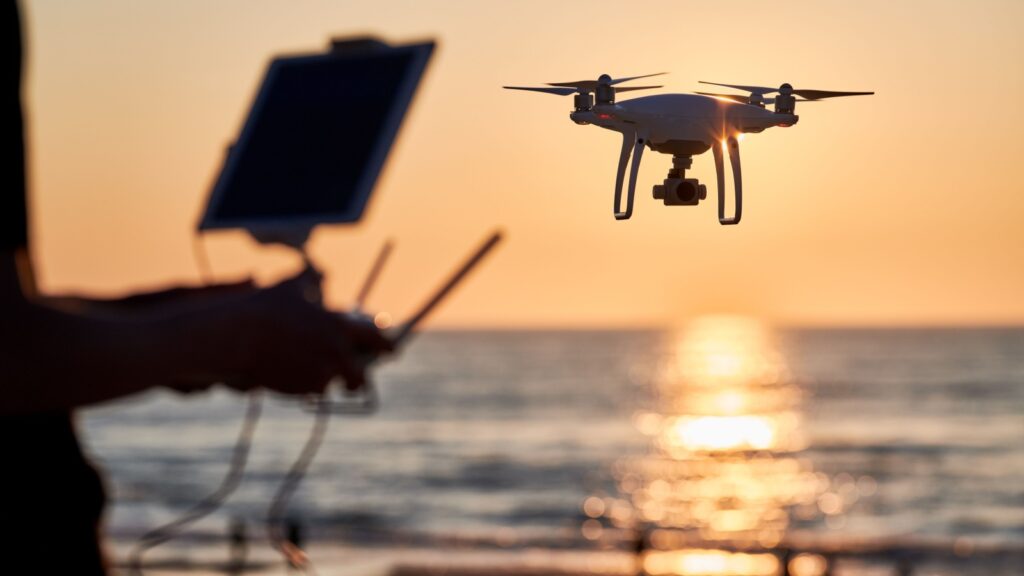
Concerns around drones in South Africa are on the rise, putting both owners and those trying to take drones down at risk of privacy law violations, court cases, steep fines, and even imprisonment.
Police warnings ahead of the 2026 Comrades Marathon, along with increasing neighbourhood incidents, are revealing widespread breaches of aviation and privacy law.
This is according to Van Deventer Dowlath and Marx Incorporated Director, Cor van Deventer, who referenced a public warning issued by the South African Police Service (SAPS).
SAPS stated that the entire 86 km Comrades Marathon route was a ‘no-fly zone’ and that unauthorised drones would be ‘taken down operationally’, reflecting concerns around the country’s illegal drone activity.
Ahead of the race, a police spokesperson was quoted as saying that unauthorised drones would be shot down, adding that ‘counterintelligence measures’ would be used to disable them.
The Comrades Marathon Association issued its own notice reinforcing the ban, citing aviation law, safety concerns, and the risk of interference with emergency operations.
“When SAPS is prepared to disable drones during a major national event, it underscores that these devices are regulated aircraft,” Van Deventer said. “They’re not toys. They carry legal consequences.”
Drone misuse is no longer an occasional problem. “Drones are everywhere – roads, residential neighbourhoods, farms, and business districts. So while the law is clear, public behaviour is obviously not,” he said.
According to Van Deventer, the enforcement plan used at the Comrades’ was more than a once-off security measure.
“It’s a sign that drone misuse has reached a point where public safety, privacy, and aviation law are being affected,” he said.
He added that it is only a matter of time before the first drone court case is heard, “because the incidents we’re seeing now are neither isolated nor harmless”.
The law and recreational flying

South Africa’s drone laws are set out in the Civil Aviation Act and Part 101 of the Civil Aviation Regulations.
Van Deventer explained that the rules apply to all drones except the smallest toy-grade devices. Restrictions include:
- No flying within 50 m of any person, building, structure, vehicle or public road
- No flying over private property without the owner’s permission
- No flying within 10 km of an airport or airfield
- No flying at night without specific approval
- No flying beyond the visual line of sight
- A maximum altitude of 120 m
“Many South African hobbyists mistakenly believe that drones under 250 grams are exempt from all rules, but even sub-250 g drones must follow the 50 m and privacy laws,” he said.
“And once you apply the 50 m rule, compliant recreational flying becomes almost impossible in built or semi-built environments. Most of the drone flights happening in suburbs, along roads or near complexes are actually unlawful.”
Capturing footage of identifiable individuals or private property without consent is also illegal under the Protection of Personal Information Act (POPIA) and will expose operators to civil and criminal liability, he warned.
Drone misuse is often framed as a privacy issue. However, Van Deventer said the acoustic signature of drones is an overlooked safety factor.
“A drone produces a distinctive high-frequency whine, layered with rapid, irregular modulation from its propellers,” he explained.
“To humans, the noise is irritating, but for cats, dogs and livestock, it’s a threat from a predator which will trigger defensive behaviour. That’s why the law prohibits flying close to people and animals.”
One of the complaints relating to drone usage Van Deventer recently received was from a Cape Town resident.
She reported that a man who regularly walks along the pavement outside her gated complex, directly opposite another estate, was flying a drone overhead. Van Deventer said this single incident involved several legal breaches.
Potential breaches include flying within 50 m of buildings and people, flying over private property without permission, potential POPIA violations, and repeated flights that could amount to harassment.
The risks of ‘taking down’ a drone
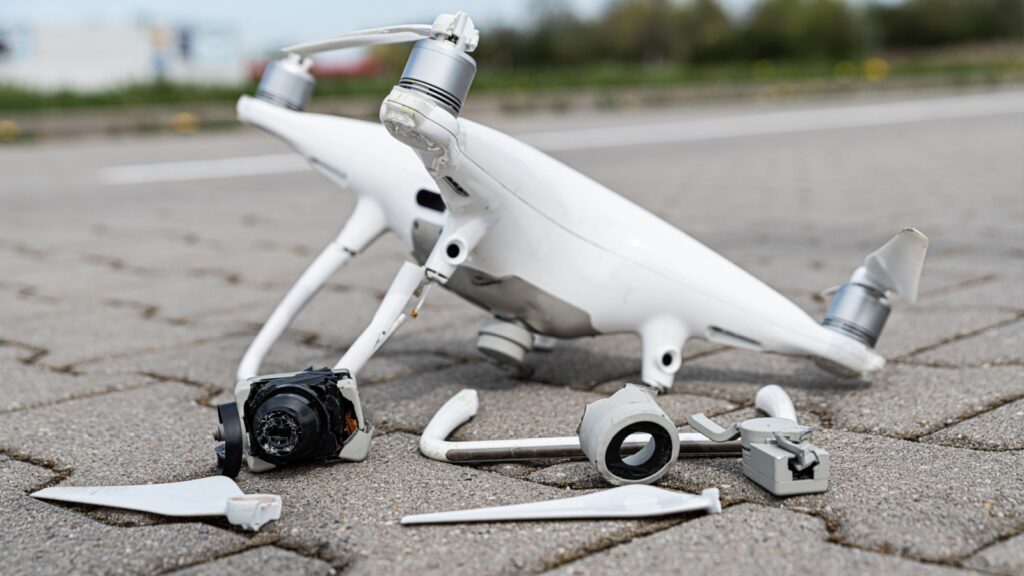
The Comrades’ warnings also sparked public debate about whether drones can legally be “taken down”. Van Deventer clarified that private individuals are not allowed to disable a drone under any circumstances.
He explained that, under South African law, a drone is an aircraft, and interfering with an aircraft carries heavy penalties.
“In terms of the Civil Aviation Regulations, a criminal offence or breach of the regulations can carry a fine of up to R50,000, a period of imprisonment up to 10 years, or both,” he said.
“Under the broader criminal provisions of the Civil Aviation Act, acts that endanger or destroy aircraft in service carry significantly higher, uncapped statutory penalties – often up to 30 years.”
SAPS and authorised state bodies are permitted to disable drones, but only under controlled conditions and only when justified by public safety or aviation security mandates, he added.
“It’s a criminal offence for people to throw objects at drones, jam their signals or try to bring them down. Only the state may act, and even then, only within strict limits,” he said.
Despite the rise in drone misuse, South Africa hasn’t yet seen a reported court case directly addressing unlawful drone operation, Van Deventer said, saying this absence is “telling”.
“Sometimes, a lack of action speaks volumes. The lack of case law isn’t a sign of weak regulation. It’s a sign of untested regulation – for now,” he said.
“But sooner or later, a drone is going to hurt someone, damage property, or cause a serious privacy breach, and when that happens, the courts will have to interpret these laws.”
The importance of a drone policy
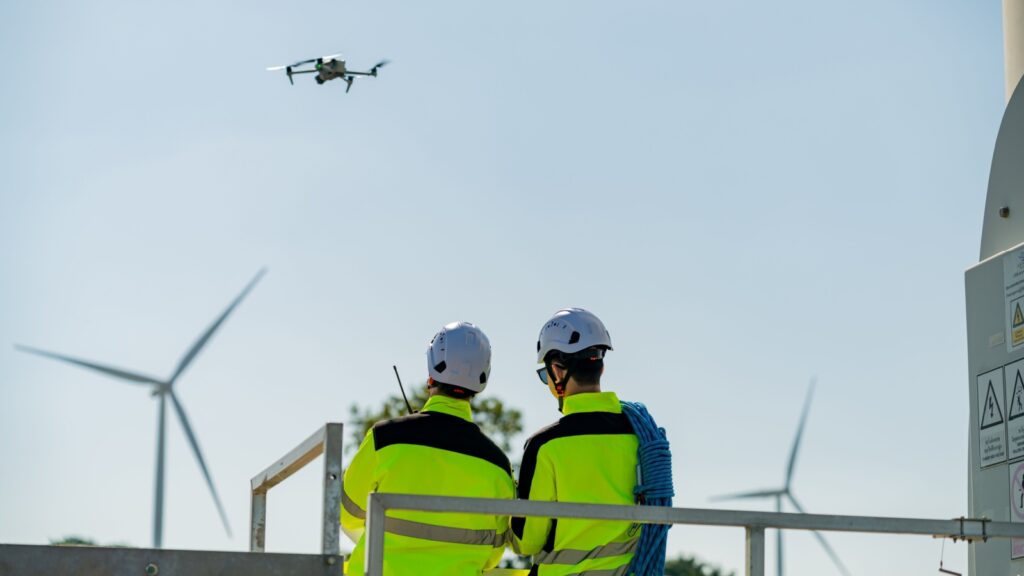
Van Deventer recommended that organisations responsible for land, shared spaces, or precinct management immediately implement drone-use policies in line with national aviation law.
These policies should prohibit unauthorised flights entirely, allowing only accredited operators with valid Remote Pilot Licences and Remote Operator Certificates to do approved work, such as security or maintenance.
Governing documents also need to include indemnities that protect the organisation from liability arising from privately operated drones, as well as a defined penalty framework to ensure consistent enforcement.
When dealing with a drone issue, Van Deventer cautioned against engaging in a confrontation or attempting to interfere with it.
The correct course of action is to document dates, times, and flight paths, and provide a description of the operator.
The activity must then be reported to a body corporate or homeowners’ association, and then escalated to SAPS if the behaviour continues.
When reporting to SAPS, Van Deventer stressed that people must make it clear that the drone is being flown within 50 metres of buildings and people, in breach of Part 101, and that there is potential for POPIA violations.
“The South African public needs a clearer understanding of drone law and a willingness by governing bodies to enforce it,” he said.
“Drones can be valuable tools, but they have to be operated within the law. The safety, privacy and peace of communities depend on it.”






Comments