South Africa lost much more than R1.5 trillion due to state capture


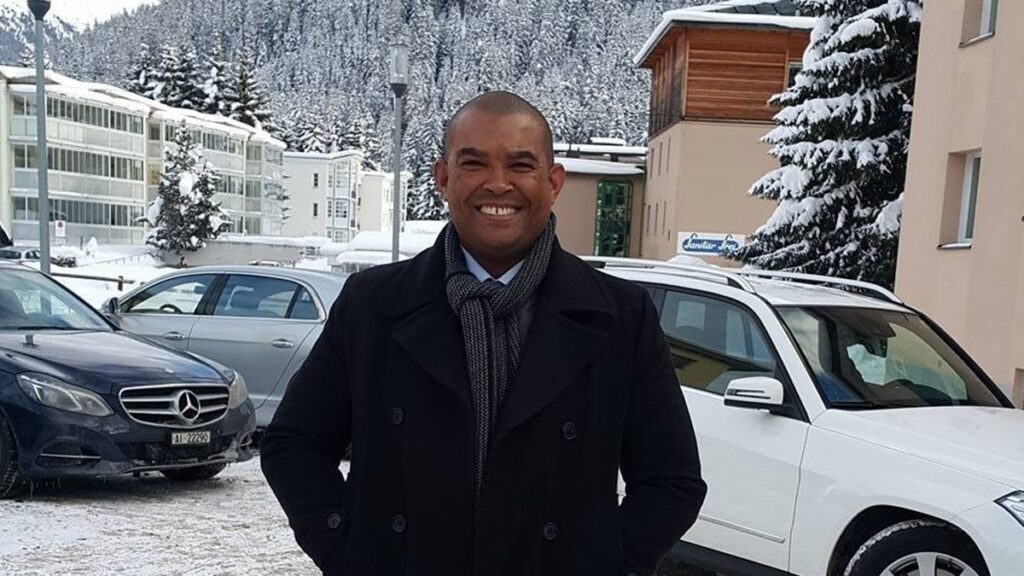
Rudi Dicks, Head of the Project Management Office in the Presidency, said the greatest damage caused by state capture was the loss of good public servants.
Dicks shared his views during an interview with the Centre for Development and Enterprise about Operation Vulindlela.
He is the co-lead of Operation Vulindlela, a joint initiative between the Presidency and National Treasury.
The project aims to accelerate structural economic reforms, modernise network industries, and improve the visa system.
These initiatives are targeted at unlocking investment, creating jobs, and boosting sustainable economic growth.
By having to address the problems at companies like Eskom and Transnet, Dicks had a front-row seat to the damage done by state capture.
State capture during former President Jacob Zuma’s second term is estimated to have cost South Africa up to R1.5 trillion.
However, Dicks said this is not the country’s most significant loss during the state capture years. Instead, it was the loss of human capital.
“People are underestimating the level of state capture. It went well beyond bad people stealing money,” he said.
“It was the degradation of the capacity of people who were good and capable public servants, including directors general.”
He said top employees, including many directors and deputy directors, were pushed out of the system during this time.
“People who were honest, frank, and hard working were hounded out of the system. They wanted good implementation and monitoring,” he said.
They were replaced by people of much lower calibre, who would merely sit around and earn salaries.
State capture in South Africa
The state capture era in South Africa is widely associated with Zuma’s presidency between 2009 and 2018.
During this time, private interests, most notably the Gupta family, systematically captured state institutions to redirect public funds for private gain.
While corruption is often seen as individuals breaking the law, state capture was described by the Zondo Commission as a political-economic project.
This means that the state was used to benefit corrupt individuals, aided by politicians and government employees.
State capture in South Africa went beyond mere money theft – it was about repurposing state machinery.
Key loyalists to Zuma and his party were placed in top positions at state-owned enterprises and law enforcement.
Competent, honest officials, like those at the South African Revenue Service, were marginalised or fired to remove roadblocks to corruption.
In one case, which sent the markets into turmoil, Finance Minister Nhlanhla Nene was dismissed in 2015.
He was briefly replaced by the then-unknown Des van Rooyen, which was widely seen as the Gupta family’s attempt to gain direct control over the nation’s finances.
Estimates of the total cost of state capture vary, but the South African Reserve Bank suggested it may have reduced GDP growth by roughly 4% per year.
The mismanagement and corruption at Eskom during this era directly contributed to South Africa’s severe energy crisis and load-shedding.
Agencies like the National Prosecuting Authority and the State Security Agency were also severely weakened, requiring years to rebuild.

Comments