The woman who founded a South African sweets empire out of her kitchen


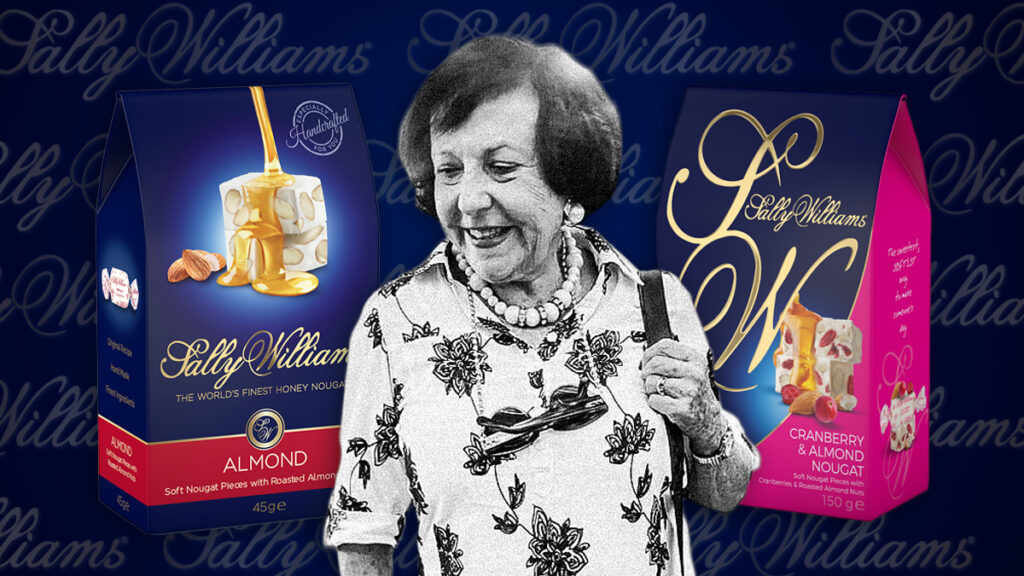
Sally Williams went from making failed batches of nougat in her kitchen to creating one of the biggest luxury sweets companies in South Africa.
But before the Sally Williams brand that exists today, there were multiple trips around the world, a sour deal with Woolworths, and fierce competition from global chocolate brands.
Sally Williams had been running a successful cookery school in Johannesburg’s Northern Suburbs for most of her working life.
One day, her family’s favourite nougat stopped being produced by the United Kingdom-based brand Callard and Bowser. This made her wonder whether there was a gap in South Africa’s nougat market.
During a culinary tour in Marrakesh, Morocco, Williams found herself inspired by the honey nougat on offer.
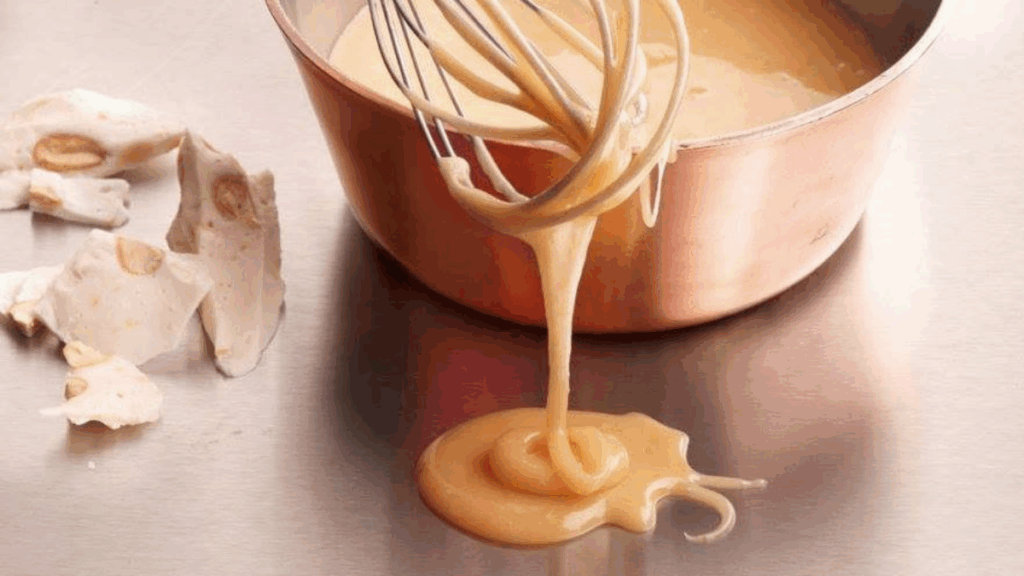
She spent months in her kitchen trying to recreate the sweets, but the results were terrible, with batches either coming out much too hard or too soft. Williams nearly abandoned the entire project.
However, a year later, at a market in Hammamat, Tunisia, she tasted the best nougat of her life. She managed to track down the local nougat maker, who was operating out of a garage.
Speaking in broken French, Williams tried to convince him to come back to South Africa to make nougat for her business.
He refused to take her offer or sell his secret recipe, but he agreed to spend the afternoon teaching her some tips and tricks.
Unfortunately, by the time she arrived home, she had completely forgotten everything he told her, which meant she was back at square one.
So, she again started testing different recipes in her own kitchen, using her students to taste her sweets. After another year working on her recipe, Williams finally perfected it.
All of her hard work instantly paid off when one of her students’ husbands, Mervyn Brittan, who ran a chain of sweet stores, Brittan’s Sweets, tasted the nougat and immediately placed an order.
Founding a nougat empire
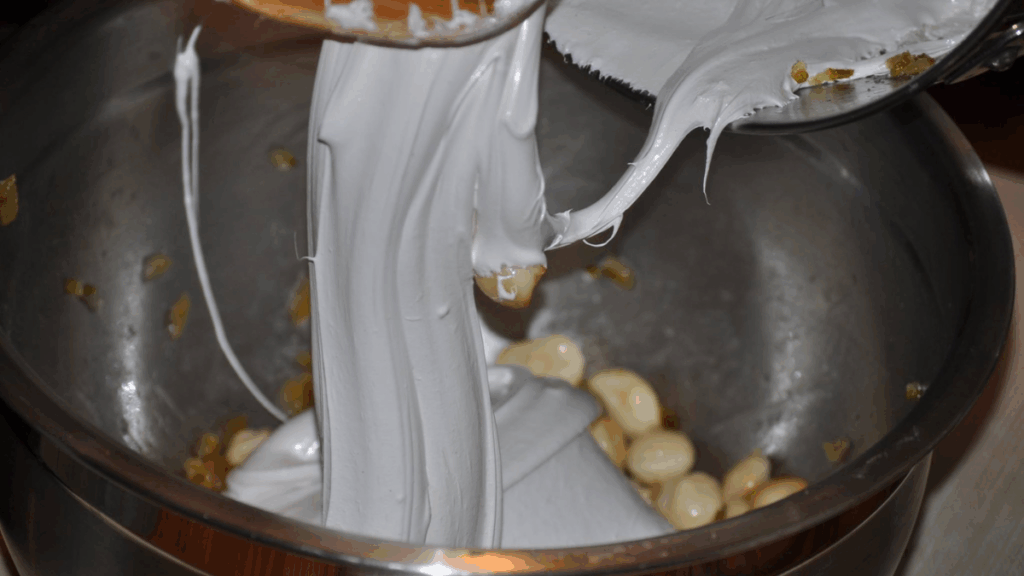
In 1999, William’s first batch of 100 packets of nougat sold out in two days. Upmarket grocer Thrupps, and other retailers like The Breadbasket and The Nut Lady, also started stocking her nougat.
At the start, all the marketing was done by word of mouth. Williams would also walk into stores unannounced and try to get them to stock her products.
The operation quickly outgrew Williams’ kitchen, and she had to move to her garage. However, within six months, her nougat business outgrew this space too.
Williams called in her son-in-law, Mark Sack, a Johannesburg entrepreneur, to help formalise and expand the business.
He rented a 600 m² space in Kramerville, where they had proper storage, packing, air conditioning and dehumidifying equipment to formalise manufacturing.
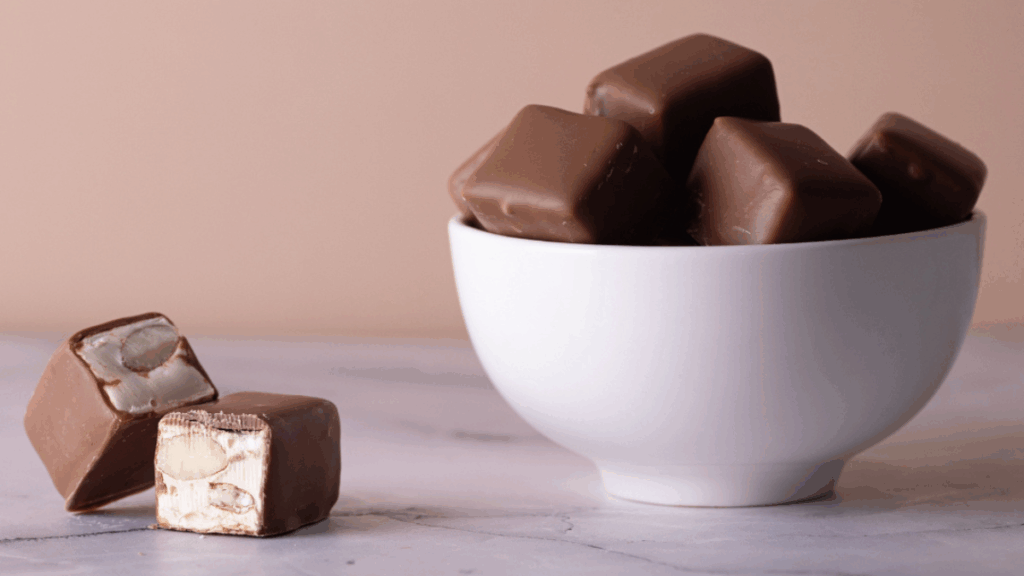
Even as the business grew, they knew the focus had to remain on quality. They used only the best, from imported Belgian chocolate to high-quality local honey and macadamia nuts.
Interestingly, their demand for honey was so high that Sally Williams became one of South Africa’s biggest bulk users.
Although there were only two other high-end nougat brands on the market, Wedgewood and Coach House, Sally Williams was fighting for dominance in an even bigger market – gifting.
This meant that the business had to compete against giants like Lindt, Toblerone and Ferrero Rocher, which all had much bigger marketing budgets and international backing.
At the same time, cheap sugar from countries like Brazil was flooding the mass market. This was a big problem for Sally Williams, because local sugar was, interestingly, one of their most expensive ingredients.
This meant that they had to fight against the growing perception that all nougat had to be cheap. This made their brand identity a key part of the business.
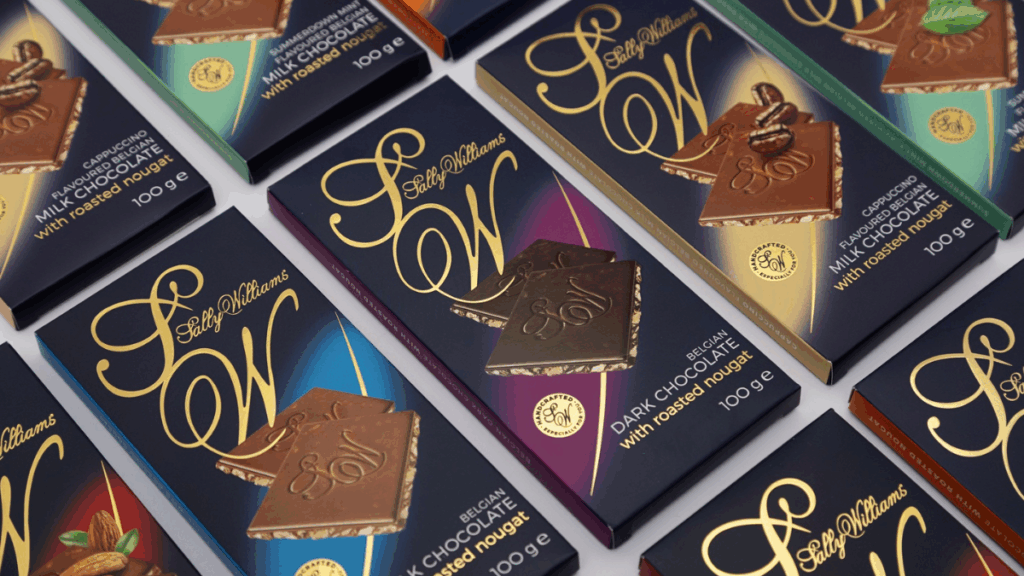
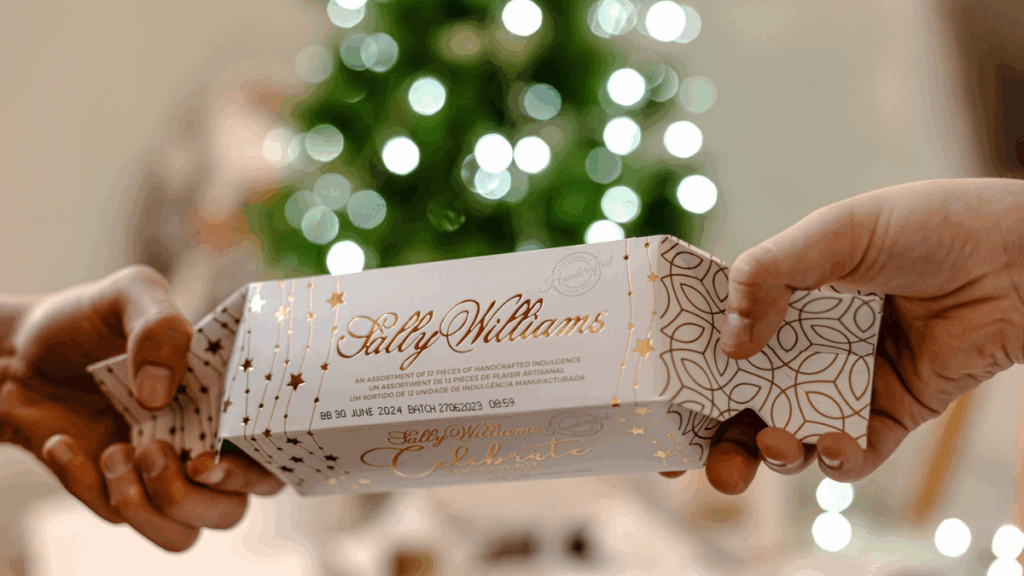
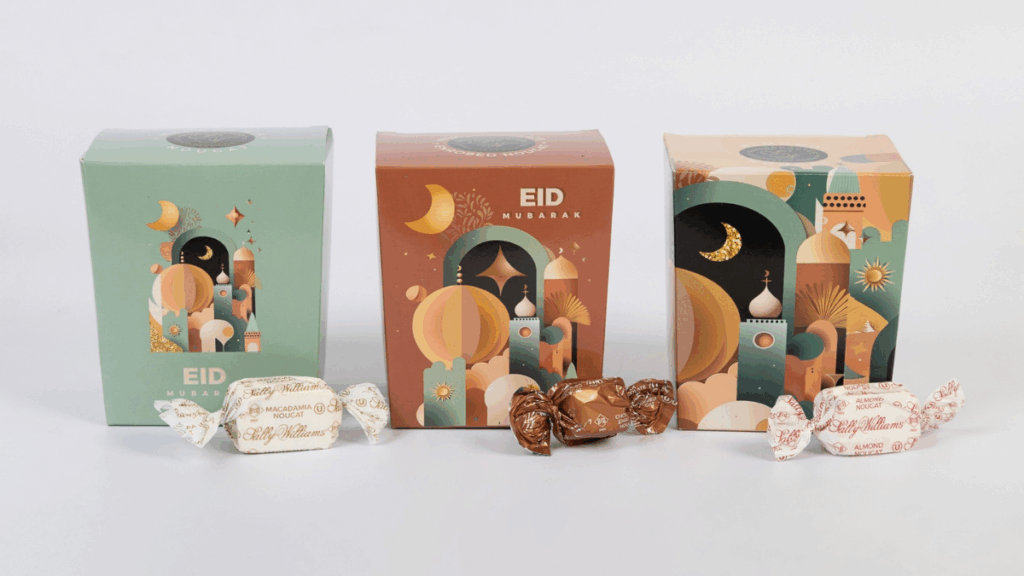
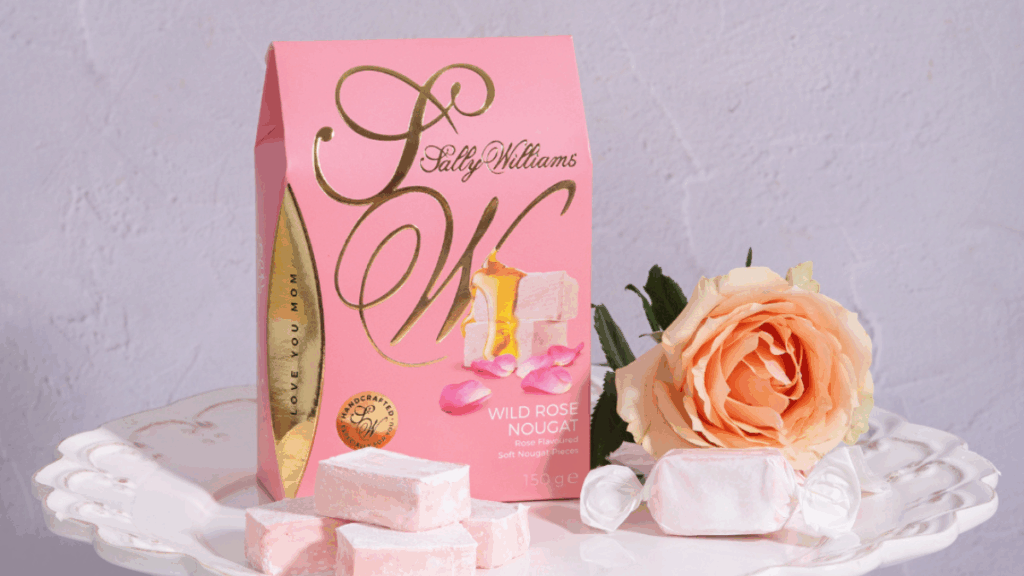
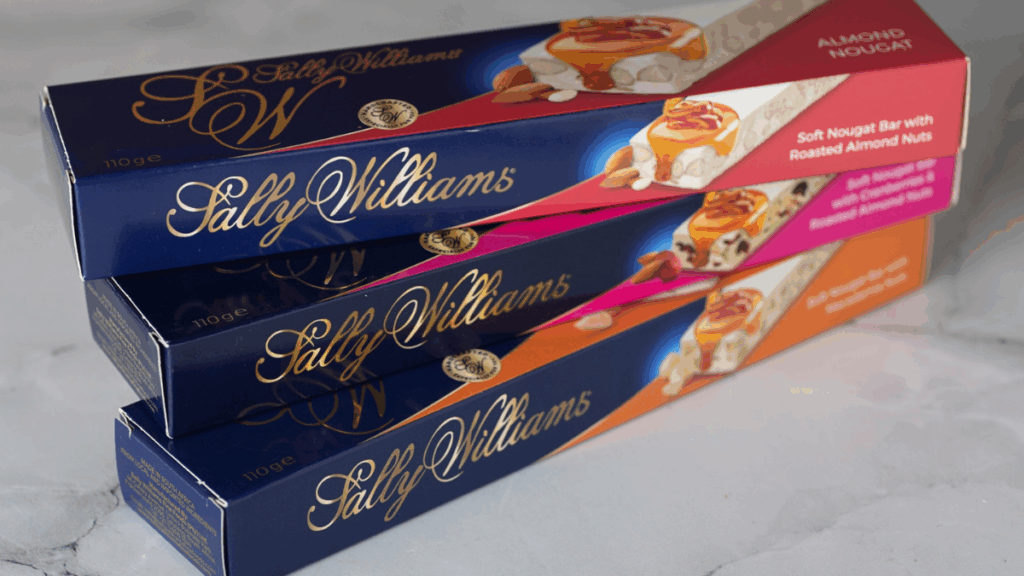
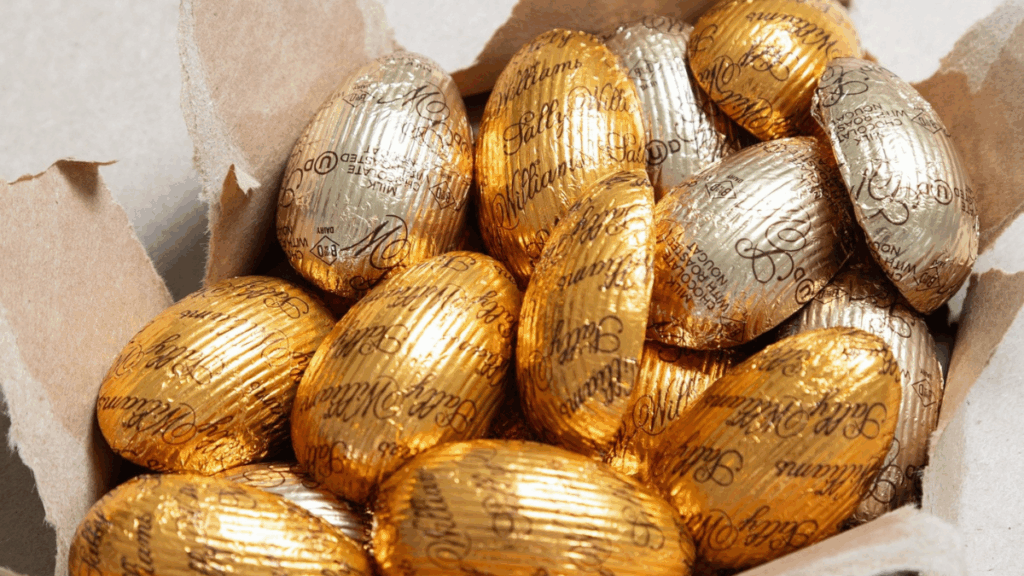
Sack came up with ideas on how to brand the nougat properly, by individually packaging every sweet and adding the name “Sally Williams” to the wrapping. According to Sack, this touch made the product feel home-made.
This became such an important part of the business that they even refused an offer to make nougat for Woolworths, since it would have required dropping the name.
Woolworths retaliated against this decision and refused to stock Sally Williams’ nougat for five years, until reluctantly adding their range in 2008.
Expanding the business
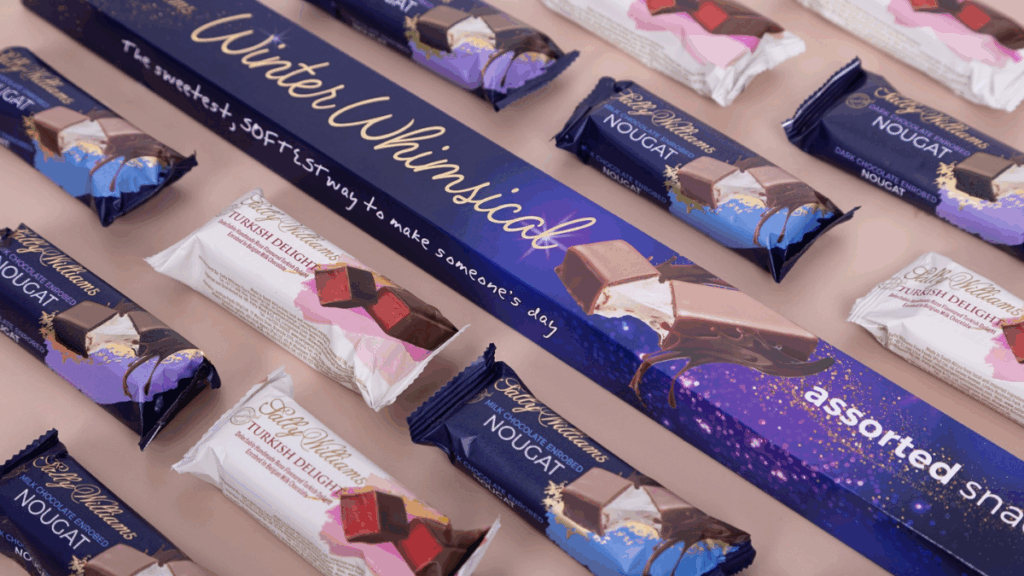
Sack wanted to make Sally Williams the go-to product for higher-income South Africans. He also had the idea to sell individual servings of nougat at store checkouts to allow average consumers to access the product as well.
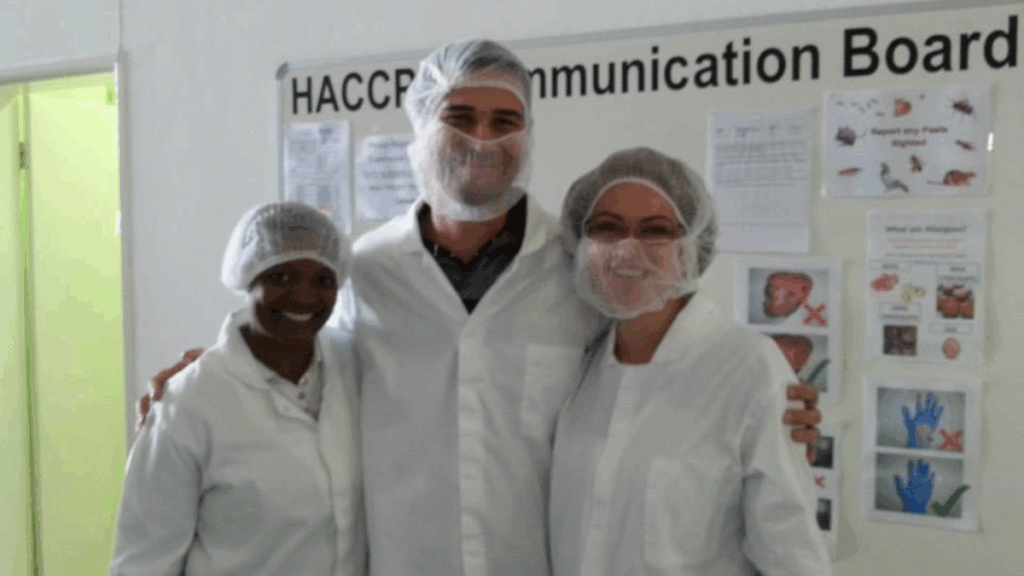
He invested in securing international food safety standards, which made the products more appealing to international clients, who may have had a negative perception of African-sourced food items.
Within the first 18 months, she had to move to a factory, and by early 2003, they had moved to a custom-built, 2,500 m² factory. This expansion allowed them to start selling to larger retailers.
Less than five years after the business started, they were already receiving global recognition. In 2003, Sally Williams won gold medals at the prestigious Great Taste Awards held in the United Kingdom.
That same year, Williams sold her shares in the business to her husband and retired. Sack eventually took over the whole enterprise.
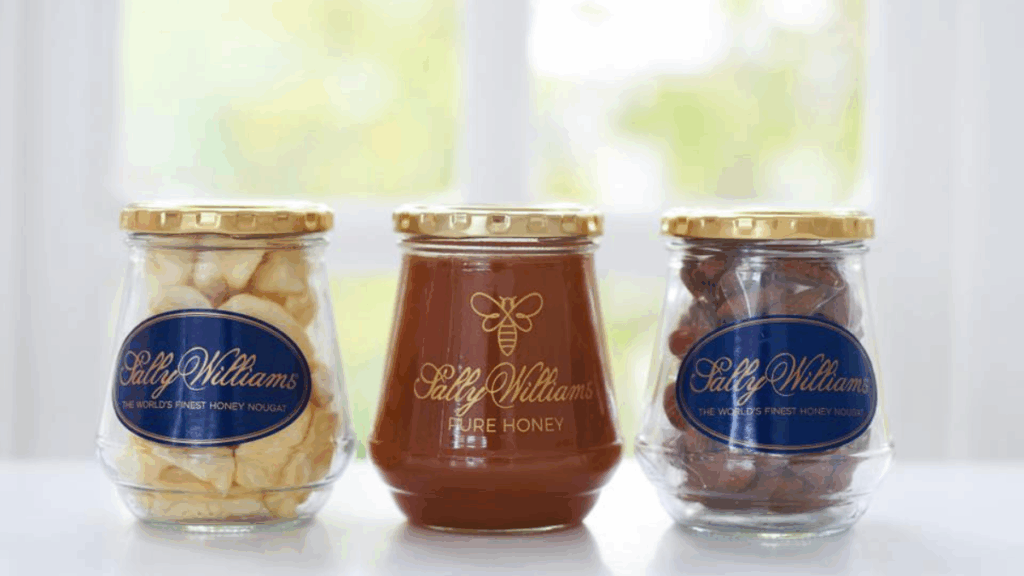
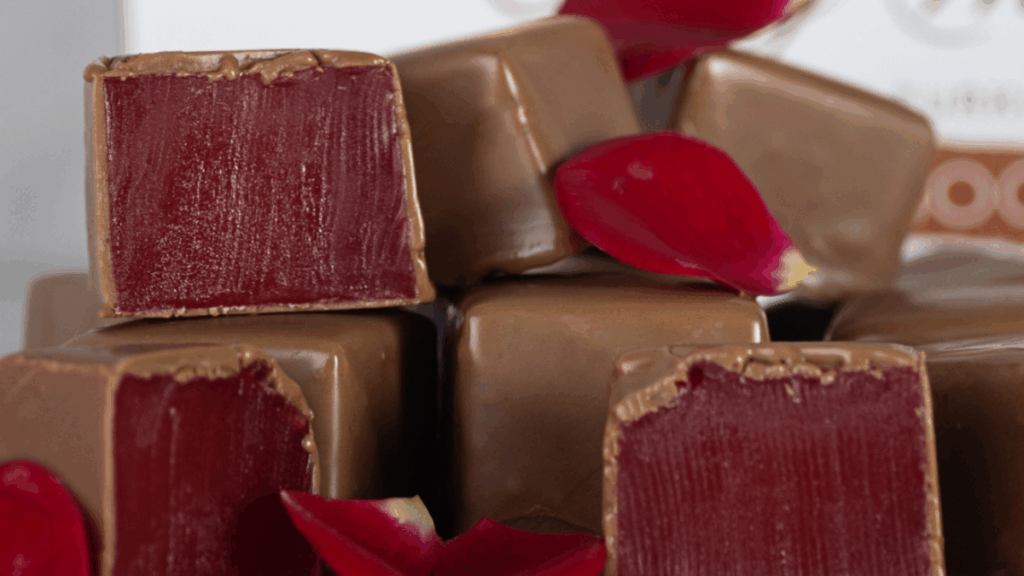
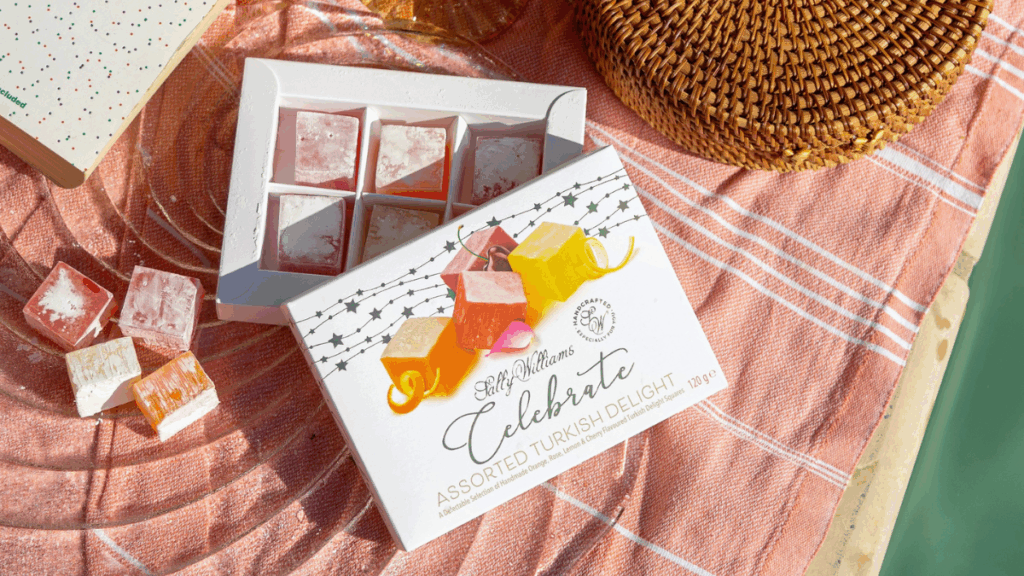
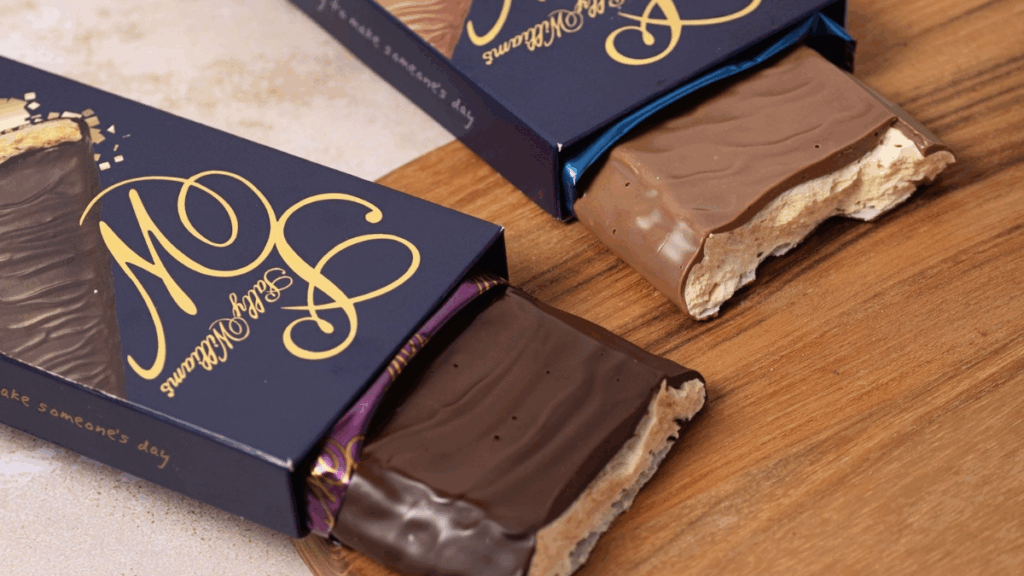
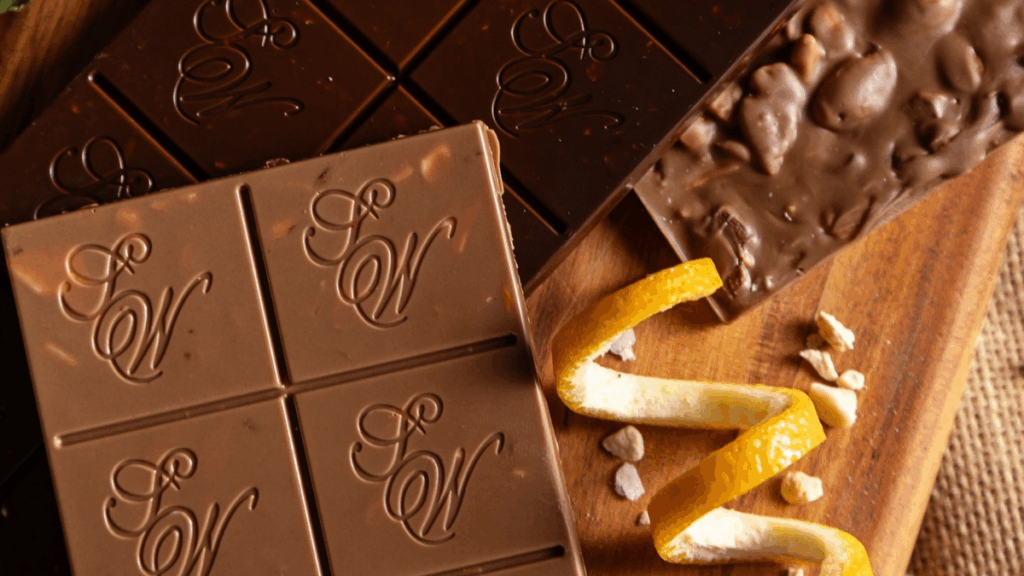
In the years that followed, Sally Williams expanded its offerings beyond its original nougat range to include Belgian chocolate-coated lines. They eventually expanded to include Turkish delight, ice cream, honey and a crème liquor.
Today, Sally Williams is stocked in major retailers across the country, such as Clicks, Checkers and Makro. Over 25 years after joining the business, Sack is still in charge of Sally Williams.
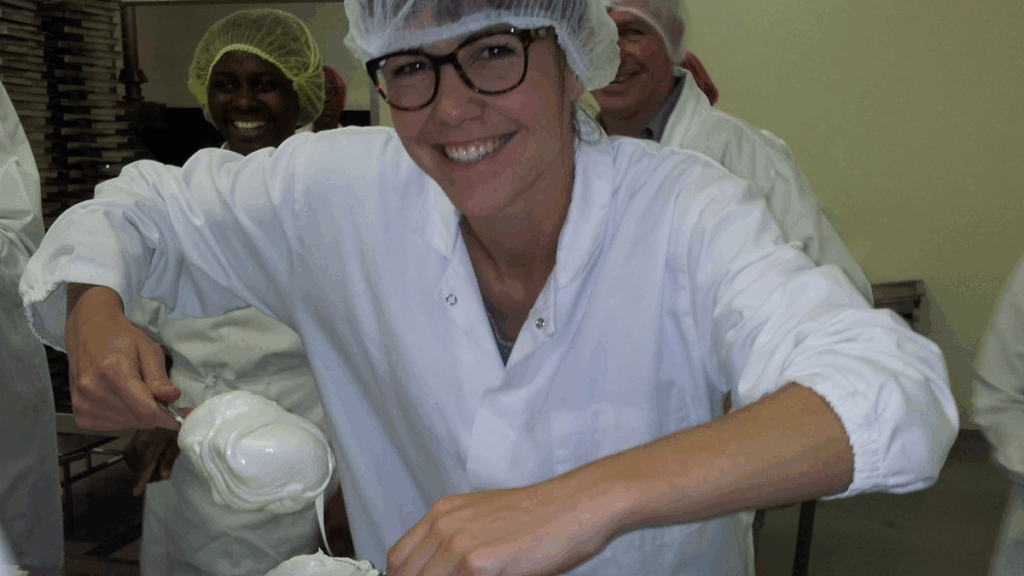
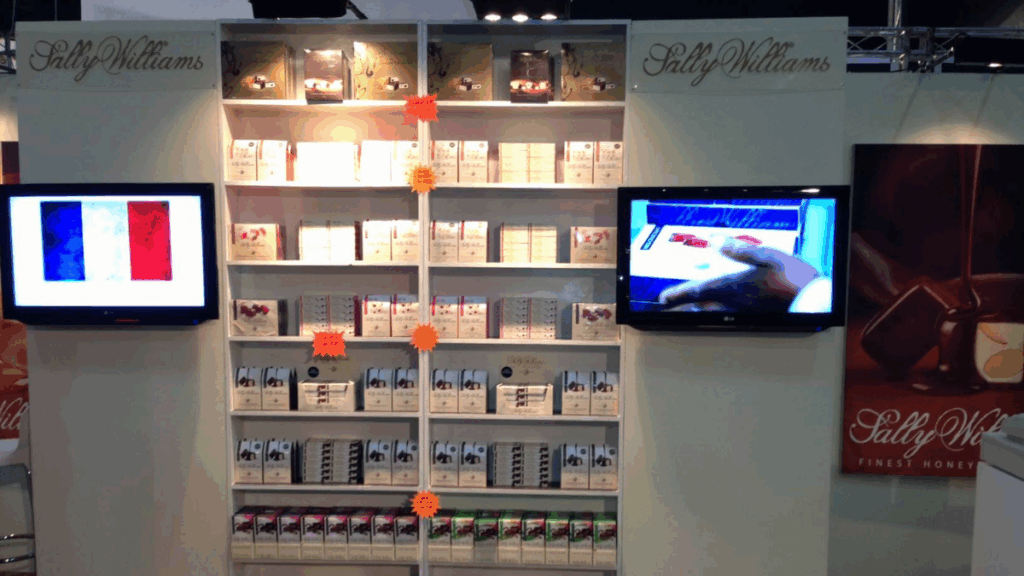
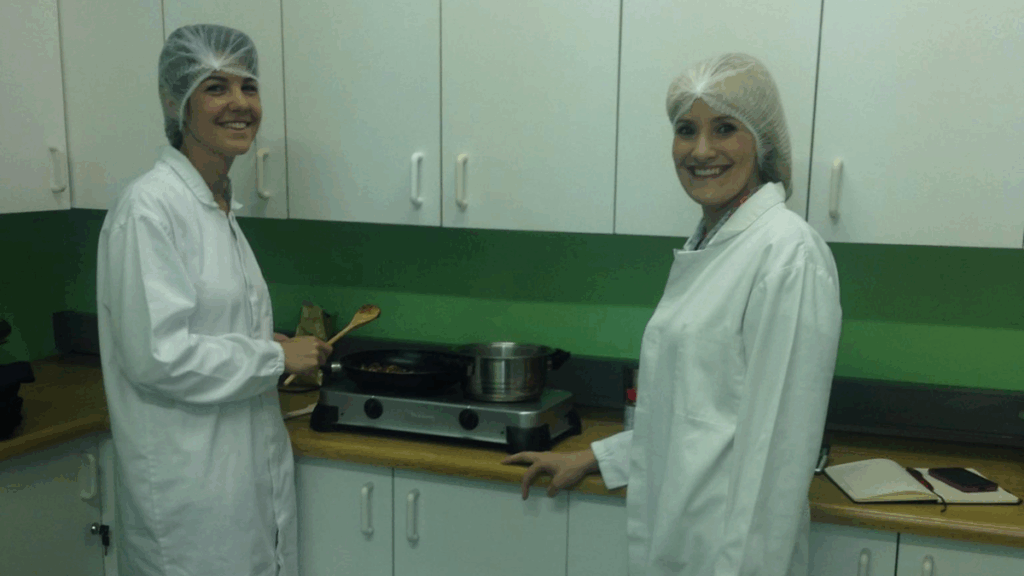
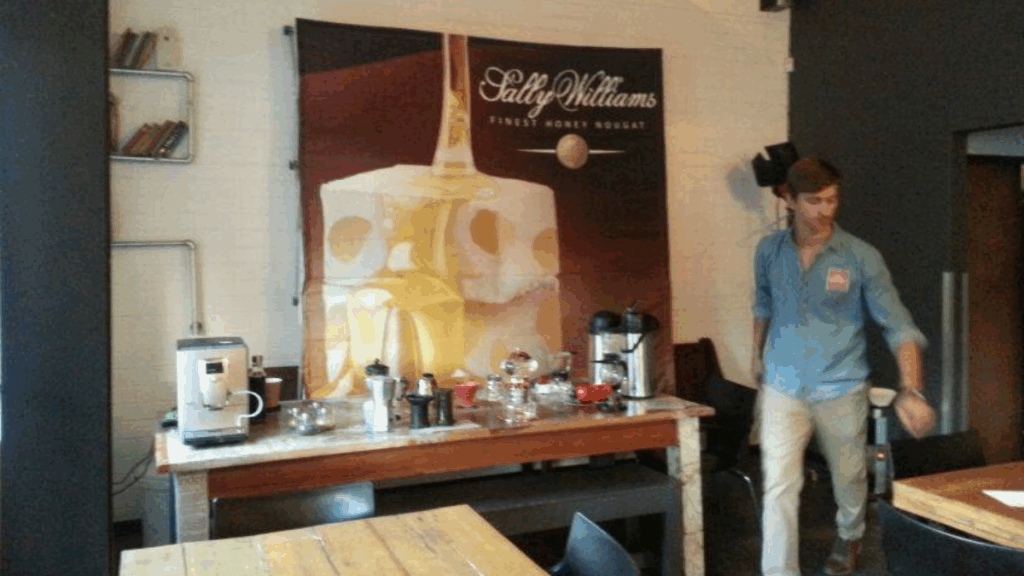
Sally Williams through the years

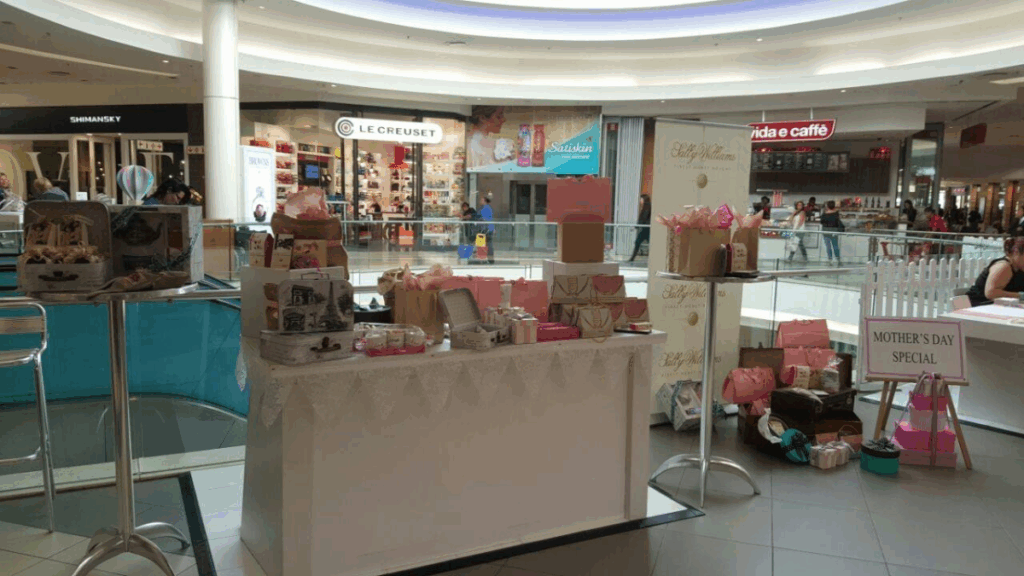

Sally Williams today






Comments