The nasty surprise that costs South African car owners thousands every month


Many South Africans forget to budget for extra costs associated with buying a car, which could easily lead to them spending double what they anticipated every month.
Since buying a car is one of the most expensive purchases many South Africans make in their lives, apart from their homes, it makes sense that most people rely on a vehicle loan to afford it.
The cost of the loan repayment and deposit are often the main consideration consumers look at to determine whether they can afford a specific car.
However, Nedbank warned that this is only one cost prospective buyers should consider before buying a vehicle. “You must also budget for a range of additional expenses every month,” the bank said.
When it comes to buying a home, these extra expenses include rates and levies, property maintenance, and security contracts.
“Likewise, having your own vehicle unlocks your ability to go where you want conveniently and independently, but you need to consider the extra costs when choosing the right car to buy,” Nedbank said.
“Affordability must be top priority – there’s no point in cruising around in your dream wheels if you’re digging small change out the back of your couch to make ends meet every month.”
To illustrate how much someone may spend on the extra costs of owning a car, Nedbank used the example of someone buying a hatchback like a Volkswagen Polo, a Toyota Starlet or a Suzuki Swift.
While the monthly instalment month might look affordable, Nedbank stressed that this is just your loan repayment. There are many more costs associated with car ownership that will push up the total monthly costs.
Assuming the vehicle costs around R250,000, the loan might be structured as follows:
| Purchase price | R250,000 |
| Deposit | R0 |
| Residual value (‘balloon payment’) option taken | 35% (R87,500) |
| Vehicle loan finance period | 60 months |
| Interest rate offered by vehicle financier | 9% |
| Amount financed excluding balloon payment | R162,500 |
| Monthly admin fee for finance | R69.00 |
| Once-off admin fee for finance | R1,207.50 |
| Total monthly car instalment | R4,174.08 per month |
Other costs to budget for

The first major cost of owning a car is, naturally, petrol or diesel. Based on December 2022 fuel prices, Nedbank calculated that a compact hatchback with a 40-litre fuel tank will cost around R1,000 to fill up.
If the car uses 8 litres per 100km, the owners will be able to travel 500km on one tank. “If you travel 1,000 km per month, petrol will cost you at least R2,000 a month, in addition to your R4,174.08 instalment,” the bank said.
Another significant expense associated with buying a car is insurance. Nedbank explained that the exact price will vary based on factors like the buyer’s age, location, and how long they have had their driver’s license.
“But on average, insurance on a compact new hatchback will cost around R1,000 per month. Add that to your loan and fuel costs, and you’re already spending more than R6,000 a month,” Nedbank said.
There are also certain annual fees that car owners need to pay. Notably, this includes the cost of renewing a license disc, which proves the vehicle is registered.
“The more your car weighs, the more it costs to renew your registration. A small hatchback can cost around R600 a year for a new licence disc – taking your grand total closer to R6,800 for one month of the year,” the bank said.
Nedbank explained that buyers also need to factor in the cost of maintenance. “If your car doesn’t come with a manufacturer’s maintenance plan to cover wear and tear, you’ll spend money regularly to keep the vehicle in tip-top shape,” it said.
Getting the car serviced every 10,000 to 15,000km and maintaining fast-wearing parts like tyres and brake pads can easily cost R6,000 or more a year, adding another R500 a month to the motoring budget.
There are also some other fees which can quickly add up and become expensive. For example, toll fees can escalate quickly if the driver spends a lot of time driving on major highways.
Finally, Nedbank mentioned that South Africans who elect to pay for car washes will spend an average of R100 or more every time.
“If you like to start each week with a clean vehicle – and you aren’t prepared to clean it yourself, at home – you’ll have to budget at least R400 a month for this as well,” the bank said.
Suddenly, what started as a monthly cost of less than R4,200 could easily cost a total of R7,000 or R8,000 a month instead – almost double the starting cost.
Car owners can pay even more out of pocket

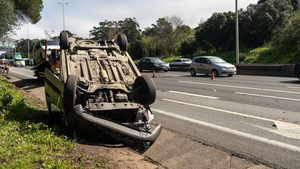
On top of these expenses, Nedbank warned that even for the most careful drivers, accidents happen. Another driver could hit their car, or they might hit an unavoidable pothole.
This could easily damage the car’s tyres, rims and suspension, or knock its wheels out of alignment. “Should any of these disasters strike, you’ll have to pay the excess on your insurance claim,” the bank said.
Those who opt for a balloon payment, such as the one used in Nedbank’s example, will need to pay another R87,500 to pay off their loan at the end of the period.
“The most cost-effective way to ensure this money is available when you need it is to save in a notice account every month, throughout the 60-month loan term,” it said.
“You’d need to invest around R1,260 a month for this strategy to work, though, which could increase your monthly vehicle expenses to R9,000 or more.”
Alternatively, Nedbank explained that buyers could take out a personal loan to cover the balloon payment when it falls due.
“A loan for that amount, at an interest rate of 18.75%, would cost you around R4,900 a month over 2 years – meaning it would take you 7 years in total to pay off your car,” it said.
Ultimately, Nedbank said that while it might be tempting for someone to buy the dream car they have their heart set on, this isn’t advisable in the long term.
“It’s a much better money choice to ensure that all the costs of owning a car will remain affordable, even if that means choosing a less expensive model that you need a smaller loan to afford,” the bank said.
“Knowing you won’t have to skimp on any of the extra costs or make other sacrifices in your budget just to afford your car will do wonders for your peace of mind.”




Comments