South Africa’s richest city bounces back from rock bottom


Johannesburg’s property market is rebounding strongly, with rising buyer demand, faster sales, and real price growth driven by lower interest rates, limited housing supply, and renewed investor and corporate confidence.
Stephen Whitcombe, MD of Johannesburg property group FIRZT Realty, explained that the arrival of the 2025 Spring season is ushering in one of the strongest home-buying seasons the city has seen in years.
For years, Johannesburg’s property market has been stale, but activity levels are finally rising sharply, and many sellers are set to reap the benefits of faster sales in the coming months.
According to Whitcombe, FIRZT Realty’s property sales have increased every month since the start of 2025.
This increased activity, paired with the effects of five interest rate cuts over the past year, which are really starting to improve household finances, all point to a bumper Spring and Summer season.
“Buyer interest in Johannesburg has really accelerated in recent months, with our agents reporting more show day traffic, stronger offers and faster conversions into sales than at any time since before the pandemic,” he said.
“In fact, the pace of sales is already heading back towards what we saw during the mini-boom of 2021, and we are entering what is traditionally the busiest quarter of the year.”
According to mortgage originator BetterBond, July saw home loan application volumes jump 14% quarter-on-quarter and 12% year-on-year, the highest since Q3 2022. In late 2022, interest rate increases started to limit affordability.
“Significantly, average home selling prices are now also starting to show real (after inflation) growth for the first time in many years,” Whitcombe said.
“The latest FNB Residential Property Barometer shows that freehold home prices showed year-on-year growth of 3,7% in July, and sectional title homes 3,8% growth, compared to the official inflation rate for July of 3,5%.”
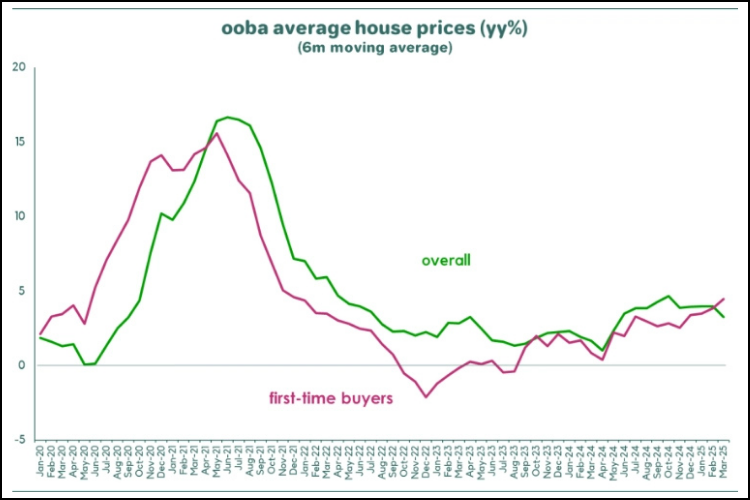
BetterBond also reported that the average home purchase price for all buyers reached a record R1.6 million in July, up 2.1% year-on-year.
First-time buyers (FTB) also hit a new high of R1.3 million, with both increases outpacing July’s 3% inflation rate.
The city draws new residents
Value growth in the Western Cape has been way ahead of inflation for several years and currently sits at around 9% a year.
On the other hand, value growth in Greater Johannesburg only turned positive in August 2024 after several years of stagnation.
However, Whitcombe noted that it is now rapidly gathering momentum as the inventory of homes for sale steadily shrinks, especially in the sectional title market.
“In Johannesburg, this sector is now not only the favourite of first-time buyers and young professionals seeking urban homes close to work,” he said.
The city is now also drawing seniors downsizing from family homes, foreign and expat executives seeking a part-time base, and a rising number of buy-to-let investors.
Unfortunately, Whitcombe said that the development of new sectional title units for sale is lagging demand quite badly.
The latest building statistics from StatsSA show that a total of 5,472 new flats and townhouses were completed nationally during the first half of 2025.
This was 16% more than in the same period of 2024, with the Western Cape (2,606), Gauteng (2,252) and KZN accounting for most of these units.
“However, in Johannesburg, the bulk of apartment development at the moment is being undertaken by corporates who are converting underused office blocks and intend to retain the units for rental only,” Whitcombe said.
“And in the Western Cape, which would appear from the number of cranes on the skyline to be undergoing a development boom, most of the units currently being built are in projects planned several years ago and delayed until now for various reasons.”
Shortage issues

Whitcombe said the number of building plans passed nationally for flats and townhouses indicates an ongoing supply shortage for the foreseeable future.
In the first half of this year, this number was only 20.4%, a decline from the same period of 2024. In Gauteng, it was a whopping 39.9% down, and KZN was 29.2% down.
“What is more, the number of plans passed in the Western Cape was only 3.1% up on last year, so there is not much more in the pipeline there, and the overall picture is one of constrained supply that will support rising prices,” he said.
He said the main factors underpinning the current upturn in buying activity include relatively low inflation, South Africa’s political stability and growing safe-haven status worldwide, and ongoing consumer confidence in the property market.
“The most recent Absa statistics show, for example, that overall homeowner sentiment rose from 85% positive to 86% in the second quarter of this year, while investor sentiment was 84% positive,” he said.
Another factor fuelling the market is the steady return of corporates and employees to offices in and around Johannesburg’s commercial hubs.
“And, of course, this season is one when many families are starting to plan a move closer to a new job or career opportunity in January, or so that they can live closer to a new school or university their children will be attending,” he said.
Finally, Whitcombe said that the city’s property prices are also drawing new residents, as Johannesburg’s average home prices are still very competitive compared to other metros.
“This fact, plus rising international interest in the city ahead of the G20 summit in November, is also getting the attention of foreign investors and helping to set the stage for some bumper sales months ahead,” he said.
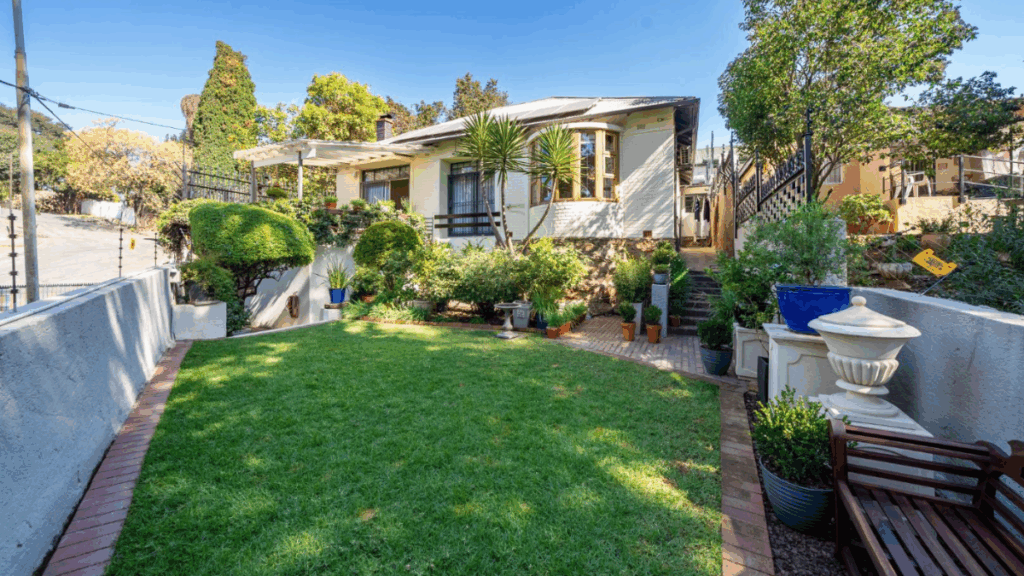
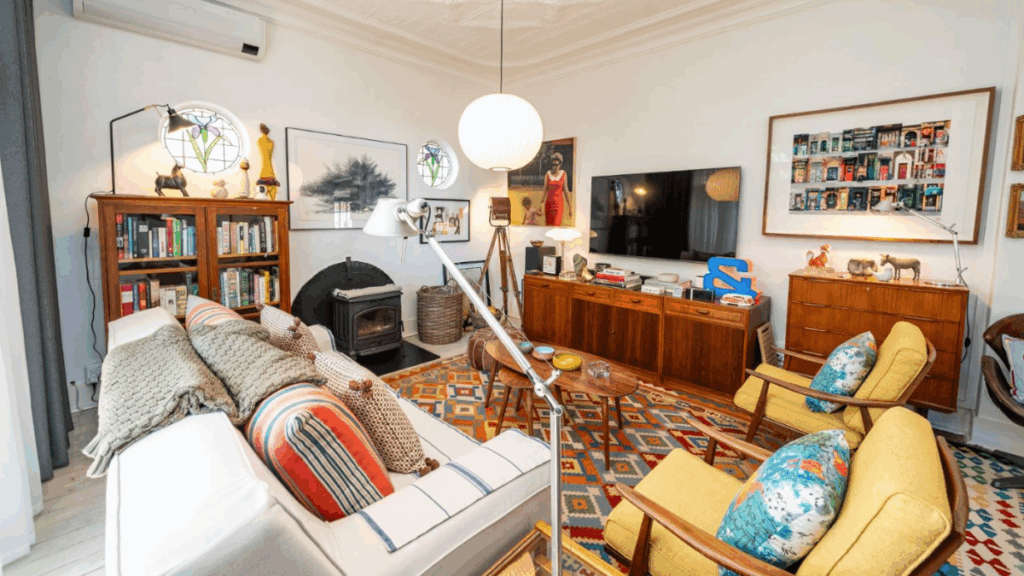
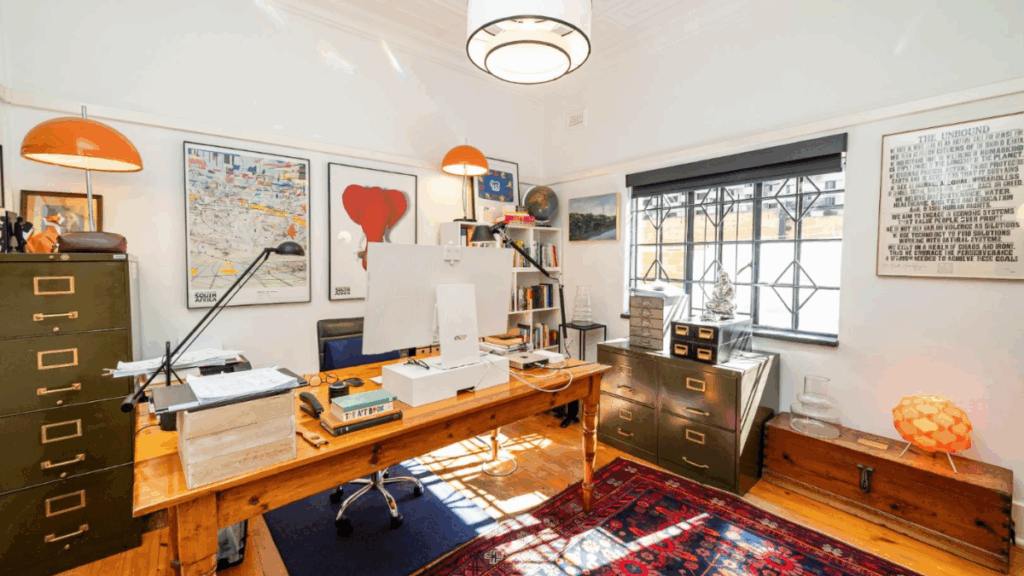
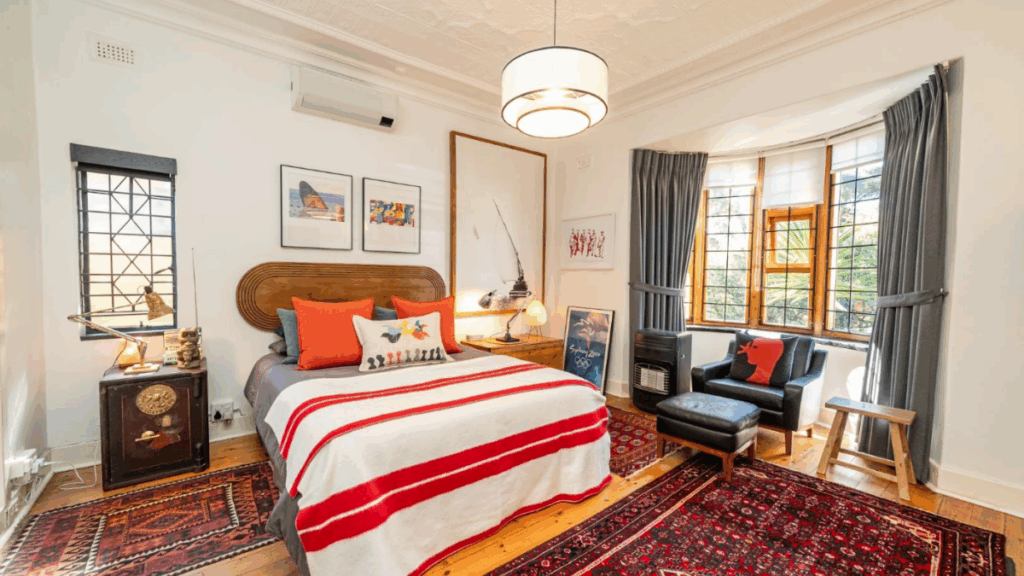
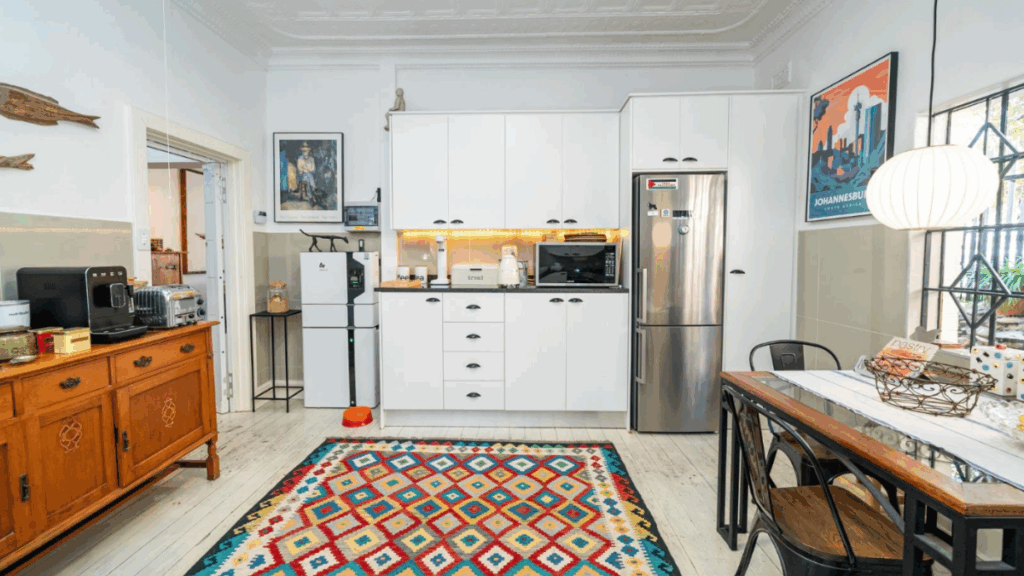
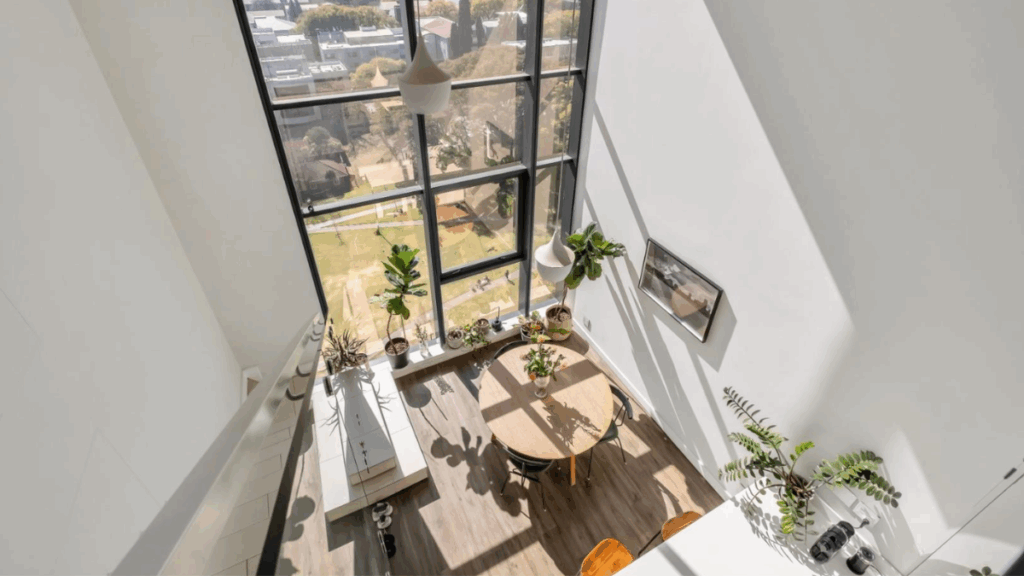
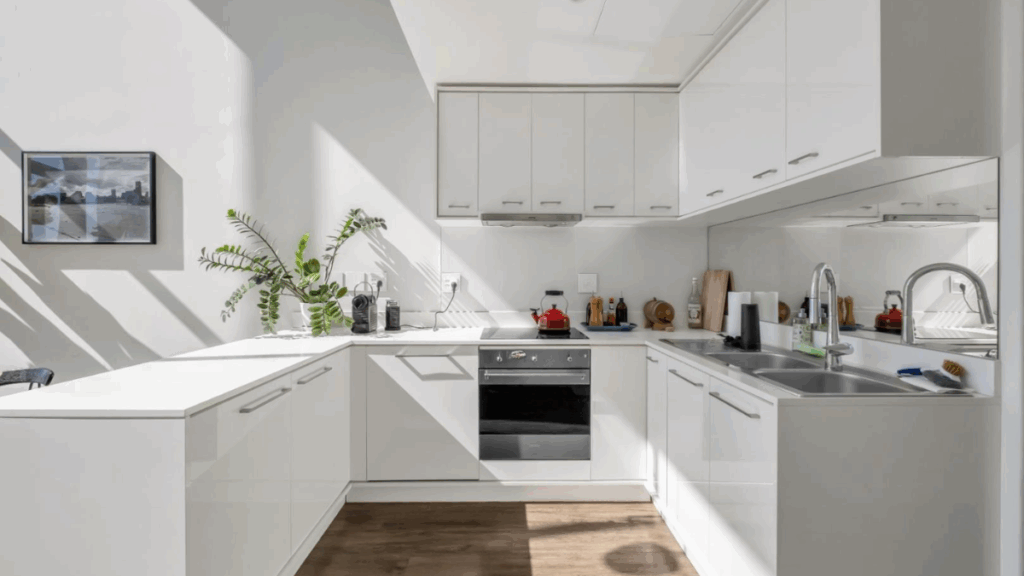
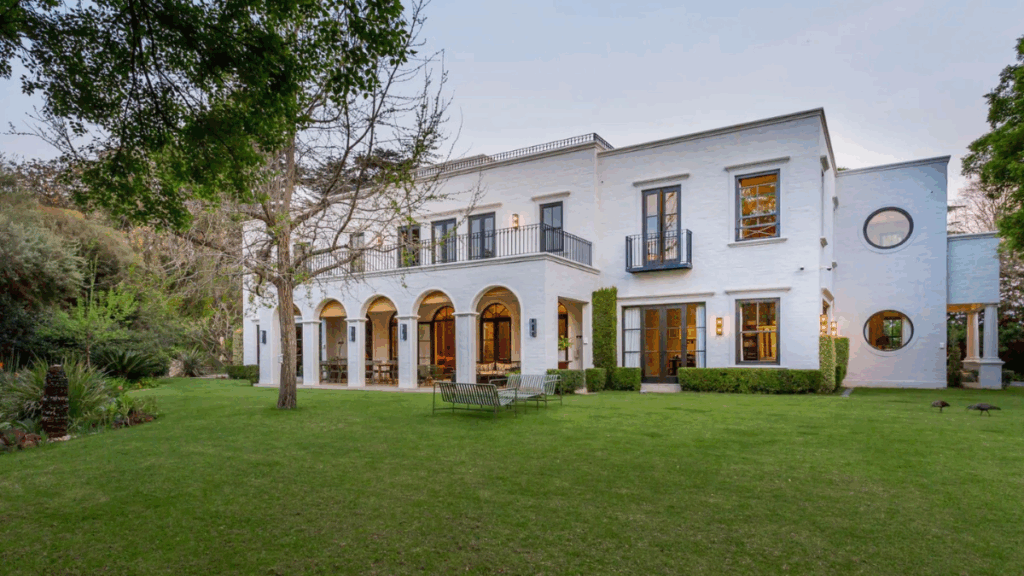
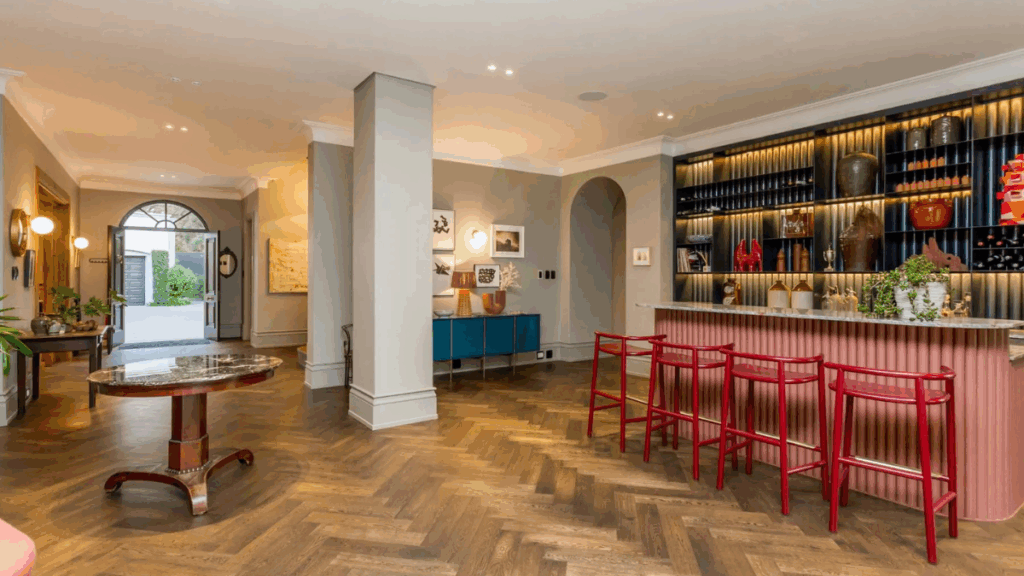
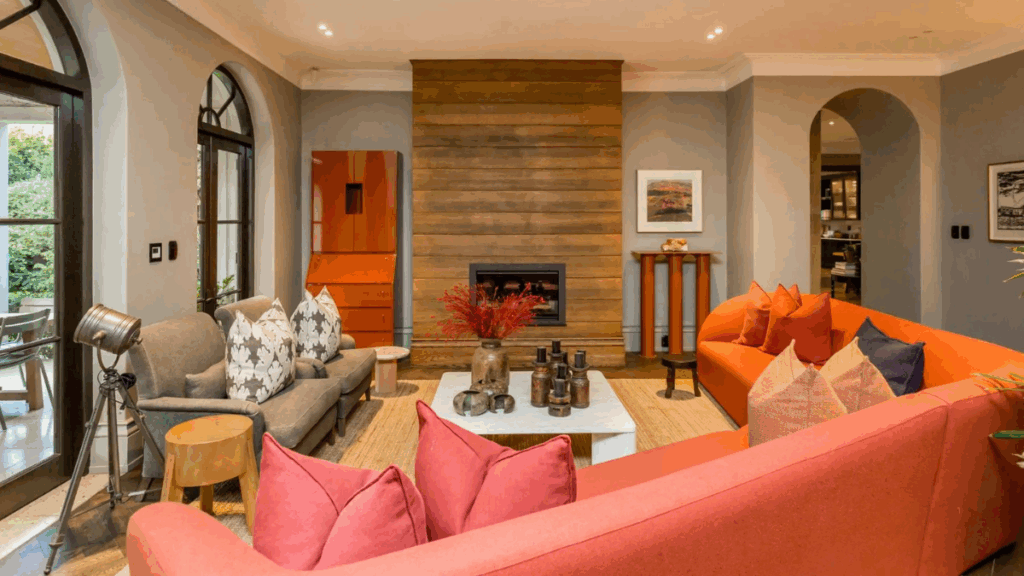
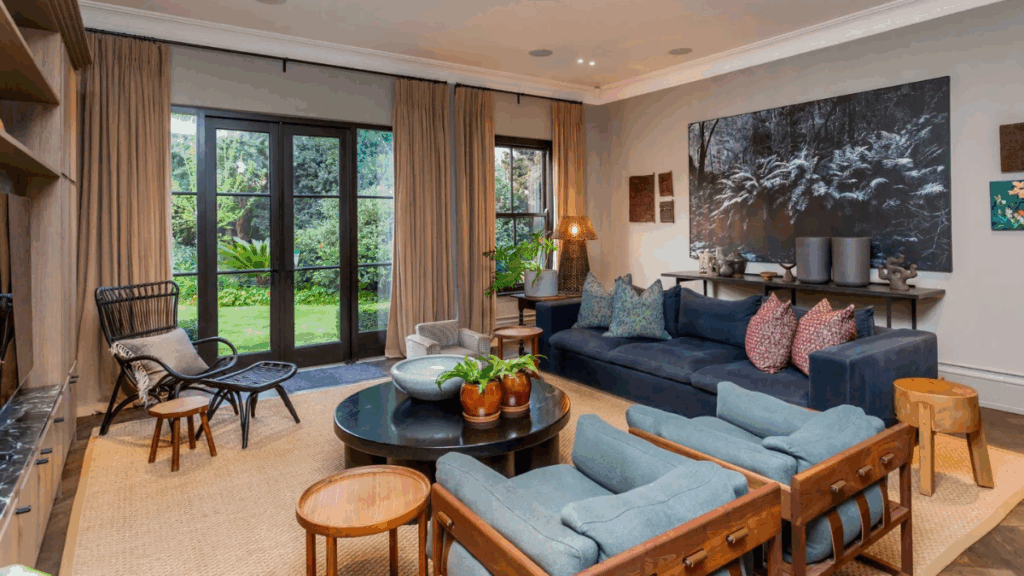
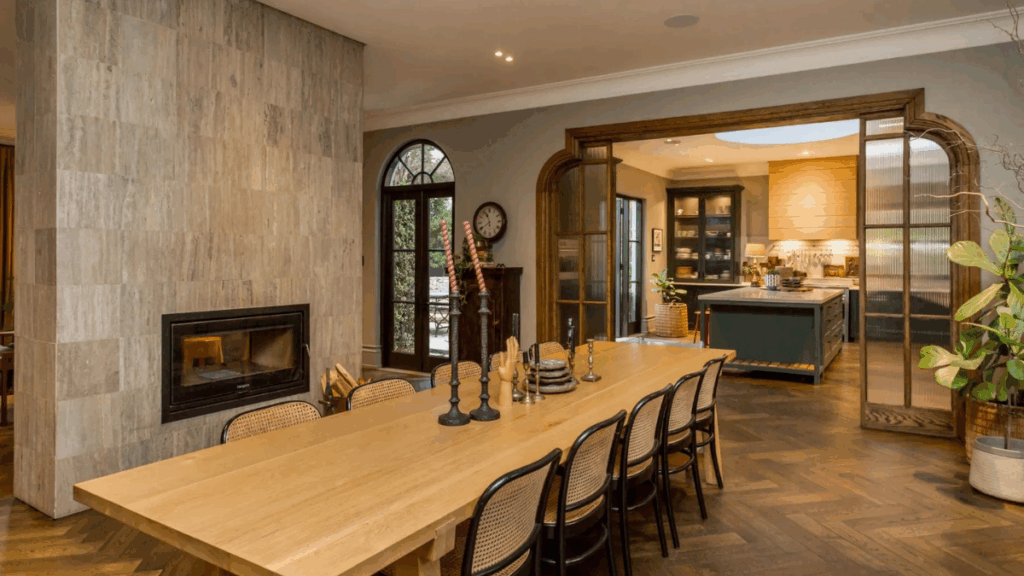
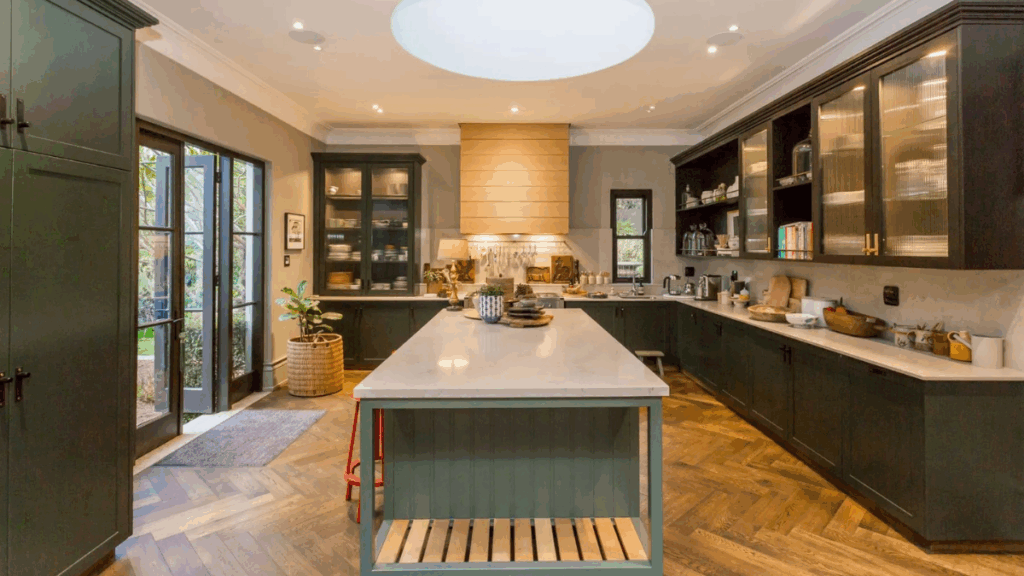
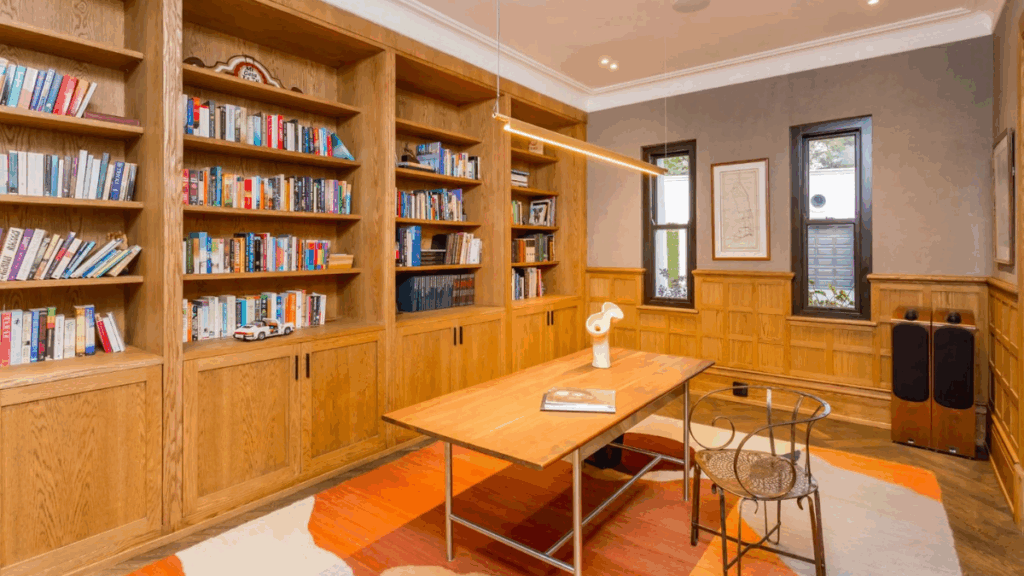
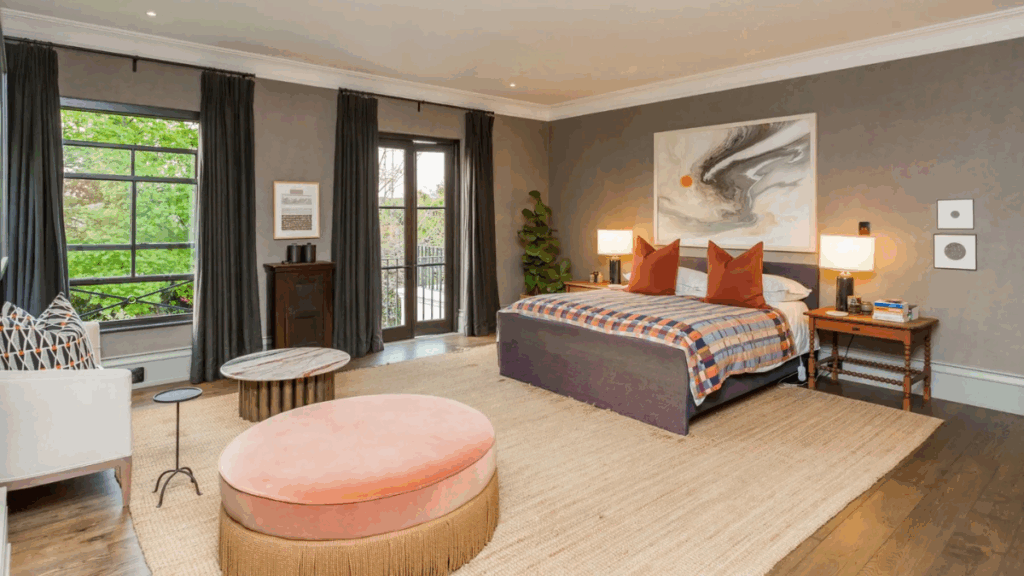
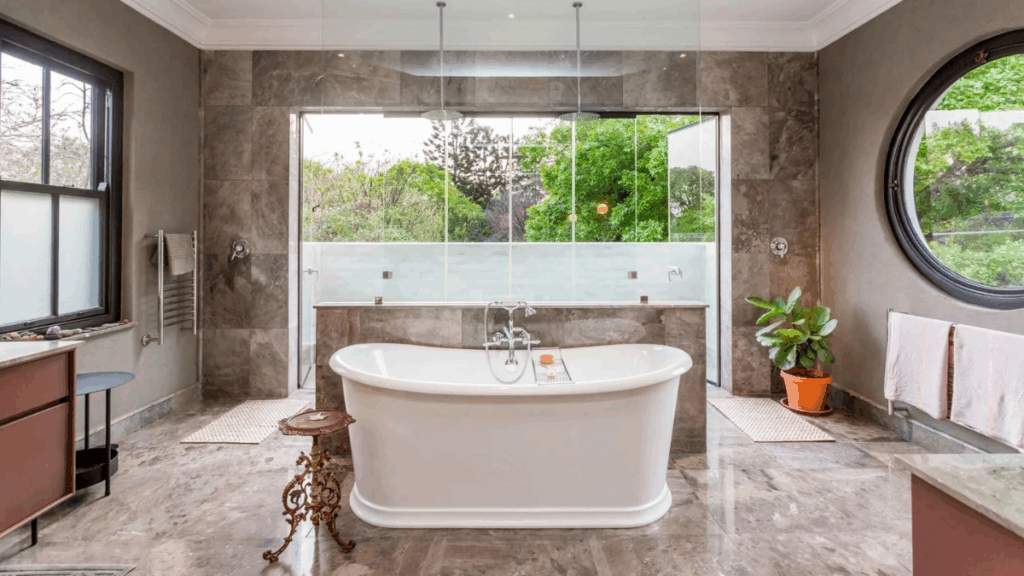
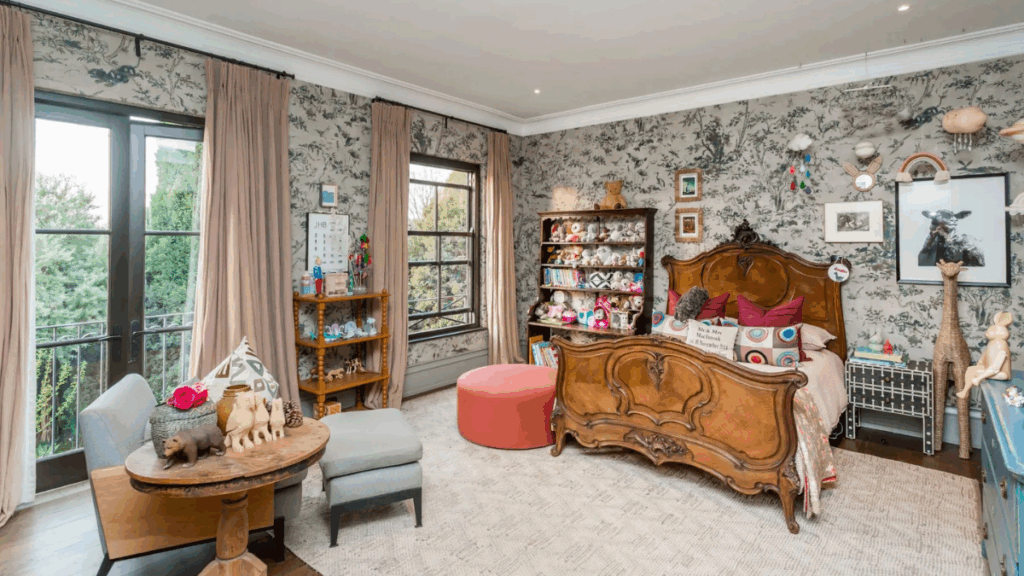
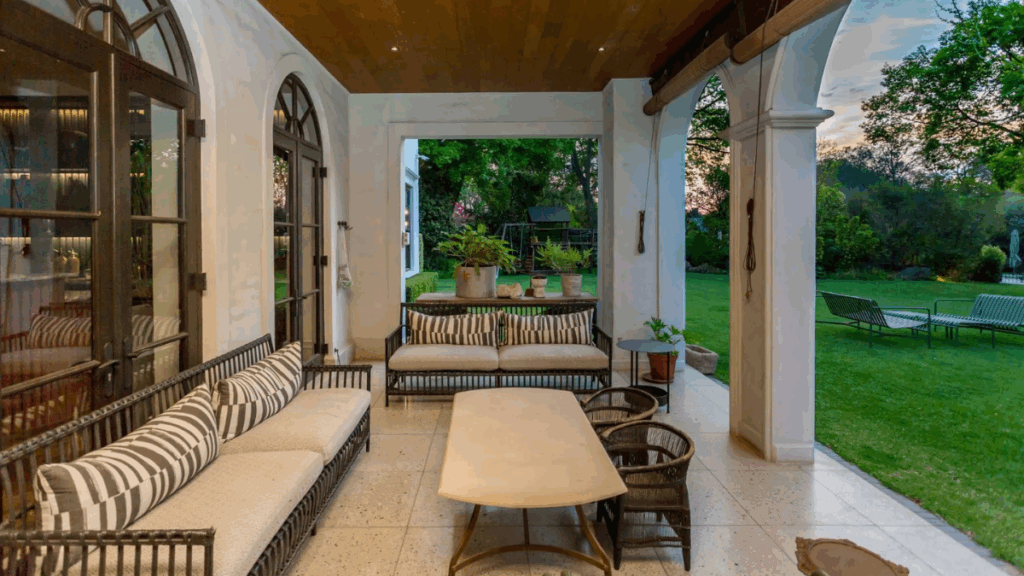
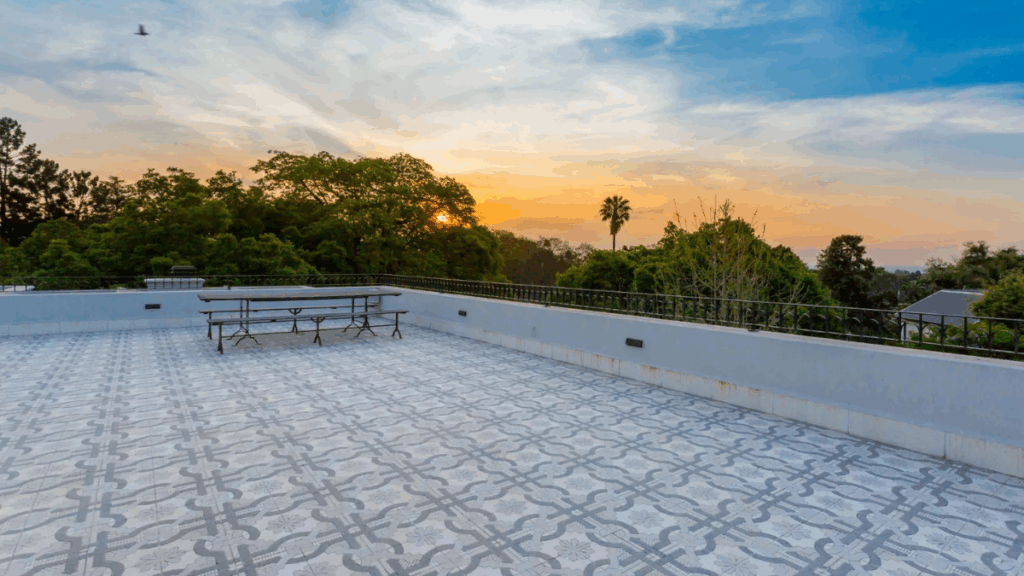
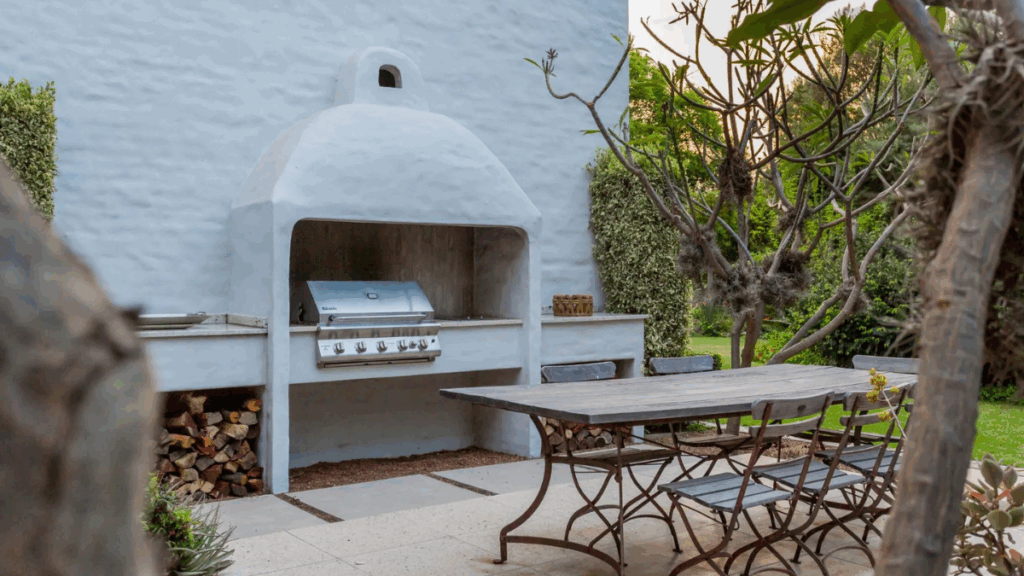
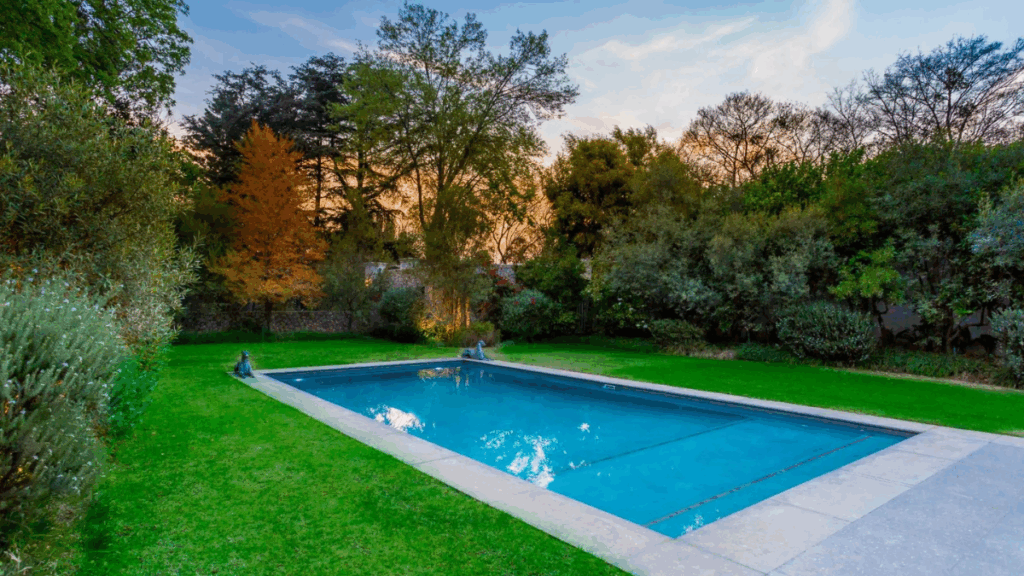
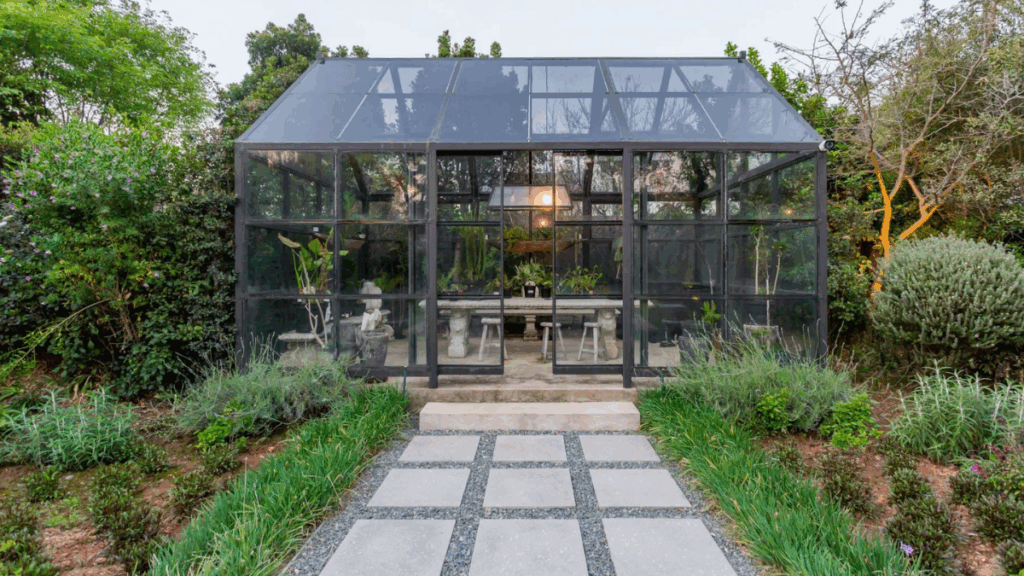
The images below show three different types of properties for sale in Johannesburg at different price points.
R1.3 million Kensington house
R2.8 million Rosebank apartment
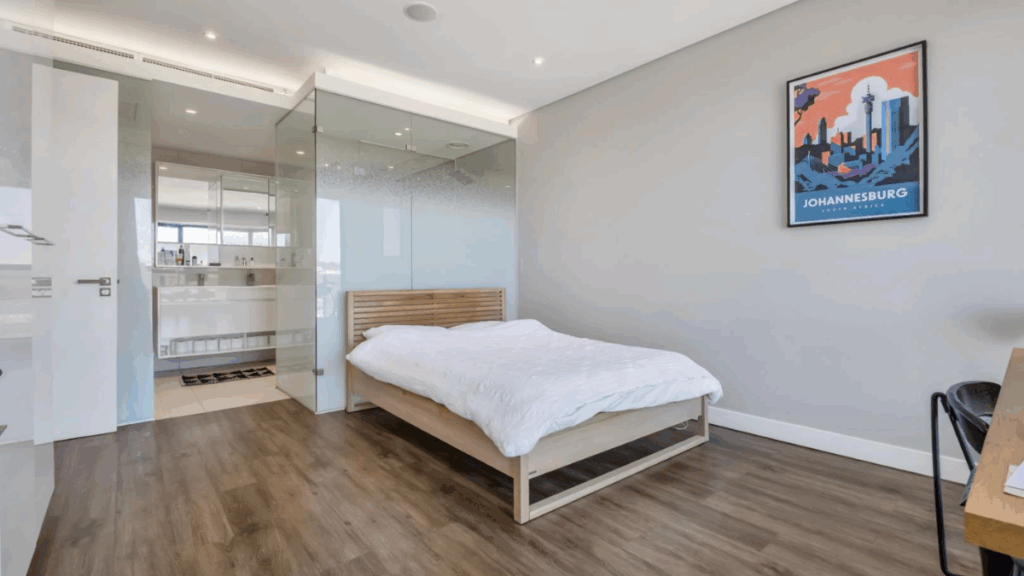
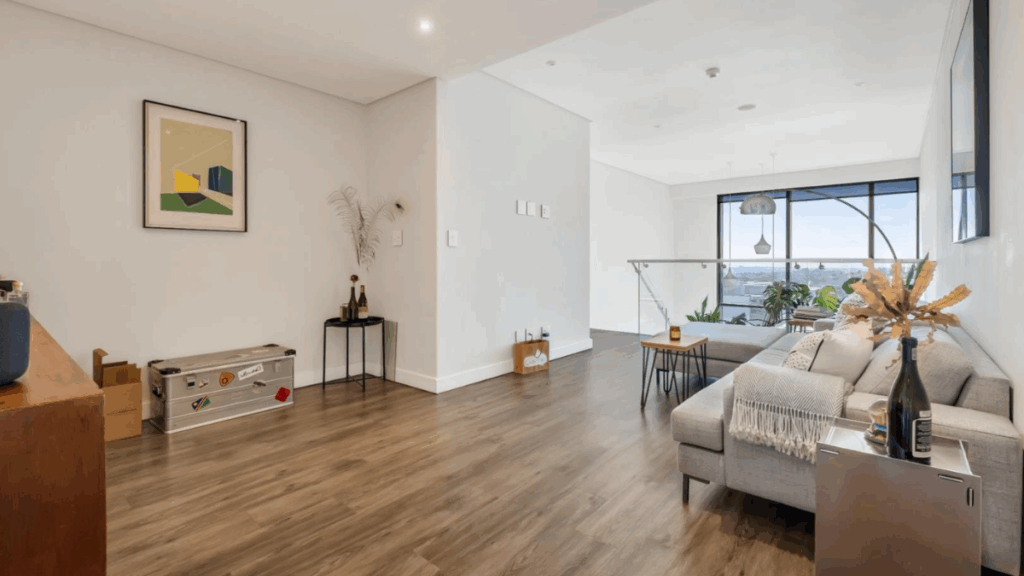
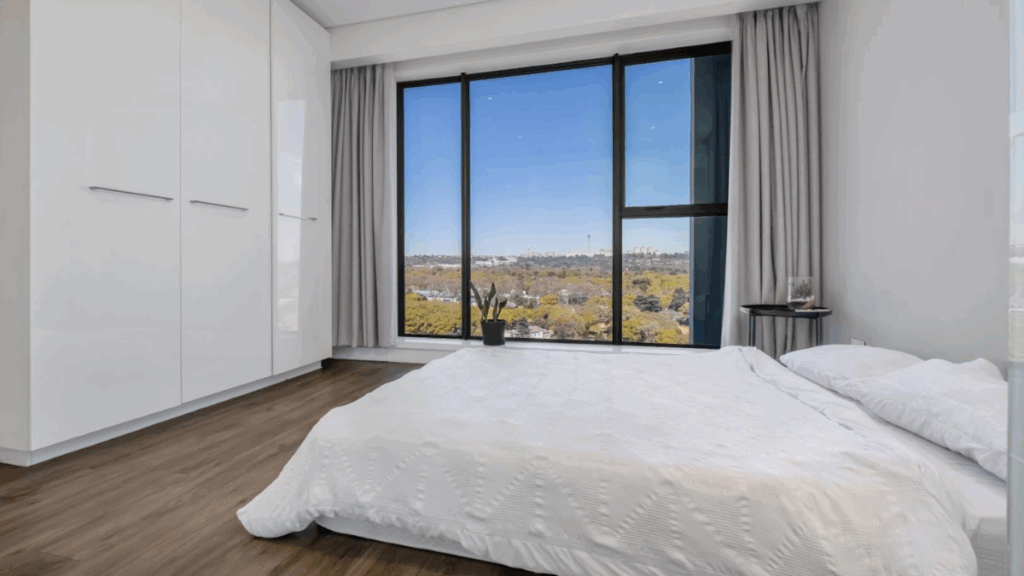
R28 million Sandton mansion




Comments