Chewing gum, used mattresses, and poppy seeds – South Africans aren’t allowed to travel overseas with these items


Seemingly harmless items like chewing gum, poppy seeds, and used mattresses may be restricted or illegal to carry into certain countries, and undeclared items may lead to fines or jail time.
When taking a trip overseas, it is natural to worry about forgetting a passport, getting confused by exchange rates, or having to unpack all your electronics at airport security.
However, Nedbank warned that there are several surprising – and sometimes downright bizarre – items which could land South Africans in serious trouble if they bring them with.
In some countries, security at international arrivals would confiscate specific, seemingly harmless items – and if they aren’t confiscated but found later, the traveller could be fined, or even jailed, for smuggling contraband.
One such item is chewing gum. While it may seem like an innocent item to bring along on an international trip, Nedbank said this is not the case in Singapore.
“This pristine city-state has the strictest chewing gum ban in the world, so that nobody can plaster it onto public transport sensors and cause train breakdowns, or litter streets and housing estates with the sticky pollution,” the bank explained.
“Only therapeutic gum is allowed (for dental treatment or nicotine replacement), and even then, don’t dare spit it out in public. The fine will ruin your holiday budget.”
Vapes and e-cigarettes are also items that could land South Africans in serious trouble when travelling abroad, the bank explained.
“More than 40 countries have some kind of ban on vapes. Some restrict imports, others ban their sale, and a few have outlawed them completely,” it said.
“In Japan, for instance, nicotine vapes are illegal, but heated tobacco devices are totally fine. The rules change fast, so always check before you fly.”
Nedbank also cautioned that while it may seem practical to bring plastic bags overseas “just in case”, they are also illegal in many countries, mostly African and European destinations.
“More than 90 countries have restrictions on plastic bags to protect the environment. Some charge a fee, while others ban them outright – especially thinner ones that are harder to recycle,” the bank explained.
“Africa leads with strong bans, while Europe is phasing out plastic packets fast. Play it safe and pack a reusable tote instead.”
Countries ban used mattresses, baby walkers, and food
For South Africans travelling to Australia, Nedbank warned that laser pointers, which are often used as classroom aids or cat toys, are classified as weapons.
This is because there have been incidents in which they were used to blind pilots and drivers, causing major safety concerns.
“Under the current law, carrying one without authorisation can get you up to two years in prison, so leave the light show at home,” the bank said.
A particularly strange item travellers should avoid is used mattresses, which Canada has banned.
“To protect public health, Canada prohibits the import of used mattresses, a measure to reduce the spread of pests like bed bugs,” Nedbank explained.
“Used mattresses must be professionally cleaned and fumigated before they can be imported.”
Nedbank added that the country also prohibited baby walkers in 2004, following mounting concern over years of injuries.
“Little ones in walkers are at a higher risk of falling down stairs, knocking over potentially dangerous household items, and various other accidents. It’s illegal to sell, import or even give a walker away in Canada,” the bank said.
South Africans should also be careful when travelling with food items, as several are banned by countries abroad. This includes poppy seeds, which are seen as a “drug risk” in several countries.
“Singapore, Taiwan, and Saudi Arabia ban them outright due to their morphine content and the risk of people using the seeds to grow opium poppies,” the bank explained.
“Even carrying a spice blend containing poppy seeds could land you in hot water. Check your snack ingredients carefully before flying into these zones.”
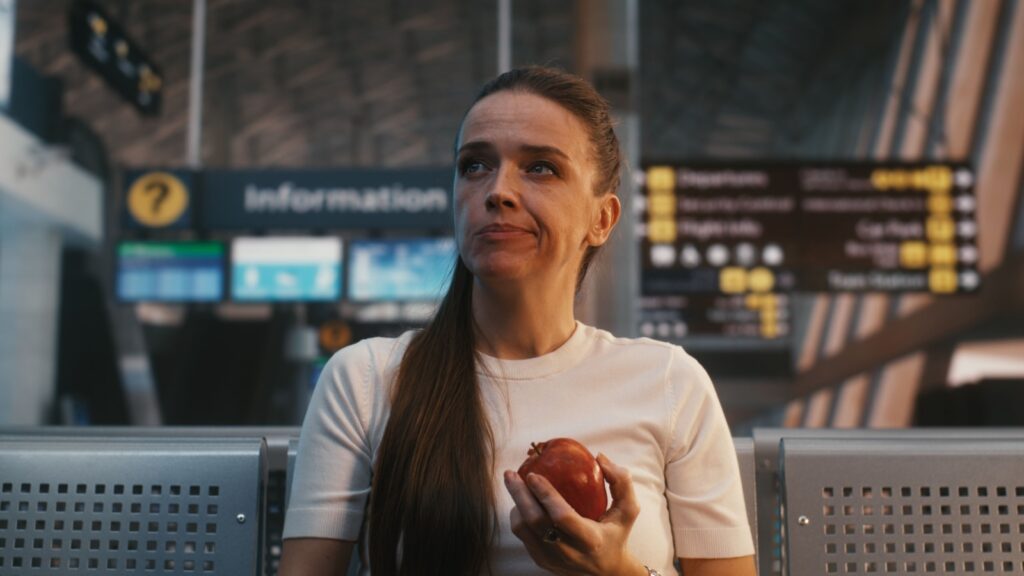
According to Nedbank, travellers are also not allowed to bring any fruits and vegetables into Australia and New Zealand.
This rule emerged after European and Asian immigrants brought with them many new fruit and vegetable crops and non-indigenous animals.
“What they didn’t realise until much later is that the indigenous plants and animals of Australasia had evolved for so long in isolation, they were often unable to out-compete the invasive aliens,” the bank said.
“Trying to reverse this damage, both countries are now extra vigilant about tourists bringing in almost any non-native plants or animals. If you’re packing a bag of naartjies as comfort food, best you finish them on the plane.”



Comments