Small South African town that is completely owned by a private trust and is home to a high-tech NASA facility


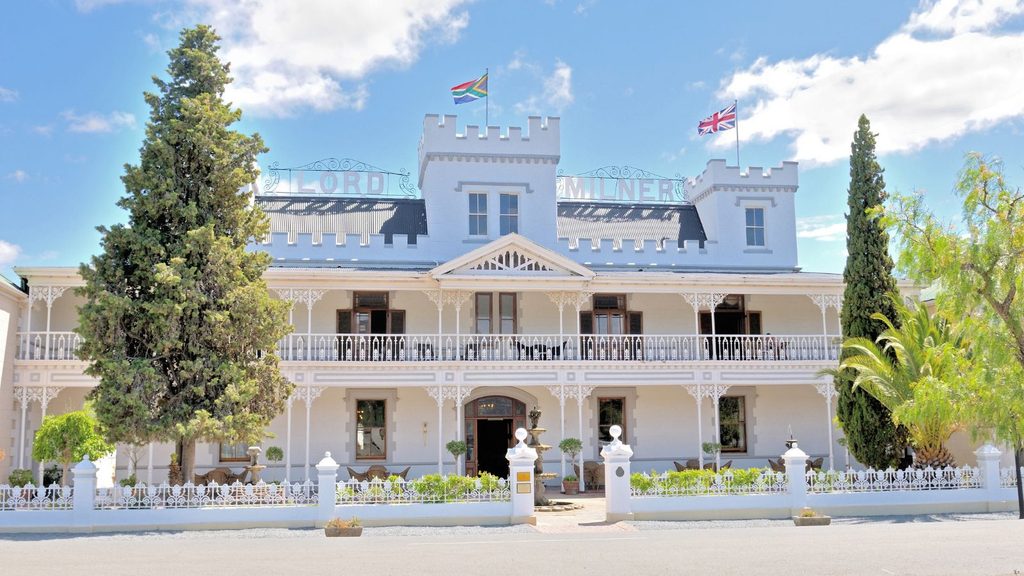
The tiny museum town of Matjiesfontein in the Great Karoo is critical to the future of space travel, as it hosts one of NASA’s Lunar Exploration Ground Segment (LEGS) complexes.
This makes it one of only three sites worldwide designated for NASA’s Artemis missions to return humans to the Moon.
Such a facility is possible because of the town’s remote, isolated location, which translates into minimal radio-frequency interference.
Matjiesfontein’s founding is also unique in that it was one of the few towns purpose-built for infrastructure development.
The area has no mineral resources, as with many small towns in the Western Cape, but it was vital for the transport of diamonds from Kimberley to the Cape.
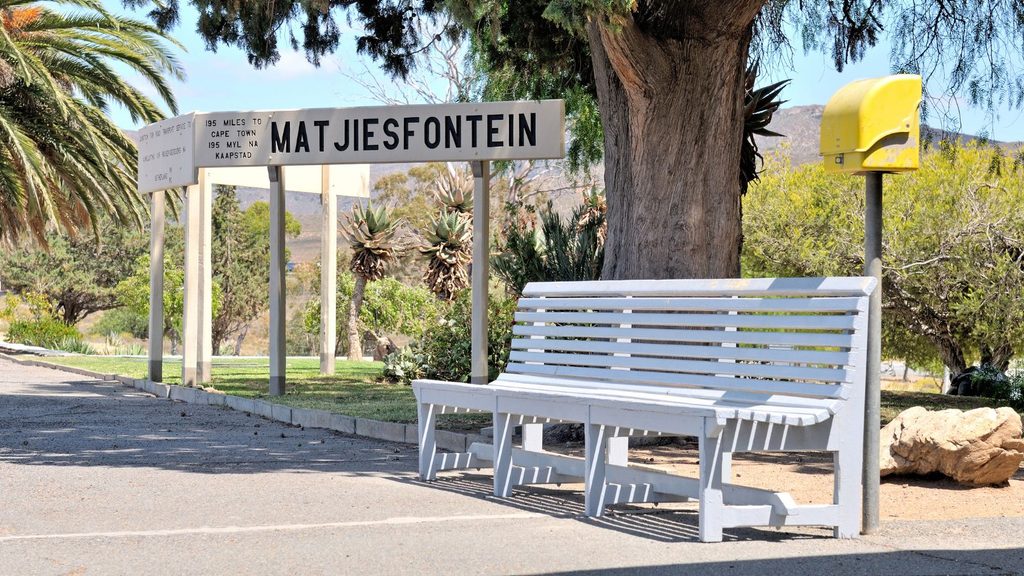
It began as a small railway siding as part of the Cape Government Railways’ push inland towards the diamond fields.
The name Matjiesfontein originates from the matjiesgoed plant, which is a local sedge used by the indigenous KhoeKhoe people to weave mats.
This plant is abundant in the area surrounding Matjiesfontein thanks to its dry climate, which prevents significant growth of vegetation that would outcompete the matjiesgoed.
The railway siding initially did not attract many people to the area, as it was purely a piece of functional infrastructure.
However, in 1884, railway worker James Douglas Logan bought land at the siding as he found the dry, clean Karoo air improved his health.
Logan opened a railway refreshment station, which quickly developed into a luxury Victorian health resort and spa.
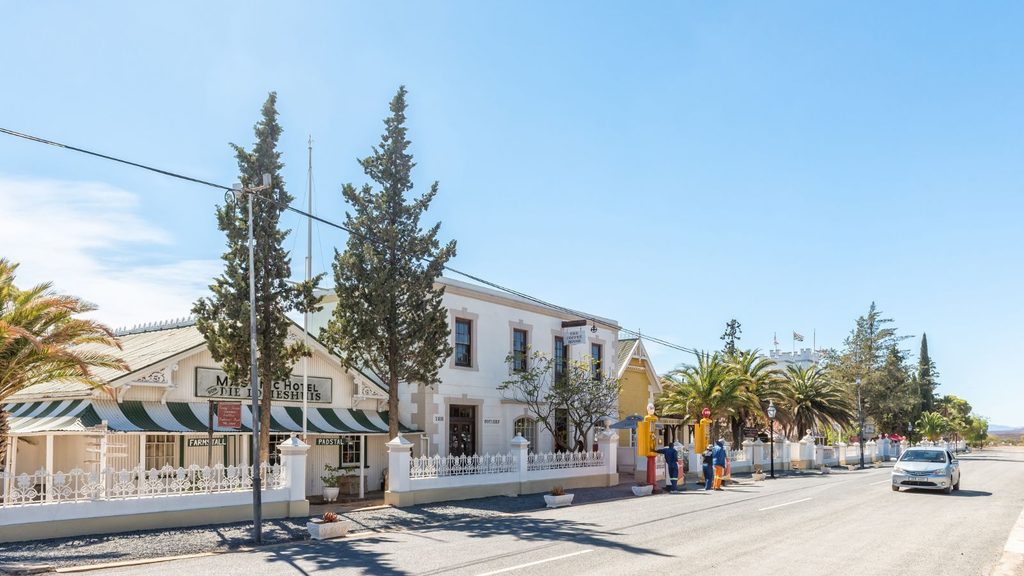
This luxury resort remains the heart of the town and attracted international high society in the 1890s and 1900s.
The town has seen visitors ranging from Cecil John Rhodes and Rudyard Kipling to the father of Winston Churchill and Olive Schreiner.
Built in 1899, the Lord Milner Hotel cemented the town’s position as a holiday retreat for the wealthy. This hotel served as a headquarters for British forces during the Anglo-Boer War.
Logan’s death in 1920 led to the town’s disrepair and decline until David Rawdon bought the entire village in 1968 and invested in restoring its buildings.
In 1975, the town was declared a National Heritage Site and is effectively owned by the Lord Milner Hotel Trust.
NASA and space travel
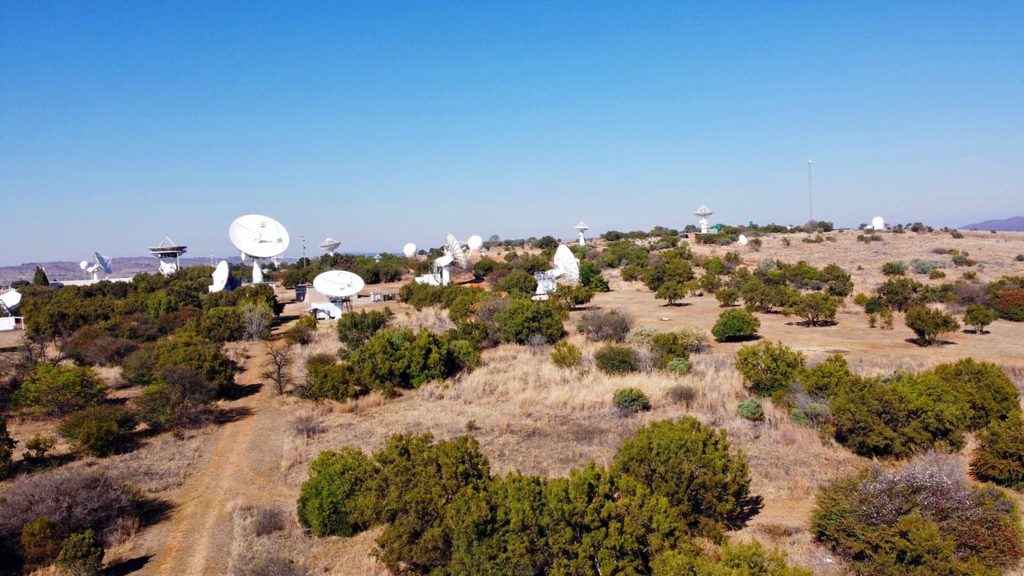
Matjiesfontein’s obscurity is precisely why it has become a hotbed of development in the space industry.
The town plays a key role in deep-space tracking and lunar exploration, supporting a LEGS complex as part of NASA’s Artemis programme.
NASA’s Artemis programme is the agency’s human spaceflight initiative to return astronauts to the Moon, establish a sustainable lunar presence, and lay the groundwork for future missions to Mars.
This requires substantial global tracking capabilities to prevent loss of contact with travelling astronauts and spacecraft.
Matjiesfontein is one of only three sites in the world chosen for deep-space tracking as part of the Artemis programme. The other sites are in the United States and Australia.
The town was chosen for its isolated location, which minimises radio-frequency interference. This enables sensitive ground dishes to capture faint signals from space.
Matjiesfontein’s geography is also important in this regard, with the dry Karoo weather ensuring minimal cloud cover or rain to interrupt communication.
For these reasons, the South African National Space Agency (SANSA) has been operating out of Matjiesfontein for years.
NASA’s facility is managed in partnership with SANSA and includes huge wide-aperture dishes to track spacecraft, transmit mission commands, and receive telemetry from missions to the Moon.
The facility is not only important for the operation of space flight, but also provides high-paying jobs in the area and scientific tourists to the Karoo.
Despite this high-tech facility operating near Matjiesfontein, the town still sells itself as offering travellers the chance to step back in time.
This is due to the restoration work undertaken by Rawdon in the 1960s and 1970s, which preserved the town’s Victorian style.
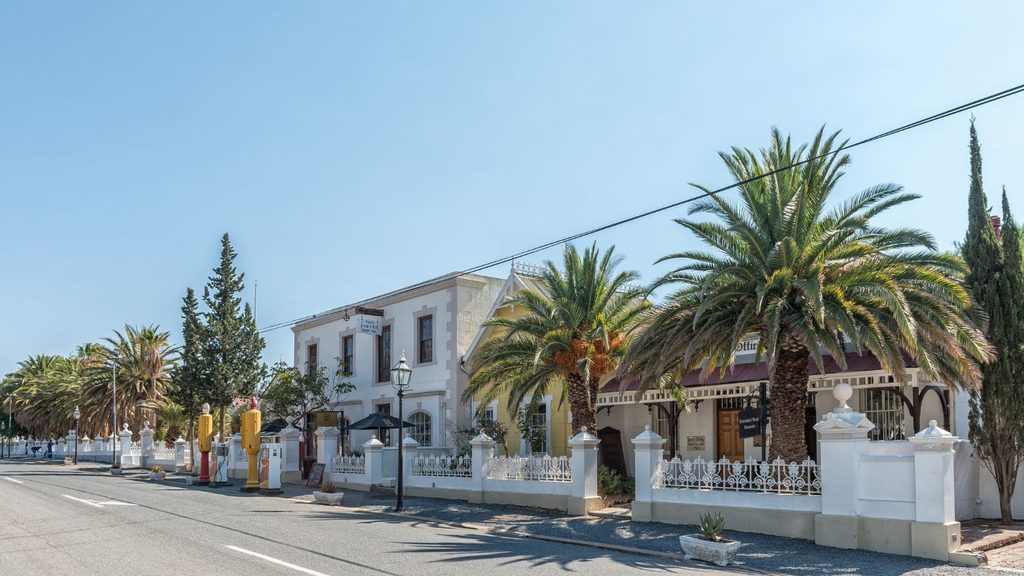
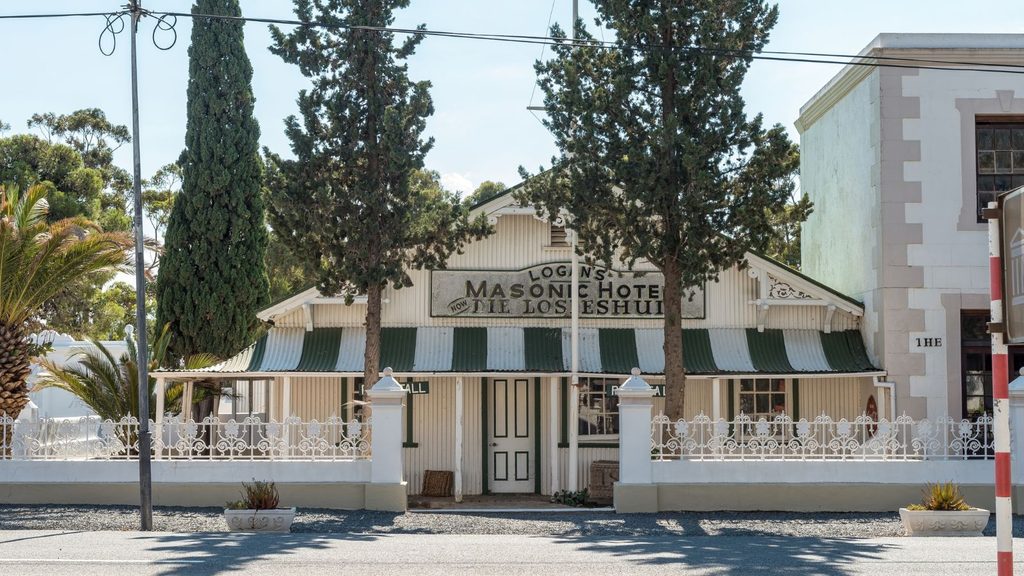
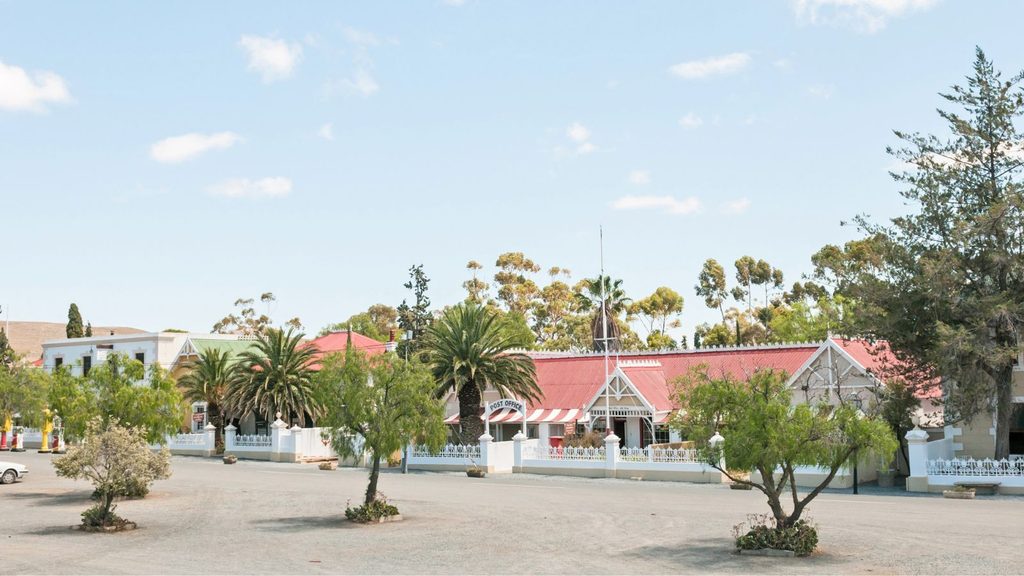
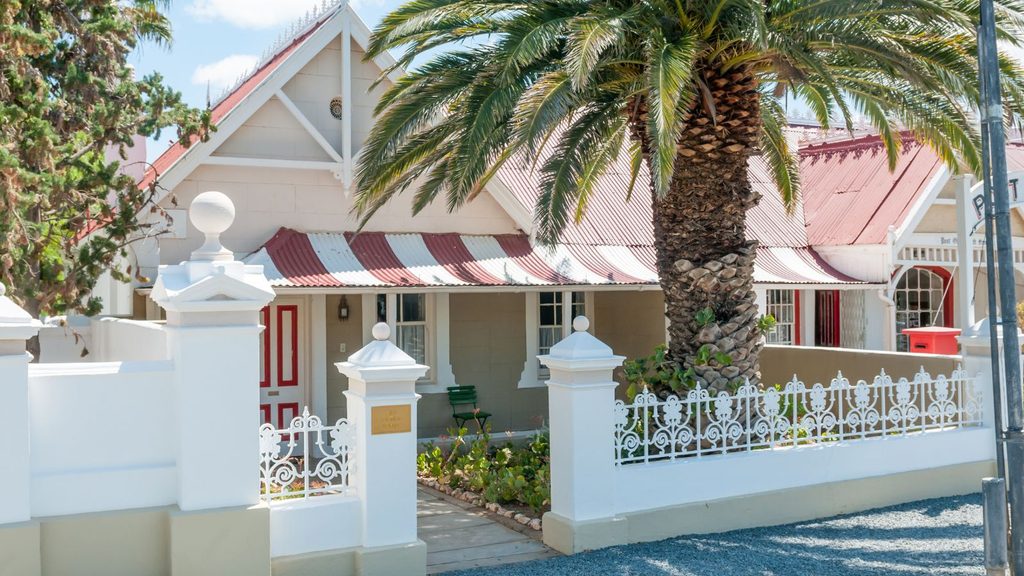
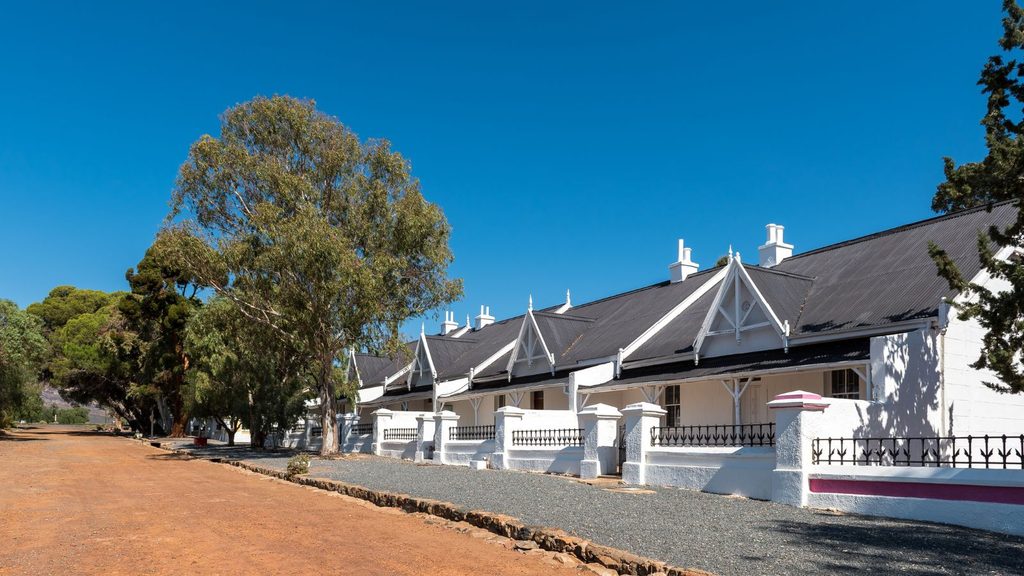
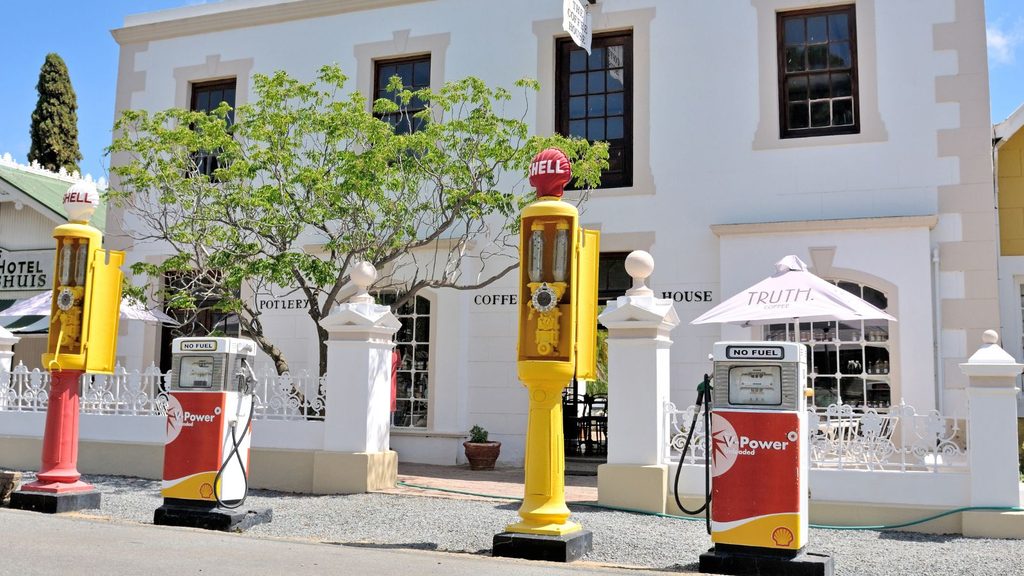
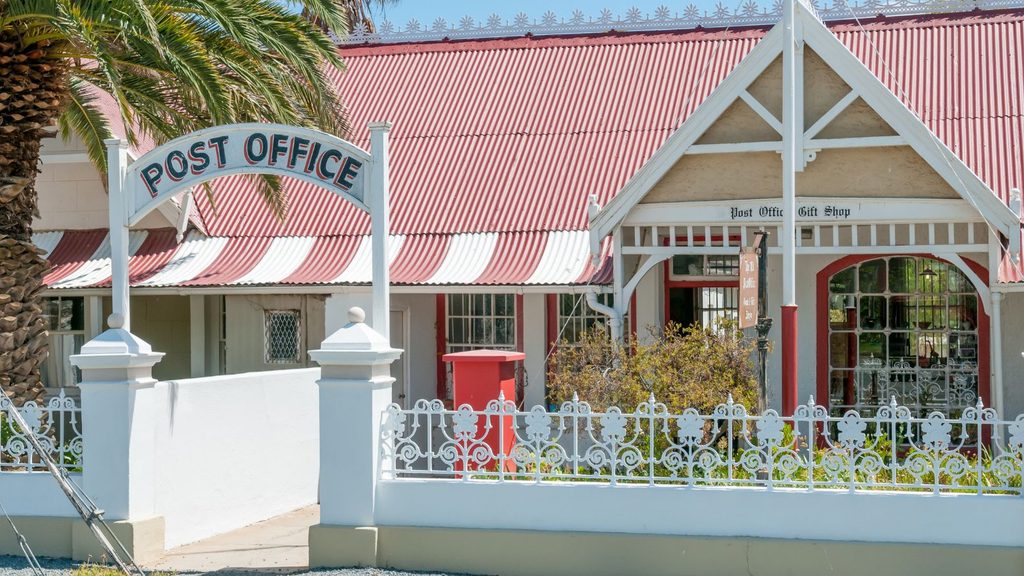
Today, the town operates as a living, working museum town that retains its original 19th-century lamp posts, whitewashed buildings, and verandahs.
The Lord Milner Hotel remains the centre of the town, with it still offering accommodation, traditional Karoo dining, and the Laird’s Arms pub.
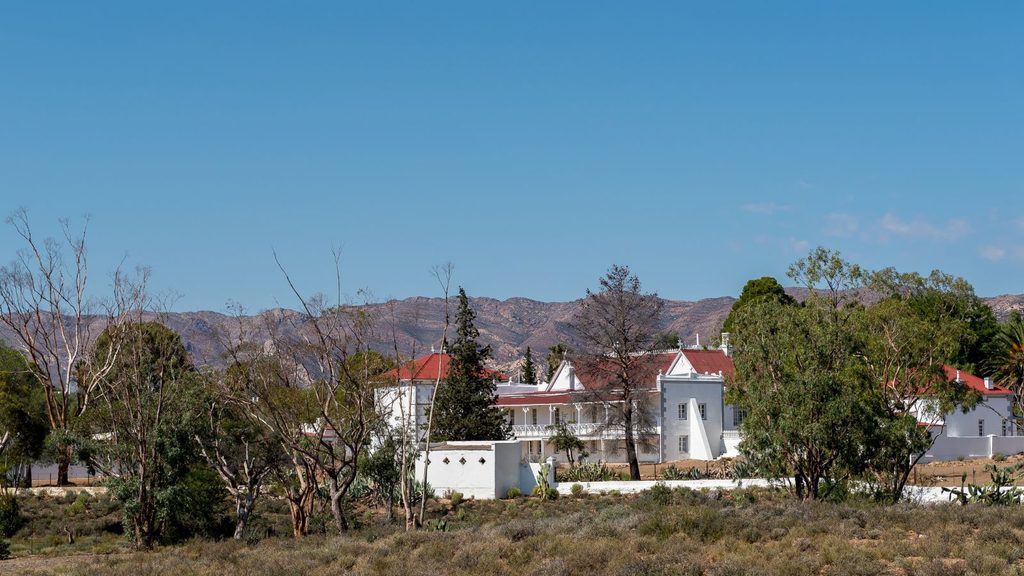
Matjiesfontein photos




Comments