South Africans dodged a bullet from the United States


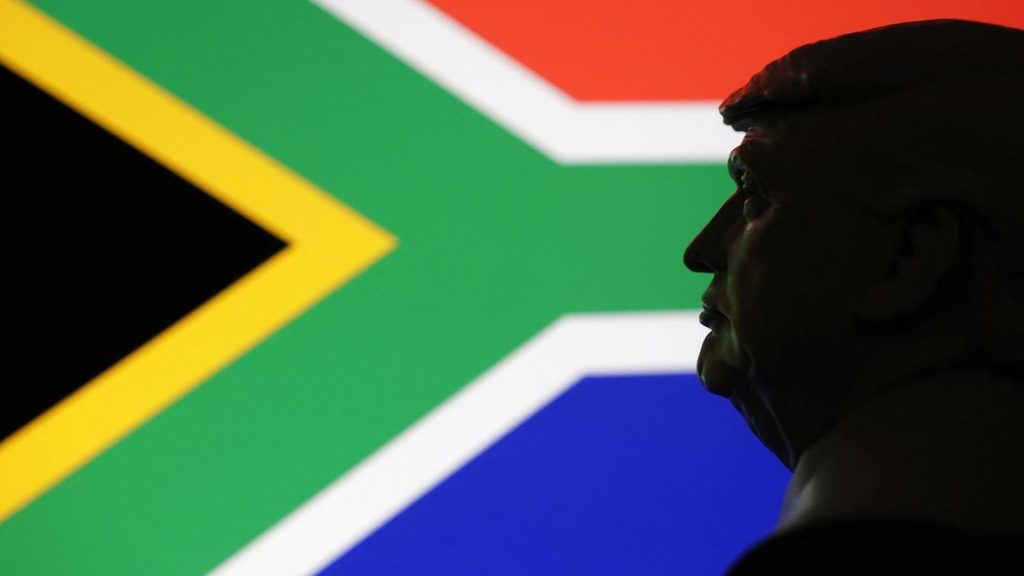
Efficient Group chief economist Dawie Roodt said South Africa is fortunate that the United States opted to impose targeted rather than broad sanctions on the country.
This means only certain individuals will be affected and not the country as a whole, which could make the United States’ demands for South Africa more effective.
Roodt made these comments in a recent Truth Report interview, wherein he explained that he is “in two minds” about the United States’ decision to impose visa restrictions on South Africa.
This comes after United States Secretary of State Marco Rubio announced a new visa restriction policy against South Africans “involved in race-based discrimination”.
On 15 September, Rubio explained that these restrictions will extend to “foreign nationals who enact or enable policies that promote race-based discrimination”.
The restrictions also apply to those who incite violence or enable the confiscation of land without compensation in South Africa.
This echoes previous demands Washington has made of South Africa, which were framed as conditions to improve diplomatic relations between the two nations.
The United States’ demands included:
- The ANC must distance itself from the ‘Kill the Boer’ song
- Farm killings must be declared a priority crime
- American investors should be exempted from BEE and transformation requirements
- The government must end Expropriation without Compensation
- The ANC must end its close relations with Iran
Roodt said that, while he does not believe one country should meddle in another’s affairs, it can be necessary in some cases.
“Sometimes, a country does such bad things or the policies are so bad that another country should be allowed to meddle in the affairs of another country,” he said.
“For example, there are racist laws that we have in South Africa, like Expropriation without Compensation.”
“So, there could be an argument saying that the South African government is doing such horrible things that another government can get involved.”
In this regard, Roodt believes South Africa is fortunate that the United States opted to impose targeted rather than broad-based sanctions.
This, he said, means that certain individuals will be affected rather than the whole country, “which is a good thing”.
Roodt’s comments have been echoed by AfriForum’s chief spokesperson for community safety, Jacques Broodryk, in a recent interview with BizNews.
Broodryk said AfriForum has been asking for direct sanctions against South African political leaders for some time.
He said the organisation is grateful that the United States did not punish the country as a whole, for example, by revoking South Africa’s access to the African Growth and Opportunity Act.
“Because it’s not the citizens of the country’s fault that we are in the situation that we’re in and that governments are taking the decisions that they are taking,” Broodryk said.
“It’s purely the government’s fault, and that’s why we need these politicians and decision-makers to be the ones to bear the brunt of any US action.”






Comments