South Africa’s northernmost municipality collapsing in plain sight


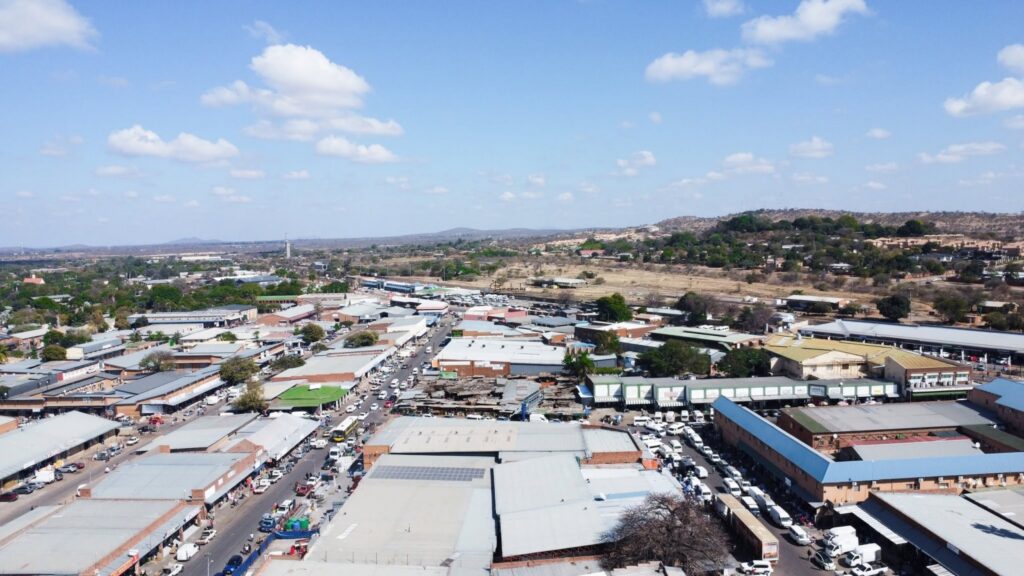
Calls are growing for the Musina Local Municipality in northern Limpopo to be placed under a mandatory financial recovery intervention.
This comes as the Limpopo Provincial Treasury labelled the municipality’s voluntary Financial Recovery Plan as “not satisfactory and having no impact”.
Musina is the northernmost local municipality in South Africa, part of the Vhembe District Municipality and bordering Botswana, Zimbabwe, and Mozambique.
The Beitbridge Border Post, one of Africa’s busiest land border crossings, is located near the town of Musina, which serves as the municipal seat.
During a meeting with the Department of Cooperative Governance, Human Settlements, and Traditional Affairs, the Provincial Treasury said the municipality had failed to adhere to the plan.
The Treasury recommended escalating the intervention to a mandatory measure under Section 139(5) of the Constitution, thereby allowing the provincial government to take control.
Musina owes R108 million to Eskom, cannot pay its creditors within the statutory 30-day timeframe, and projects it will only achieve a funded budget by 2028/29.
The municipality was among those which had their July 2026 equitable share withheld by the National Treasury over non-compliance with the Municipal Finance Management Act (MFMA).
The National Treasury initially released a portion of Musina’s funding, withholding the remainder until it could prove that it had paid the required creditors.
While the balance of the equitable share was later paid, this was done to avoid potential service delivery impacts, with many of the affected municipalities still not MFMA-compliant.
This included Musina, whose 2025/26 adjustment budget remains unfunded despite the municipality having an approved Budget Funding Plan.
Concerns have also been raised about Musina’s financial capacity, with the municipality admitting that staff shortages had prevented it from preparing interim financial statements.
“A municipality cannot credibly recover from financial distress without the internal skills and reliable financial information needed to manage that recovery,” Member of the Limpopo Provincial Legislature Jacques Smalle said.
While the municipality reported a R396.5 million reduction in its unauthorised, irregular, fruitless, and wasteful expenditure, it did not specify whether any of it had been recovered.
Infrastructure delivery has been hampered by Musina’s financial distress, as the municipality has reduced its self-funded capital commitments.
Meanwhile, procurement delays and the slow appointment of service providers have continued to hinder capital spending.
“Musina cannot be allowed to drift from one unfunded budget to the next while residents are told that financial sustainability may only arrive in 2028/29,” Smalle said. “The time to intervene is now, before financial collapse.”



Comments