Two state-owned airports in South Africa’s Platinum Province crumbling in front of everyone’s eyes


The North West Province’s two government-owned airports, GD Montshioa Airport and Pilanesberg International Airport, are suffering infrastructure decline, regulatory non-compliance, and reduced operational capacity.
This is the result of years of underfunding and weak management, with the airports’ futures now requiring urgent attention.
This is feedback from the North West University’s Dr Olebogeng Baikgaki, who explained in a recent press release that both of these facilities hold strategic value for the province’s economic and social development.
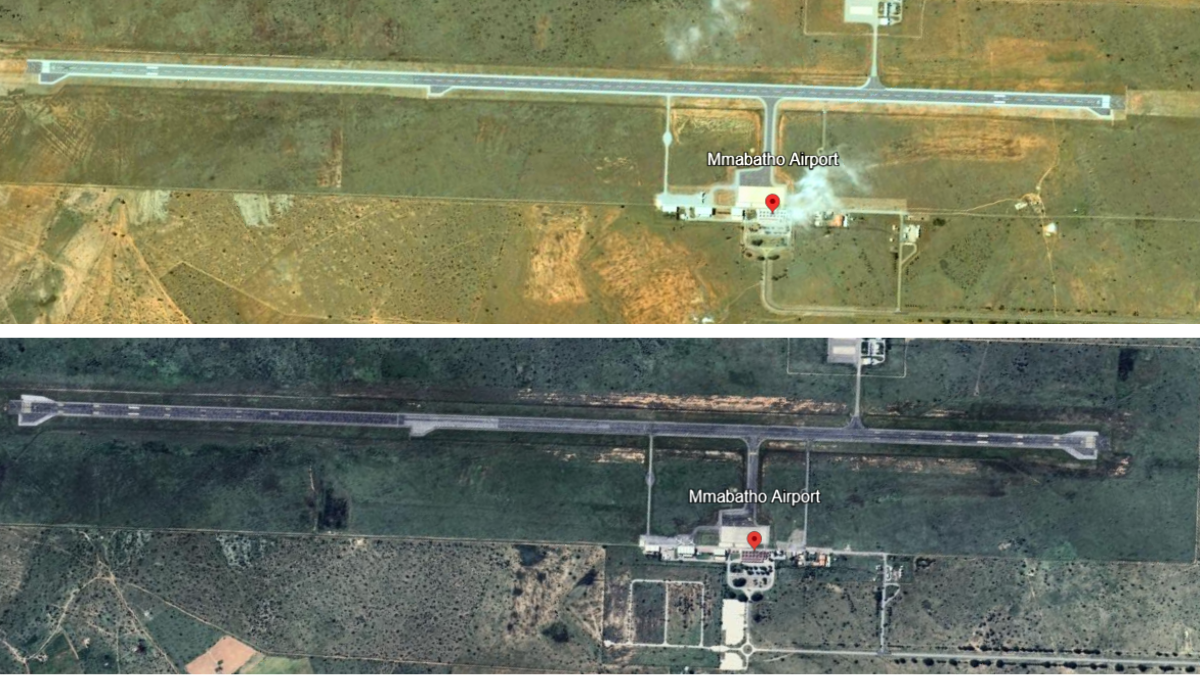
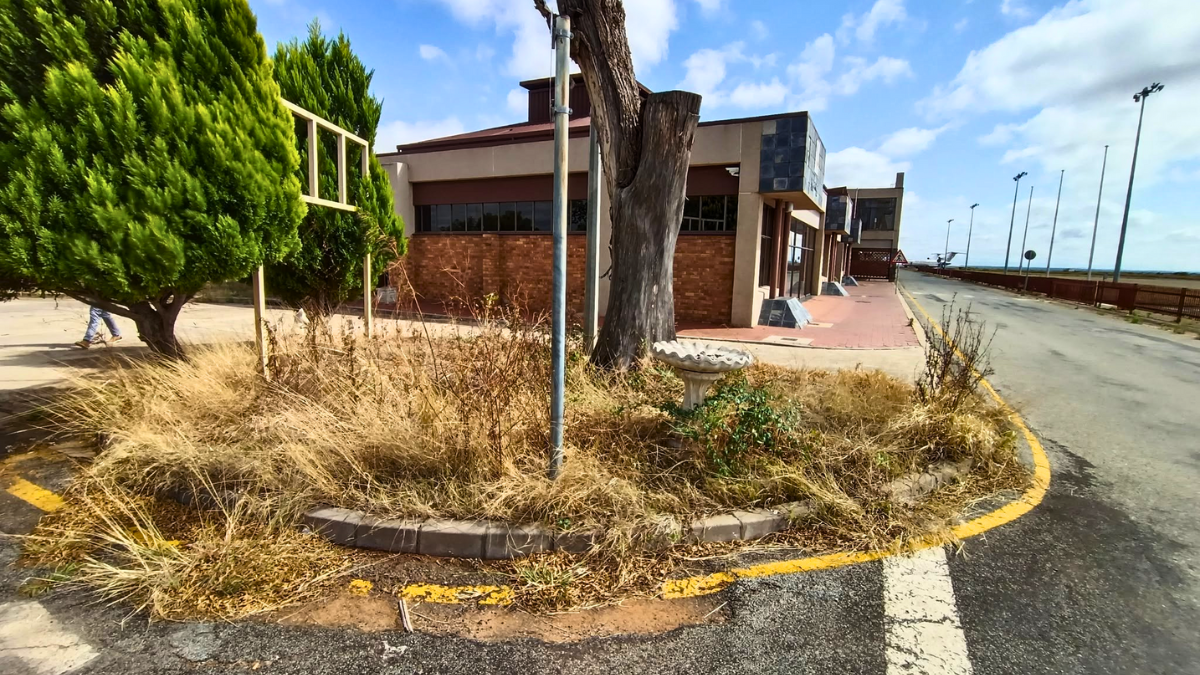
Previously known as Mafikeng Airport, George Dick Montshioa Airport was opened as an air force base under the former Bophuthatswana government.
It is located in the North West’s capital, Mahikeng, and, at one point, held international status and boasted one of the continent’s longest runways.
Baikgaki explained that this airport is ideally positioned to connect the surrounding rural areas with government services and economic activity.
However, the airport has had a turbulent history, and despite a reinvigoration project worth millions announced over a decade ago, it currently stands dormant.
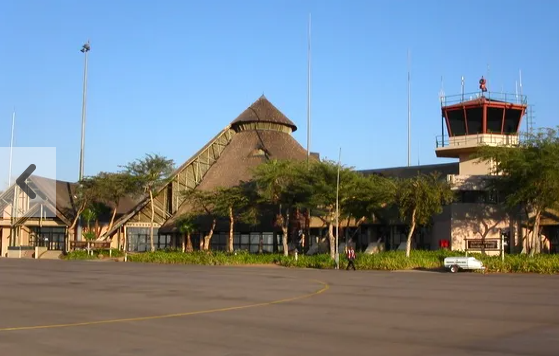
The second North West airport, Pilanesberg International Airport, is located adjacent to the National Park with the same name.
This airport was opened in 1981, built to serve the National Park and the highly popular Sun City Resort.
Baikgaki said the Pilanesberg International Airport sits at the heart of key tourism and mining zones in the North West, making it a critical gateway for investment and visitor flows.
The airport was previously run by Airports Company South Africa, which also operates major local airports like OR Tambo and Cape Town International, but was transferred to the North West provincial government in 2011.
In 2023, a fire broke out at the airport that severely damaged its main terminal building and control tower, ceasing normal operations. Earlier this year, Public Works Minister Dean Macpherson announced plans to redevelop the airport.
Intervention is needed

Baikgaki explained that despite the potential of both airports for North West’s economy, they have failed to meet their development mandate, raising questions about their sustainability under continued government control.
He referred to the 1998 White Paper on National Policy for Airports and Airspace Management, which discourages direct government operation of airports and encourages private sector participation.
The White Paper calls for private sector involvement, particularly in cases where public assets are no longer financially viable or sustainable.
“Nearly three decades later, however, more than half of the country’s airports remain state-managed, with many experiencing similar inefficiencies and stagnation.”
Therefore, Baikgaki believes public-private partnerships (PPPs) present a viable pathway for revitalising these two airports.
“In South Africa, examples such as Lanseria, Wonderboom and Rand airports demonstrate how private sector involvement can lead to improved performance,” he said.
However, he explained that PPP adoption in the North West has been limited – not due to a lack of opportunity, but rather constraints related to political will, institutional capacity and stakeholder alignment.
Baikgaki said addressing these challenges is essential if the province is to fully leverage its infrastructure for socio-economic benefit.
“A key starting point would be to strengthen collaboration with institutions such as the Development Bank of Southern Africa and Infrastructure South Africa,” he said.
“These entities have already shown interest in supporting airport development, with funding commitments made but not fully pursued.”
“Engaging them meaningfully, alongside Airports Company South Africa, could help establish a sustainable financing and operational model.”
Baikgaki noted that the success of any PPP will depend on the extent to which risk and decision-making authority are shared between the parties involved.
Therefore, he said the state will need to be willing to move beyond its traditional service-oriented approach and allow the airports to operate as commercially viable entities.
“This shift is necessary to attract investment, improve service delivery and ensure long-term sustainability,” he said.
“At the same time, the transition must be carefully managed to protect the interests of employees and communities.”
For this to work, he believes engagement with workers, trade unions, and interest groups is critical to ensure issues like job security, pensions, medical benefits, and working conditions are addressed transparently.
“Ultimately, the continued underperformance of GD Montshioa and Pilanesberg airports reflects deeper governance and funding challenges within the provincial administration,” he said.
“Without decisive intervention, these assets risk further decline, limiting their ability to contribute to economic growth.”
“The choice facing the North West Province is clear: either pursue strategic partnerships to revitalise these airports or consider alternative options such as sale or repurposing. What cannot continue is the status quo.”
GD Montshioa Airport
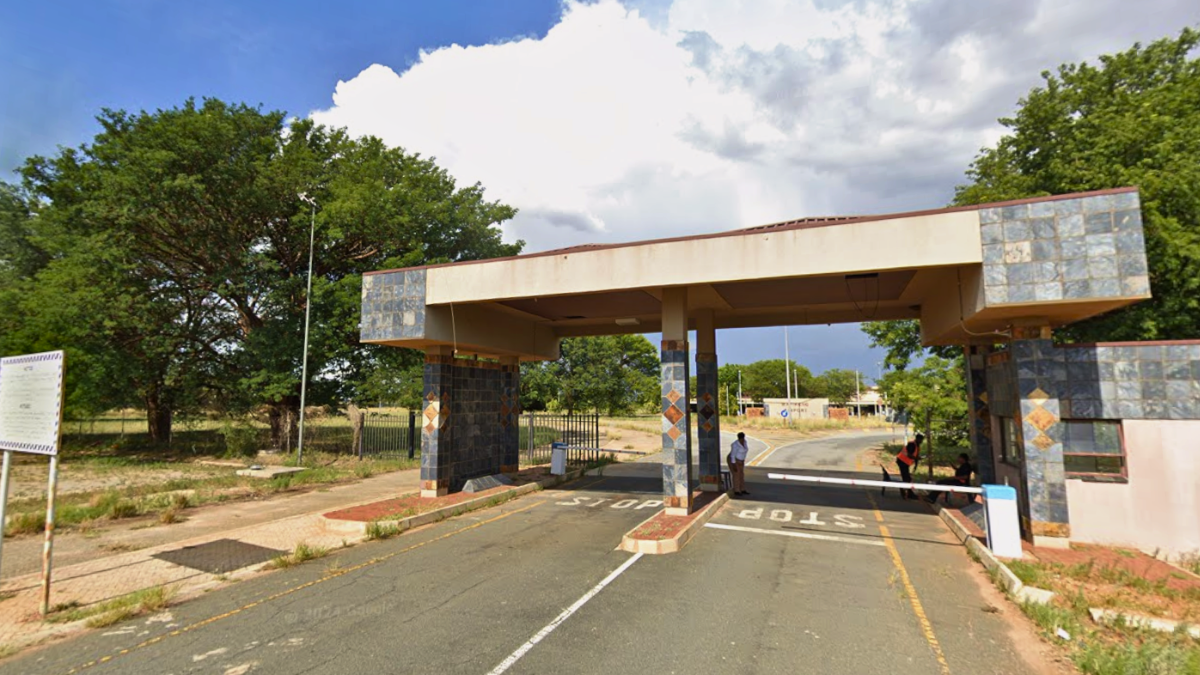
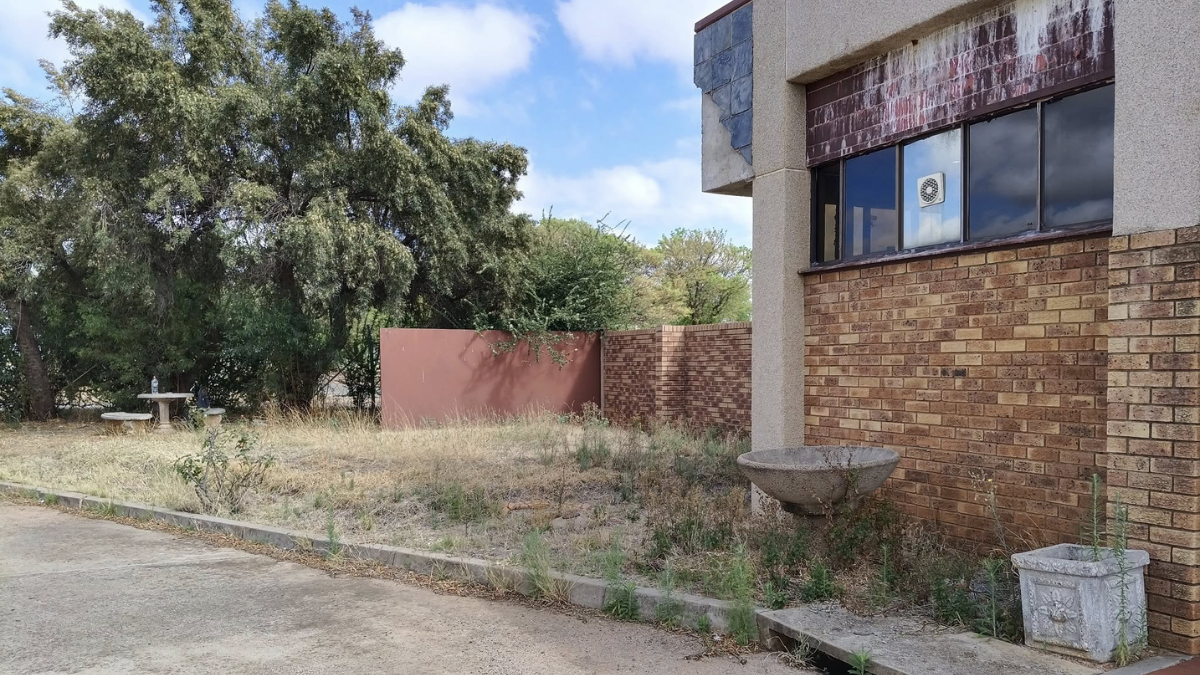
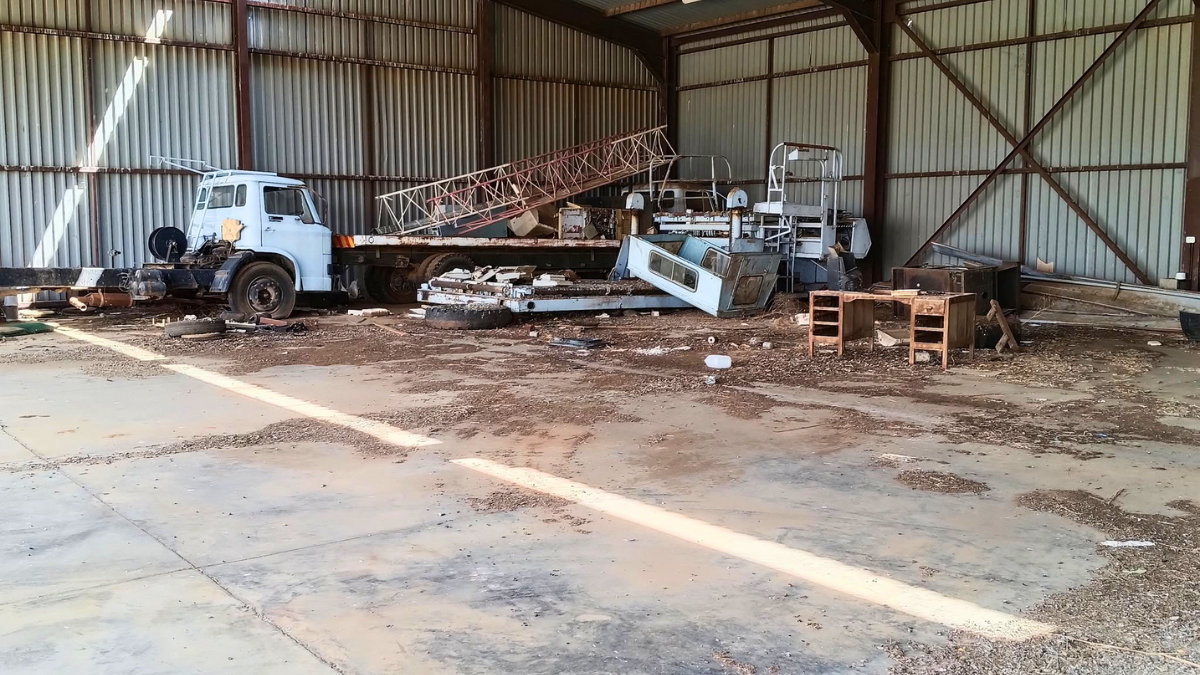
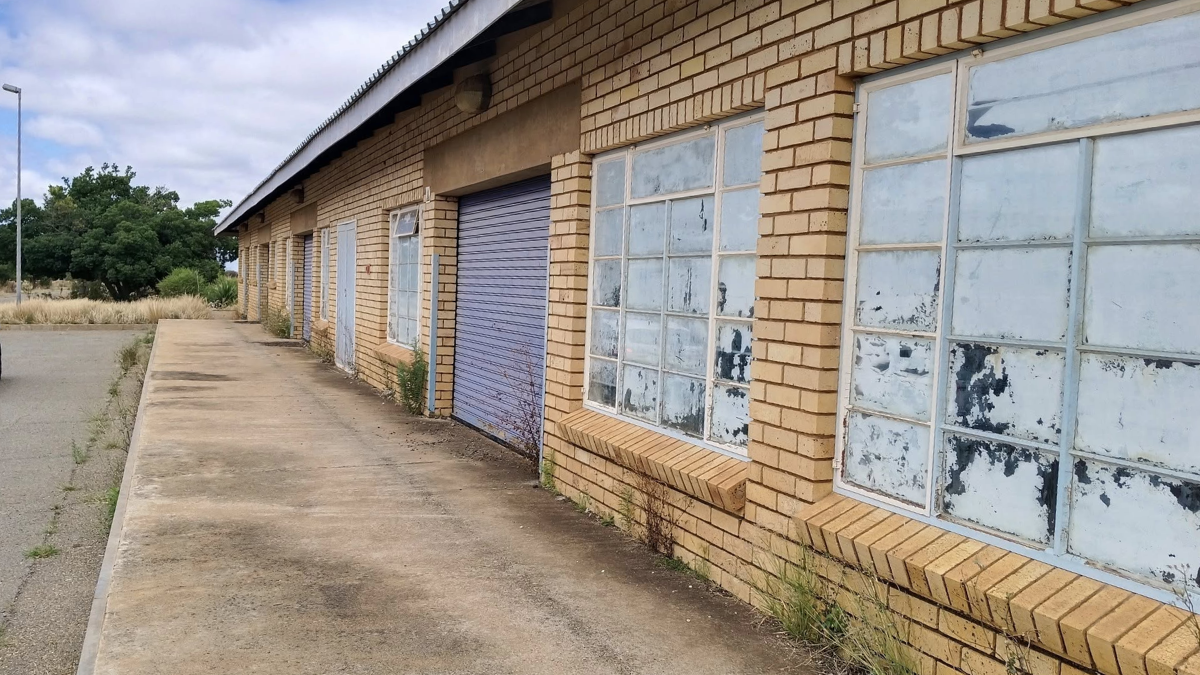

Pilanesberg International Airport
Pilanesberg International Airport now:

Renderings of Pilanesberg International Airport after its planned redevelopment:








Comments