Trouble for malls in South Africa


The traditional mall setup is no longer resonating with most South Africans, forcing retailers to change the way they do things or risk going under.
Over the last few years, foot traffic in traditional malls has declined significantly. According to the South African Council of Shopping Centres, centres that rely solely on retail have seen slower recovery post-COVID.
On the other hand, mixed-use retail destinations have recovered faster. Clearwater Mall’s GM, Kelly Belman, said this shift reflects a deeper change: South Africans are no longer visiting malls just to shop.
They are looking for connection, variety and meaningful experiences. Cafés, open-air dining, wellness spaces, pop-ups, and local culture now matter more than discount signs.
The thriving malls have moved beyond retail, becoming curated marketplaces where shopping is only part of the reason to stay.
“The mall as we once knew it, with rows of identical chain stores, a food court and a few anchor tenants, is fading into the rear-view mirror,” Belman said.
“Retail is not dying, but it is being redefined. And those who manage malls must accept this shift not as a challenge but as an opportunity to evolve.”
This is because modern consumers expect more than transactions, Belman said. They want experience, convenience, connection and a sense of place.
“If malls are to remain relevant, they must become something far more meaningful than a shopping destination. They must behave like marketplaces, not just of goods but of ideas, people and culture.”
“That means rethinking the role a mall plays in its community. It is no longer just about leasing space to stores. It is about curating a living environment where retail is only one part of a broader mix.”
The modern mall blends shopping with dining, fitness, entertainment and wellness. It creates space for everything from yoga studios and climbing gyms to boutique cinemas, sensory play zones and regional food concepts.
“This is not window dressing. It is strategic reinvention grounded in a clear understanding of consumer behaviour,” Belman explained.
“People are not drawn to malls purely by need; they are drawn by intent. They come for experiences, social interaction and discovery. The retail follows.”
Utilising technology
Belman said that forward-thinking mall operators are beginning to treat their centres less like commercial sites and more like cultural spaces.
The result is a stronger sense of place and purpose beyond retail. These spaces evolve throughout the year by introducing local pop-ups, hosting community events, and programming seasonal activations.
“Collaborations with homegrown brands and independent creators add authenticity and local relevance while keeping the environment fresh and engaging.”
“Technology plays a supporting role here, but not in the way many assume. It is not about flashy gadgets or gimmicks. It is about streamlining the user experience so visitors can spend more time enjoying the space and less time navigating it.”
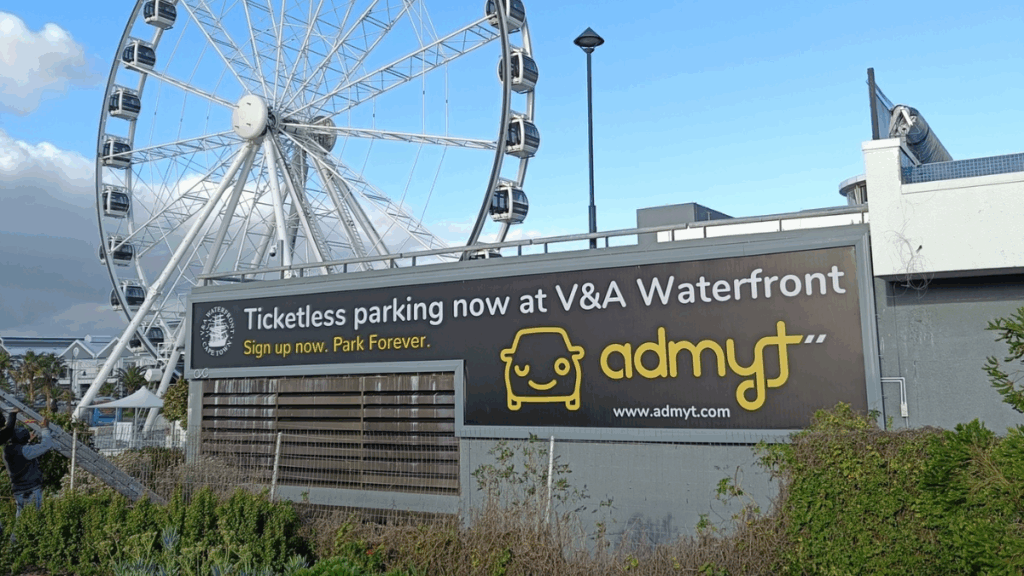
For instance, smart parking systems using licence plate recognition, such as Admyt, remove friction from arrival and departure.
Meanwhile, analytics help mall management understand how visitors move, what attracts them, and how to keep them returning, Belman explained.
“That is where data becomes powerful, not as surveillance but as insight. A mall is a complex organism.” When tracking movement patterns, dwell time, and consumer preferences, malls can adjust their mix in real-time.
This allows them to test new formats, trial hybrid retail concepts, and identify gaps that traditional leasing strategies often miss.
“Crucially, none of this works without people. The modern mall must be built around human needs, not spreadsheets. This is especially true of younger audiences.”
“Millennials and Gen Z are not driven by the same retail loyalties their parents had. They crave authenticity, novelty and experience.”
For example, they want to know that the coffee they are drinking supports a local roaster or that the art in the atrium is made by someone who lives nearby.
“This is where mall managers have an edge if we are paying attention. We are uniquely placed to offer platforms to small businesses, independent creators and underrepresented voices.”
“These partnerships do not just refresh the tenant mix; they inject energy, relevance and meaning into the space,” Belman added.
Smarter malls
However, Belman stressed that relevance does not mean chasing trends. Instead, it means listening, learning and adapting with purpose.
“It is about knowing when to hold onto what works and when to let go of what does not. This might mean converting underperforming retail units into co-working lounges or meditation pods.”
“It might mean transforming a corridor into an art gallery or a parking deck into a rooftop garden.” Belman said that the economics of retail property are changing, and square metreage alone is no longer the metric of success.
Dwell time, community engagement, brand equity, and social media traction are equally valuable indicators of a mall’s health.
She said the most successful centres in the next decade will not be the largest; they will be the smartest. Belman added that the idea that e-commerce means the end of physical retail is a misconception.
“In reality, the opposite is proving true. The digital age has sharpened the role of physical spaces. Stores are no longer about stock. They are about story.”
“They are places where brands come to life, where consumers can touch, try and engage. Malls that understand this are creating rich, layered environments that make people want to linger, return and share.”
This shift in consumer behaviour is not a short-term shift but a structural transformation changing the way retail works, Belman said.
“Mall managers are no longer just landlords. We are curators, strategists and place-makers. With the right mix of creativity, data and community insight, malls can continue to grow, not by holding onto the past but by building something genuinely new.”
“The digital age has not made physical spaces obsolete. It has made them more important than ever. But only if we are willing to rethink their purpose.”
Fourways Mall

There is perhaps no clearer illustration of this trend than Fourways Mall. For years, it has been struggling with vacancies, reduced foot traffic, and declining value following a R1 billion expansion in 2019.
The COVID-19 pandemic worsened its performance, pushing its vacancy rate to 8% in 2023 and dropping its value from R9.6 billion in 2020 to R8.04 billion in 2023.
To reverse this decline, Accelerate Property Fund brought in new management teams – Flanagan & Gerard and Moolman Group – who launched a turnaround strategy to improve customer experience and mall infrastructure.
They implemented many of the adjustments Belman pointed to, as well as a number of other key changes.
This included repairing the leaky roof, installing South Africa’s largest retail solar plant, spending R24 million on brighter LED lighting, and redesigning confusing parking areas.
A new VIP parking section and the relocation of the taxi rank boosted performance at Woolworths, while padel courts, a “Wellness Hub,” and popular new retailers have further drawn in shoppers.
As a result, foot traffic has increased to 1.2 million monthly, and vacancies have dropped from 24% in December 2023 to 13% in May 2025.
Despite ongoing challenges such as competition and changing retail trends, management is leveraging the mall’s size to offer unique experiences, such as go-karts and a shooting range.



Comments