Woolworths Food rolling out takeaway stores across South Africa


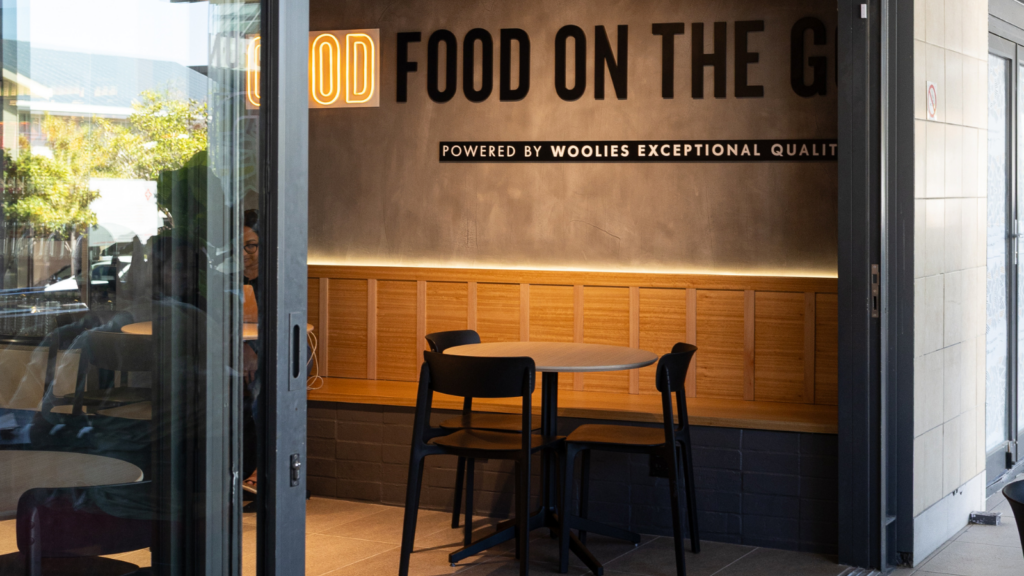
Woolworths is rolling out new takeaway stores, Now Now, across South Africa as the retailer looks for new ways to grow its food business.
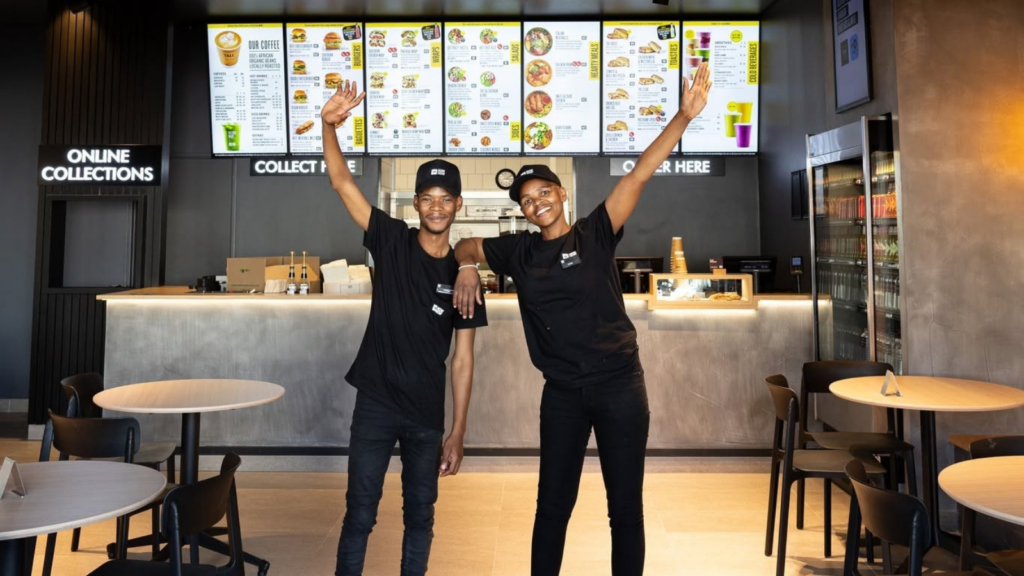
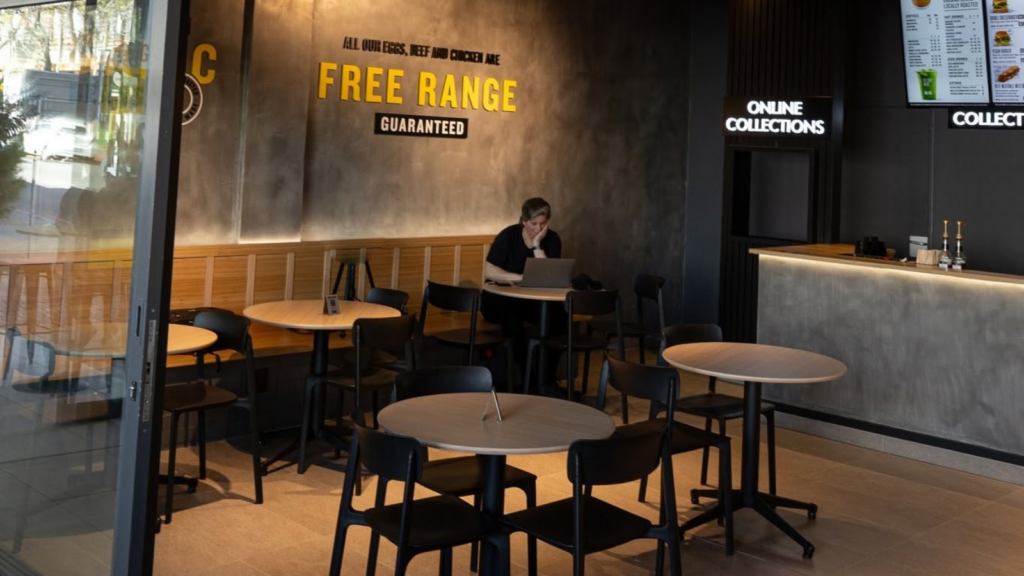
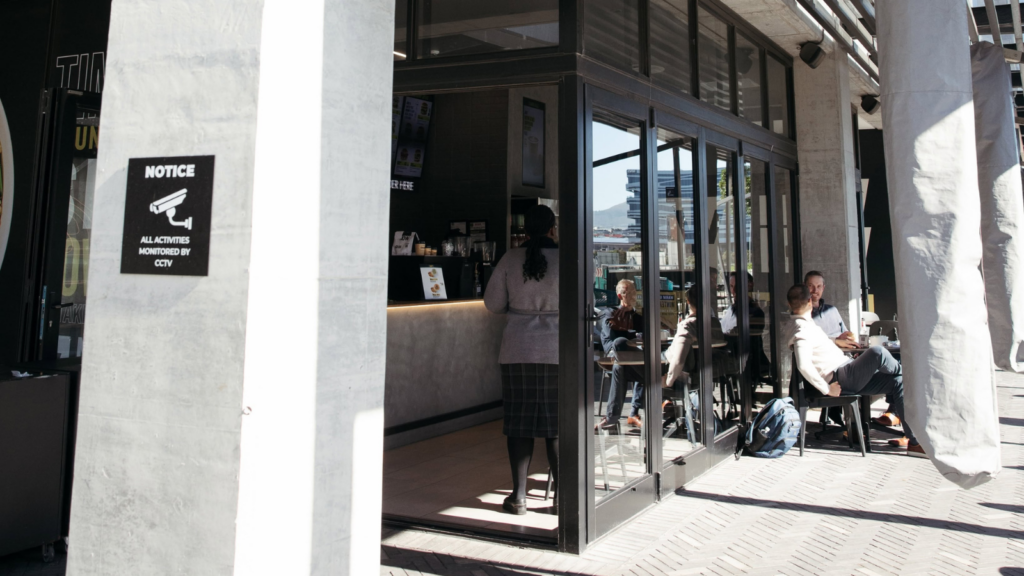
On 20 November 2026, Woolworths opened its first Now Now takeaway store within the BP petrol station in Broadacres, Johannesburg.
It is Woolworths’ first partnership with BP and forms part of the retailer’s quick-service food offering.
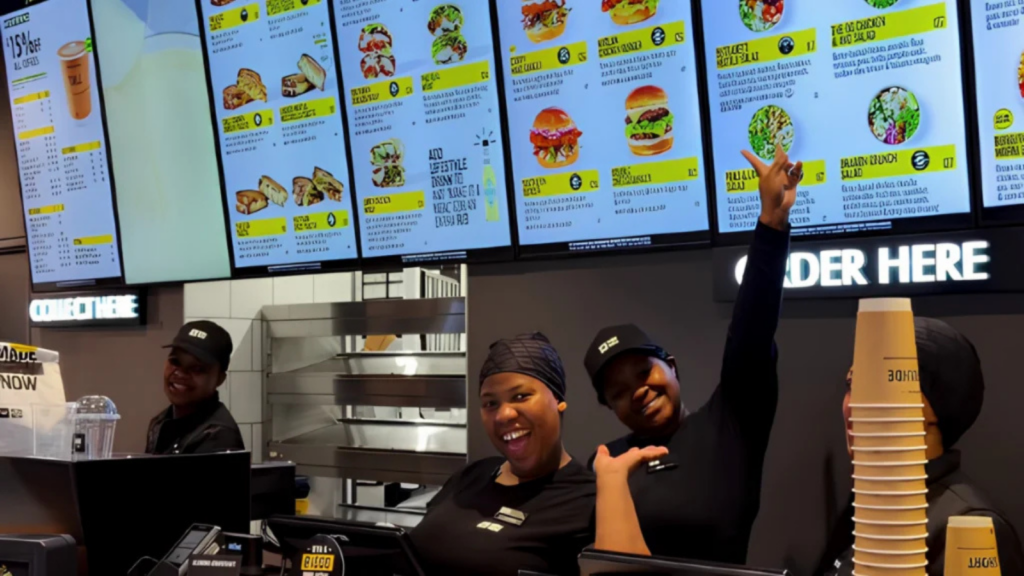
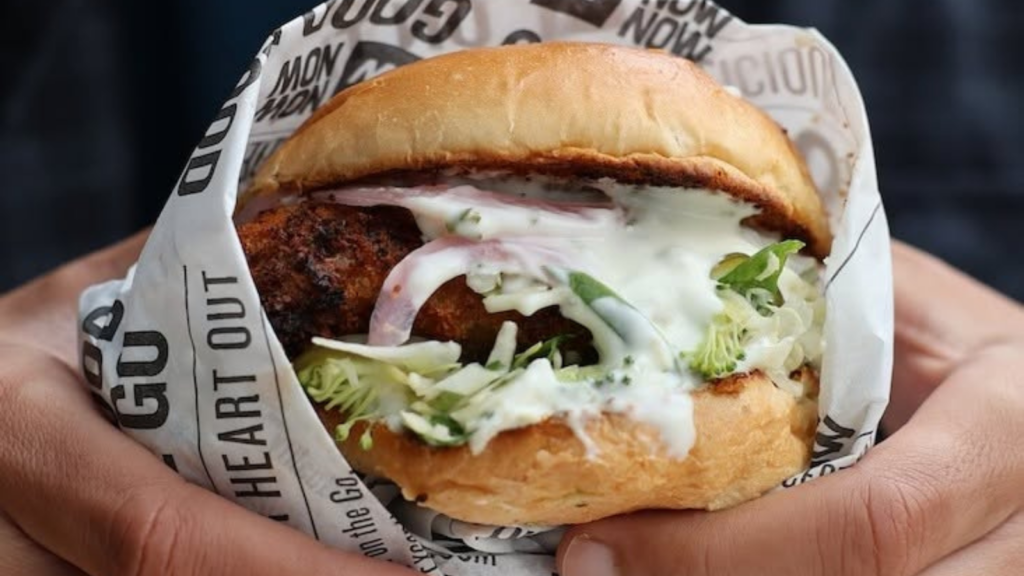
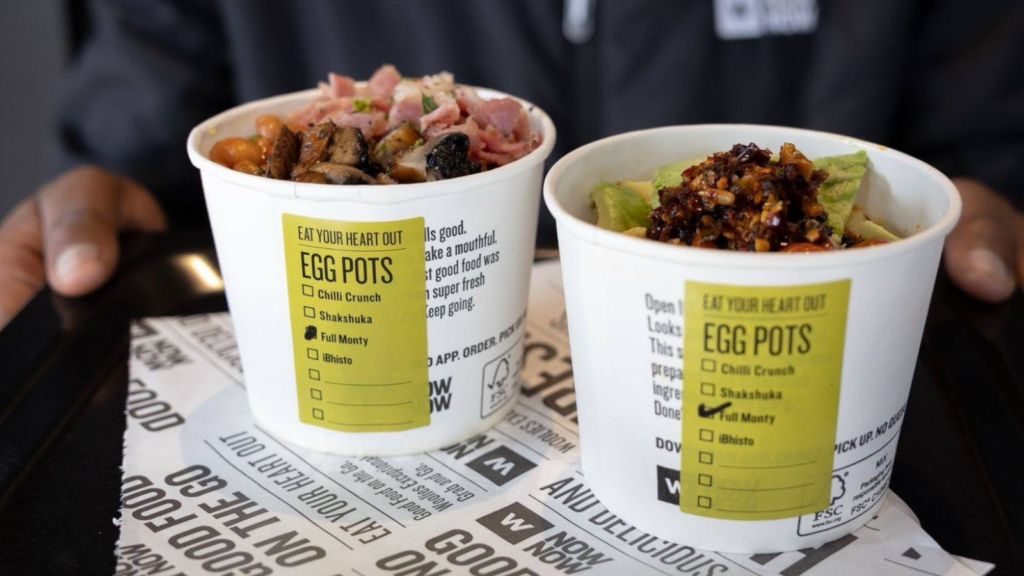
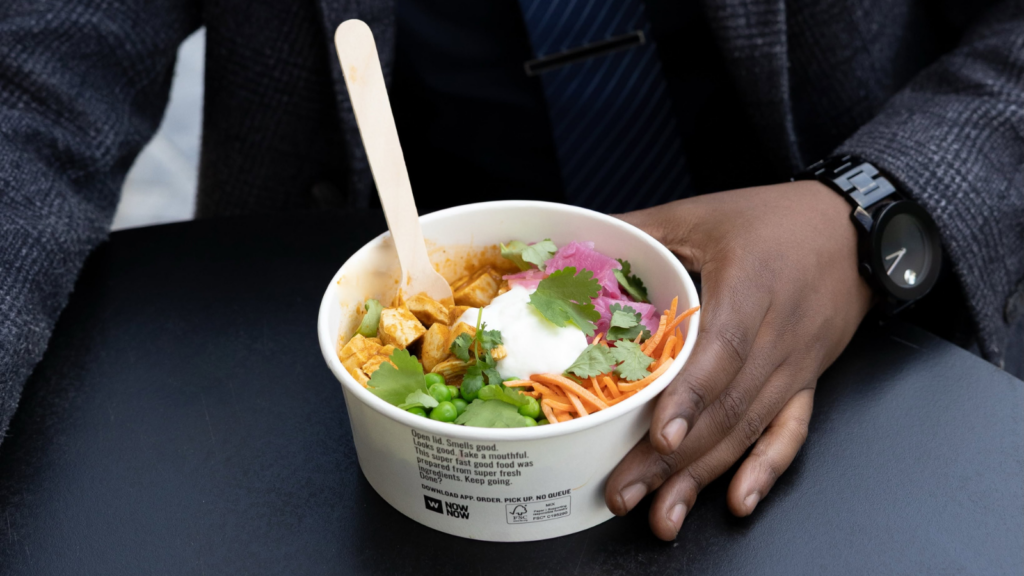
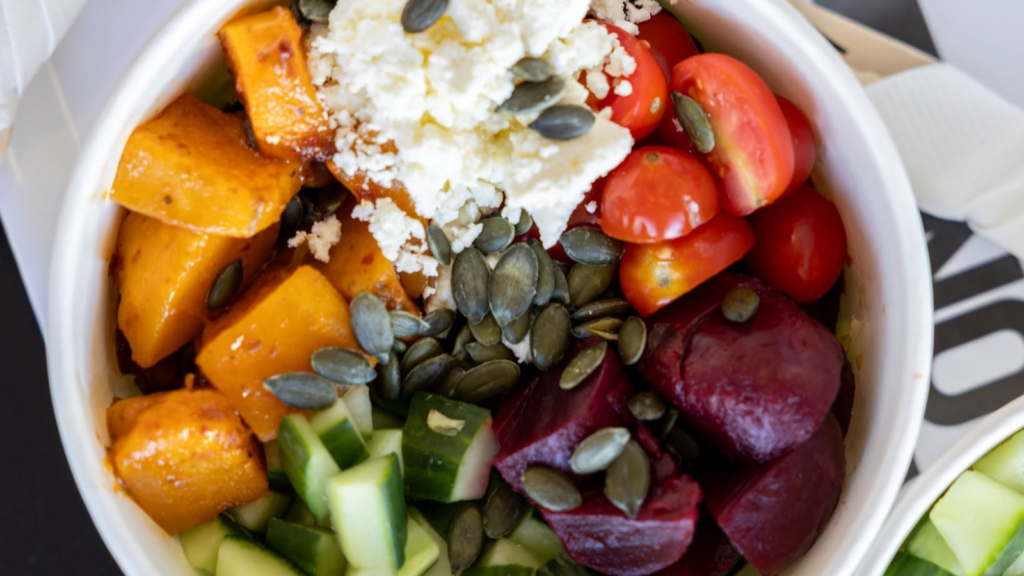
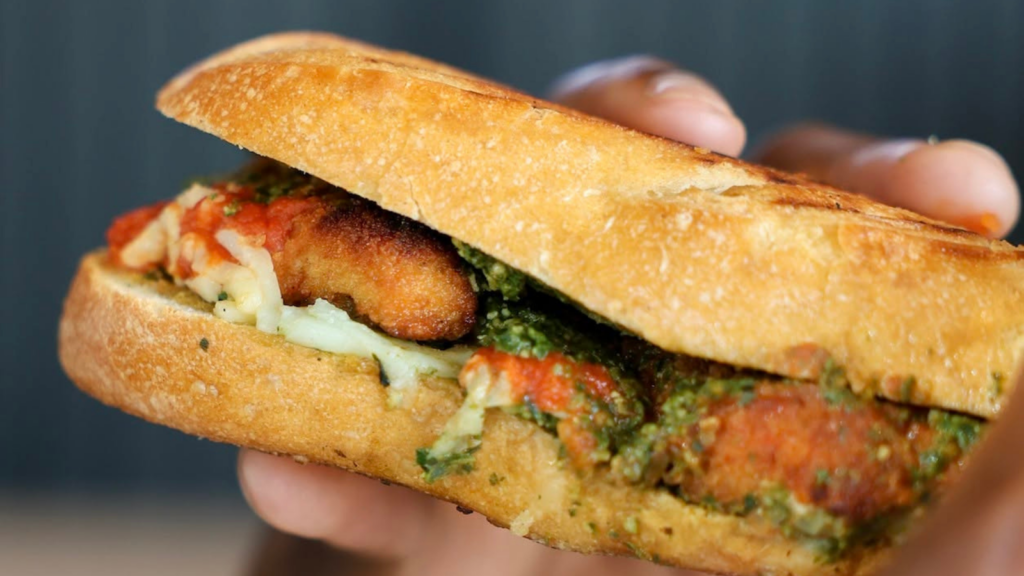
The store serves a selected range of items from the Now Now menu, including salad bowls, burgers, toasties and soup.
Woolworths’ Director of Strategy and Food Services Christopher Brikkels explained that Broadacres was selected because of its mix of residential and office customers, which closely matches its target market.
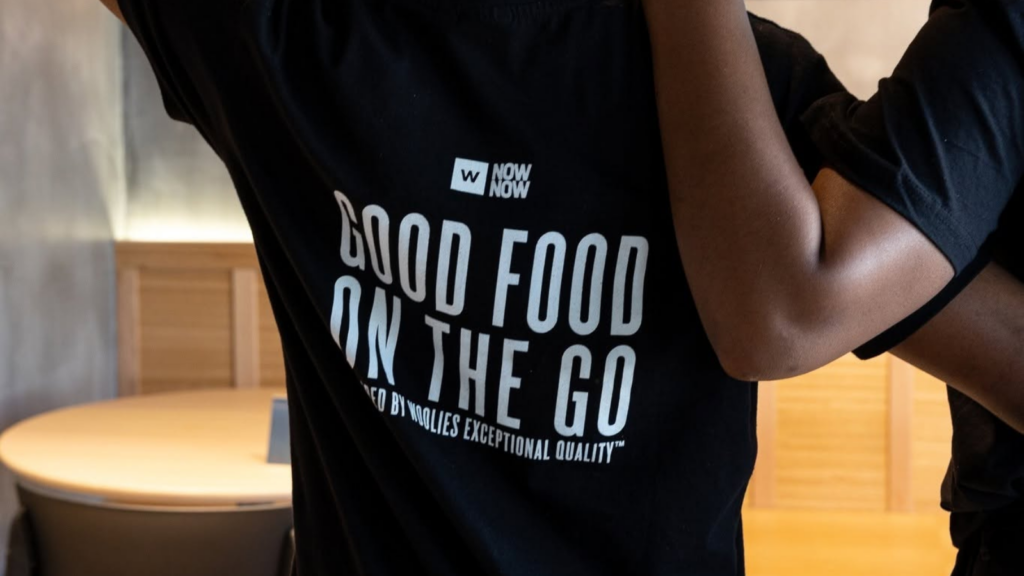
“The station attracts high fuel volumes, while its convenience store already sees strong footfall and sales, providing a strong customer base for Now Now On The Go concept,” he said.
The opening also follows considerable interest from customers on social media, where people across South Africa had been asking where the next Now Now outlet would open.
Woolworths Now Now currently has 10 locations across the country. The concept is designed to offer customers a quicker alternative to visiting a traditional Woolworths Food store, while retaining the retailer’s focus on food quality.
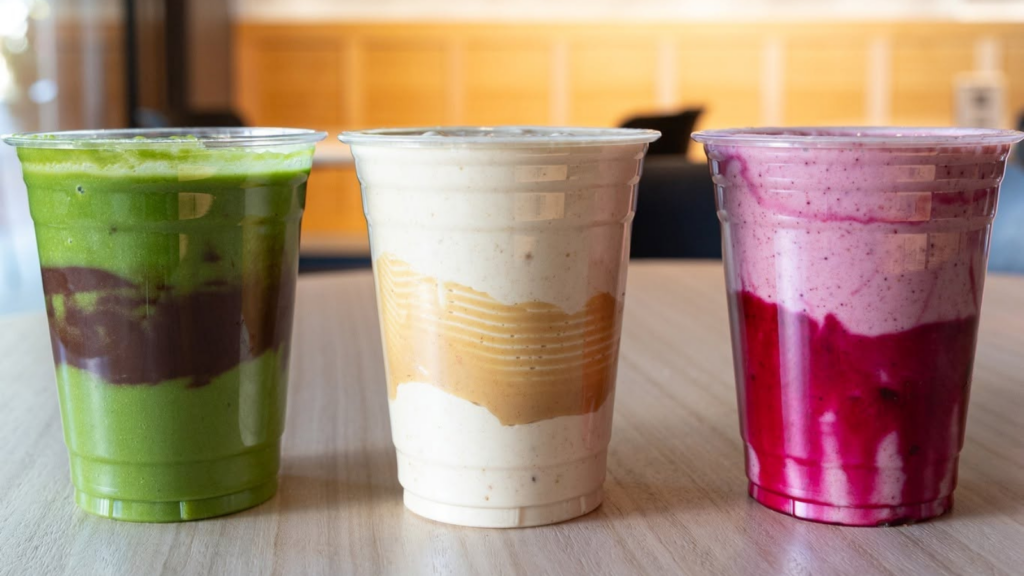
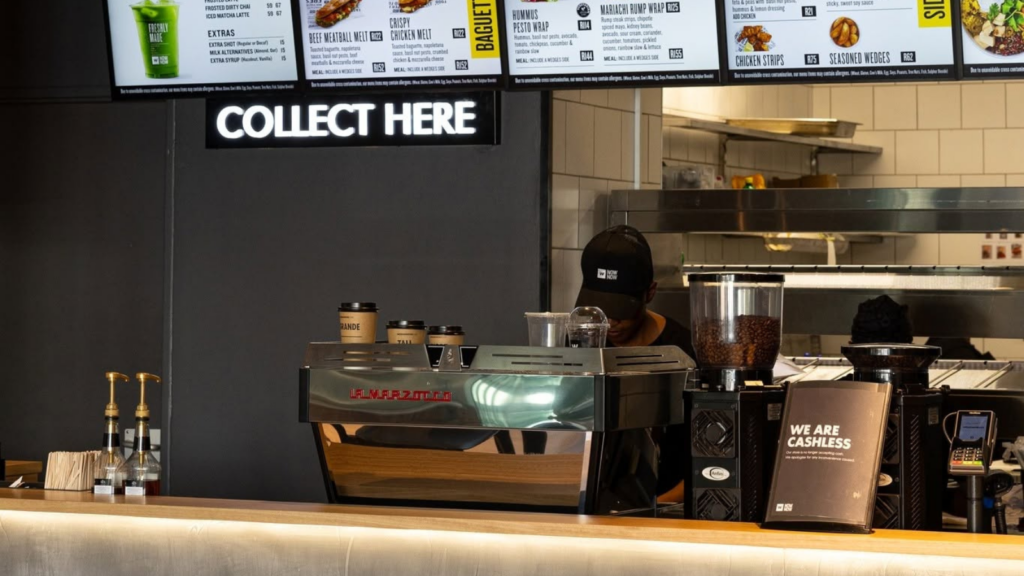
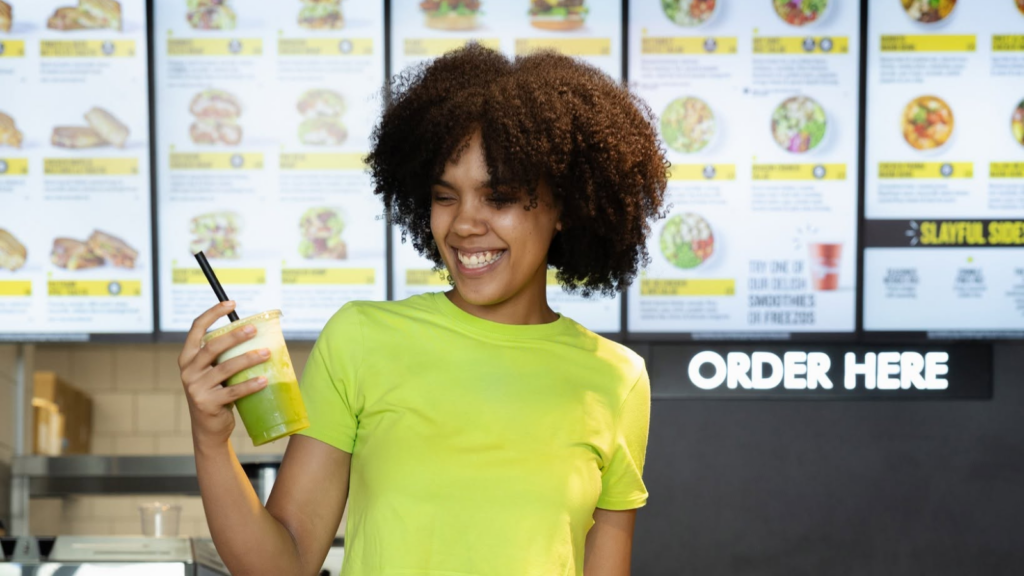
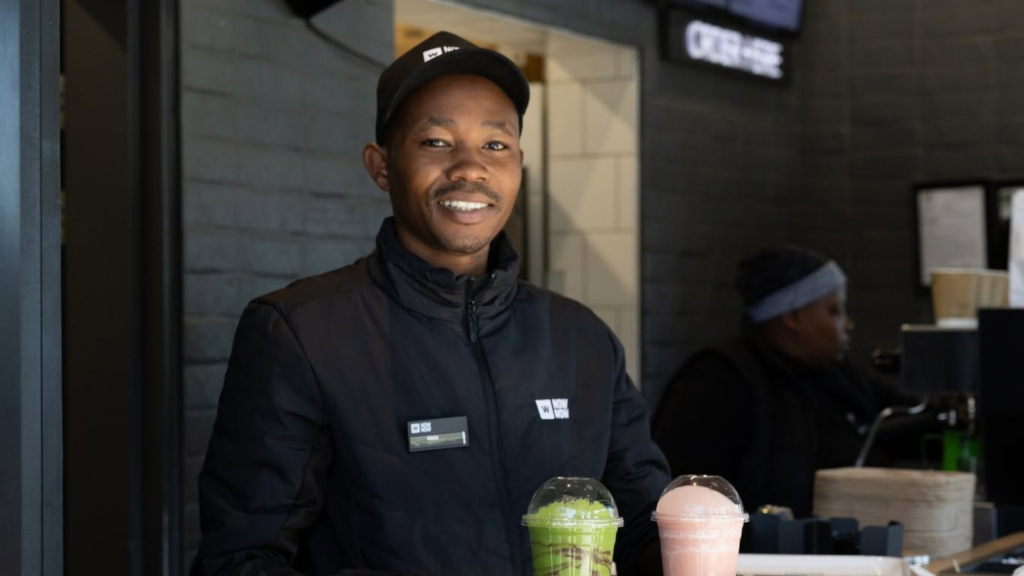
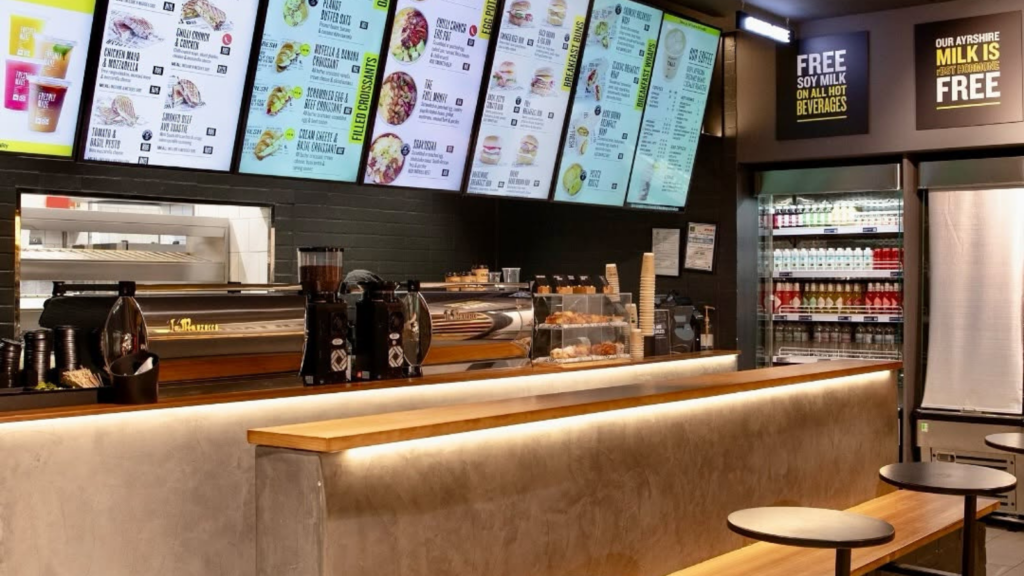
Its menu includes breakfast options, smoothies, coffee, burgers, wraps, salads, pastries and other meals made with ethically sourced ingredients.
Woolworths already has a presence at petrol stations through its long-standing partnership with Engen. Its Woolworths Foodstops provide a 24-hour convenience grocery offering at selected forecourts.
The BP partnership expands this approach by introducing a dedicated quick-service food concept at a service station.
Woolworths expands Now Now as its food business faces pressure
The rollout comes at a difficult time for Woolworths Food, which has historically been the strongest-performing division in Woolworths Holdings.
The food business grew its revenue from R2.2 billion in 2000 to R54.4 billion in 2026. It recorded no annual revenue contraction over that period, with average annual growth of 13.3%.
Its success was built partly on a large private-label offering, including products such as Chuckles and Woolworths Premium Ice Cream.
The retailer also built a strong position in ready-to-heat meals and other convenience products aimed at time-pressed, higher-income consumers.
However, its latest trading update showed that the division is facing weaker demand and declining sales volumes.
For the 19 weeks ended 8 November 2026, Woolworths Food reported sales growth of 1.9%, but like-for-like sales increased by just 0.1%.
Price movement averaged 3% over the period, meaning sales volumes declined. This followed a difficult second half of FY26, when sales growth fell by 4.4%.
Woolworths CEO Sam Ngumeni previously identified problems with the quality of produce and bakery products.
He said poor weather had affected supplier volumes, but the retailer was unwilling to put products on its shelves if they did not meet its quality standards.
The company said it had since worked with suppliers to improve product quality and make supply more predictable.
However, the latest trading update suggests that the food division has yet to return to stronger growth.
Woolworths attributed the performance in part to high fuel prices, inflation, and interest rates, which continue to constrain consumer demand and discretionary spending.
The update also weighed on investor sentiment, with the Woolworths share price falling sharply following its release. Analysts have also expressecd concerns about the company’s performance.
PSG Wealth portfolio manager and strategist Schalk Louw described the latest performance as concerning.
He said Woolworths Food had previously been a reliable, growing business, but its latest sales figures showed that this had changed.
“When you factor in the 3% price inflation we have seen in Woolworths Food, that means actual sales volumes have decreased,” he said.
Oyster Catcher Investments’ Mark du Toit also described the group’s trading update as dismal and pointed to missed revenue expectations across the group’s divisions.
He added that Woolworths was losing market share to Shoprite, partly because it was struggling to compete with Checkers Sixty60.
However, All Weather Capital’s Shane Watkins argued that investors should give Ngumeni time to implement his turnaround strategy.
He said a new chief executive first needs to identify problems, develop a strategy and put it into practice before the financial results begin to reflect those changes.
Watkins also pointed to Ngumeni’s capital allocation approach, which directs investment towards the group’s food business.
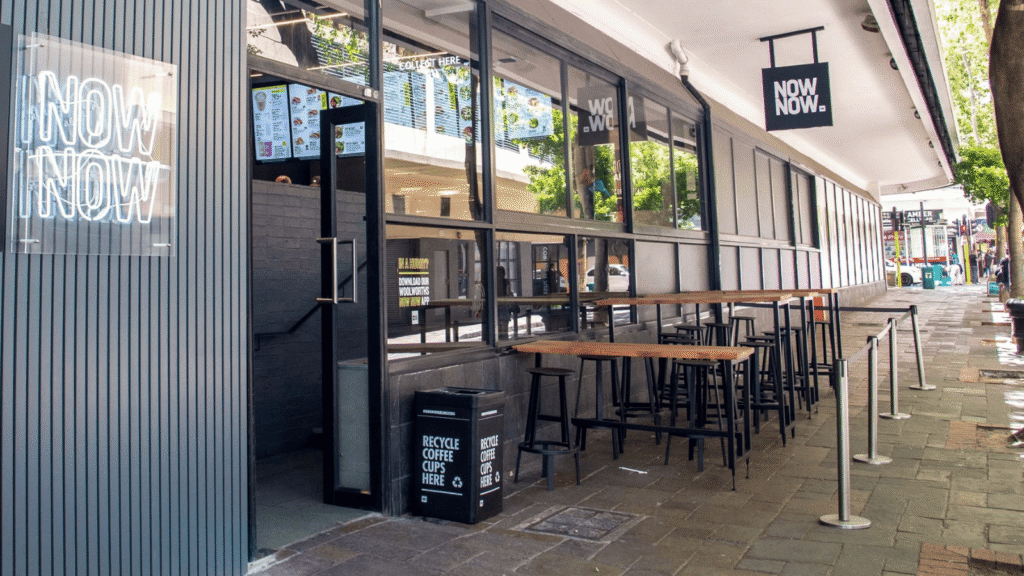
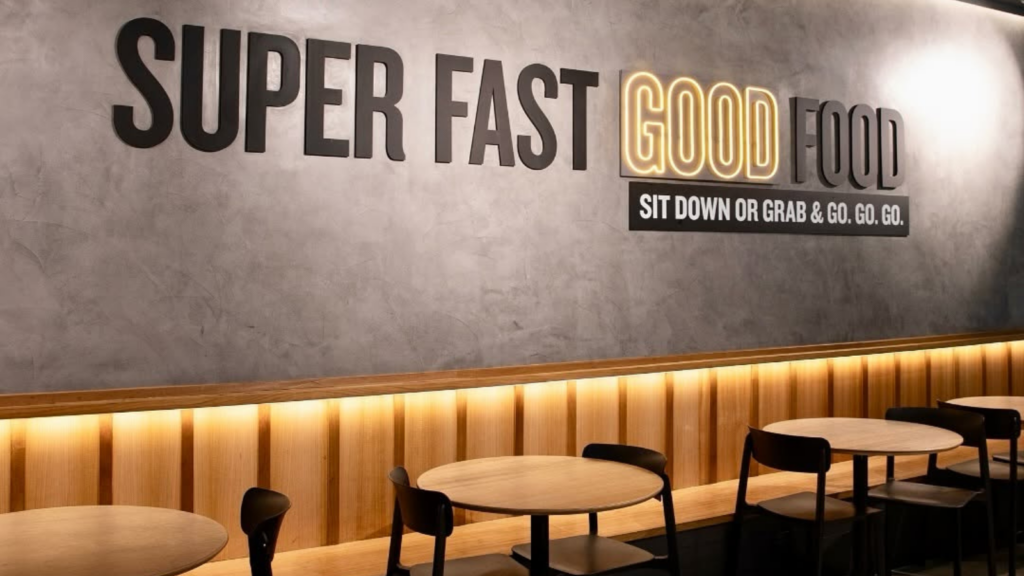
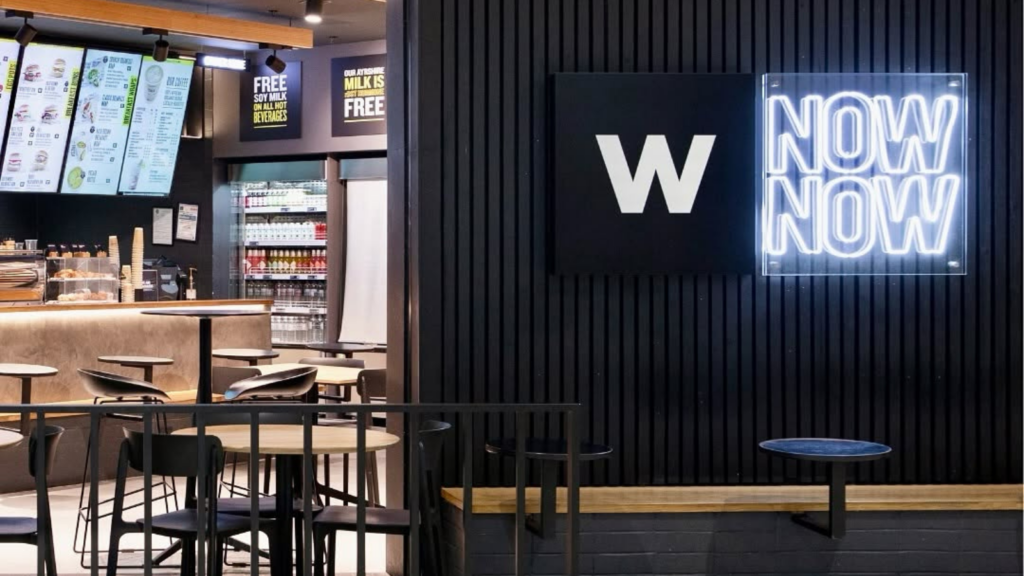
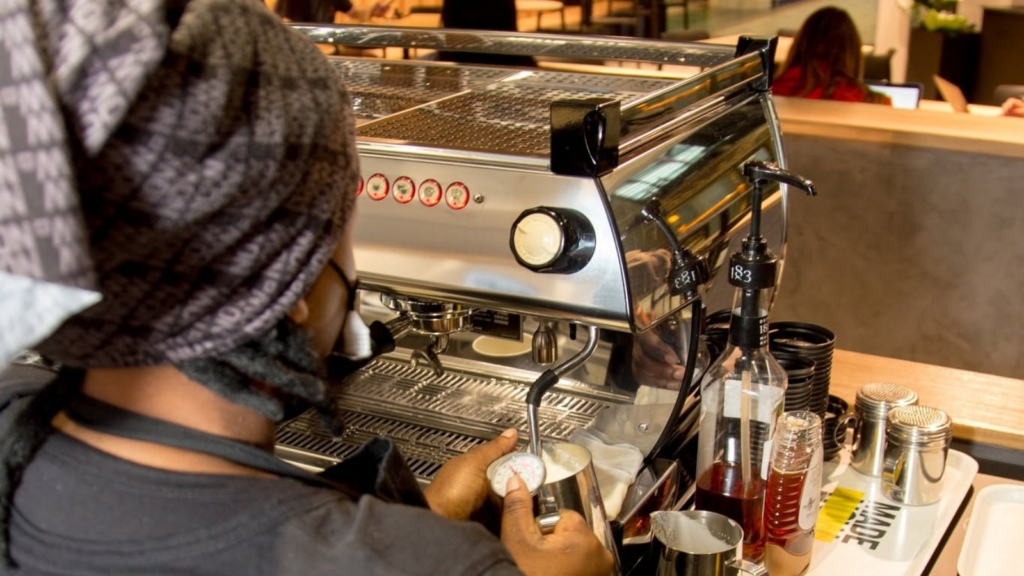
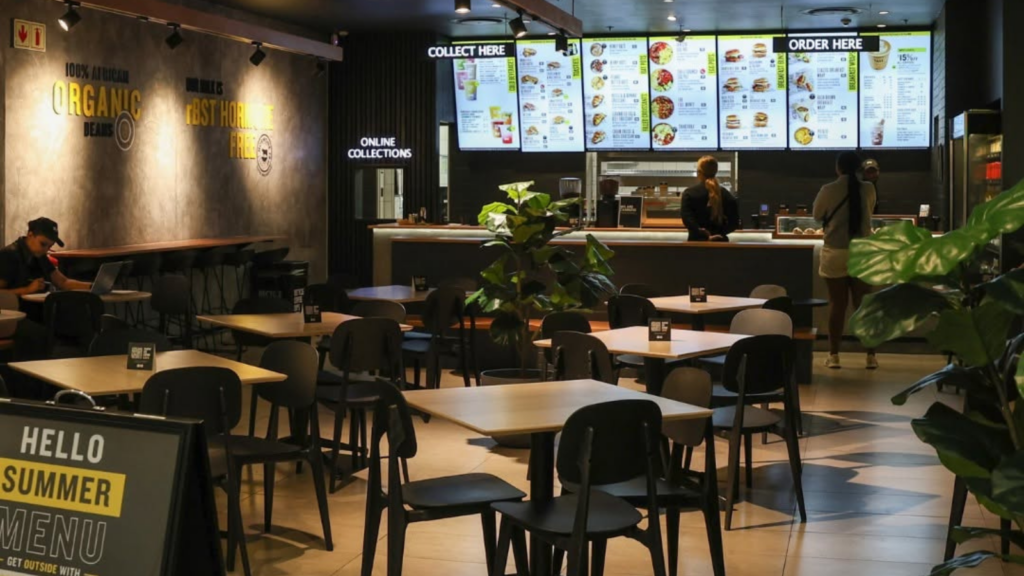
Photos of Now Now
Login or register for unlimited free access.