From a working harbour built by Jan van Riebeeck and British royalty to one of South Africa’s most richest precincts


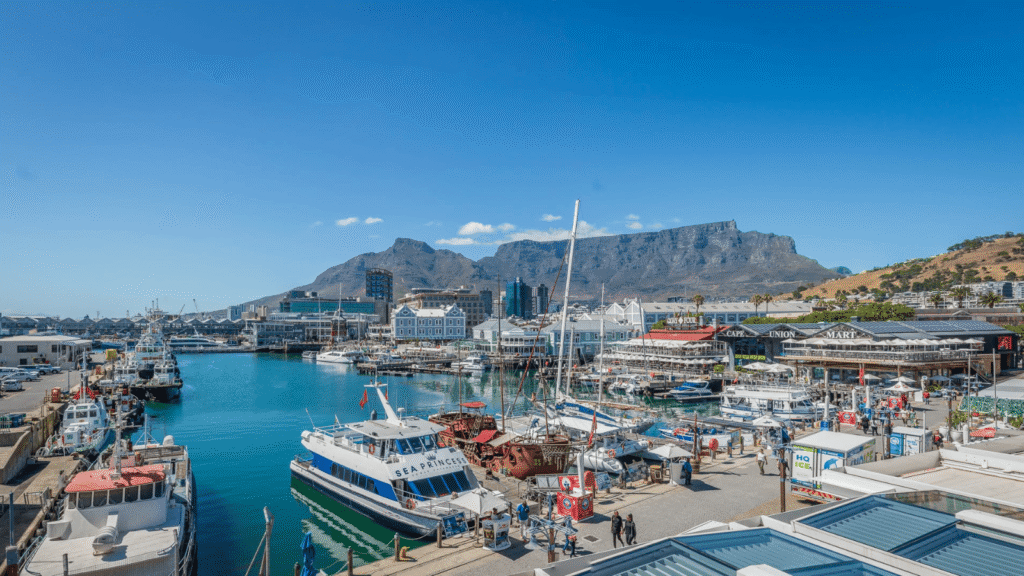
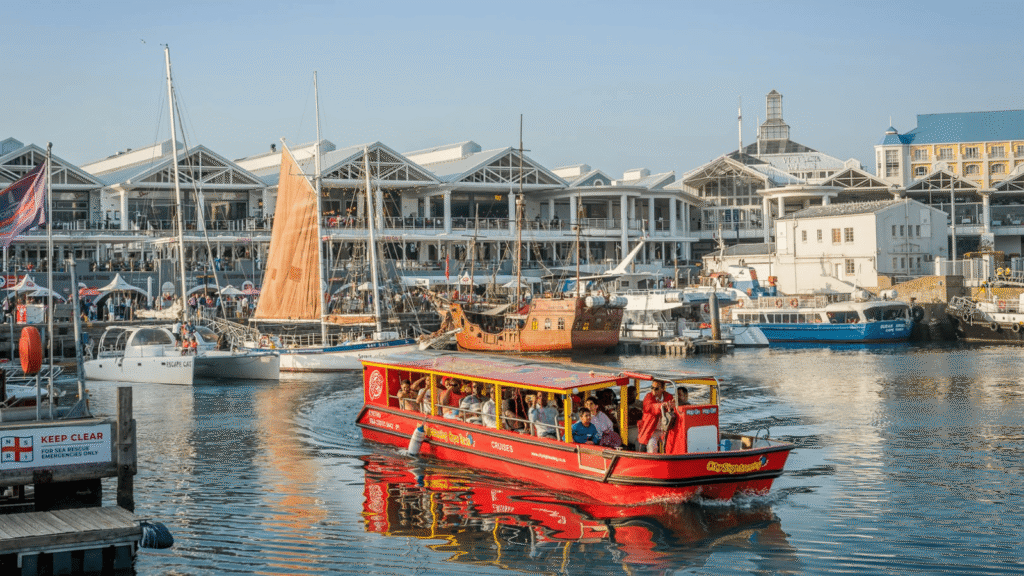
With a history dating back more than 100 years, the V&A Waterfront has grown from a small working harbour into one of Cape Town’s best-known tourist destinations.
The story begins in 1654, when Jan van Riebeeck built a small jetty as part of his task to establish a refreshment station for the Dutch East India Company.
Following this, Cape Town became an important stop for ships travelling to Eastern Africa, India, and the Far East.
The harbour expanded after a series of severe winter storms in June 1858 destroyed more than 30 vessels in Table Bay. Lloyd’s of London subsequently refused to insure ships wintering in the bay.
On 17 September 1860, Midshipman HRH Prince Alfred, Queen Victoria’s second son, tipped the first load of stone to begin construction of the breakwater for Cape Town’s first harbour.
The resulting Alfred Basin was later joined by the Victoria Basin. The discovery of gold and diamonds in South Africa increased demand for harbour infrastructure.
Construction of the two basins continued between 1860 and 1920. This left behind a collection of buildings that now form part of the Waterfront’s heritage.
The area expanded again with the development of the Foreshore. Work began in 1938 and was completed in 1945, creating about 230 hectares of land for Cape Town’s expansion. The Second World War delayed the project.
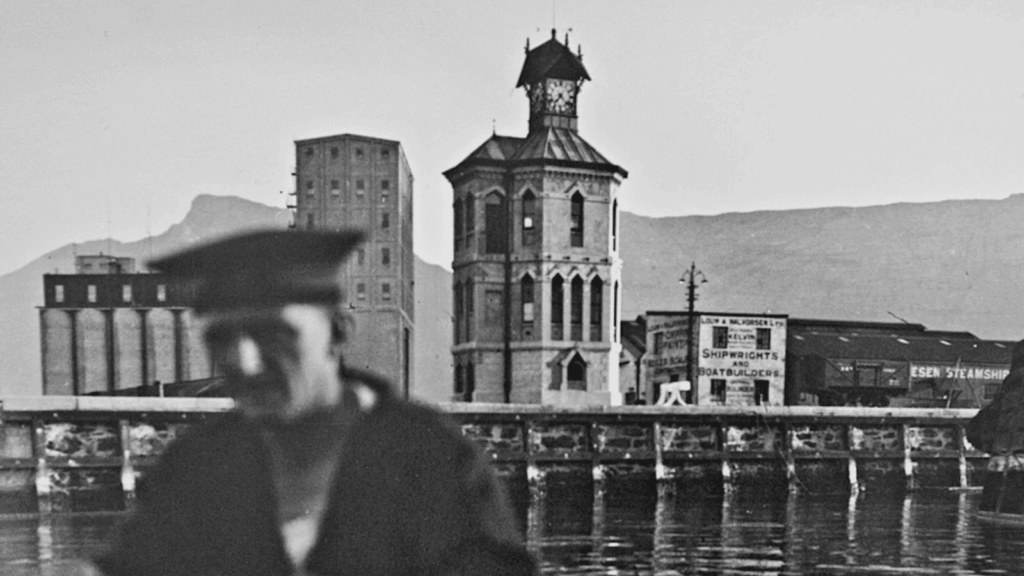
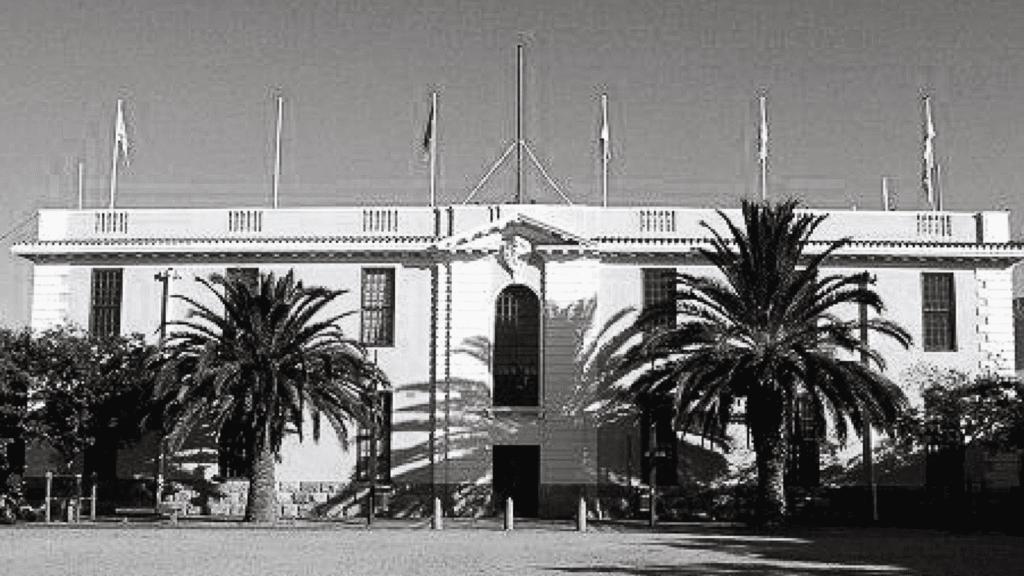
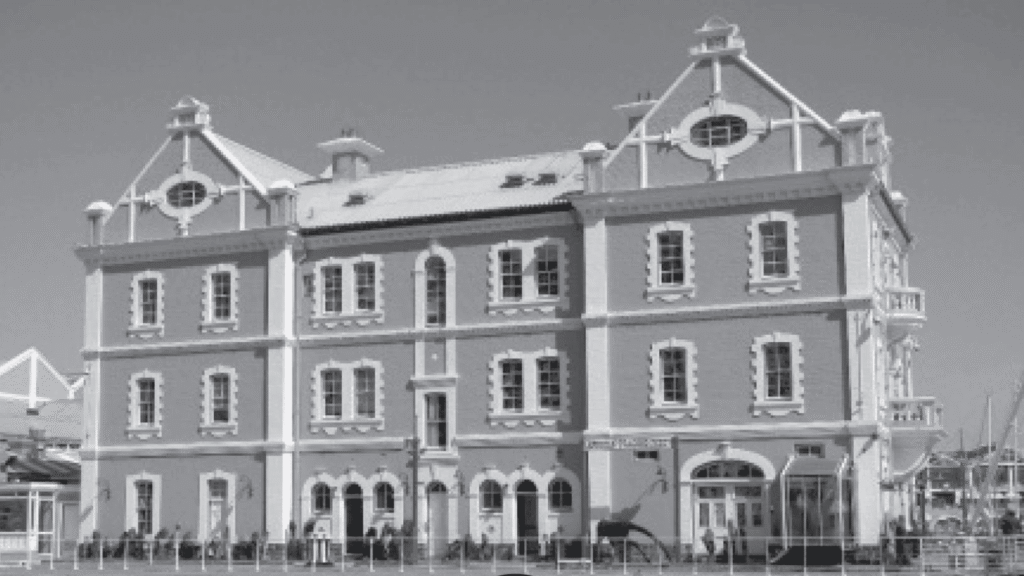
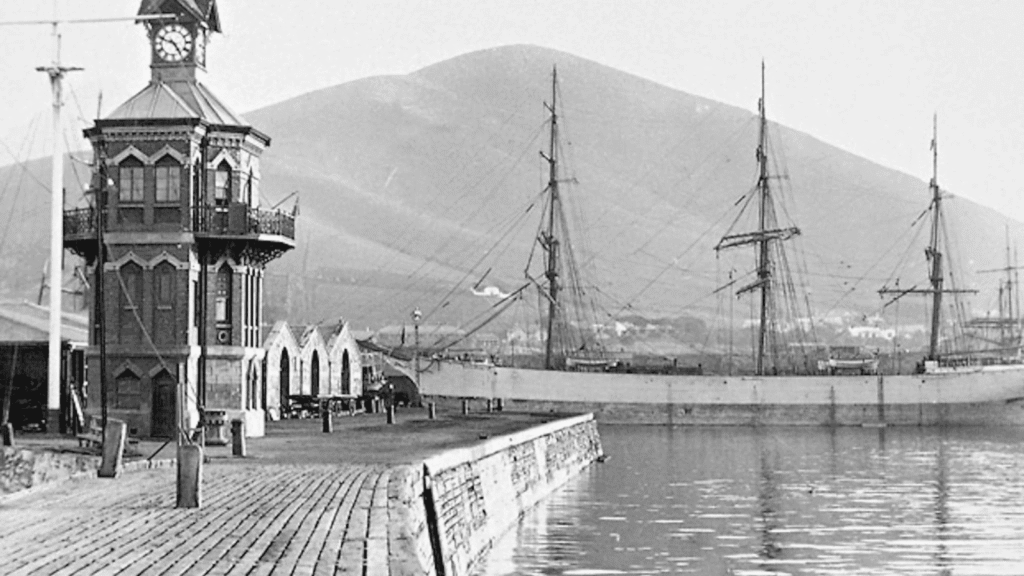
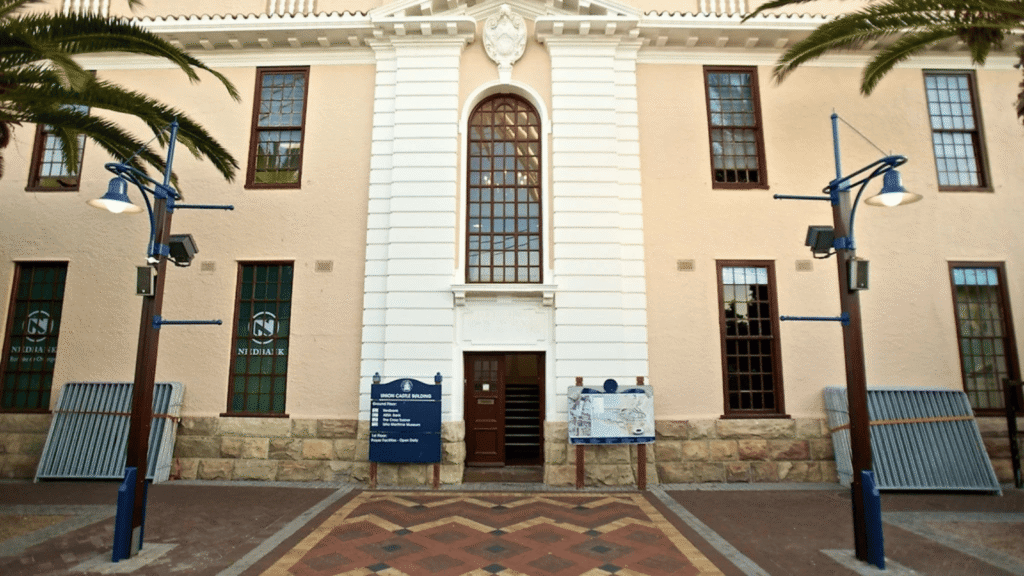
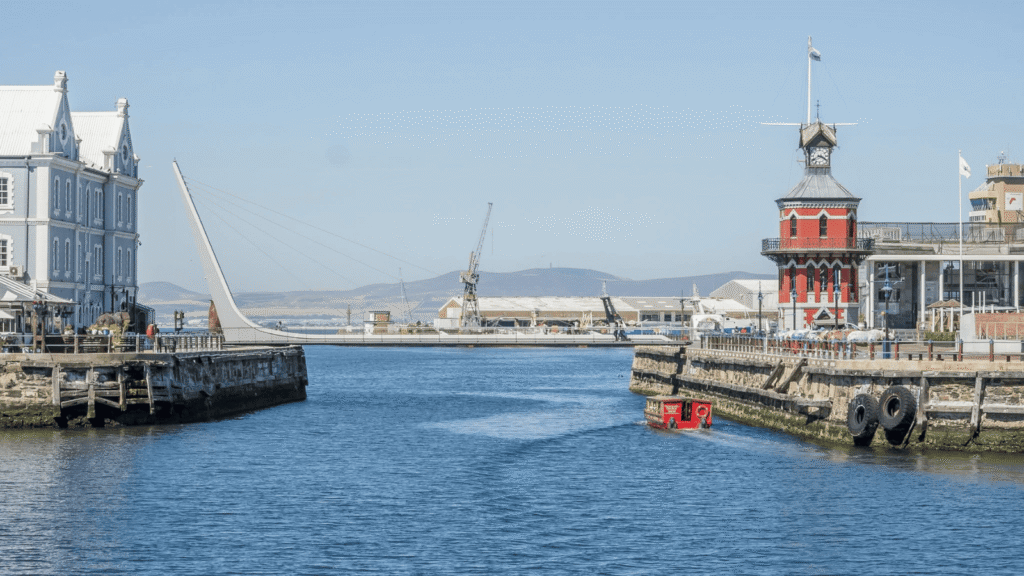
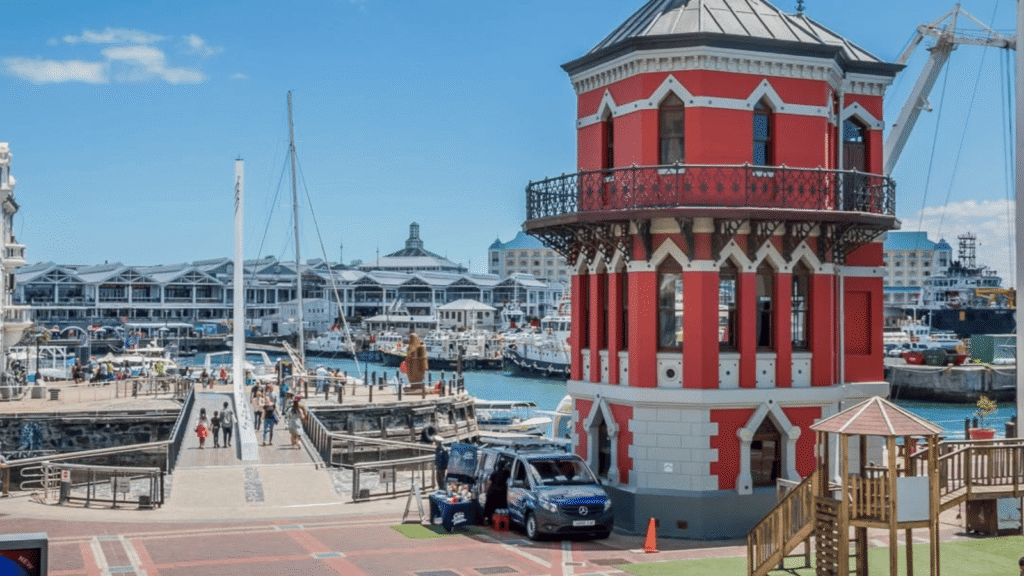
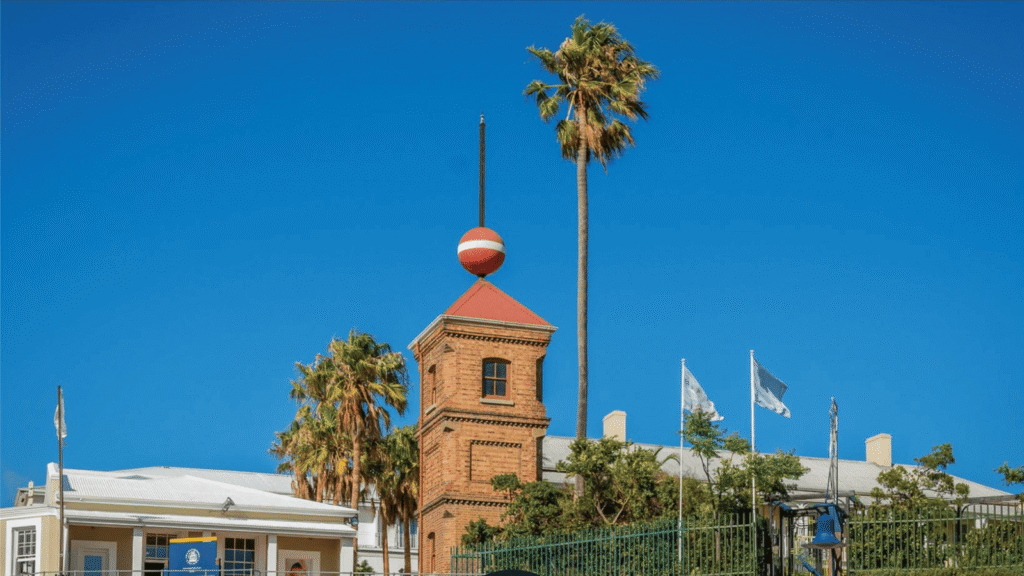
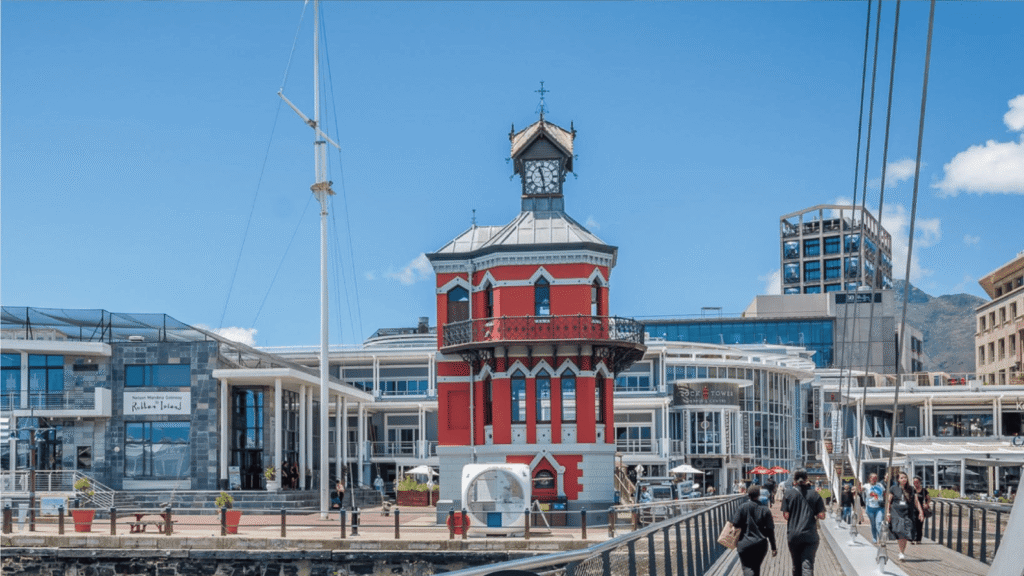
Many of the Waterfront’s historic structures date from this period of industrial growth. The Clock Tower, built in 1882, originally served as the Port Captain’s office and a signalling tower.
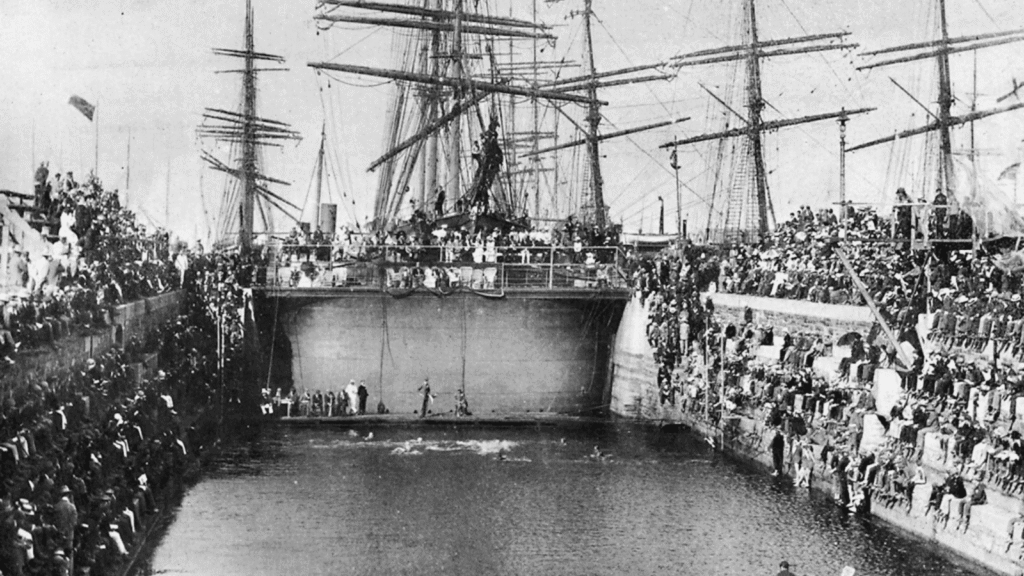
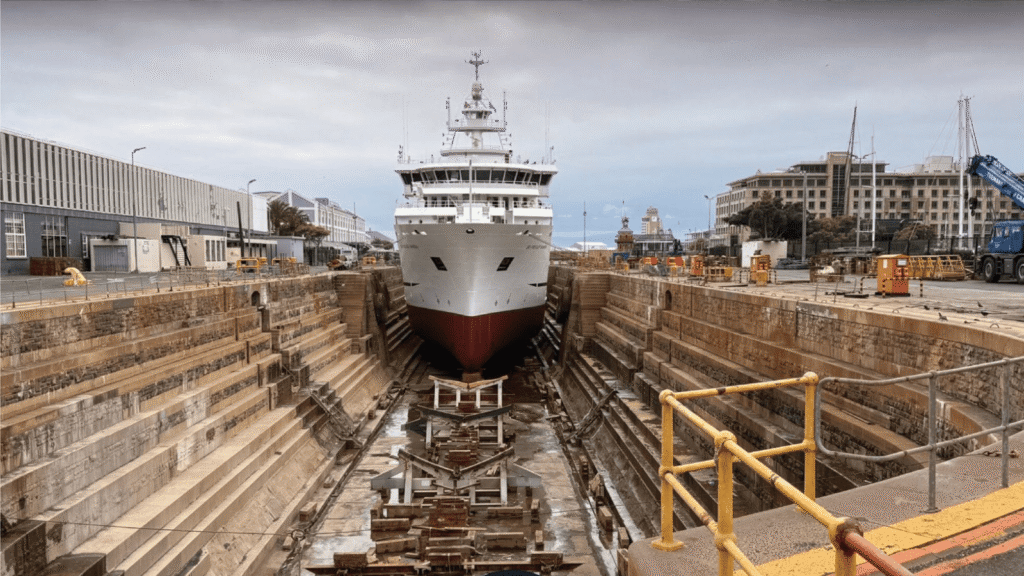
The Robinson Dry Dock opened in 1883 and remains a working heritage site. The harbour’s Power Station dates back to 1882, while the North Quay Warehouse was built in 1904 as a coal store and customs baggage warehouse.
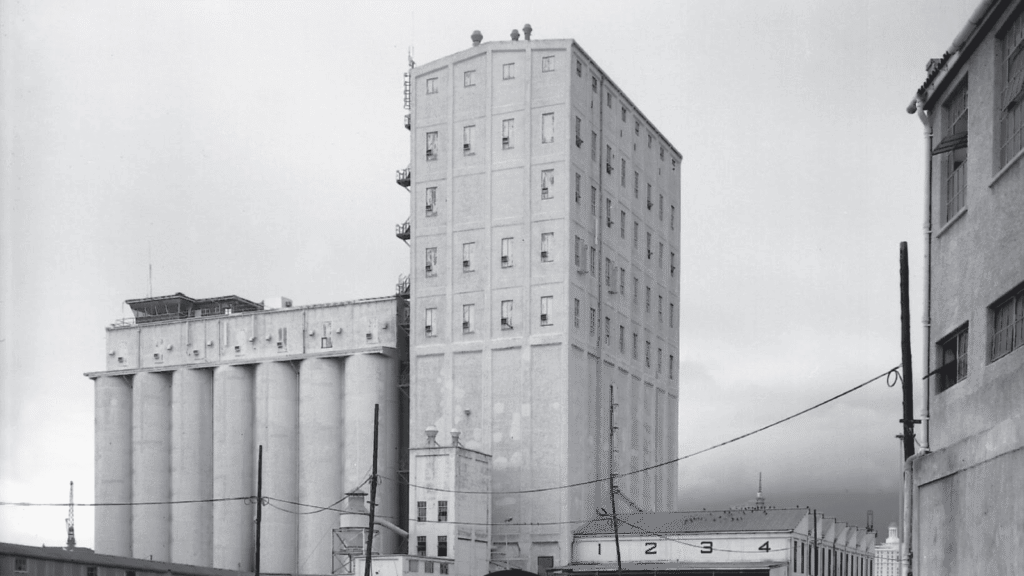
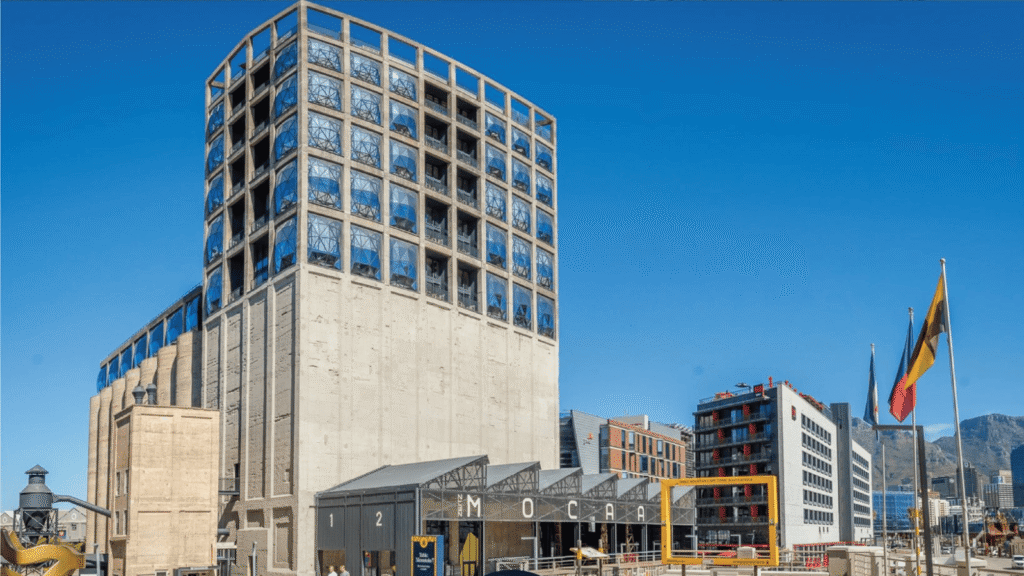
Another major landmark is the Grain Silo, built in 1921. It was once Cape Town’s tallest building and stored grain in 42 concrete cylinders.
In 2017, it was converted into Zeitz MOCAA, the museum of contemporary African art, alongside The Silo Hotel.
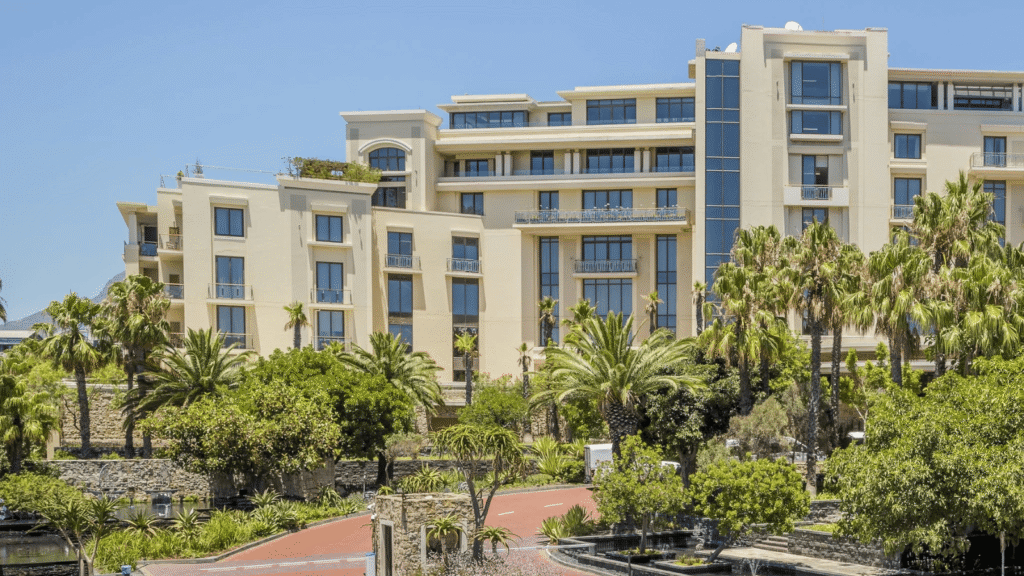
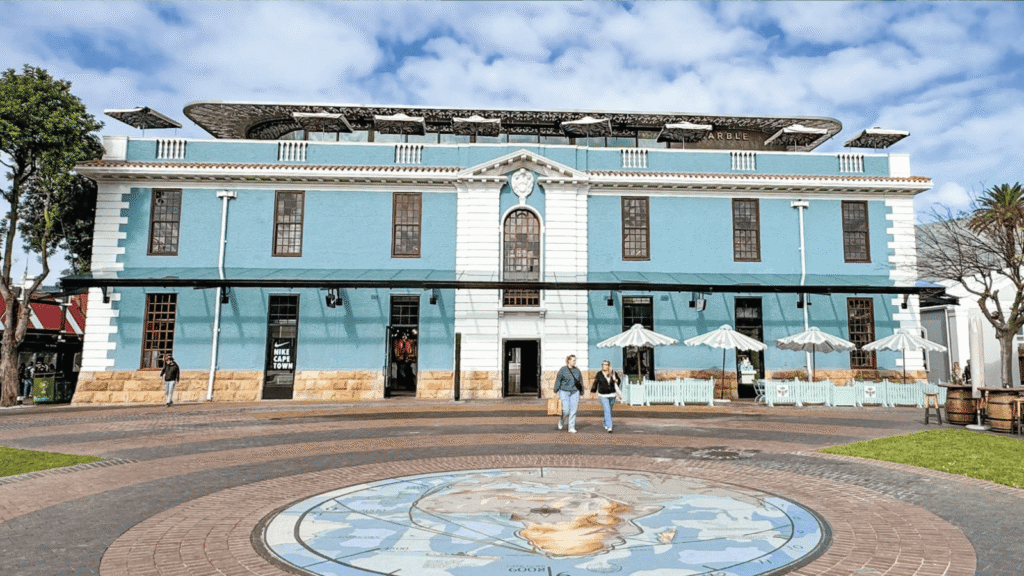
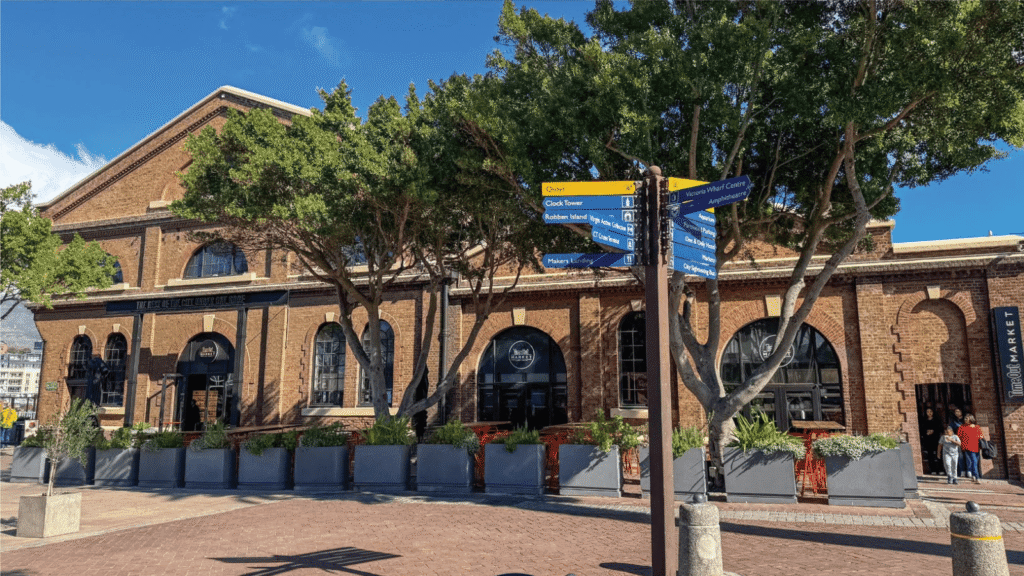
The V&A Waterfront today
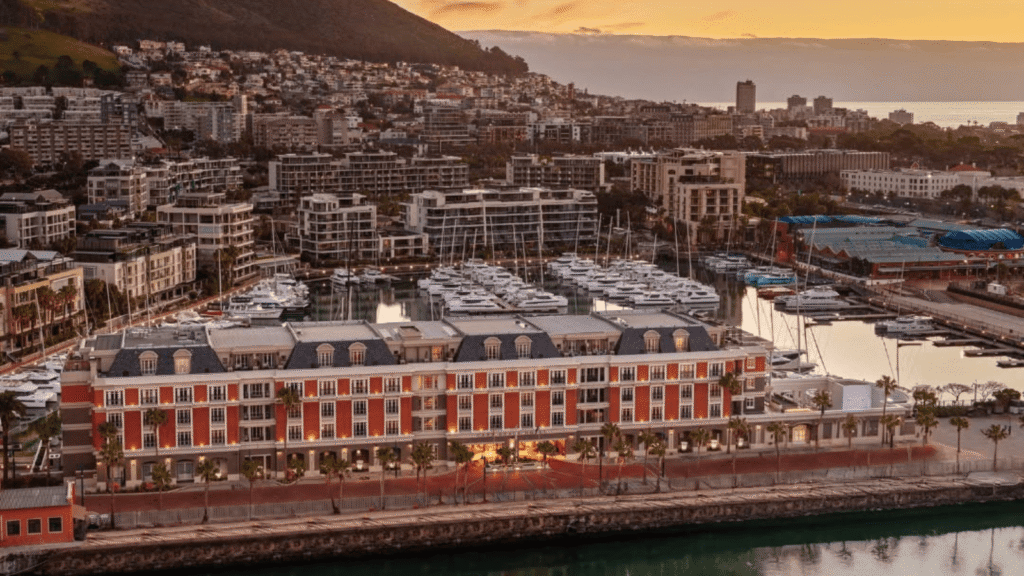
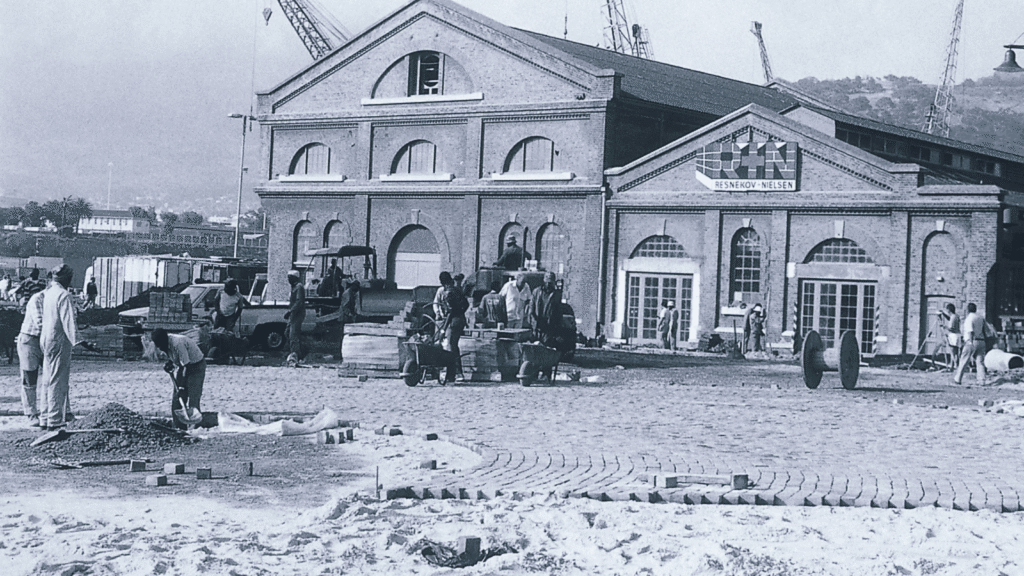
The modern V&A Waterfront began taking shape in November 1988, when Victoria and Alfred Waterfront (Pty) Ltd was established as a subsidiary of Transnet.
Its purpose was to redevelop the historic docklands around the Alfred and Victoria basins into a mixed-use area focused on retail, tourism, and residential development, while retaining the working harbour.
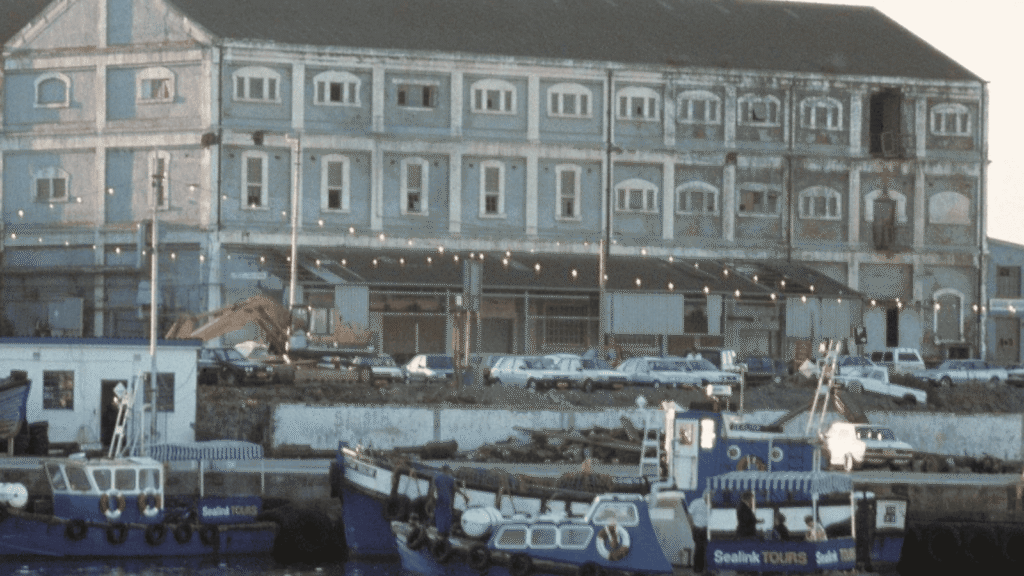
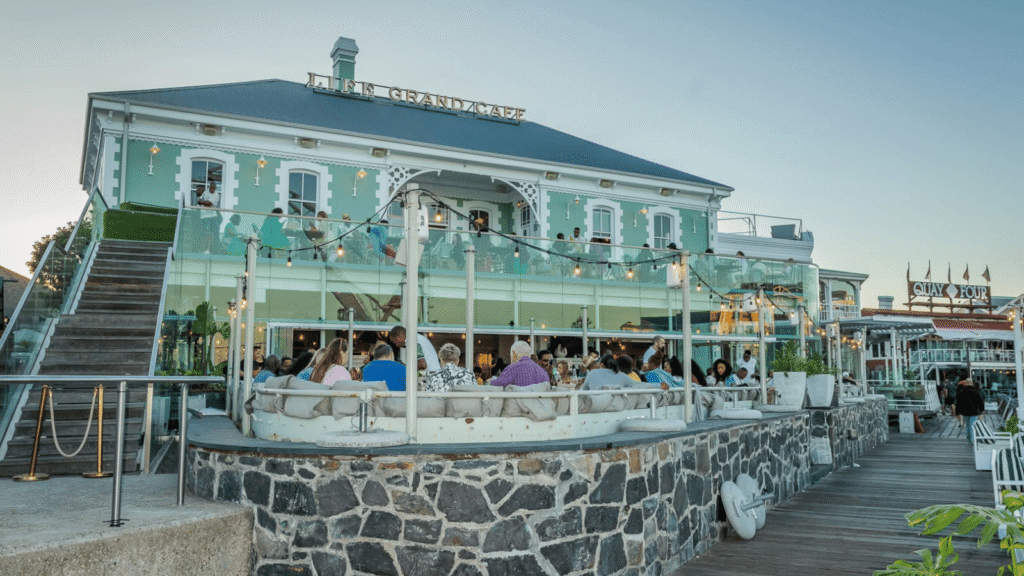
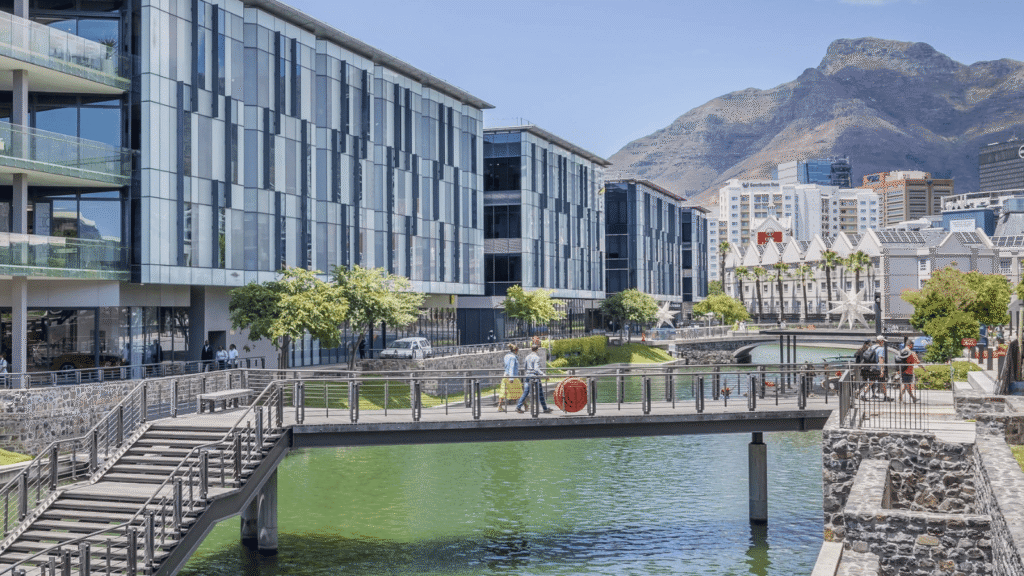
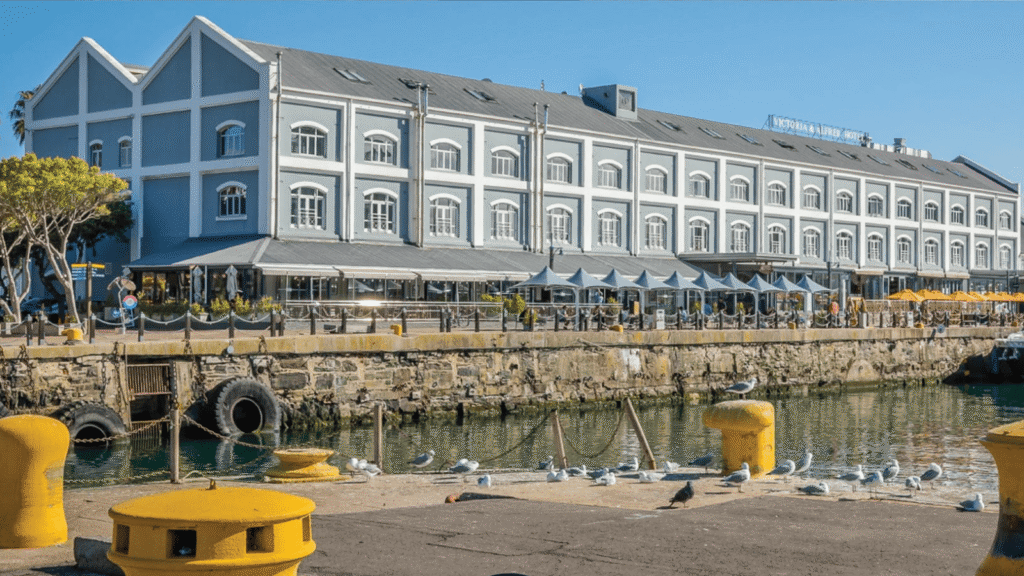
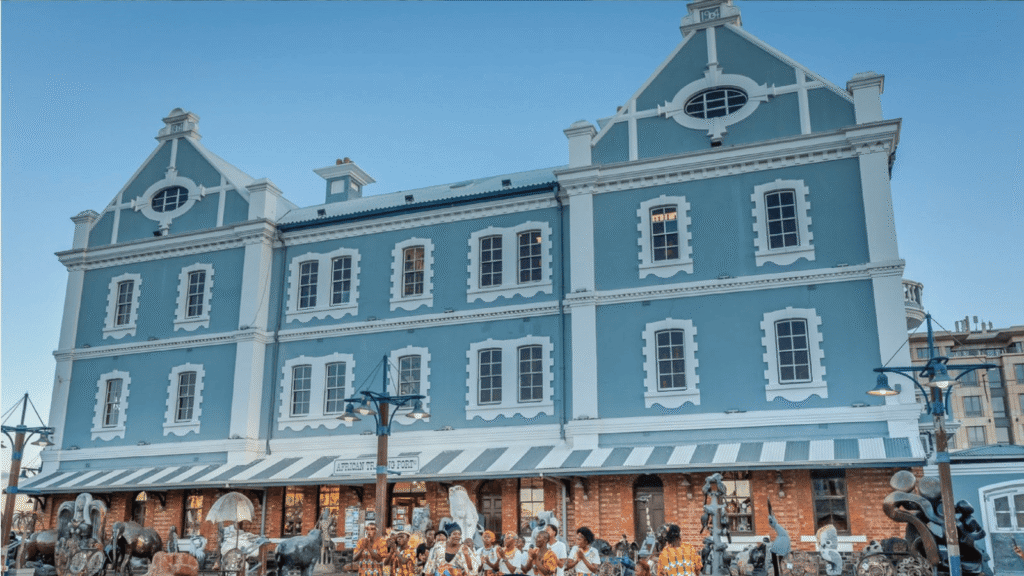
The redevelopment transformed former industrial buildings and harbour infrastructure into shops, restaurants, offices, hotels, apartments, and cultural attractions.
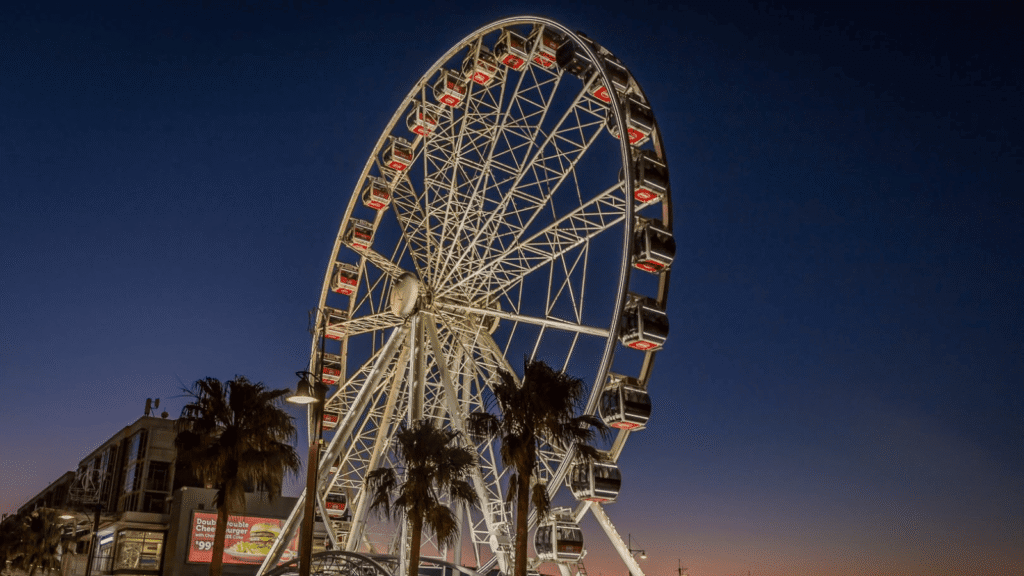
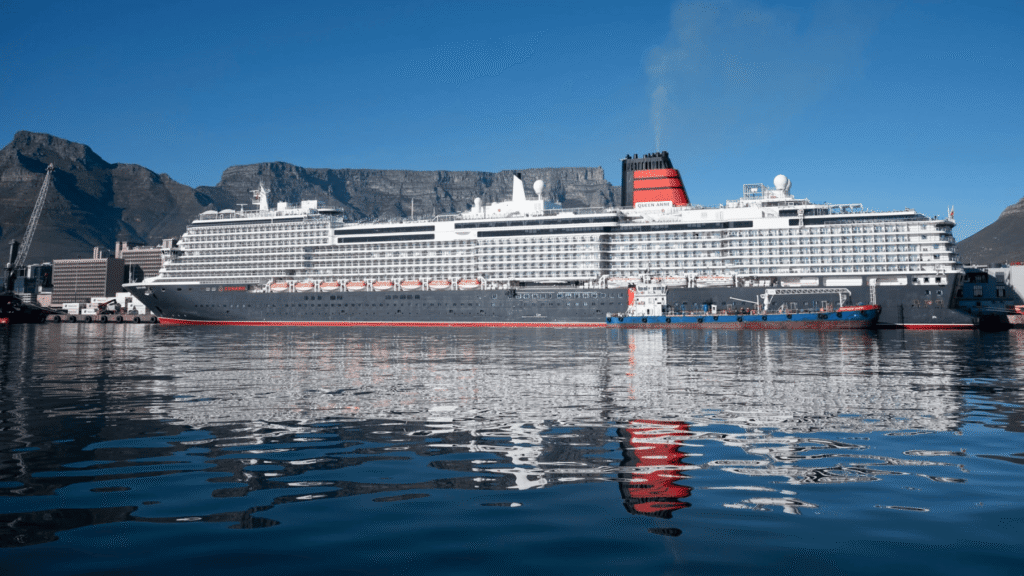
Today, the V&A Waterfront remains a working harbour and a mixed-use neighbourhood. It has more than 450 stores and attracts more than 25 million visitors a year.
The precinct is also home to the Two Oceans Aquarium, which showcases marine life from the Indian and Atlantic oceans and supports conservation efforts, including the African Penguin Campaign.
Zeitz MOCAA, the Watershed, and Makers Landing have added arts, design, food, and entrepreneurship to the precinct.
Today, the Watershed provides a permanent home for more than 150 local artists, designers and craftspeople. The Waterfront also supports skills development through the V&A Academy.
Its urban innovation platform, SOLVE, uses the precinct to test solutions in areas such as food systems, waste management, and ocean stewardship.
New developments extend the Waterfront
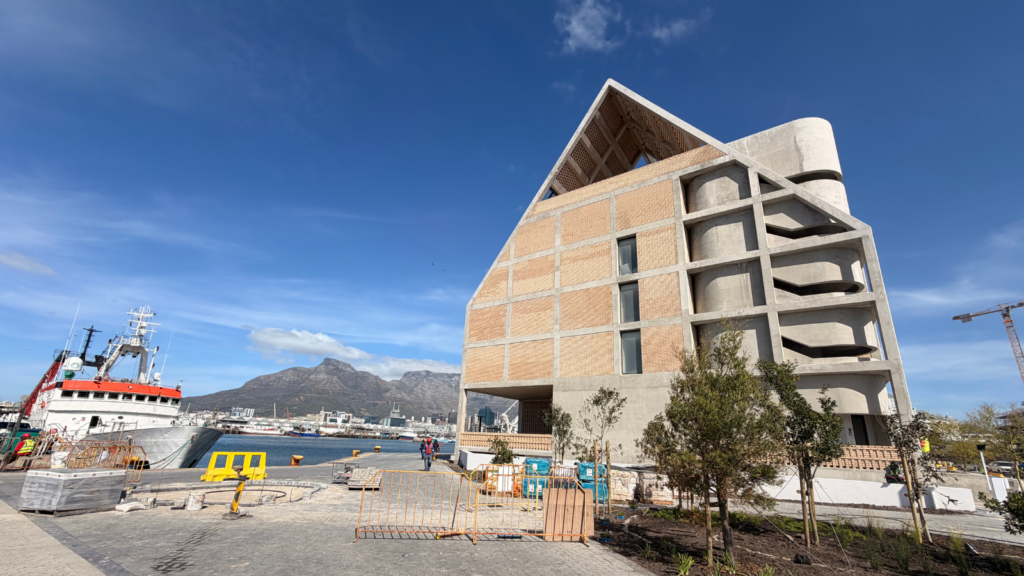
The V&A Waterfront has come a long way from its early days as a harbour, and it continues to expand its hospitality and marine offerings.
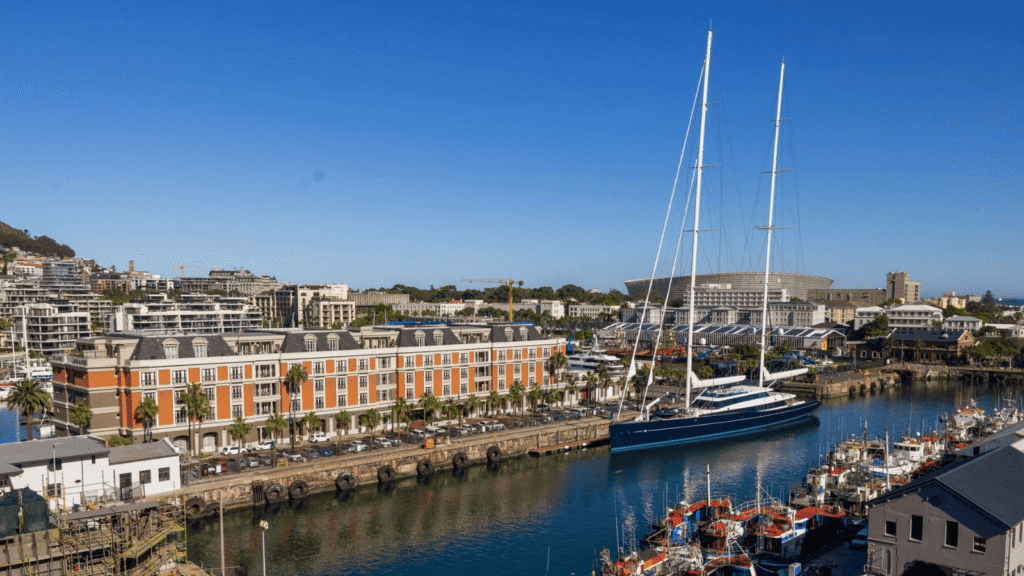
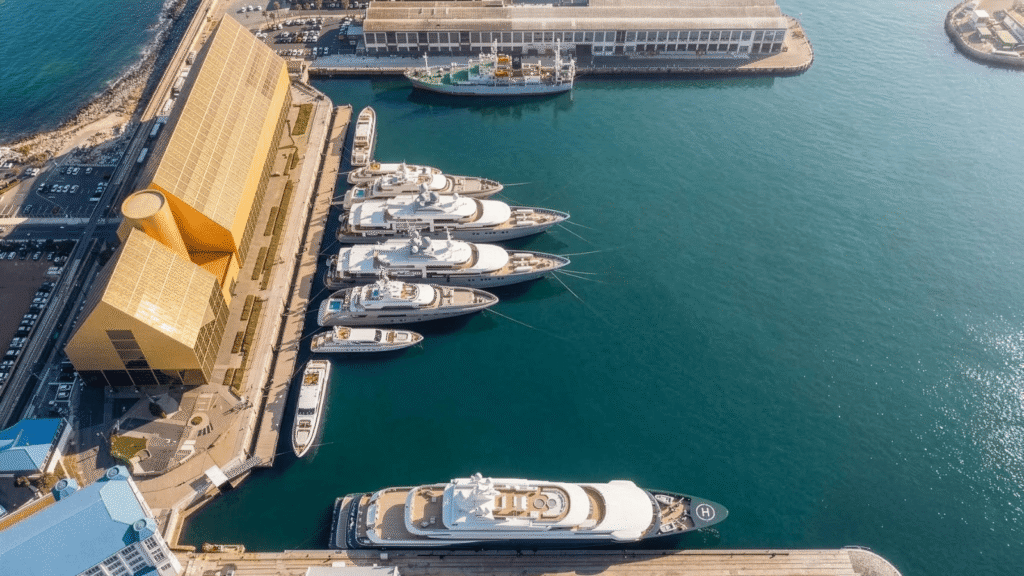
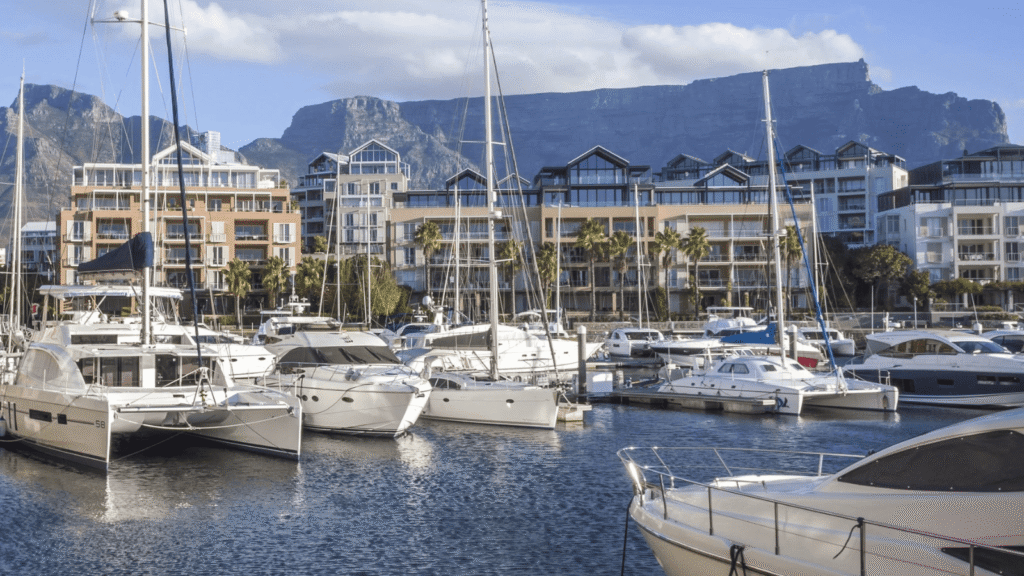
Construction is currently underway on the Quay 7 Superyacht Marina, an eight-berth facility scheduled to open in November 2026. The marina will accommodate superyachts of up to 90 metres during the season.
The R230 million development is also designed to support Cape Town’s catamaran manufacturing industry during the off-season.
Manufacturers such as Robertson and Caine, Two Oceans Marine and Balance Catamarans will be able to use the basin for commissioning and export staging.
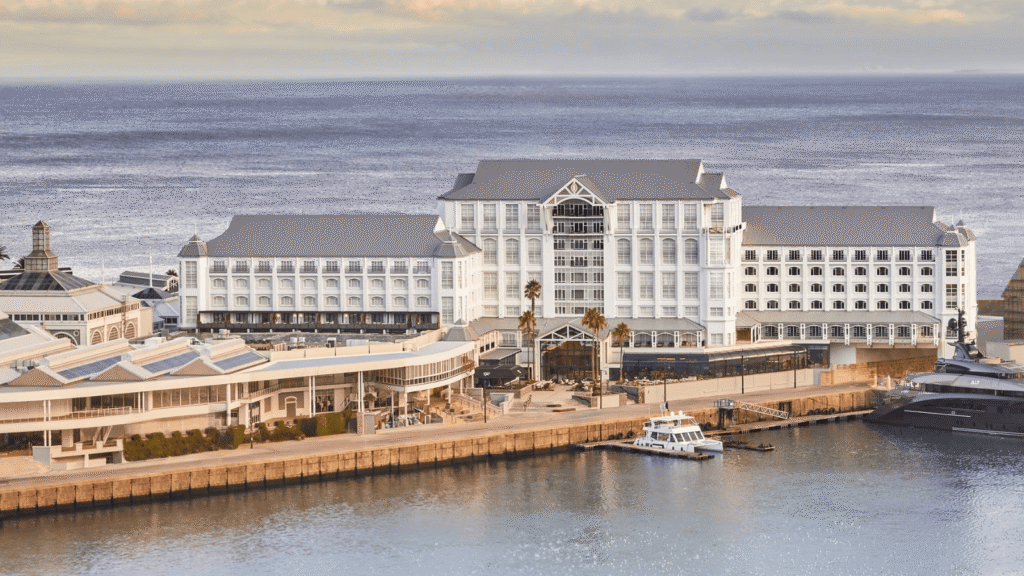
The marina is being built in front of The Cape Town EDITION hotel, which is scheduled to open in late 2026.
It will be the first EDITION hotel in Africa, with 142 rooms, 27 suites, a rooftop pool, spa, dining outlets and event spaces.
The Waterfront said the marina and hotel form part of its continued development as a destination where tourism, hospitality, property, marine services and the creative industries operate alongside a working harbour.
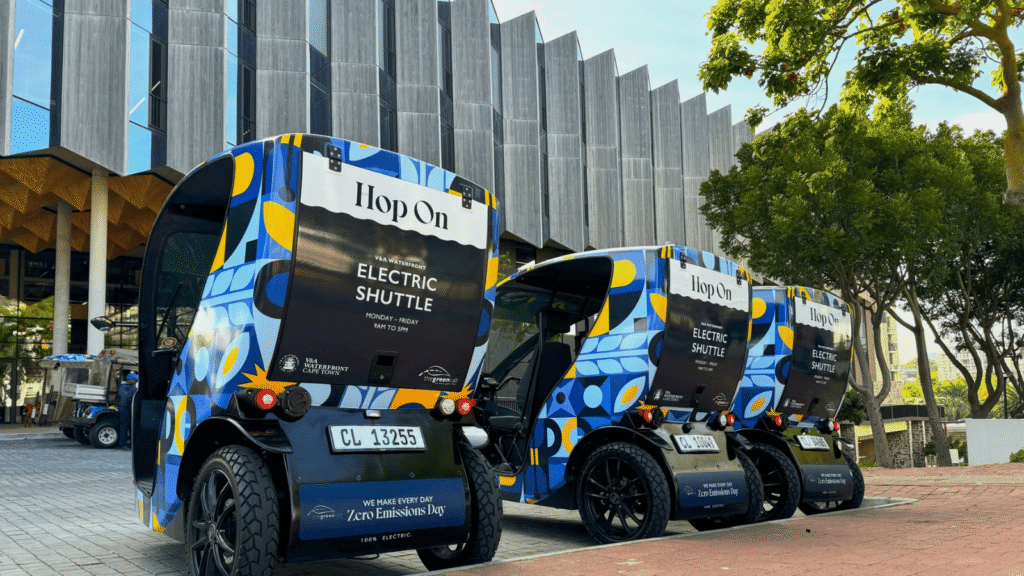
The waterfront is not only growing its hospitality offering. Over recent years, sustainability has also become a core part of the V&A’s development.
It has invested in wastewater reuse, on-site treatment systems, and a 3.3-megalitre-per-day desalination plant, which supplies about 90% of the precinct’s water.
The V&A Waterfront through the years
The V&A Waterfront today
 Loading ...



Comments