Buyers are paying over R50 million to secure these Cape Town properties


Cape Town’s premium property market is seeing buyers spend upwards of R50 million on exclusive boutique developments, as demand shifts towards smaller, design-led homes in prime locations.
Industry experts explained that there is a clear shift reshaping Cape Town’s new development landscape, particularly within the premium residential market.
Buyers in higher price brackets are increasingly moving away from large-scale estates in favour of smaller, more exclusive developments
These properties offer buyers a sense of individuality, architectural distinction, and high levels of security and privacy.
As such, the demand for boutique developments – typically characterised by a limited number of homes in prime locations – remains strong across both the Southern Suburbs and Atlantic Seaboard.
This is particularly evident in Cape Town’s established, high-demand suburbs where property supply remains constrained.
DG Properties’ head of development, Paul Upton, explained that boutique developments appeal to a more design-conscious, experience-driven buyer.
These homes are also attractive to international “summer swallows” – those who move between hemispheres to take advantage of seasonal climates and lifestyle destinations.
“Boutique developments offer only a handful of homes in upmarket areas where space is at a premium,” Upton explained.
“What we’re seeing is a strong focus from developers on creating bespoke homes with a strong architectural identity. Buyers want something that stands apart – not just another unit in a larger scheme.”
Upton explained that in larger developments, design is often influenced by economies of scale, whereas in boutique developments, there is greater scope to approach each home individually, even within the same scheme.
“That allows for a greater level of detail, variation and overall design quality,” he said. This level of detail, combined with limited availability in sought-after locations, continues to support strong long-term value.
Upton explained that these boutique developments are also known for their level of finish and thoughtful layouts.
“Because they are limited in number and located in high-demand areas, they tend to hold their value well and often outperform larger developments over time,” he said.
Hotspots driving demand
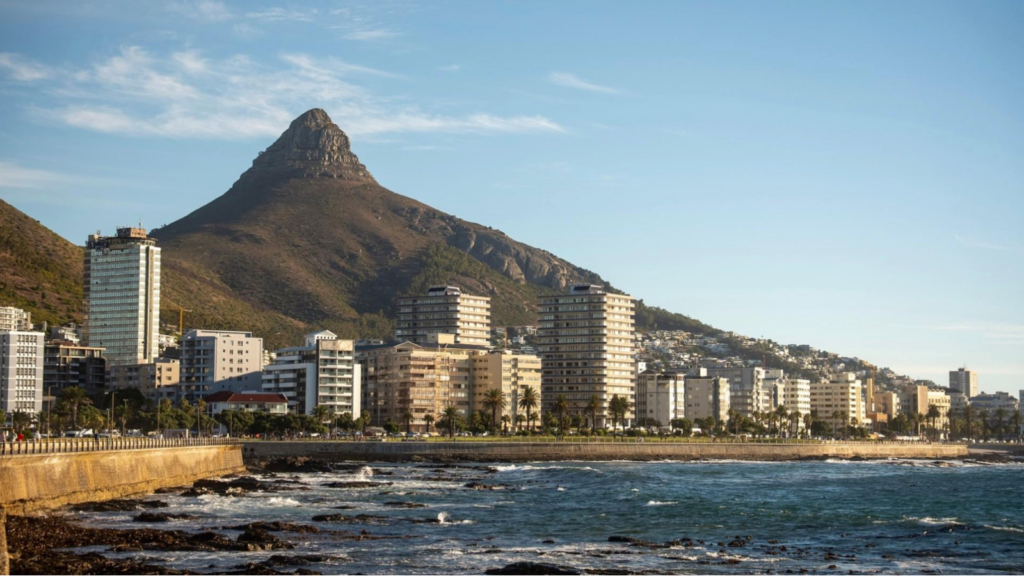
Cape Town’s Southern Suburbs and Atlantic Seaboard continue to lead the way when it comes to boutique development activity.
This surge is driven by a combination of lifestyle appeal, established infrastructure, and ongoing buyer demand. “The Southern Suburbs remain incredibly popular,” Upton said.
“Areas like Bishopscourt, Claremont, Constantia and Newlands offer a unique balance – you have space, greenery, excellent schools, and a strong sense of community, all within easy reach of the city.”
This trend is not driven solely by buyer demand. In many of Cape Town’s most sought-after areas, available land is increasingly scarce, particularly in established suburbs where large plots are limited.
In nodes such as Constantia and Bishopscourt, this is also giving rise to more subdivision and sectional title-driven opportunities, with larger properties in these areas being reconfigured to accommodate smaller, boutique developments.
“In nodes like these, developable land is at a premium,” Upton said, adding that developers are having to be more considerate in how they use that space.
“Instead of a single large residence, we’re seeing a shift towards boutique developments with several homes that maximise the potential of the land while still maintaining a sense of privacy and distinction.”
He added that this approach allows developers to balance density with design. This ensures homes remain spacious, private, and architecturally distinctive, while making more efficient use of limited land.
It also often results in improved security, as smaller, well-designed developments can incorporate more controlled access and integrated security measures.
Alongside this, the Atlantic Seaboard continues to attract buyers looking for a more urban, coastal lifestyle. “Sea Point, Fresnaye, Bantry Bay and Camps Bay are consistently in demand,” Upton said.
“Buyers are drawn to the walkability, proximity to the ocean, and access to restaurants, cafés and amenities. It’s a lifestyle offering that is difficult to replicate elsewhere in the city.”
New developments reflecting the trend
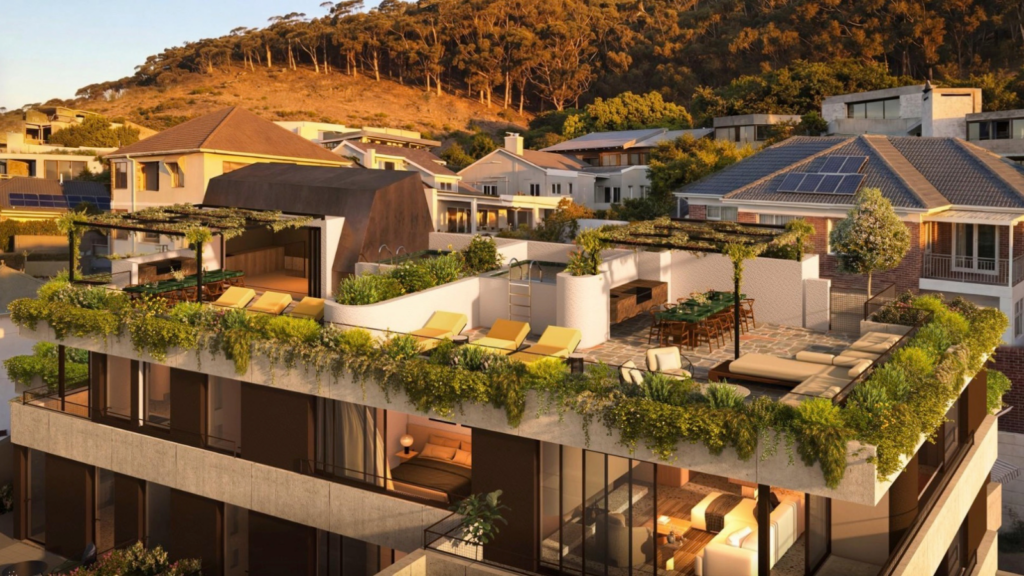
Two newly launched developments – one in the Constantia Valley and one in Upper Sea Point – offer a clear example of how this boutique trend is being interpreted across different parts of the city.
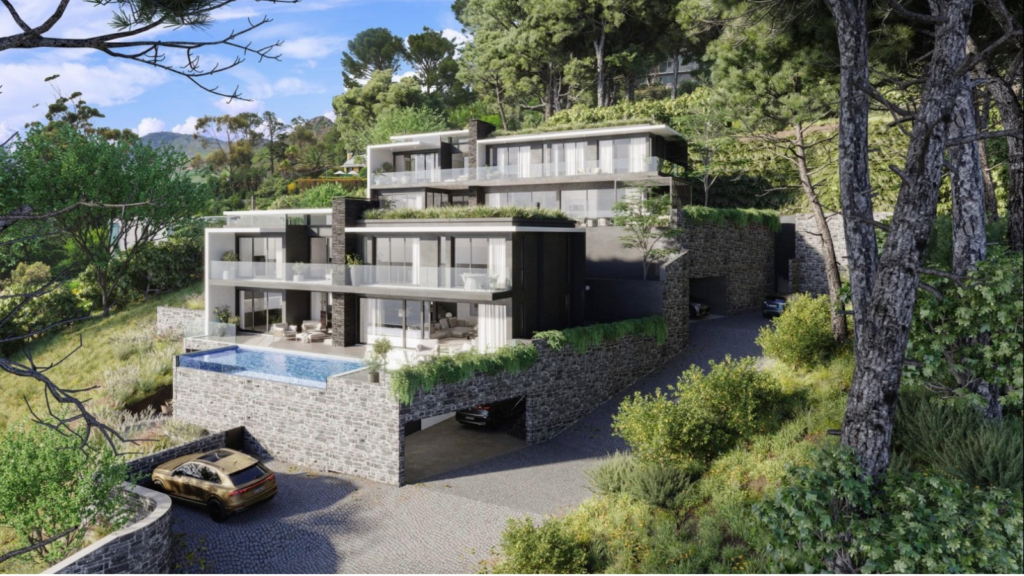
“In the upper reaches of Constantia, Steenberg Views is a boutique development comprising just three homes, with limited availability remaining,” Upton said.
“Priced from R40 million and R55 million, the development sits within Cape Town’s premium residential segment, where demand is driven by a combination of location, privacy, and architectural distinction.”
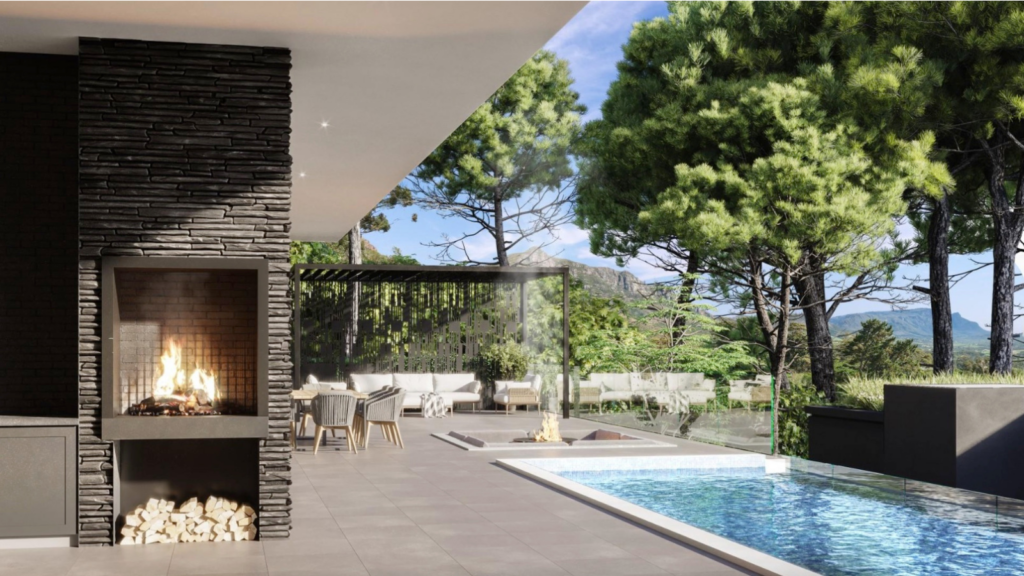
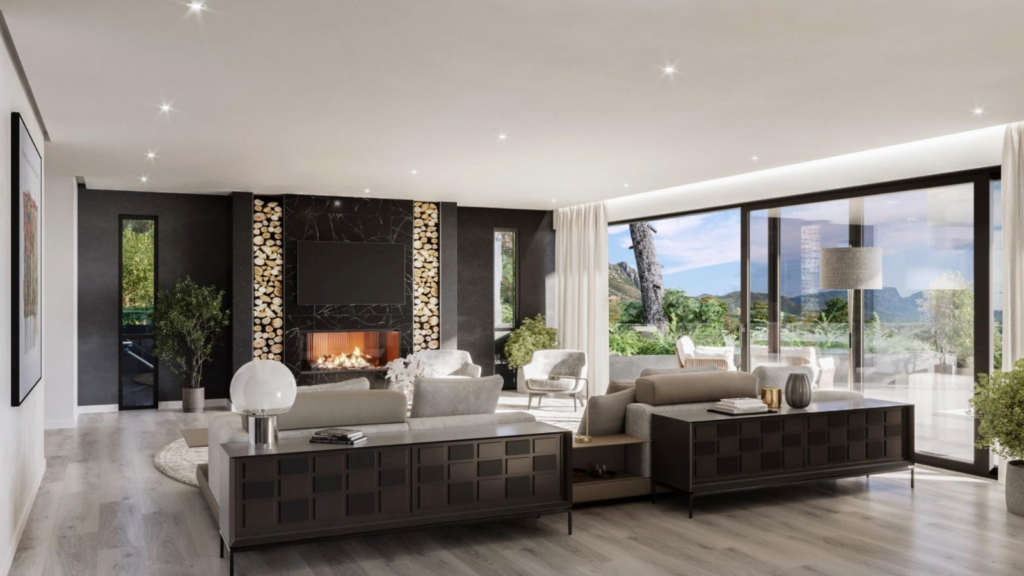
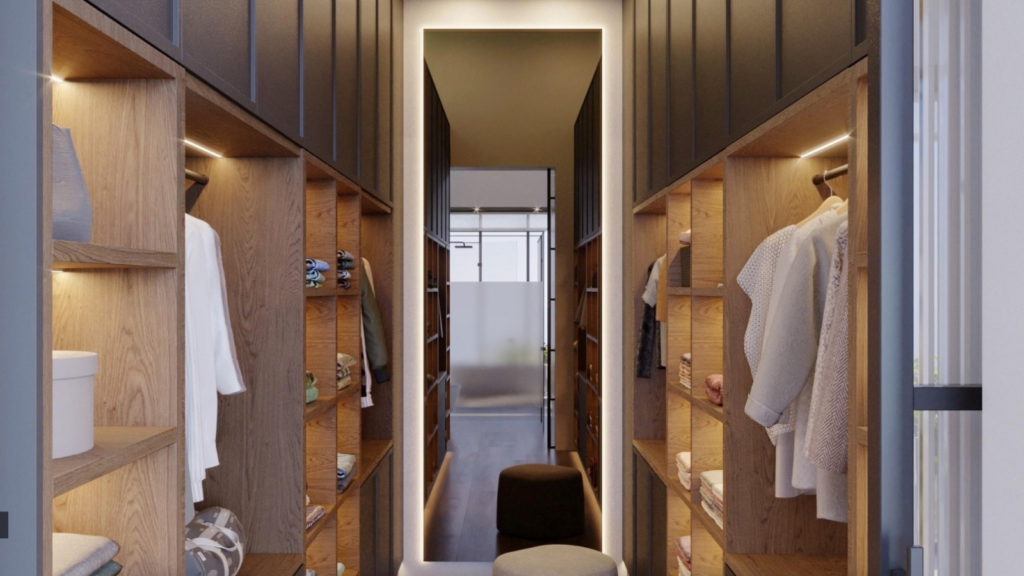
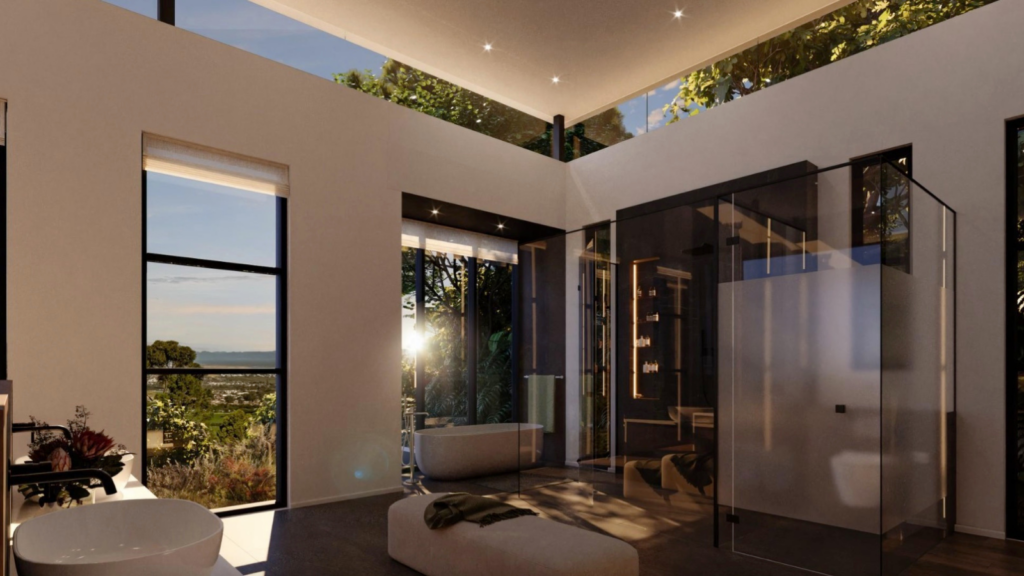
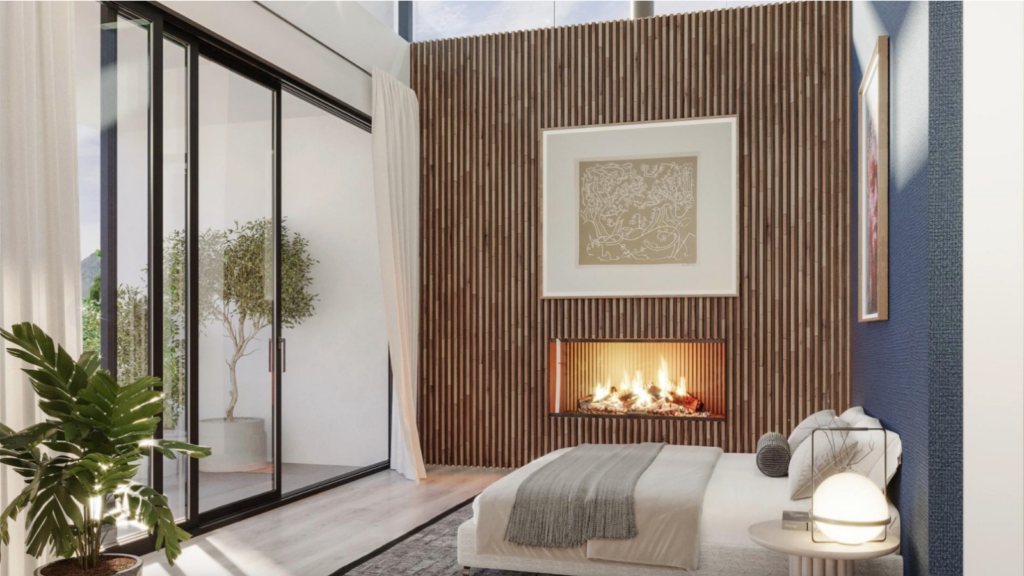
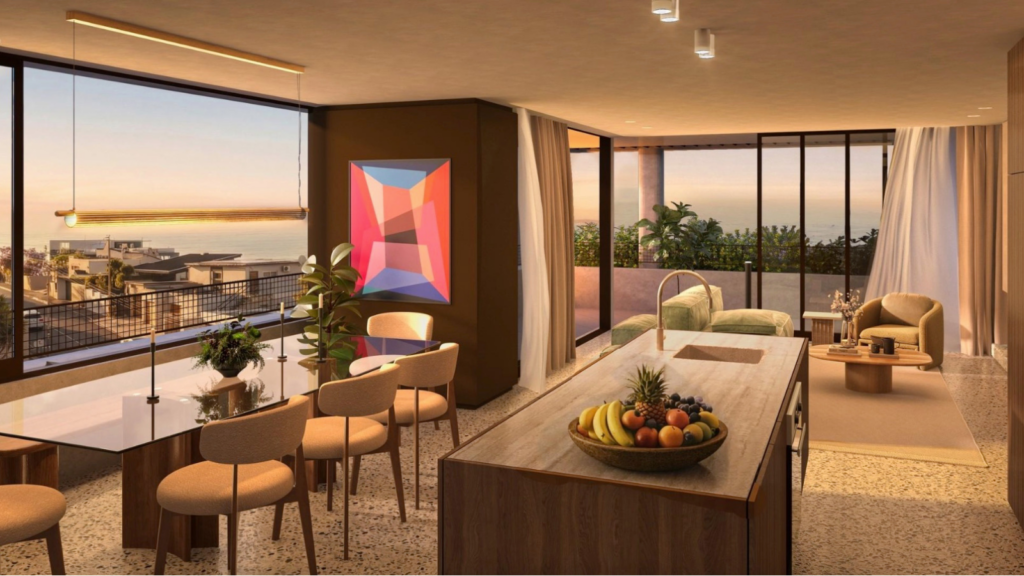
Designed by Gerd Weideman Architects, the homes place a strong emphasis on light, space, and connection to the surrounding landscape.
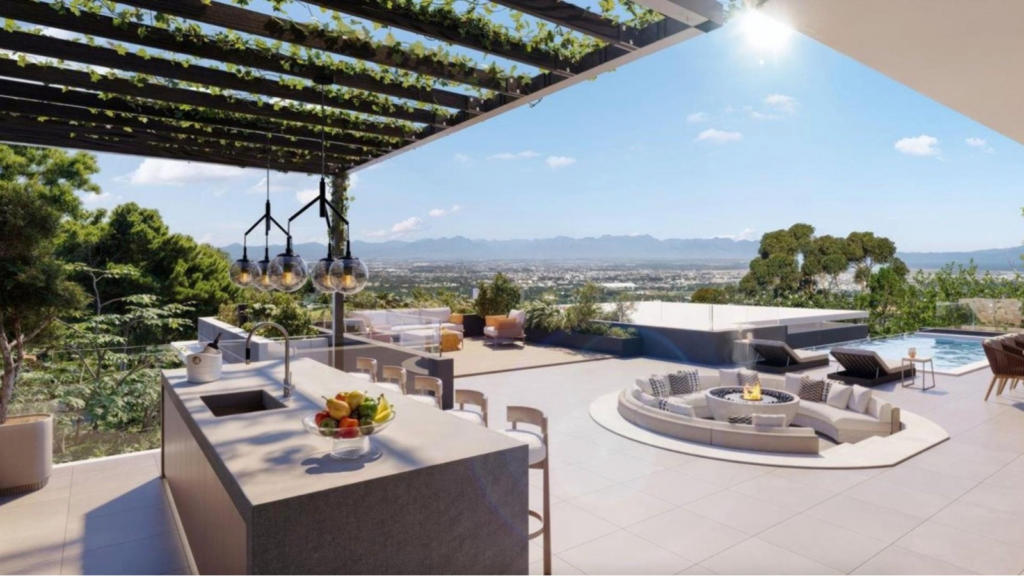
Expansive glazing and elevated structural elements frame uninterrupted views across the valley, while open-plan interiors are configured to maximise flow and functionality.
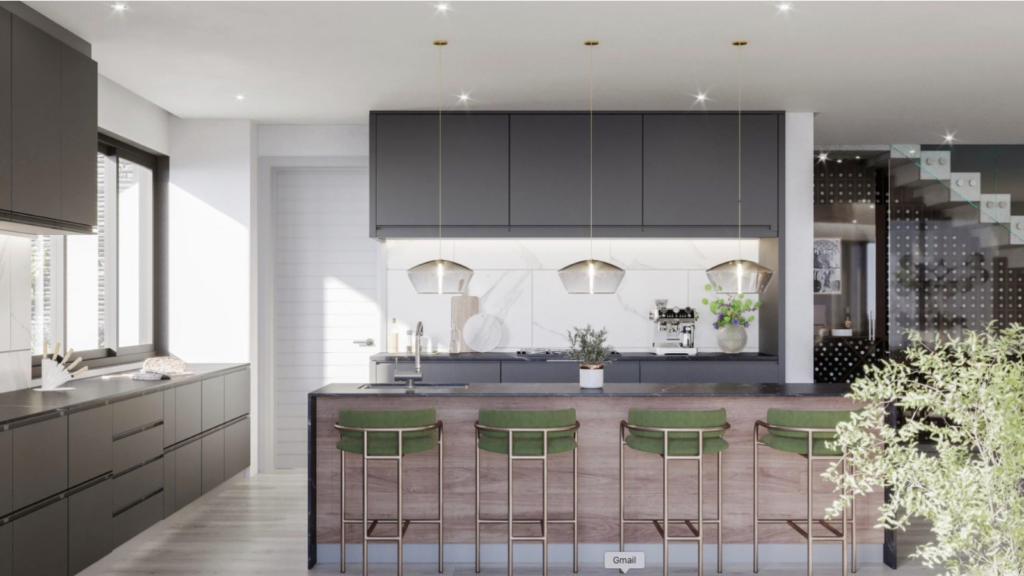
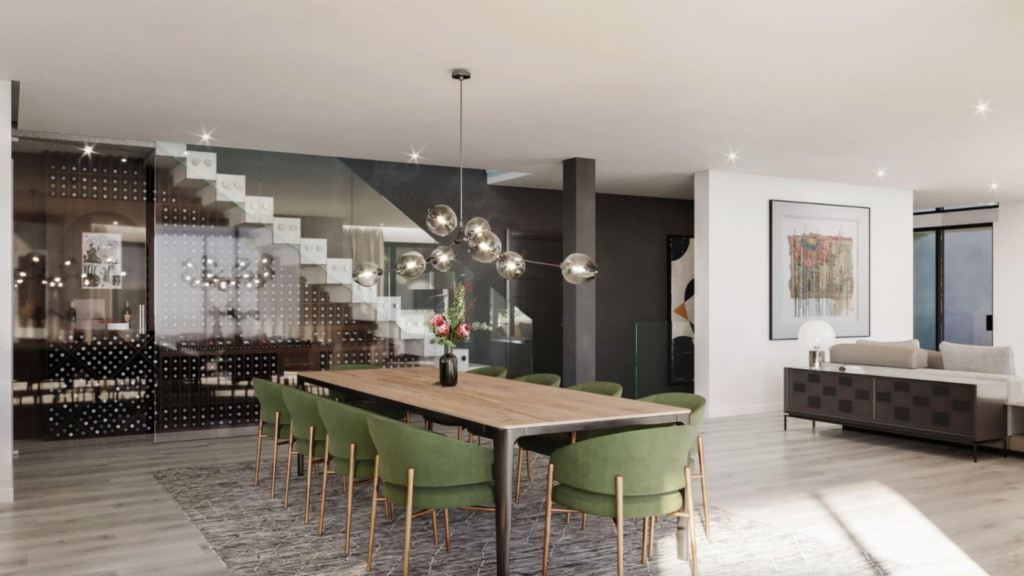
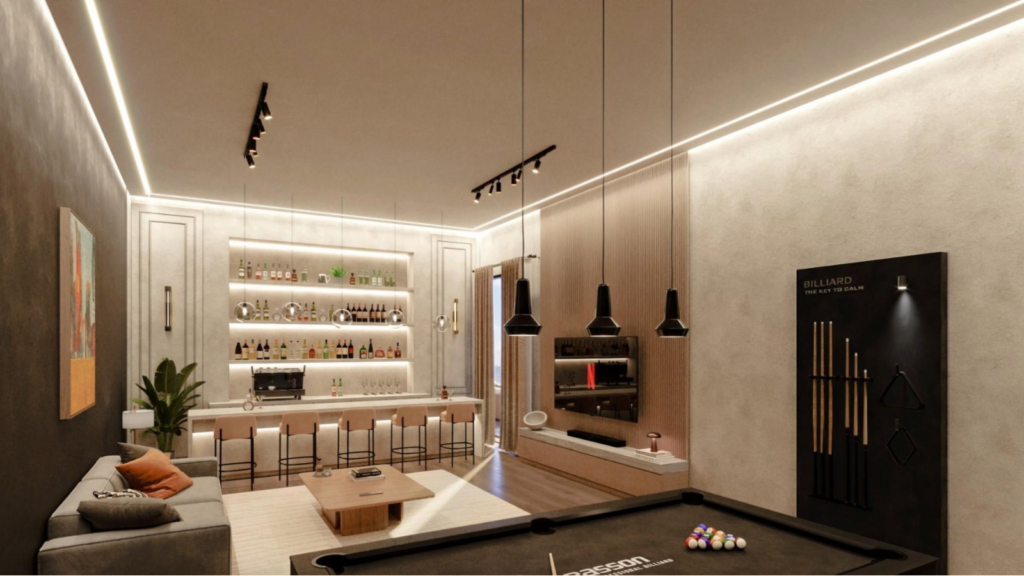
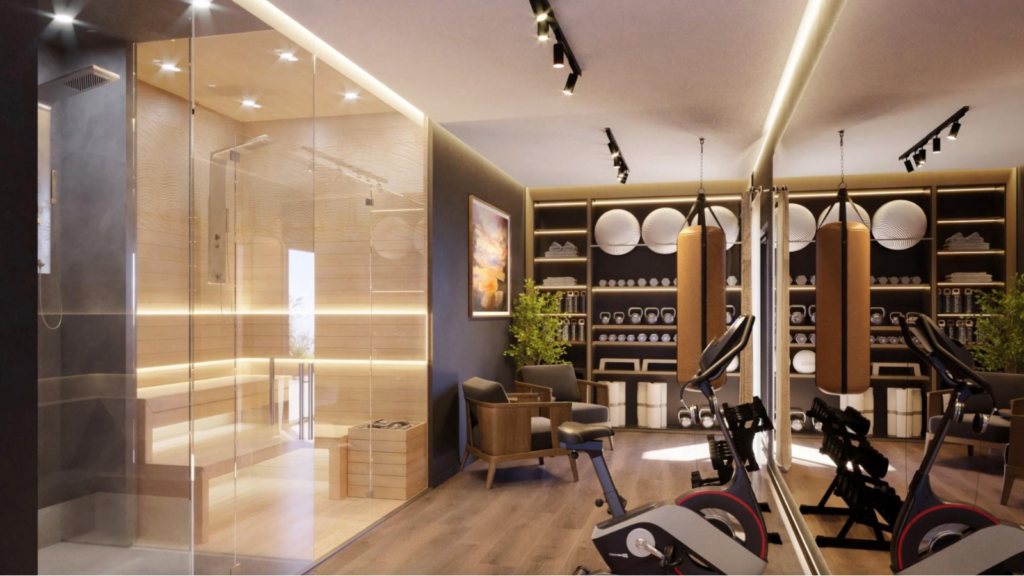
Each residence includes multiple en-suite bedrooms, integrated living spaces, and features such as wine cellars, pyjama lounges, and lift access or lift-ready provision.
Outdoor elements – including pools, rooftop gardens, and entertainment areas – are integrated into the overall design.
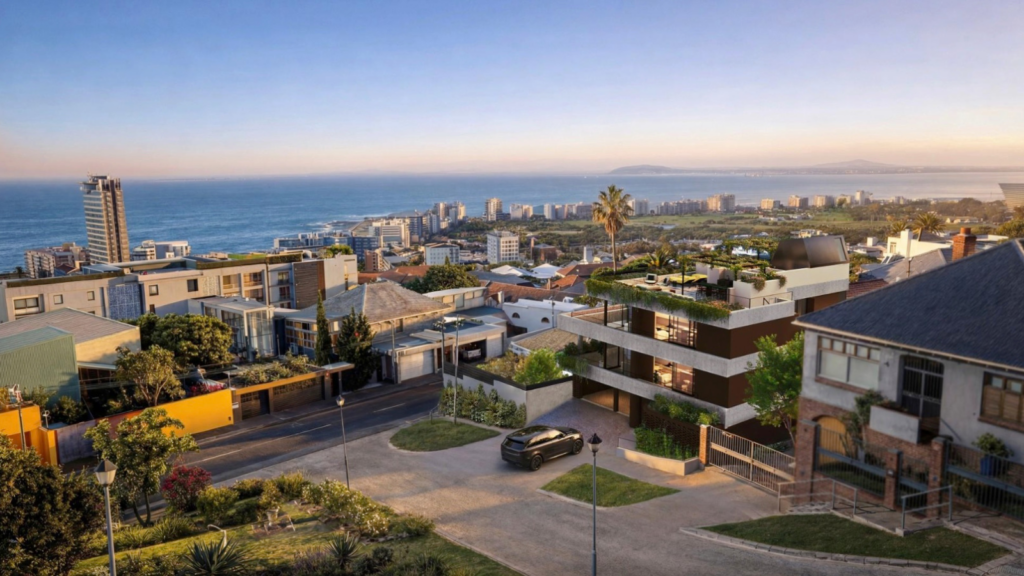
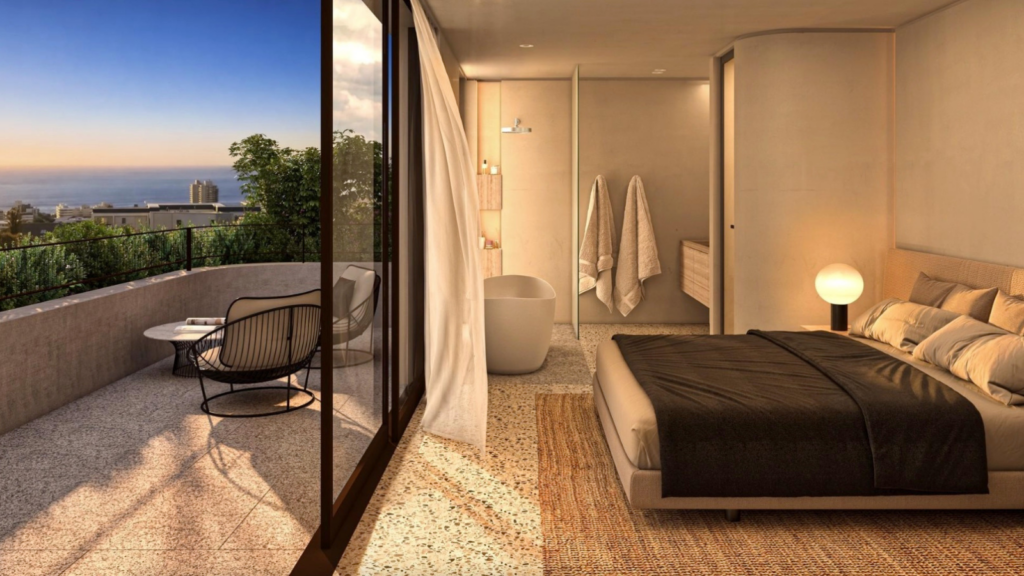
“On the Atlantic Seaboard, St Ives offers a more compact interpretation of boutique living, with just three residences positioned on the slopes of Upper Sea Point,” Upton said.
“With prices ranging from R15 million to R26.5 million, the development is positioned within a segment of the market where lock-up-and-leave living is in demand.”
The development is being brought to market by property developer Sevenseventy, led by Justin Joffe and Gary Katz, a team known for delivering design-led residential projects in prime locations.
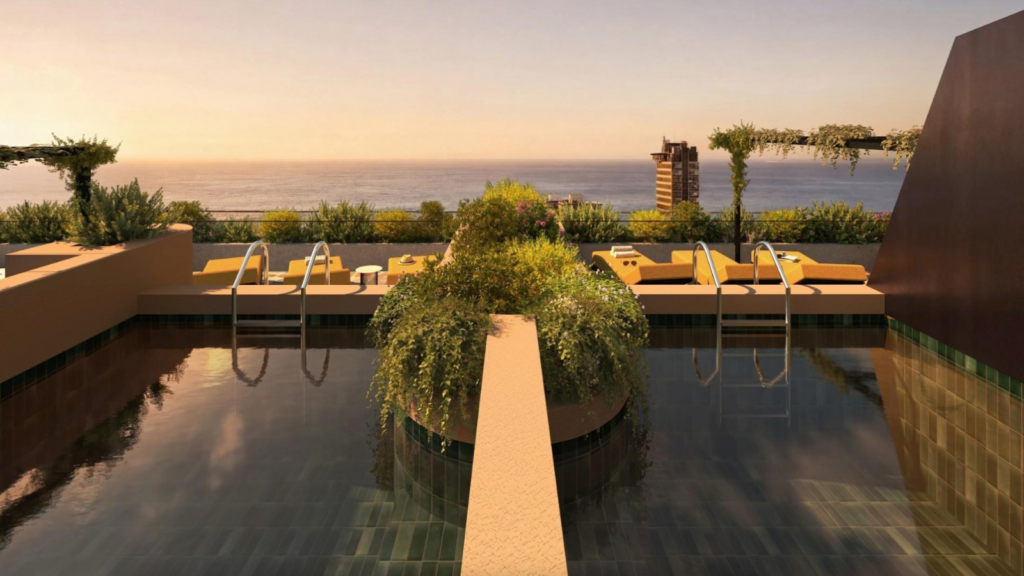
Each residence offers a distinct layout, from a two-level home with a rooftop pool to a simplex with a wrap-around terrace and a multi-level townhouse with a private garden.
Across all units in St Ives, the emphasis is on indoor-outdoor flow, natural light, and carefully considered proportions.
A long-term shift, not a passing trend
As land becomes increasingly scarce in Cape Town’s most desirable areas, and buyers become more discerning, Upton said boutique developments are expected to remain a defining feature of the market.
“What we’re seeing is not a short-term trend,” he said. “There’s a clear move towards quality over quantity – developments that are smaller in scale, but far more considered in terms of design, location and overall lifestyle offering.”
He added that developments such as Steenberg Views and St Ives reflect exactly where the city’s market is heading.
“These are developments that showcase what buyers at this level are looking for – strong architectural identity, exceptional positioning, and a level of individuality that is difficult to achieve in larger schemes,” he said.
“Whether it’s a spacious, design-led home in the Southern Suburbs or a more compact residence on the Atlantic Seaboard, the common thread is quality and scarcity.”
For buyers, this translates into access to homes defined not by scale but by design, location and scarcity – factors that continue to underpin long-term value in Cape Town’s most sought-after property markets.
Steenberg Views – R40 million to R55 million
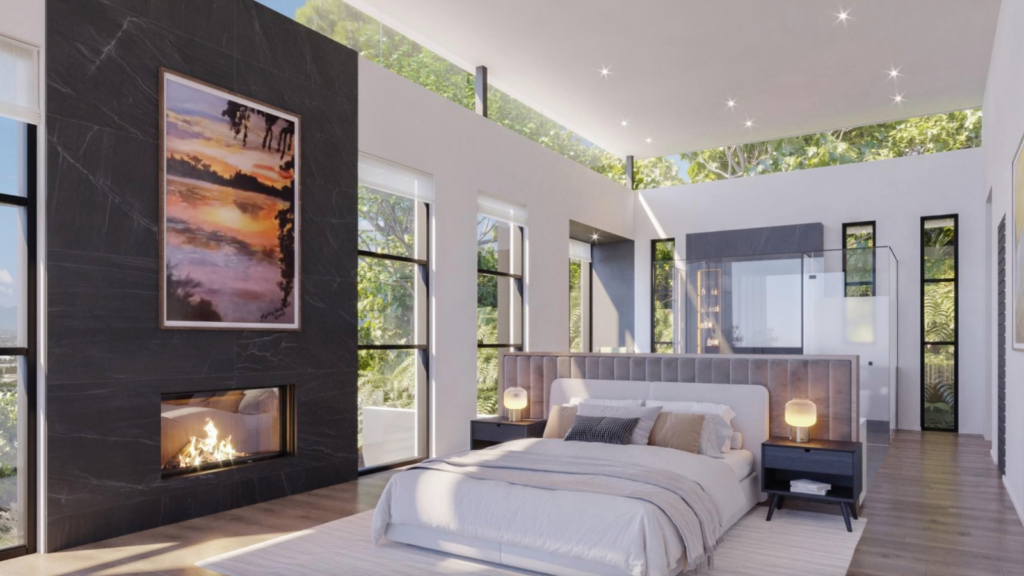
St Ives – R15 million to R26.5 million





Comments