South Africans are snapping up these homes


South Africans are increasingly buying and renting homes suited to multi-generational living as the rising cost of living, safety concerns, and the need for shared financial and emotional support reshape long-term housing choices.
Just Property CEO Paul Stevens said, household by household, month by month, a new residential reality is taking shape, and it’s impacting buyer and tenant must-have lists.
This trend, called “multi-generational living revisited”, has become a defining feature in the country’s residential property landscape.
It is being driven by three key elements – sustained cost-of-living pressure, a growing need for shared support, and rising safety concerns.
While the cost of living has long been a factor in shared homes, Stevens said what he’s seeing now goes beyond short-term, traditional belt-tightening.
“Families are making longer-term decisions about how they live, how they share costs, and how they support one another in an increasingly uncertain national environment,” he said.
Stevens stressed that this shift is not a temporary post-pandemic adjustment. Instead, it reflects the cumulative impact of persistently high costs.
This includes the high food prices and transport costs, ongoing pressure on municipal services, escalating security and domestic help expenses, and utilities that strain even dual-income households.
“For many South Africans, the financial and emotional cost of living alone has simply become too high,” he explained.
Just Property’s nationwide rental and sales activity reflects the scale of the change. Stevens said it shows that more adult children are returning home to save, study, regain financial stability or start businesses.
More 60-plus parents are moving in with their children for companionship and to help with the grandkids. More siblings and extended family members are pooling their resources to buy or rent together.
“Across metros, commuter towns, and smaller regional centres, households are being reconfigured in practical ways that work better in today’s world,” he said.
Stevens noted that the shift isn’t only about survival. “It’s also about resilience. Shared living allows families to redistribute costs and responsibilities,” he said.
“So, one household might cover security, another domestic or garden services, another childcare or transport. The modern multi-family home has turned into a shared ecosystem.”
The new property ‘must-have’ list
According to Stevens, changes in living arrangements are directly influencing what South Africans are looking for when buying property.
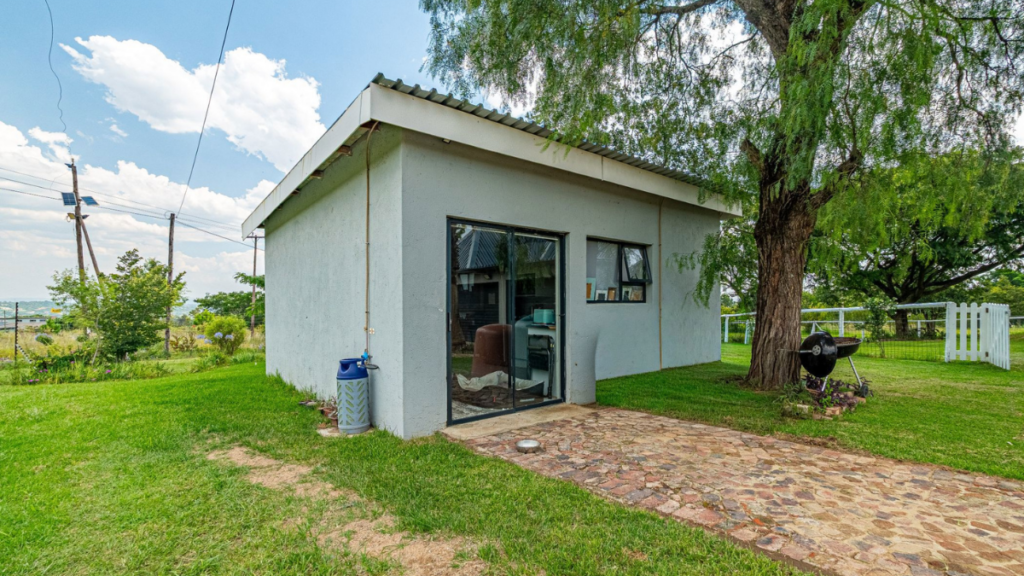
While demand for homes with garden cottages, flats, or separate entrances has always been strong, it is now increasing further.
Buyers are seeking flexible layouts that allow for privacy as well as shared space, and these are inching up on people’s priority lists.
Properties that offer versatility – such as converted garages, multi-purpose rooms, space to build on – usually shoot right to the top.
Stevens explained that these preferences are being reflected across South Africa’s urban and secondary markets.
“From major metros to coastal towns and inland centres where affordability pressures, the need for support, and security concerns are particularly sensitive,” he said.
“So properties with dual-living potential are attracting more enquiries and, in many cases, letting and selling faster than the more traditional single-family homes.”
Landlords and investors are also taking note of the trend. “Rental homes with additional living spaces are proving to be more resilient in a competitive rental market,” he said.
“And homeowners are increasingly converting underutilised areas into income-generating or family-ready units.”
Stevens explained that he has also witnessed a lot of practical creativity accompany this shift in the property market.
“Families are turning three-bedroom homes into four with relatively simple, cost-effective renovations. Garages are being converted into bachelor pads,” he said.
“Domestic quarters and outside ablutions are being turned into contemporary living spaces. People are redesigning their homes to reflect how they actually live, not how they once thought they were supposed to live.”
The trouble with adding on or renovating
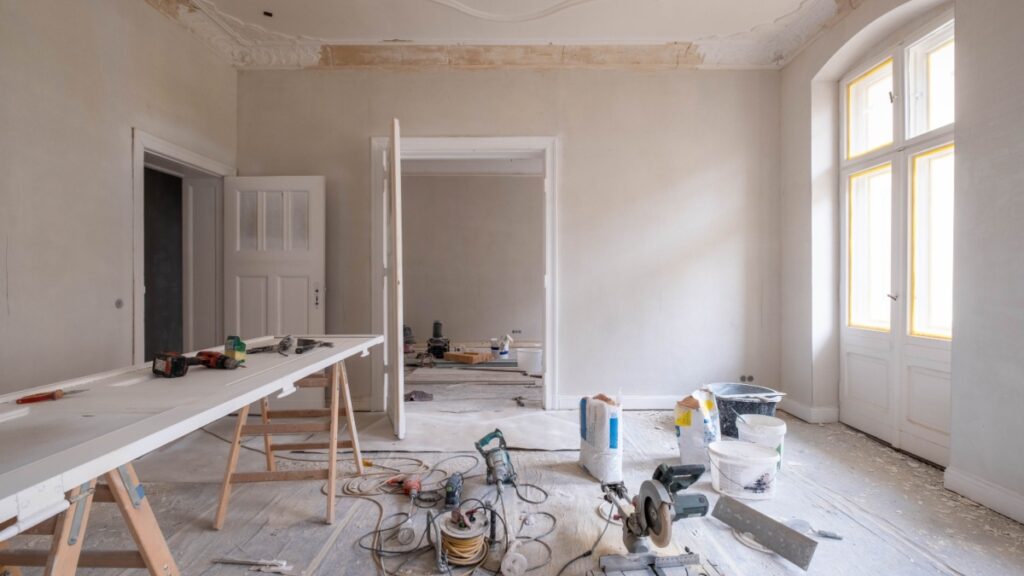
Stevens cautioned that homeowners considering conversions should approach renovations with care.
“Even relatively simple changes like adding a kitchenette, enclosing a garage, or converting domestic quarters have regulatory requirements,” he cautioned.
“We encourage owners to check zoning, get building plans approved, and make sure that the electrical and plumbing work is compliant. Not only does this protect them legally, but it also enhances the long-term value of the property.”
He added that insurance is another often-overlooked factor. Homeowners creating a separate living unit may need to update their policy details with their insurance company.
Insurers may also require that they include additional fire safety measures and that proof be provided that the work was performed by accredited professionals. “Your insurance must reflect the changes,” he said.
Stevens advised that separate access and safety considerations are also key, since a functional dual-living setup usually requires secure, independent entry points.
They must also have adequate lighting and clear fire escape routes. “These aren’t just nice-to-haves – they’re part of responsible design,” he said.
Stevens cautioned that reputable contractors and transparent pricing can make or break a home renovation project.
“Too many homeowners are caught out by informal builders or unapproved alterations that later complicate or stall sales. So, make sure that you know what will add value and what could create problems down the line,” he warned.
He added that the implications for the property market are long-term. “Residential design, buying decisions, and rental demand are being shaped by the need for adaptability rather than idealised layouts. South Africans are rewriting the script,” he said.
“They’re choosing what works for them, not what tradition dictates. The new face of multi-generational living is here.”
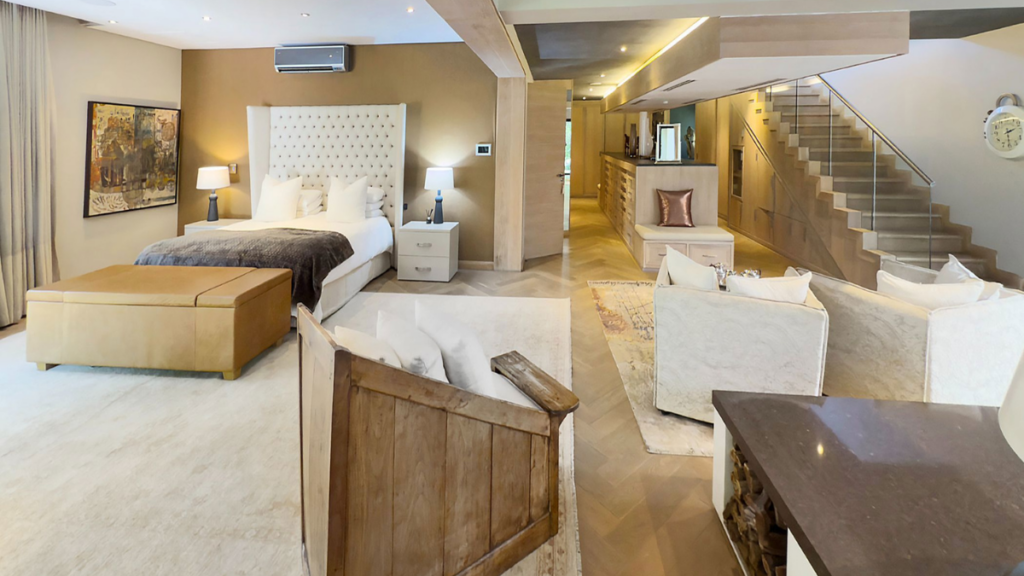
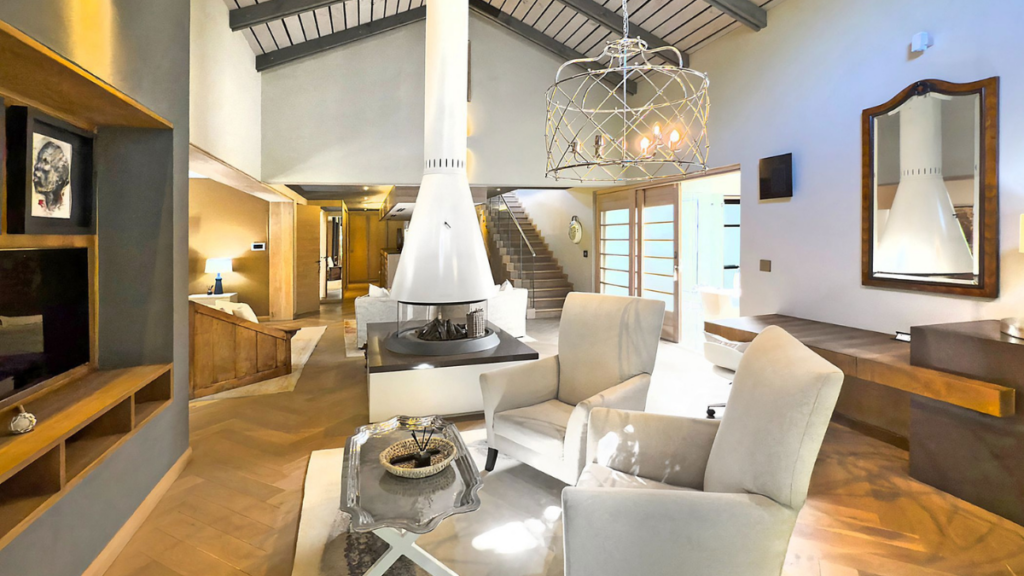
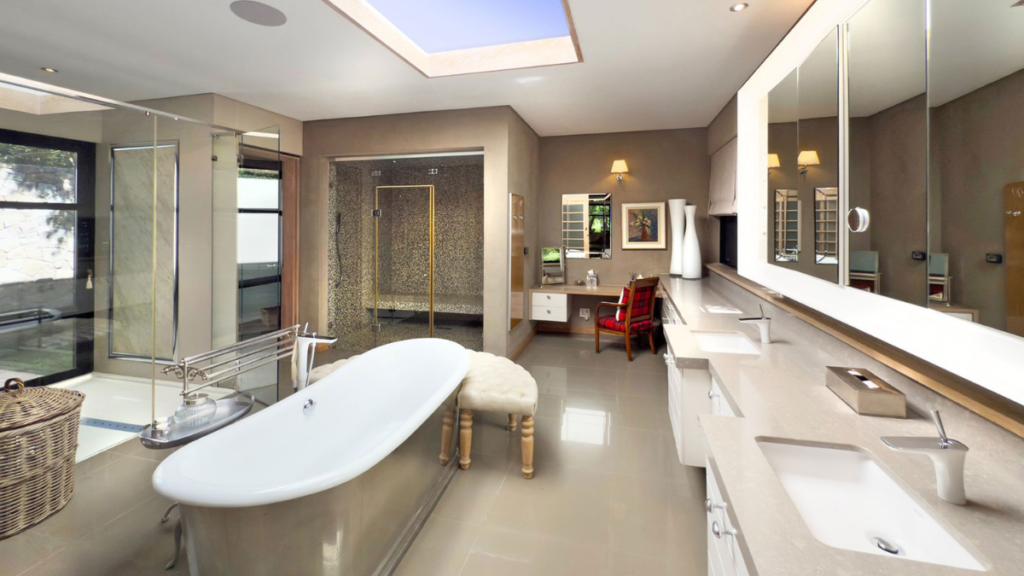
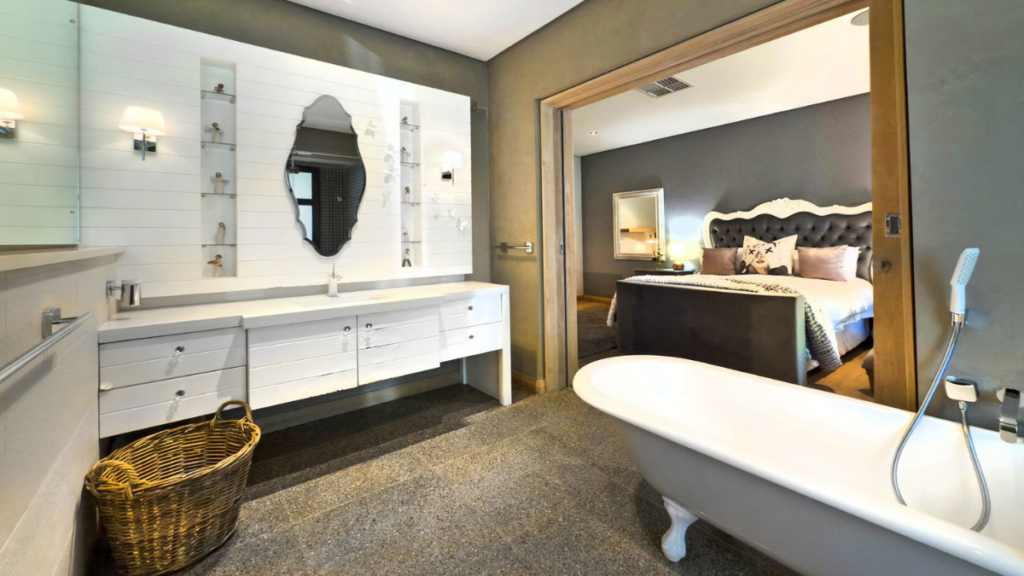
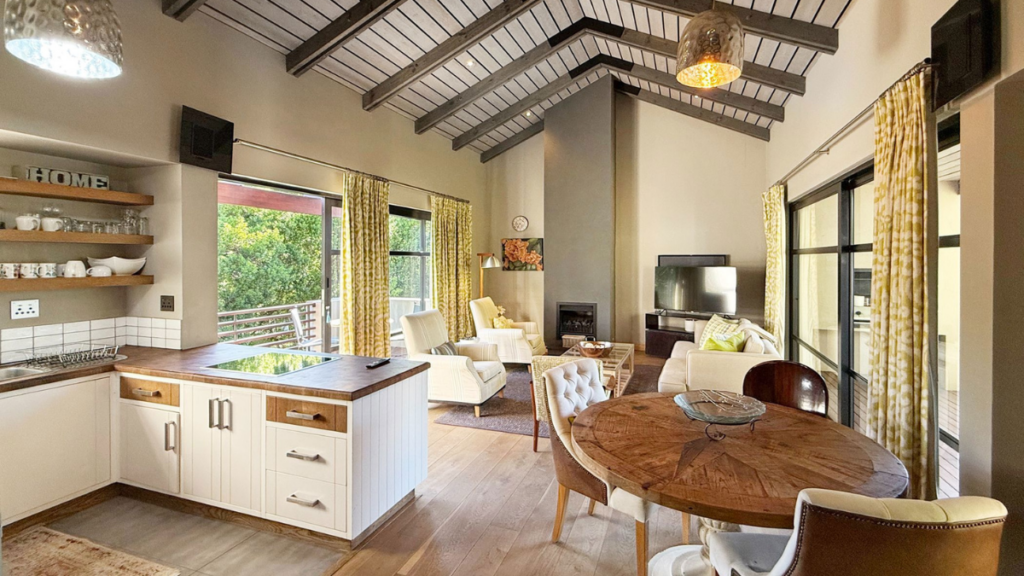
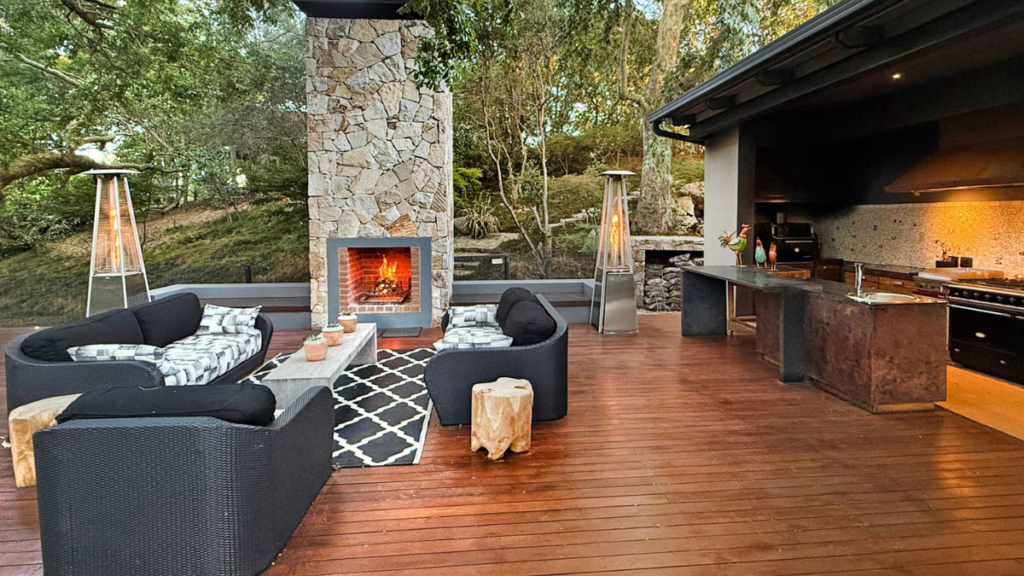
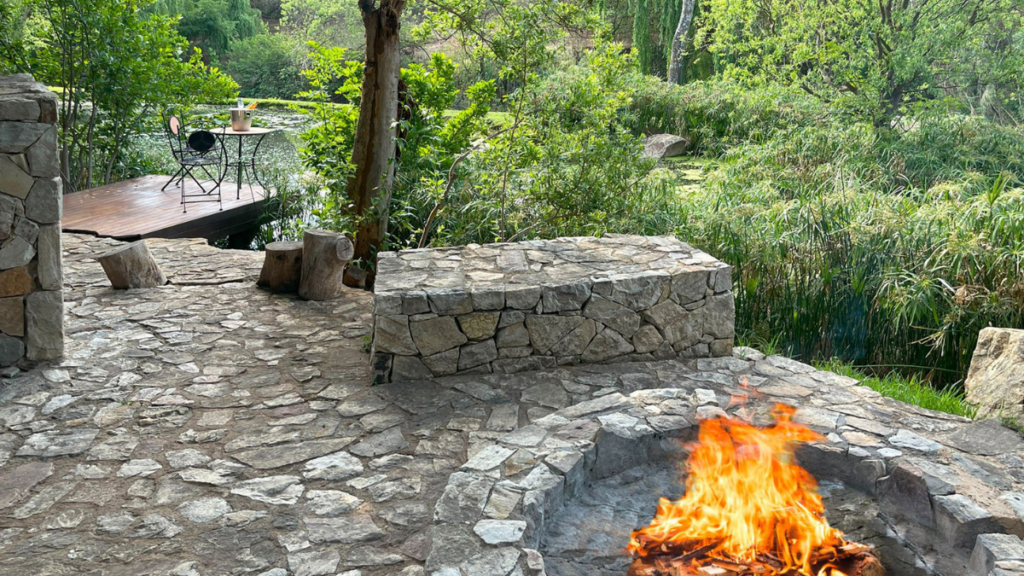
Listed below are residential properties currently for sale in Gauteng that showcase accommodations for multi-generational living.
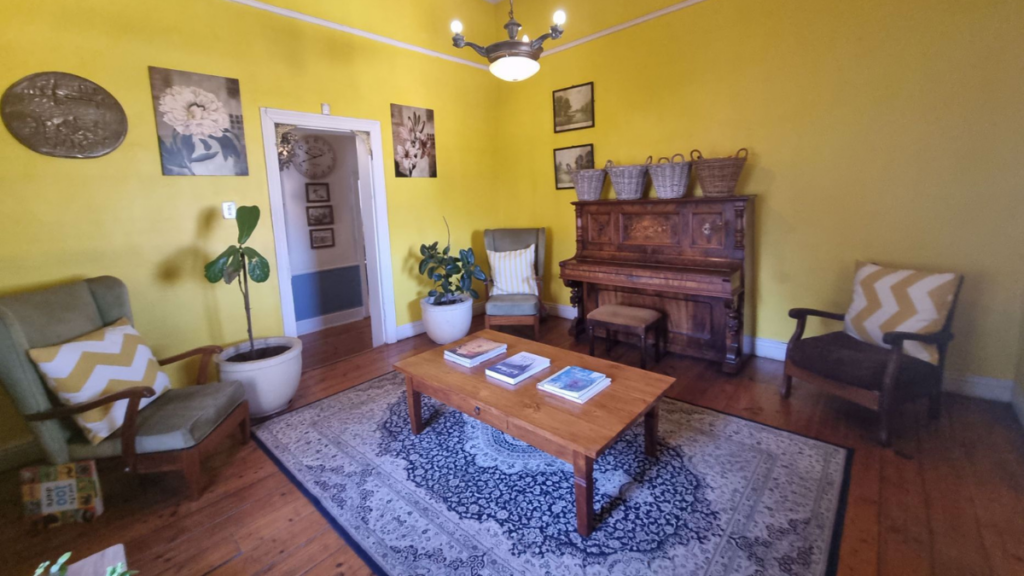
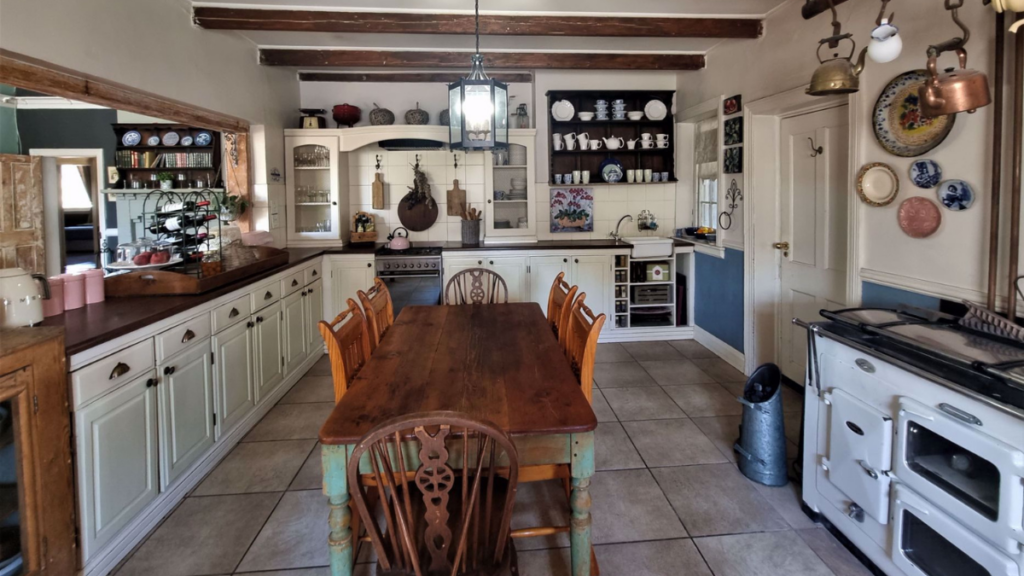
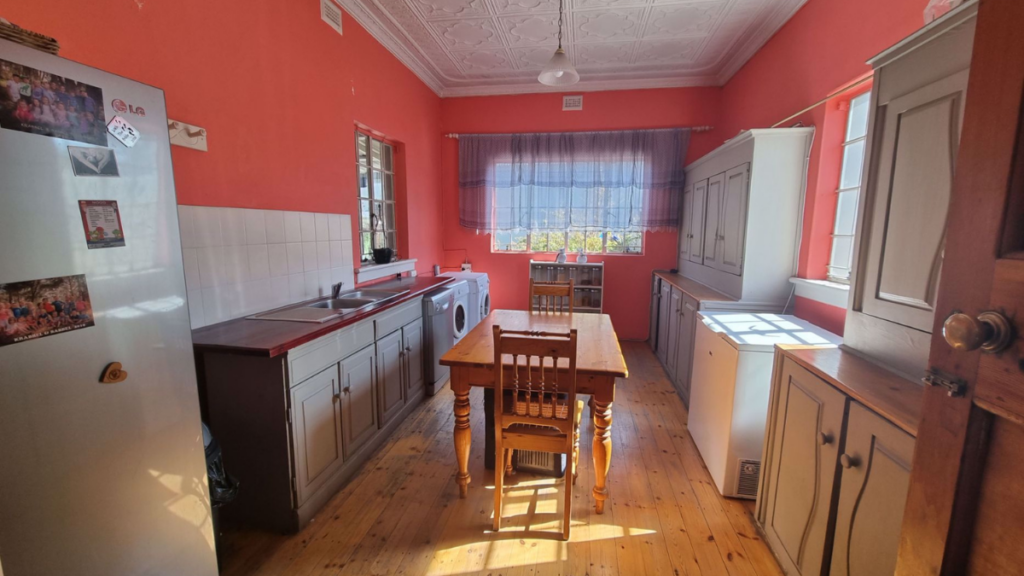
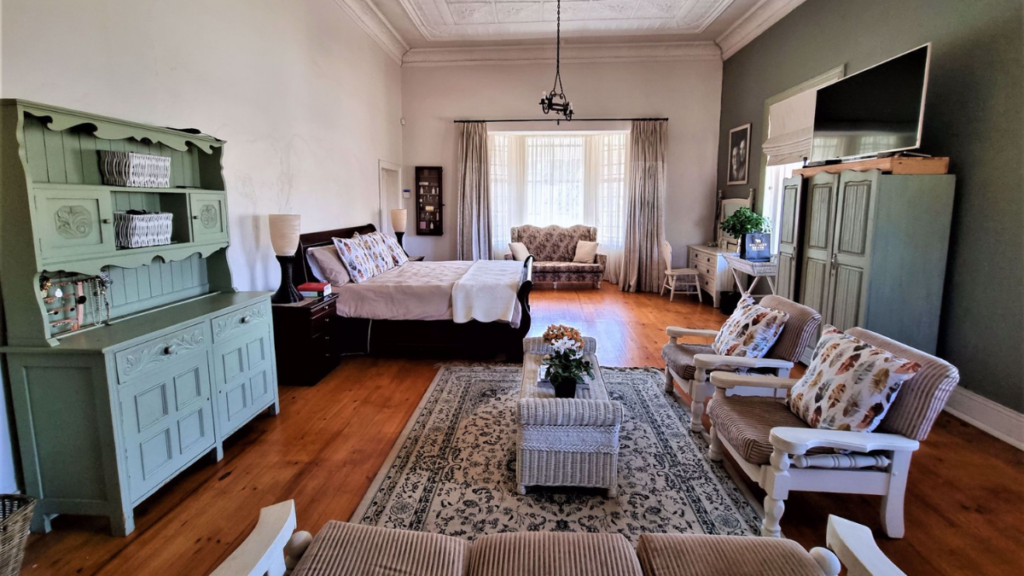
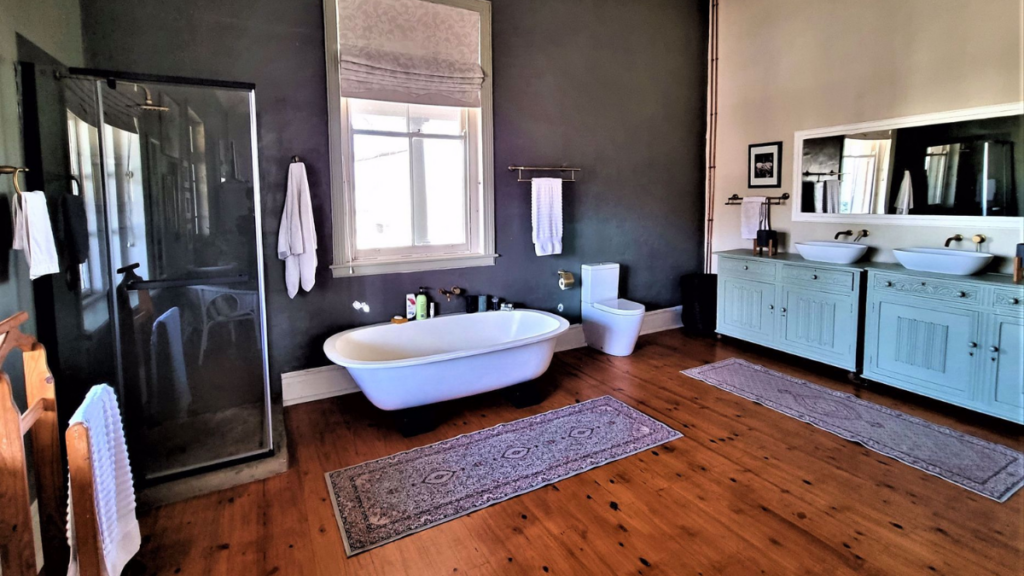
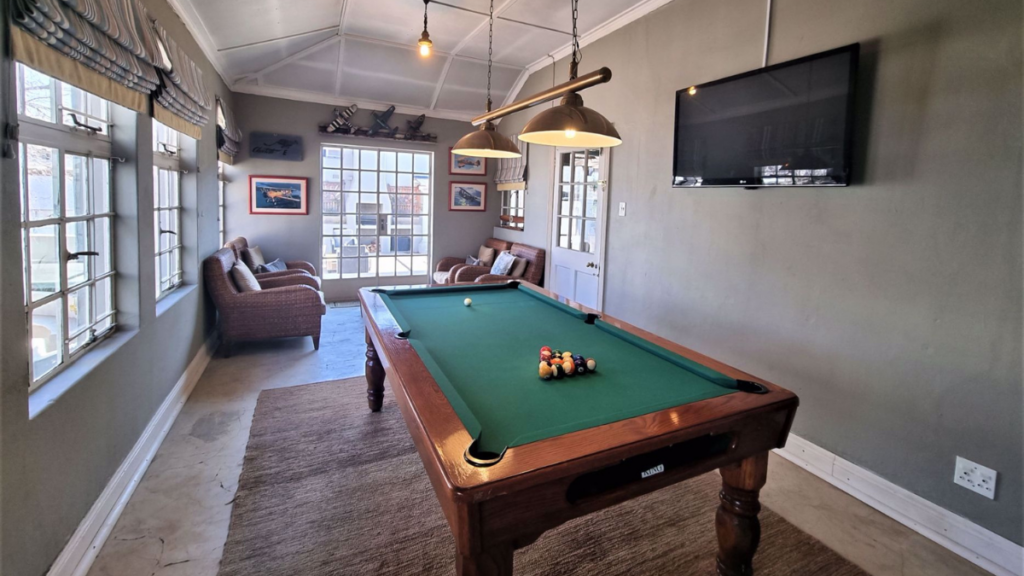
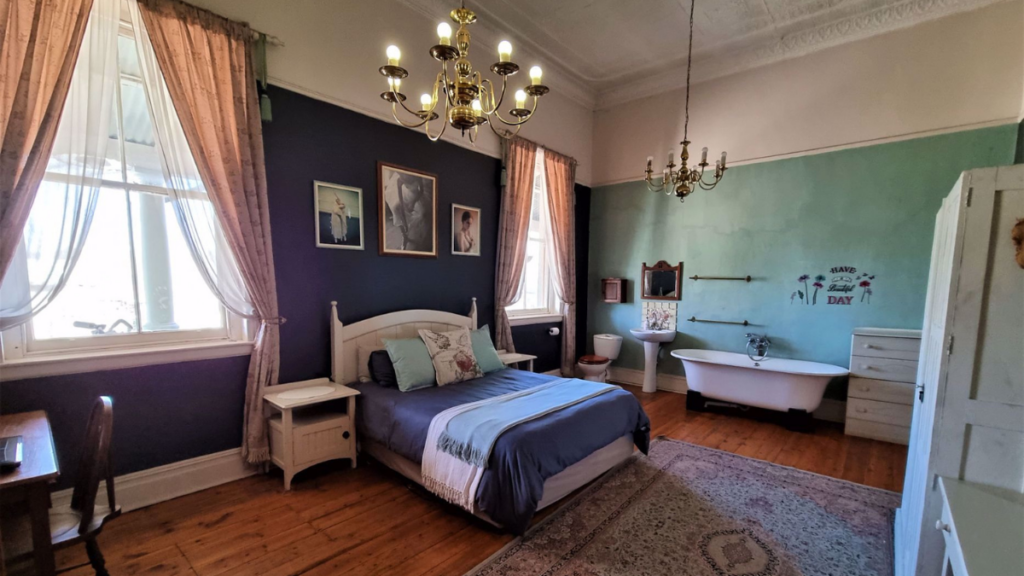
R3.1 million five-bedroom house in Heidelberg
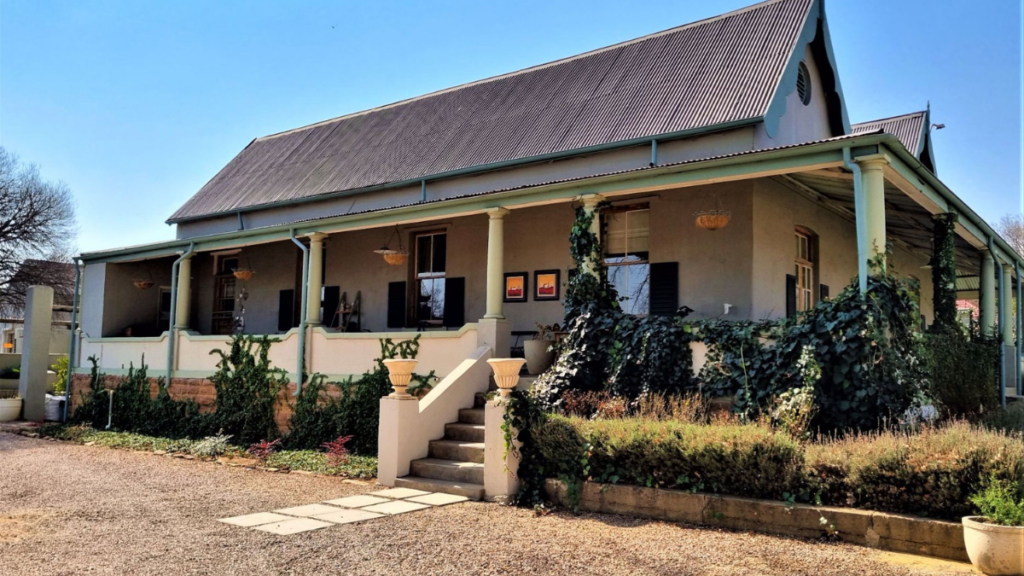
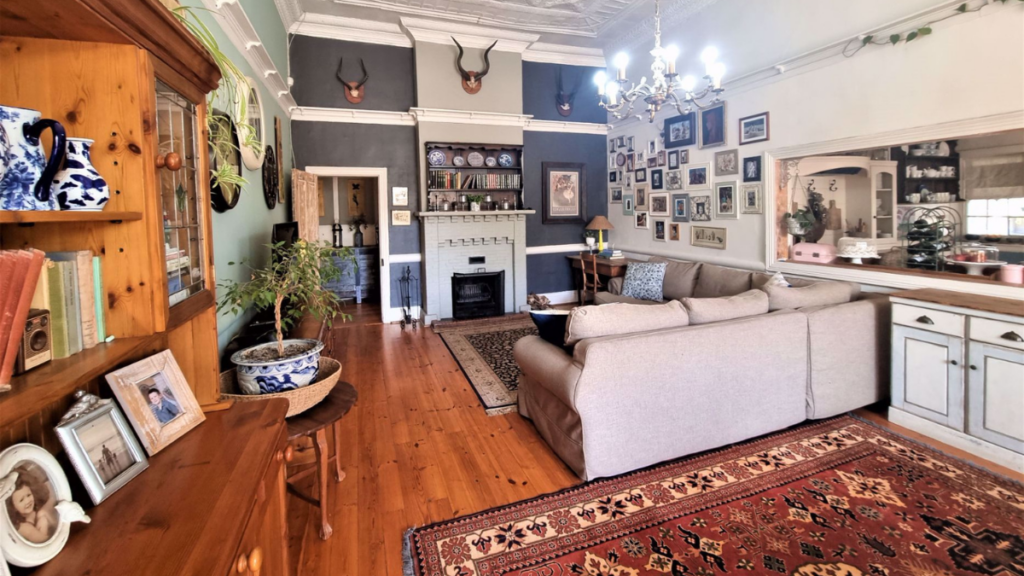
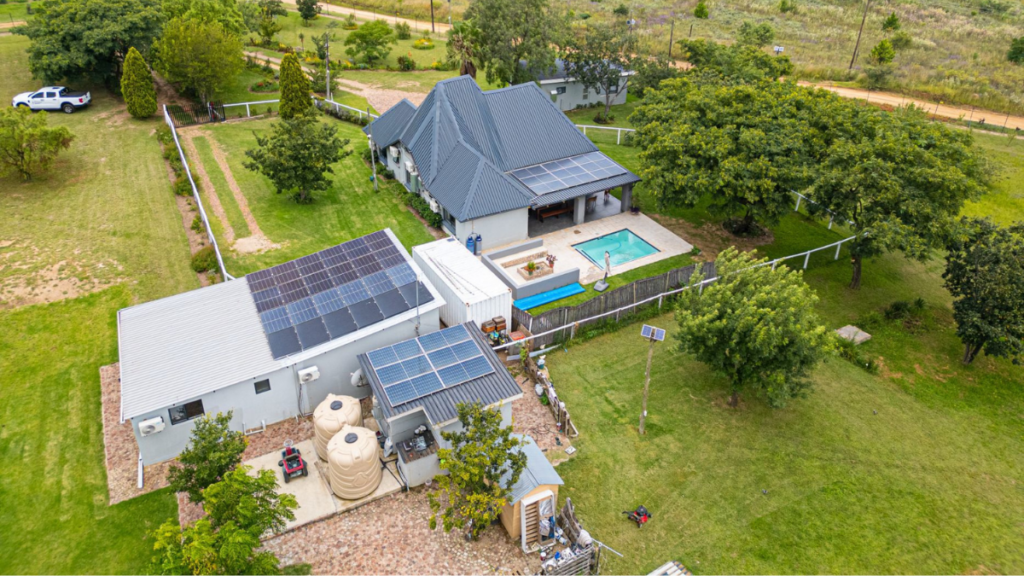
R4.95 million three-bedroom house in Sun Valley
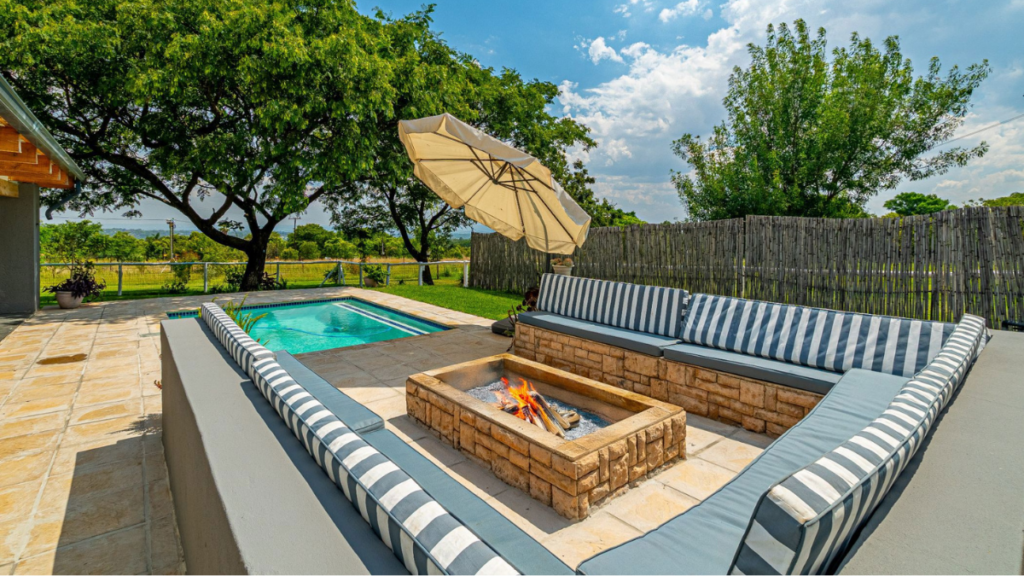
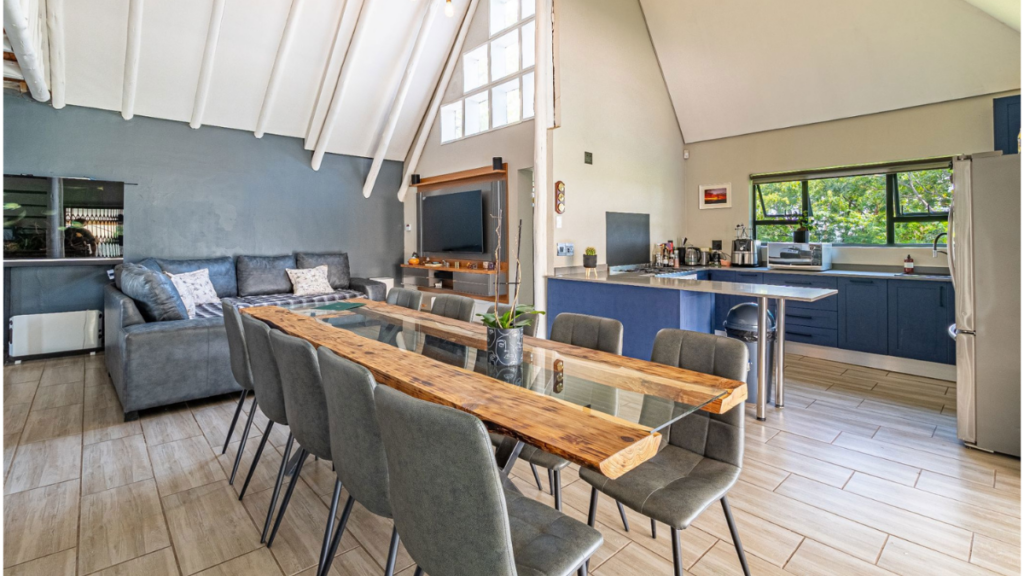
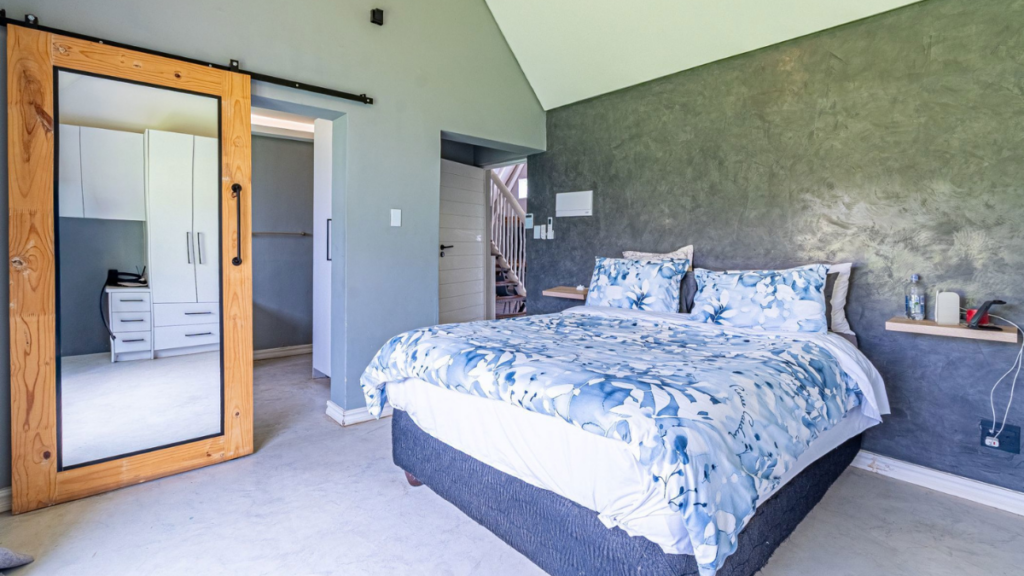
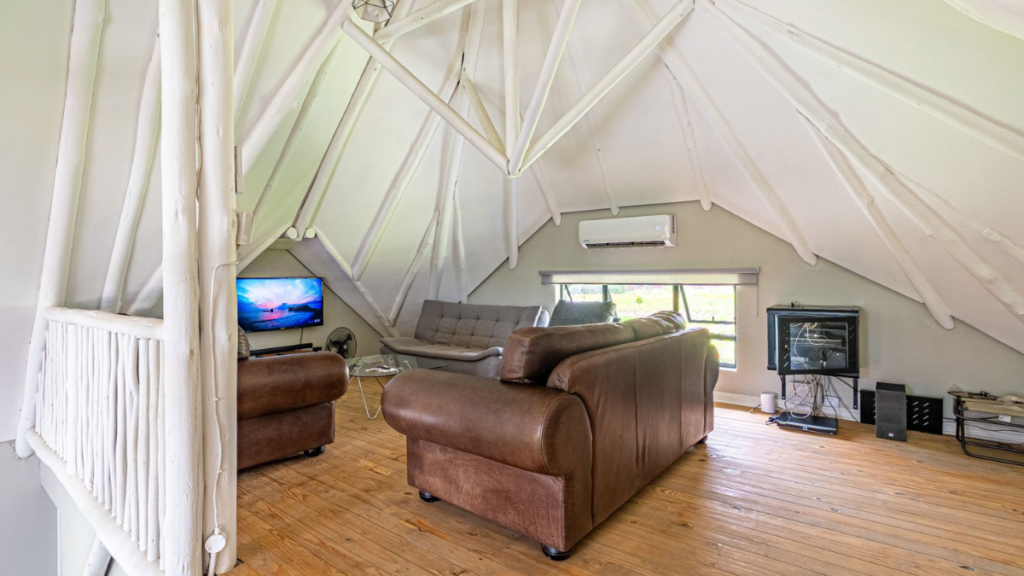
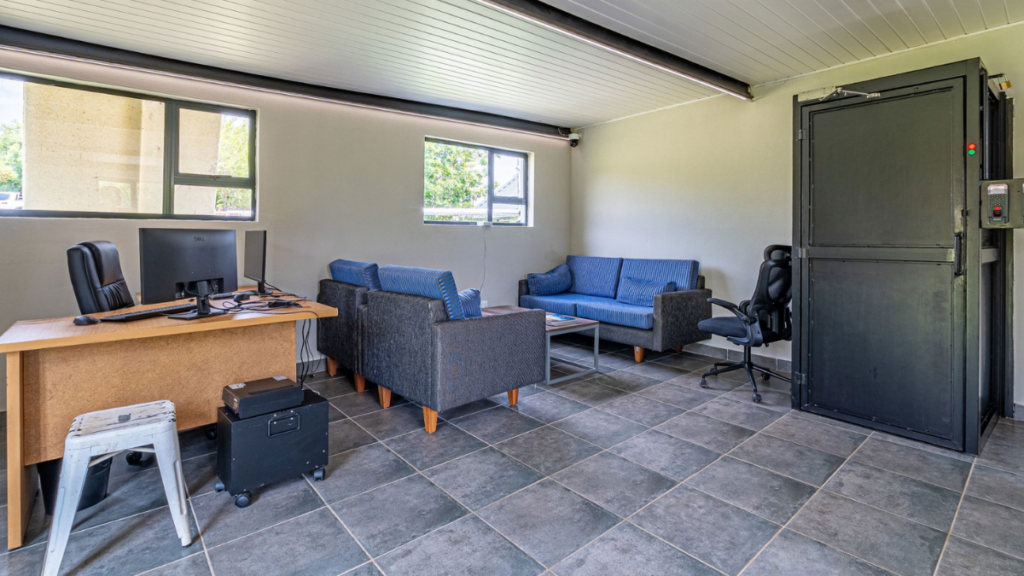
R11 million four-bedroom house in Irene
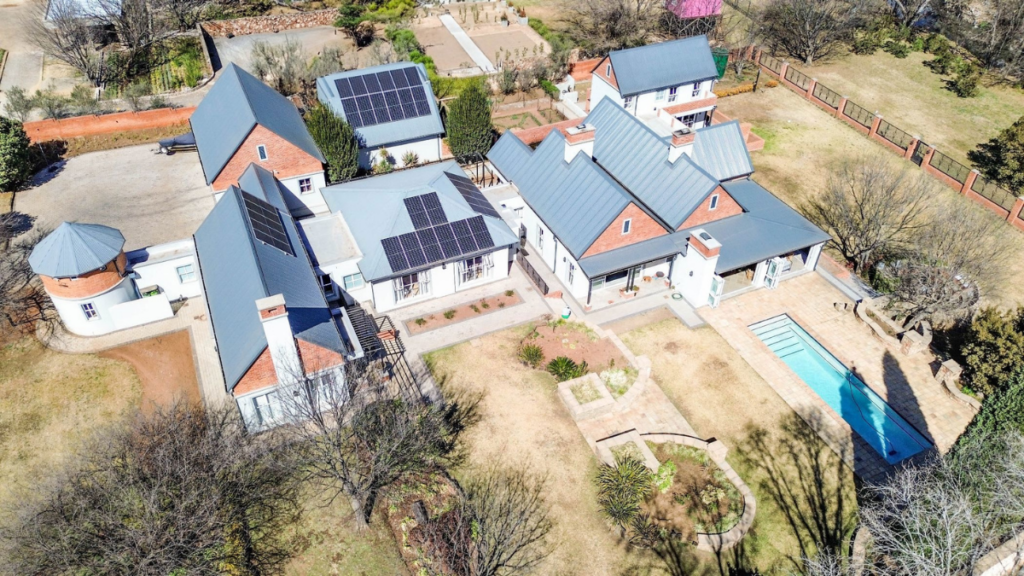
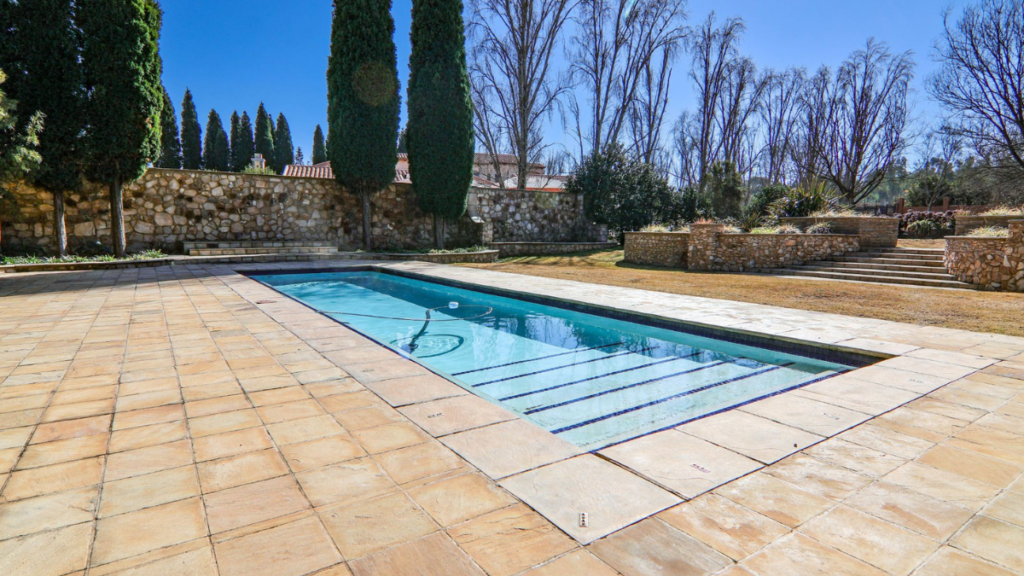
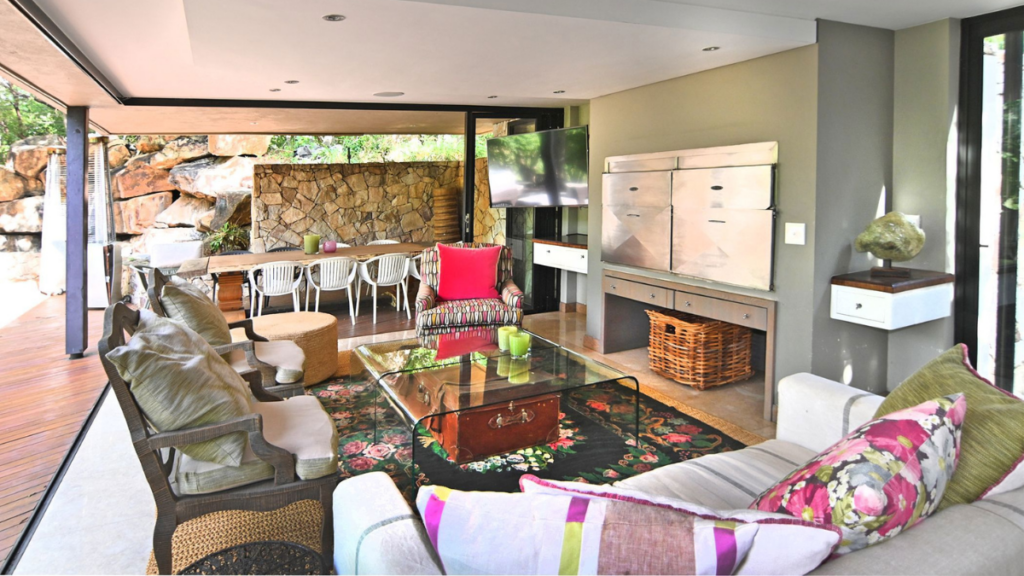
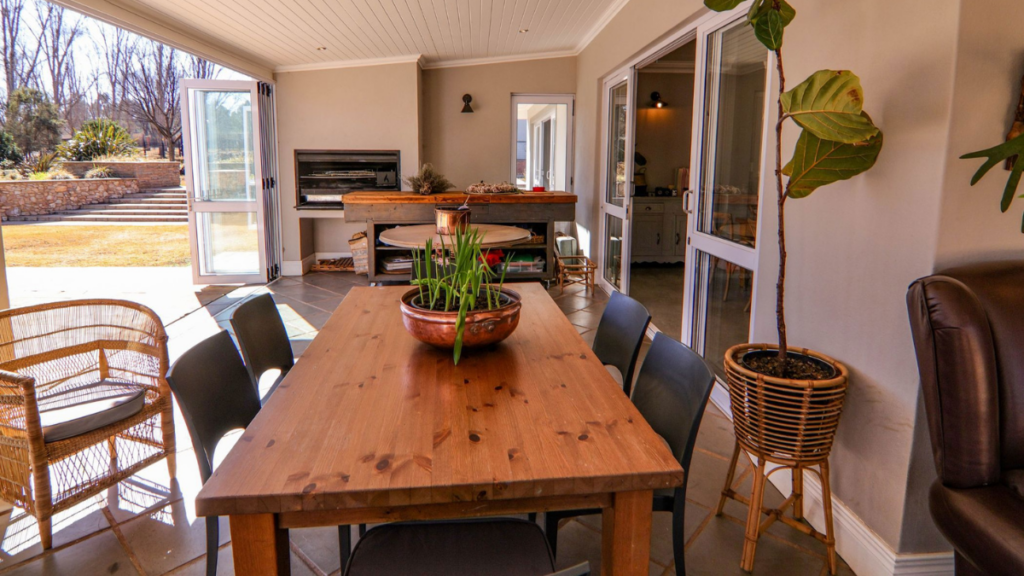
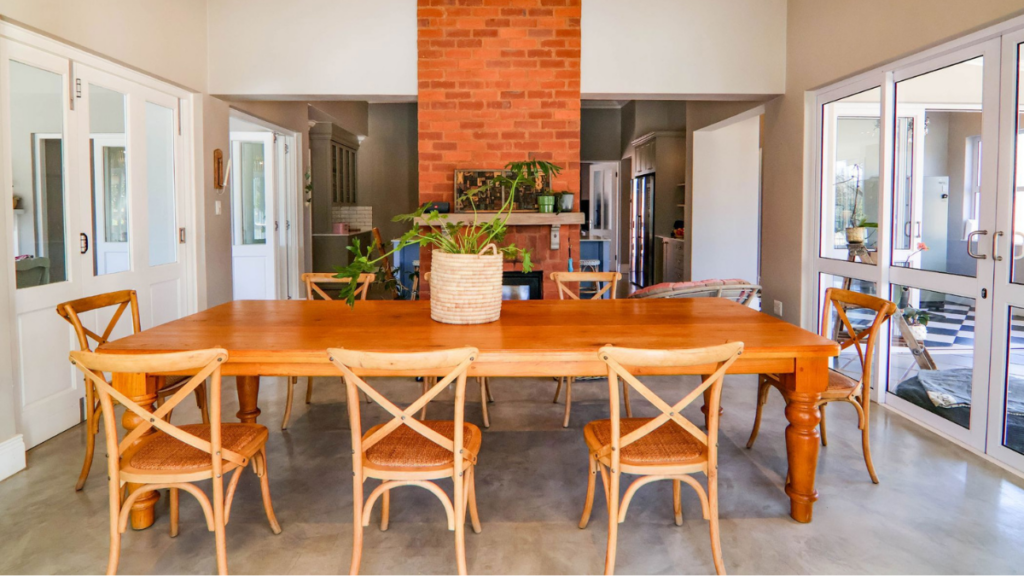
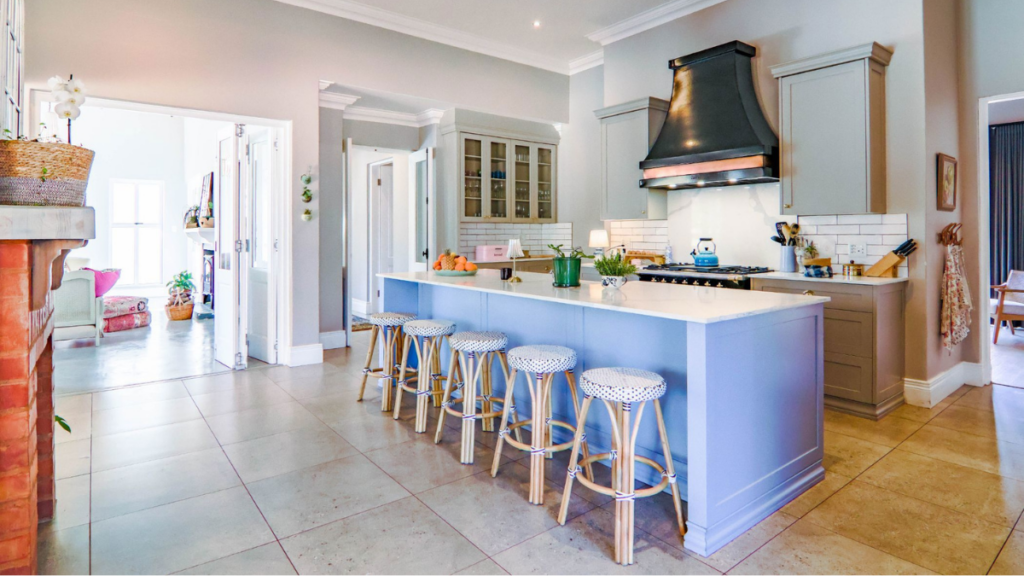
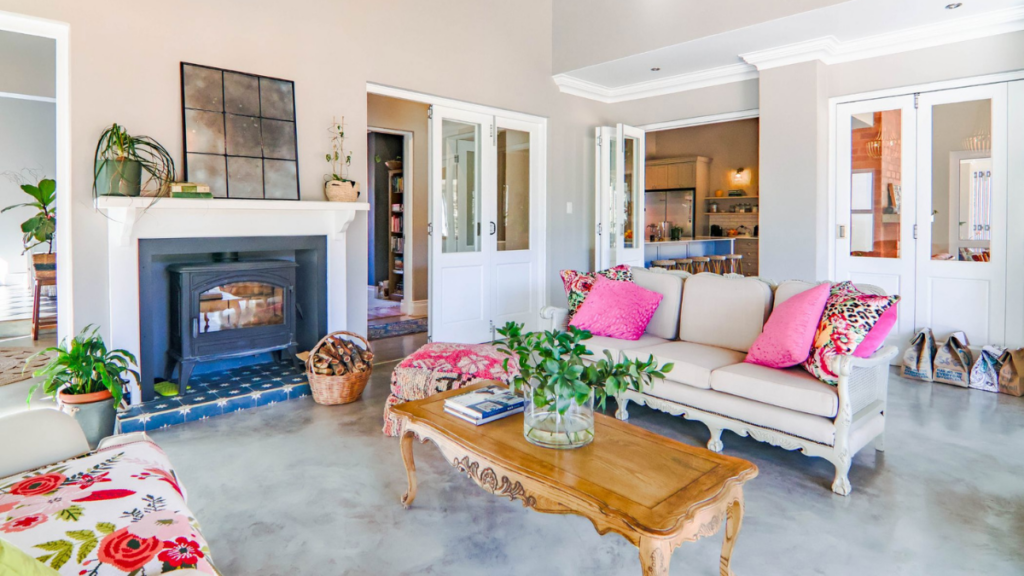
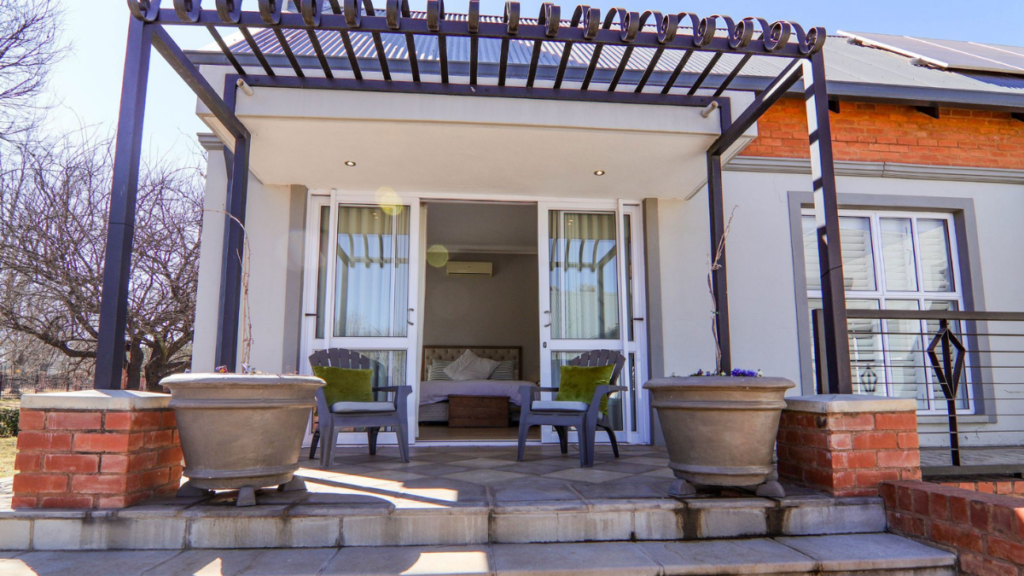
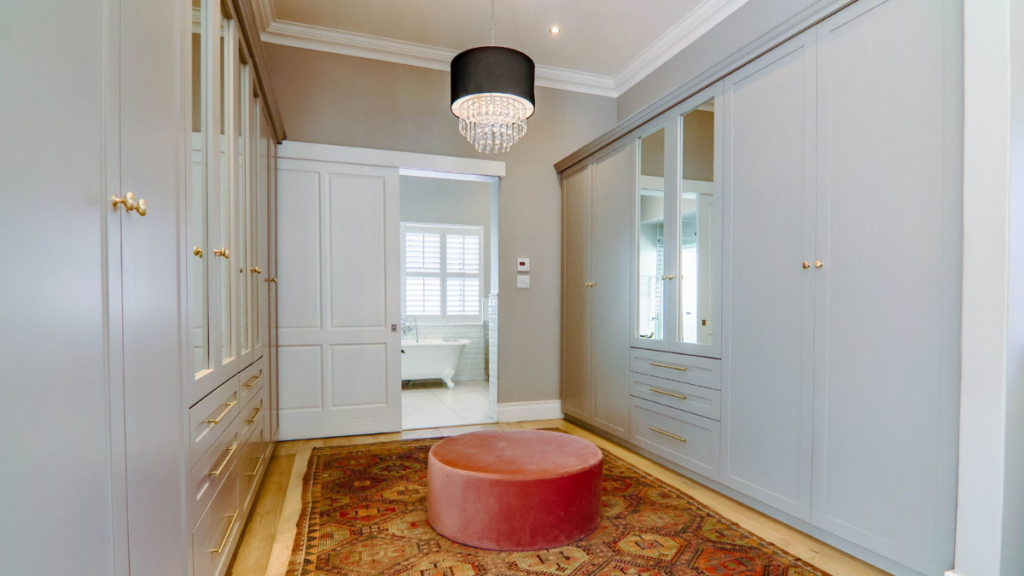
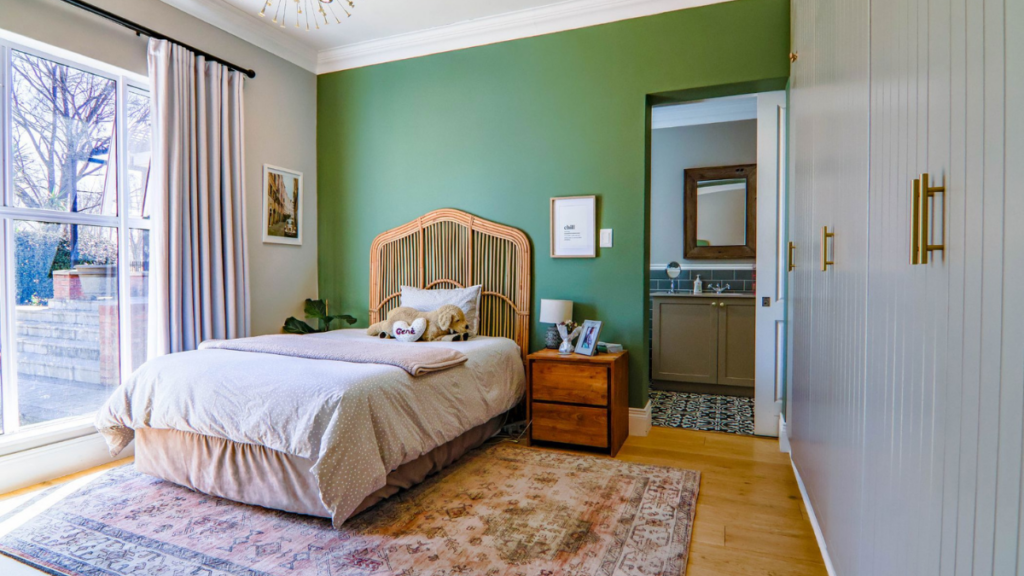
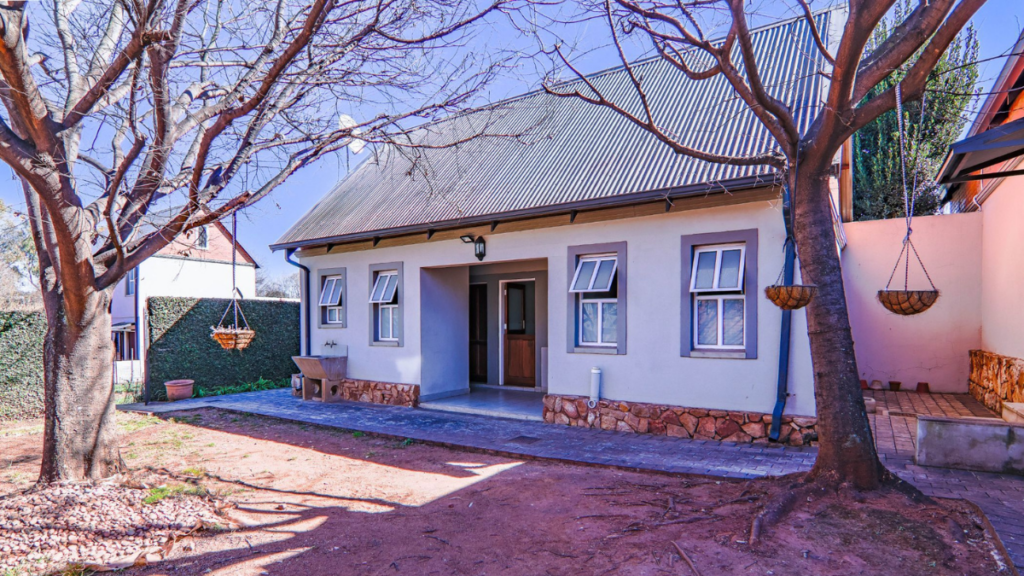
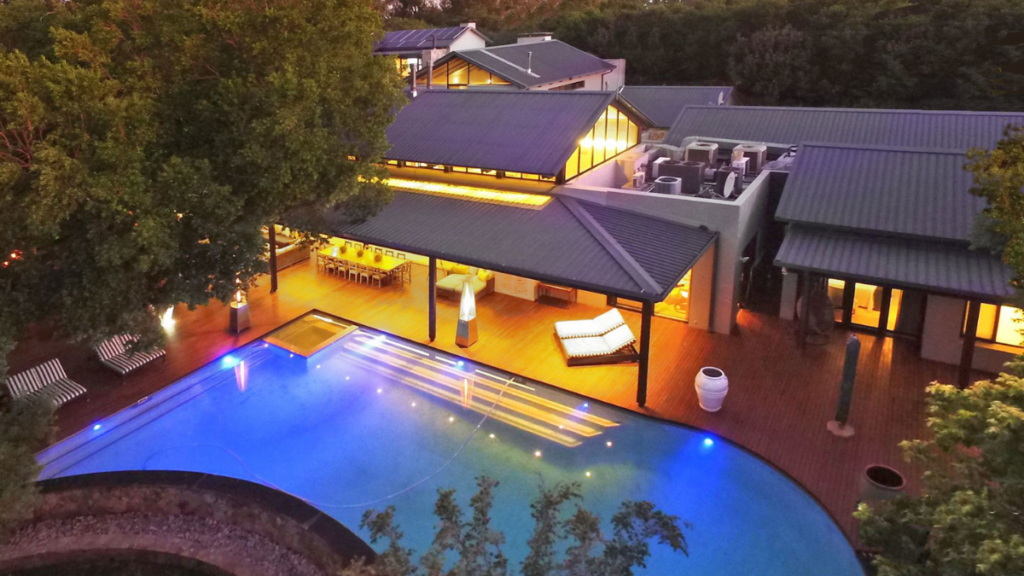
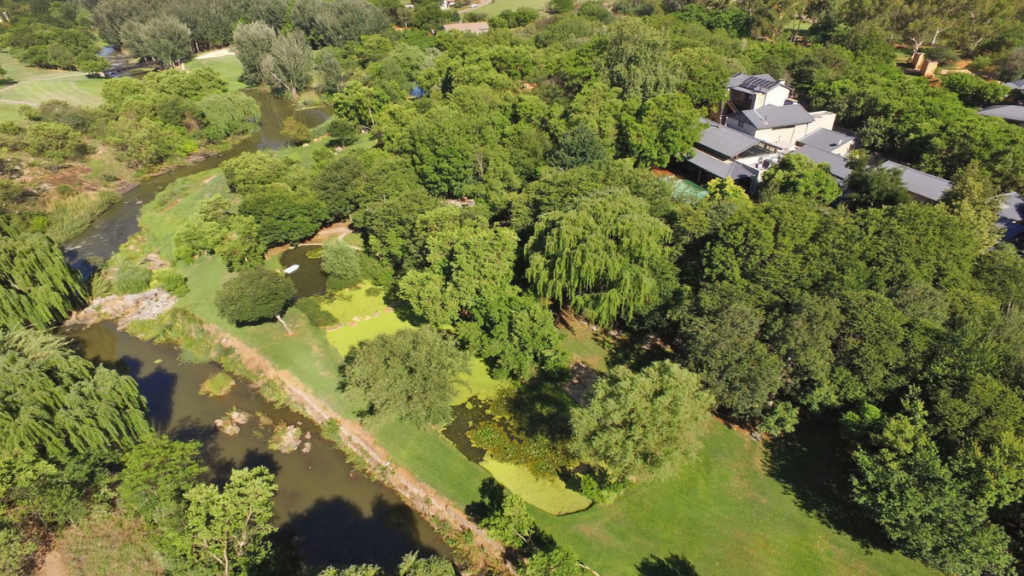
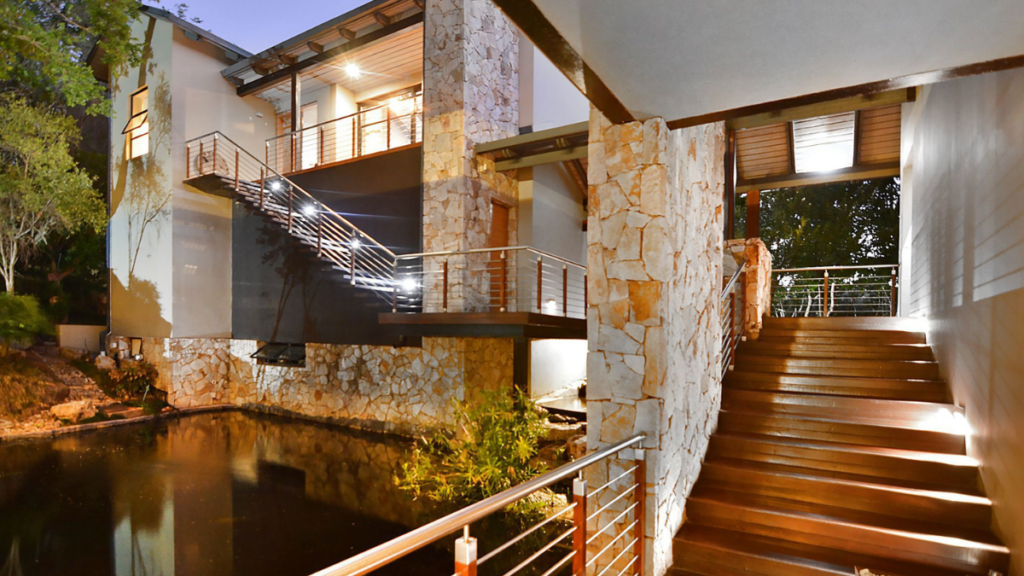
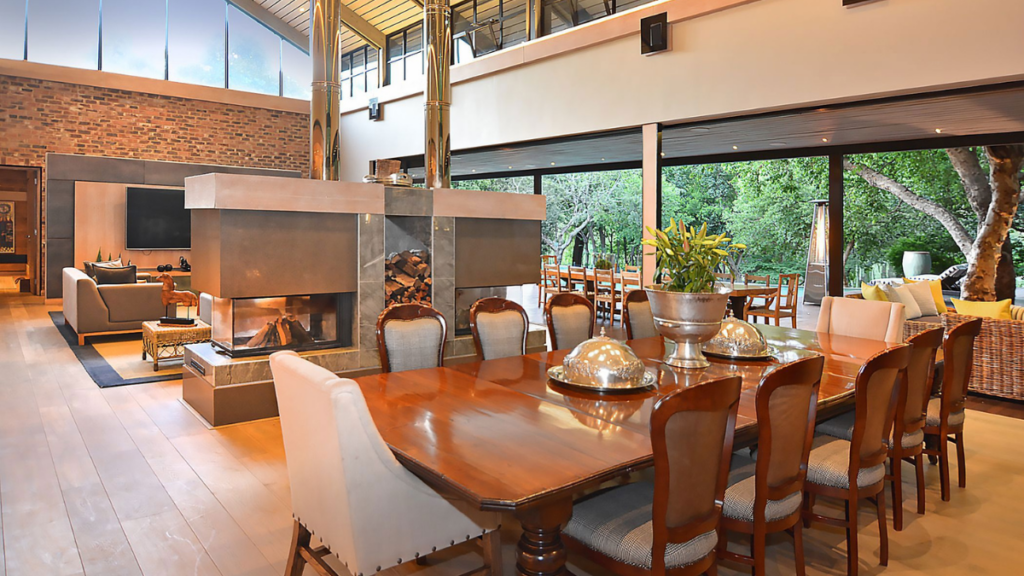
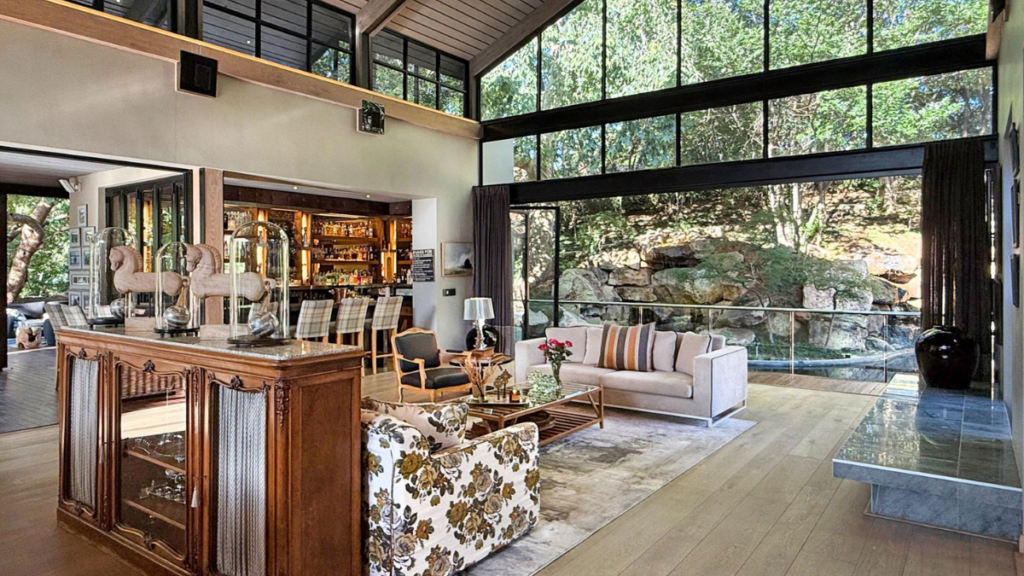
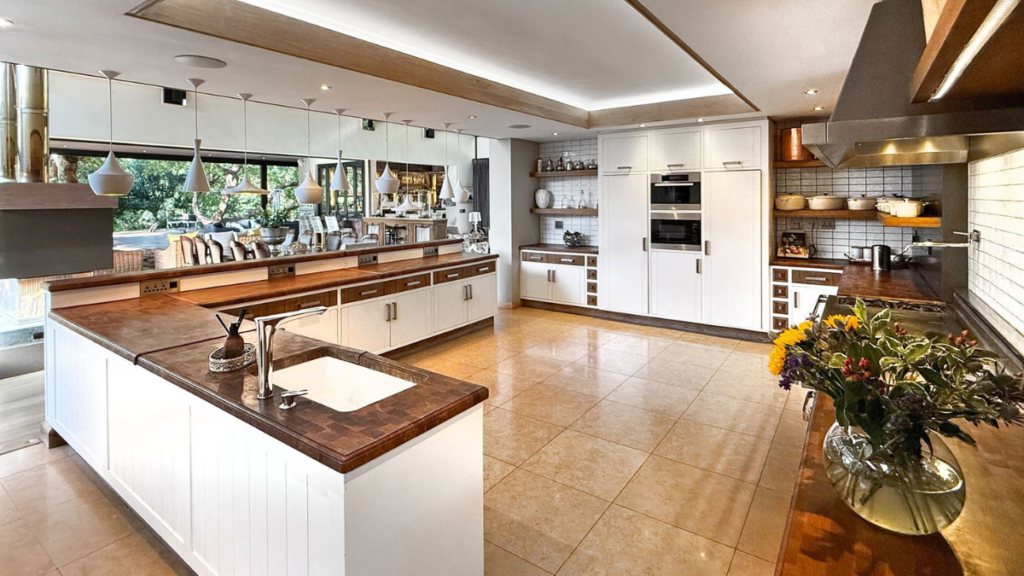
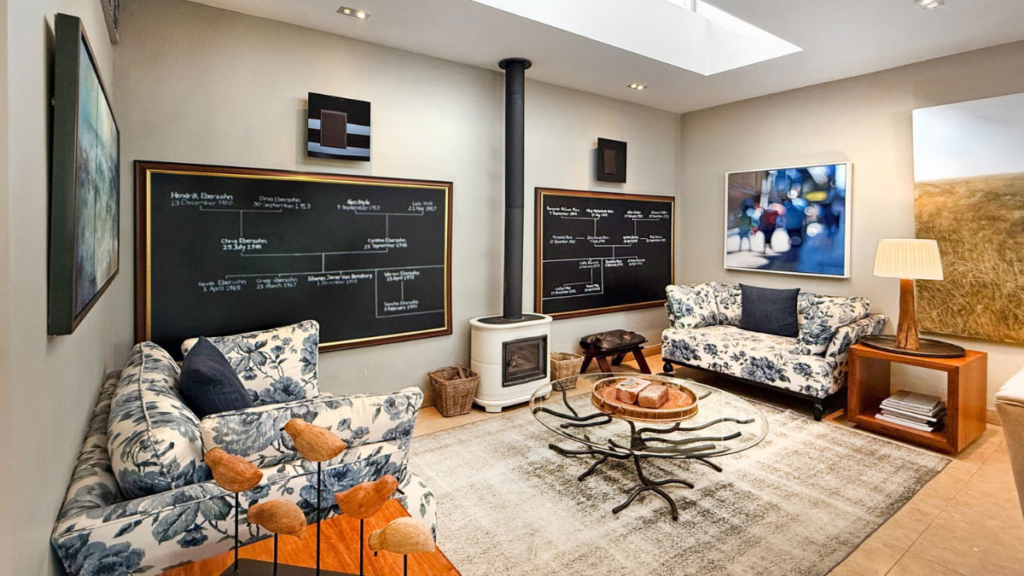
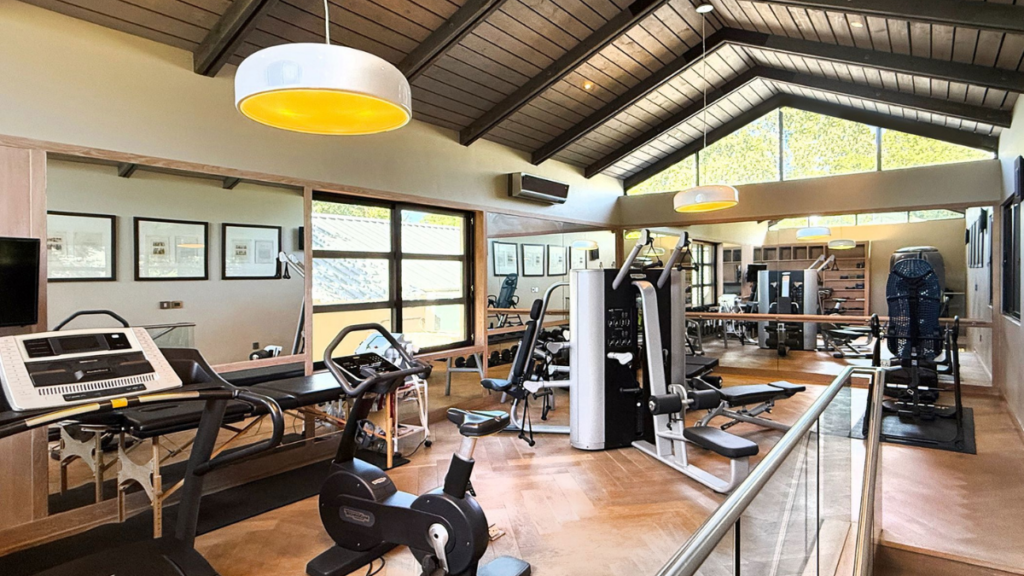
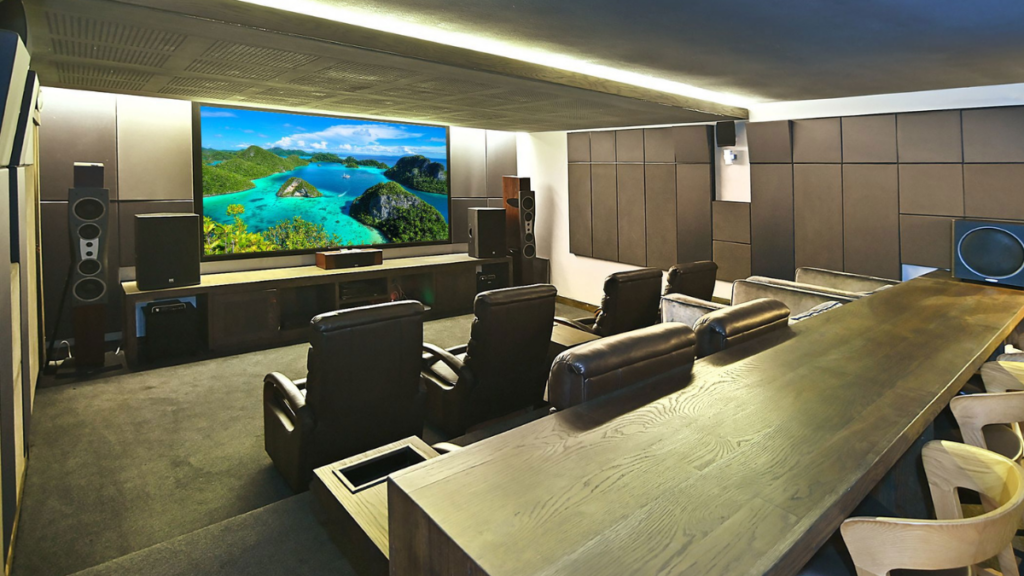
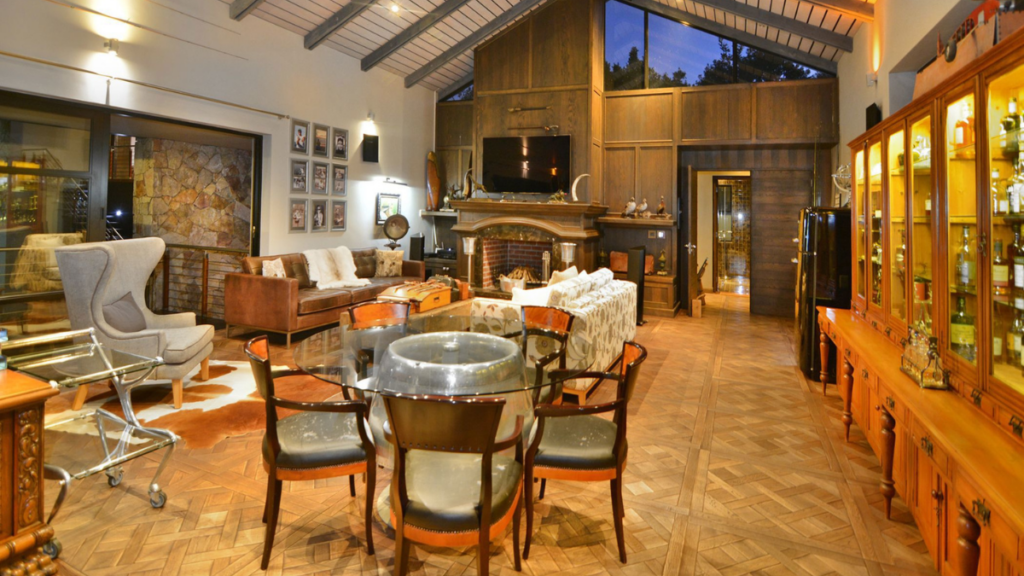
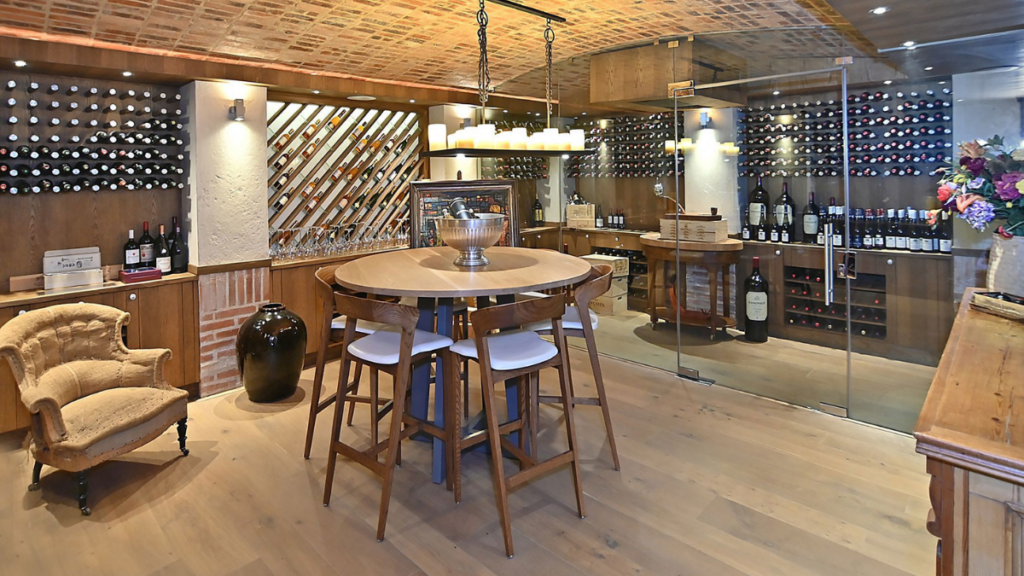
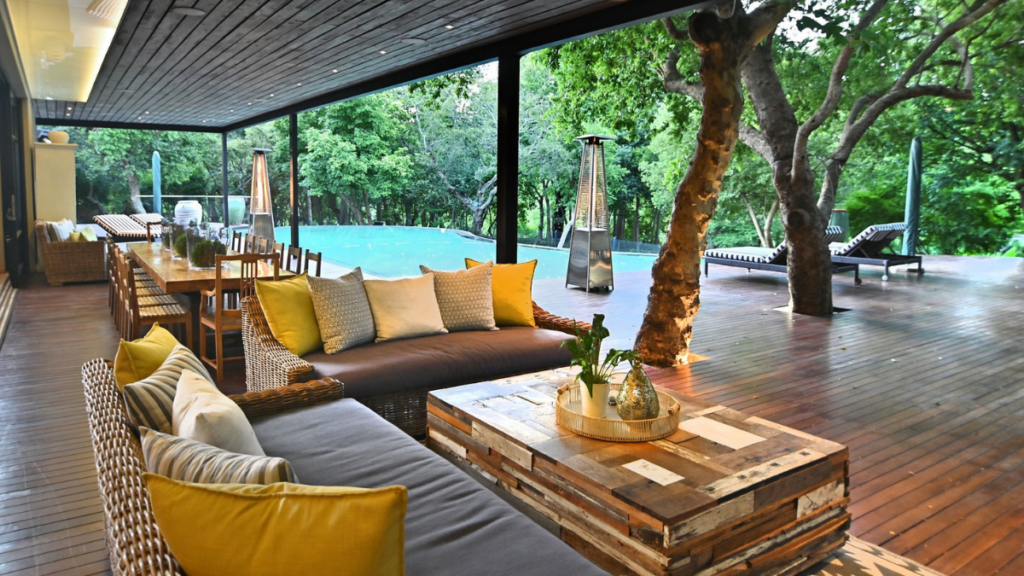
R39 million seven-bedroom house in Blair Atholl



Comments