South Africans are spending millions more to buy these premium properties


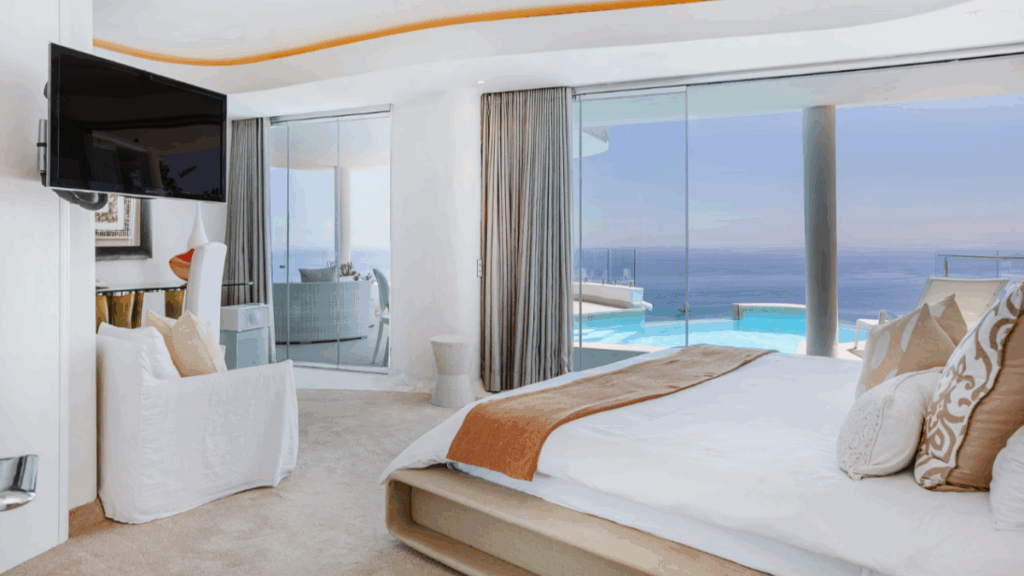
In South Africa’s prime property markets, homes with uninterrupted views consistently command price premiums of 10–20%, attract stronger demand, and hold their value through cycles.
Although great views offer lifestyle benefits for homeowners and tenants, they are also an asset with measurable economic value.
From the Atlantic Seaboard and City Bowl to Umhlanga’s coastline and the Winelands’ ridgelines, homes with compelling views consistently trade at firmer prices and show greater resilience through cycles.
Local data and decades of hedonic pricing research, which isolates the value of a property’s individual features, support this.
“You can upgrade finishes any year you like; you can’t manufacture a mountain or a shoreline,” said the team at Fine & Country Sub-Saharan Africa (SSA). “In our top-performing suburbs, uninterrupted views operate like a permanent competitive advantage.”
Nationally, coastal markets have been rising faster than inland areas. In the Cape, price growth was still running at around 4.8% in 2024.
The Western Cape also posted the lowest residential vacancy rates, a useful proxy for rental demand and pricing power.
On the Atlantic Seaboard, sellers continue to achieve significant prices. Clifton’s average house sale reached R43.9 million in 2024.
The Seaboard has seen a surge in over R20 million transactions and record apartment metrics in 2025, with an average price of around R7.2 million and approximately R170,000 per square metre.
These high prices demonstrate that the best-in-class view stock remains liquid even when broader market conditions soften.
South African hedonic studies have long shown that properties near major environmental amenities, such as water bodies, open space, and protected outlooks, attract substantial premiums.
In case studies around Cape Town’s Zandvlei, they often attract premiums above 10% and up to 20%. The mechanism is the same for unobstructed sea, mountain, lagoon or greenbelt views.
Fine & Country described the outlook phenomenon simply: “Where high-quality views are scarce and protected, value sticks.”
Why outlooks hold value

Outlooks hold value because scarcity is structural, not cyclical. Geography pins prime view stock between hard constraints, such as mountains, oceans, and reserve edges.
Planning frameworks and established built forms restrict densification, which would otherwise erode those outlooks. Scarcity endures over decades; buyer aspirations don’t.
Views also bundle multiple benefits: outlook, light, privacy, perceived safety – for overlooked spaces, and micro-climate advantage, like elevation and exposure. Buyers capitalise these into price, consistently and measurably.
Premium view homes also draw from diverse buyer pools, including local upgraders, semigrants, returning South Africans and international purchasers.
The same demand also shows up in the rental market, where low vacancy rates in Western Cape metros point to sustained willingness to pay for position and outlook.
Even in years when national price growth is modest, the provinces and micro-markets richest in amenity tend to outperform or recover faster. That divergence has been visible again in 2025.
“We see it every cycle,” Fine & Country SSA’s team lead said. “Well-located homes with uninterrupted ocean, mountain, lagoon or golf-course edges remain price-sticky. When the market is cautious, these are the listings that still get shortlisted first.”
For sellers and developers looking to tap into property investments with great outlooks, Fine & Country SSA recommended several factors they should consider.
First, they said that factors such as elevation surveys, HOA design manuals, height-restriction overlays and neighbouring zoning all help demonstrate that the outlook is durable, not discretionary.
They also advised using matched-pair analysis by comparing homes on the same street, with similar size and condition, but with and without a view.
For international buyers, in particular, view-forward photography taken at the best times of day can make a powerful impression.
Lastly, they recommended drawing on rental evidence. Properties with sea or mountain views often achieve stronger rental performance, with lower vacancies and daily rates, making them especially attractive in view-driven markets.
According to Fine & Country, there are also factors that buyers should take into consideration when buying a premium property with a view.
Importantly, they need to look at what can be built between them and the view. They should check cadastral boundaries, neighbouring heights, and any pending applications.
It’s equally important to assess the quality of the view, not just the fact that it exists. The best outlooks are wide-angle, uninterrupted, correctly oriented for light – without glare, and free from major noise intrusion.
Finally, buyers should factor in the view premium. A property with a strong outlook will usually cost more upfront but tends to offer better capital preservation and liquidity over time, especially in coastal markets that have consistently outperformed.
“When we assess premium stock, we underwrite the view the way an analyst underwrites a cashflow: quantify it, prove it’s durable, and price it appropriately. That is how outlooks become not only beautiful, but bankable.”
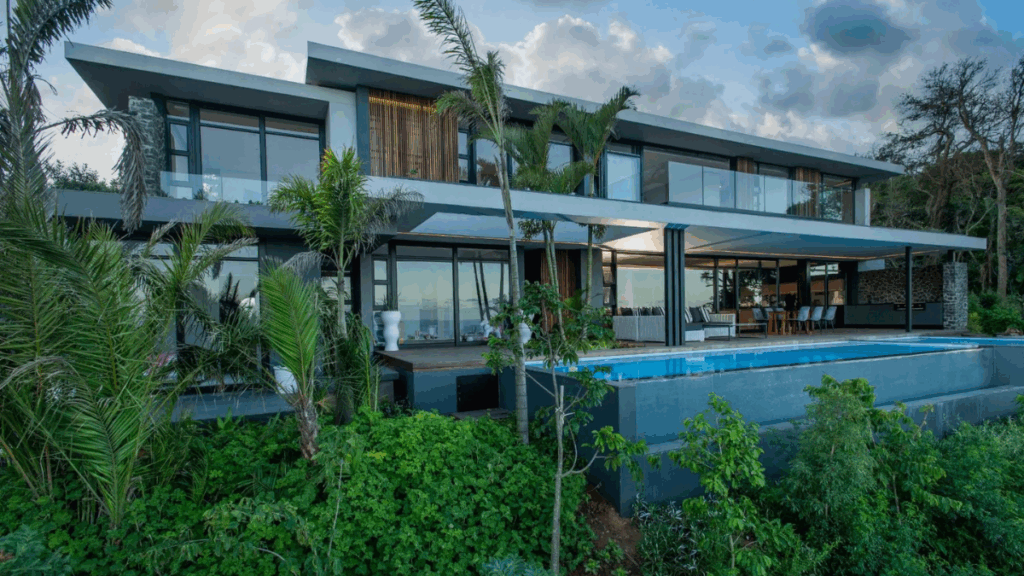
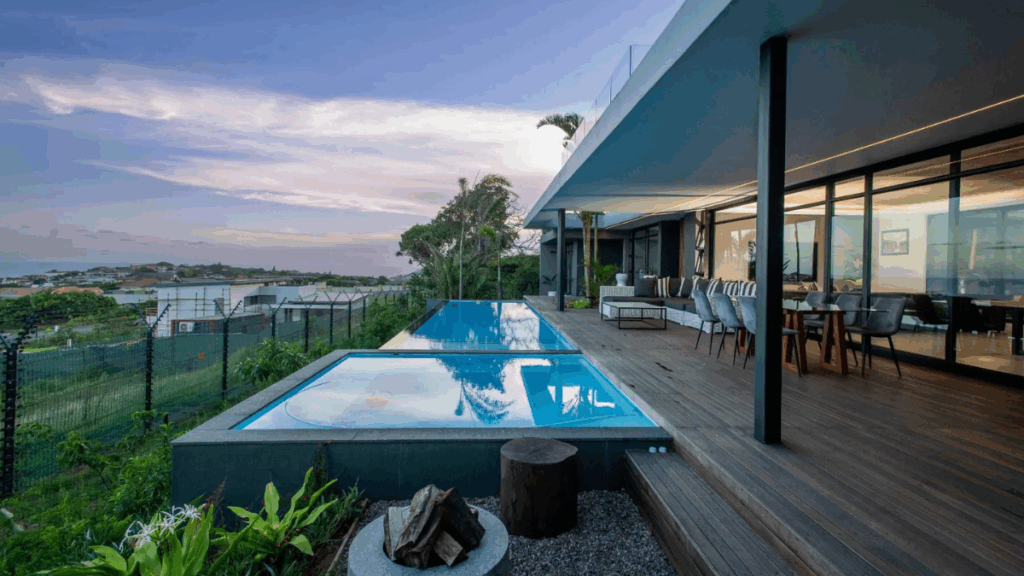
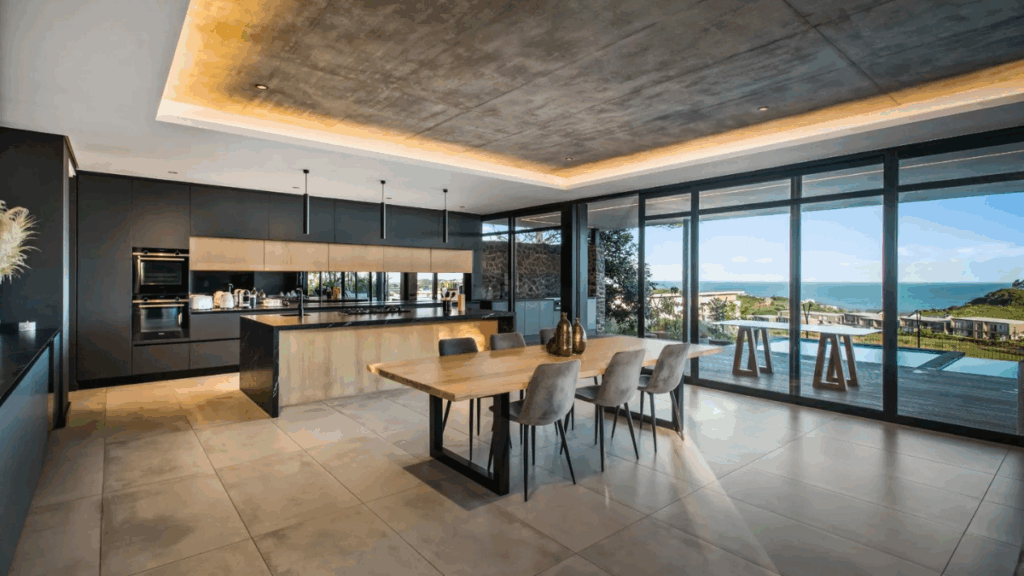
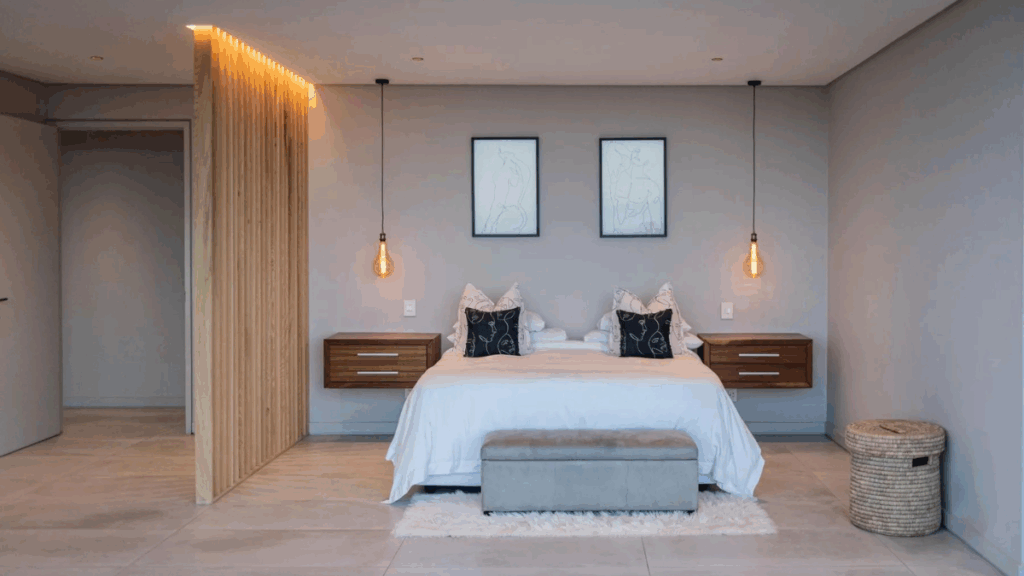
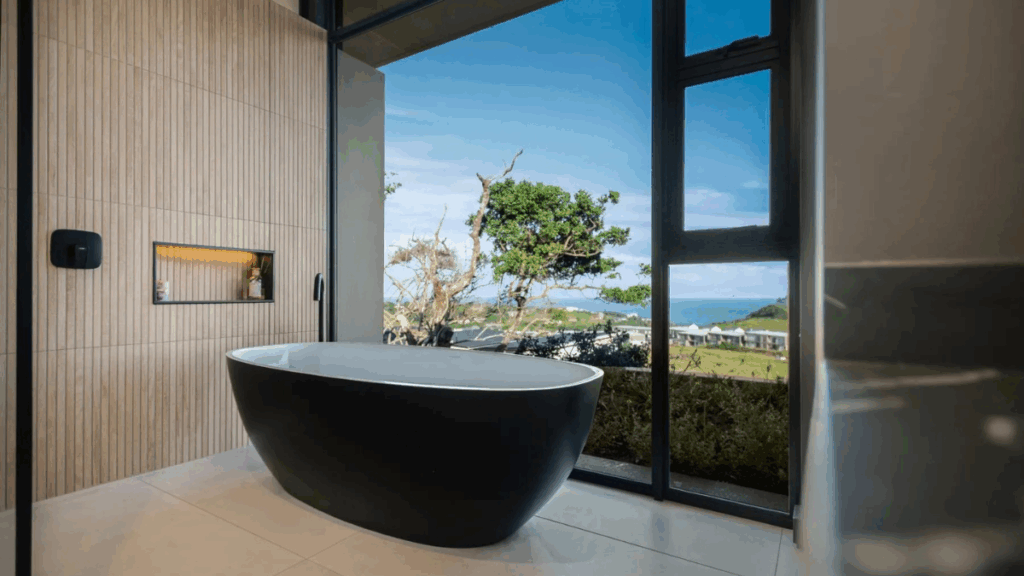
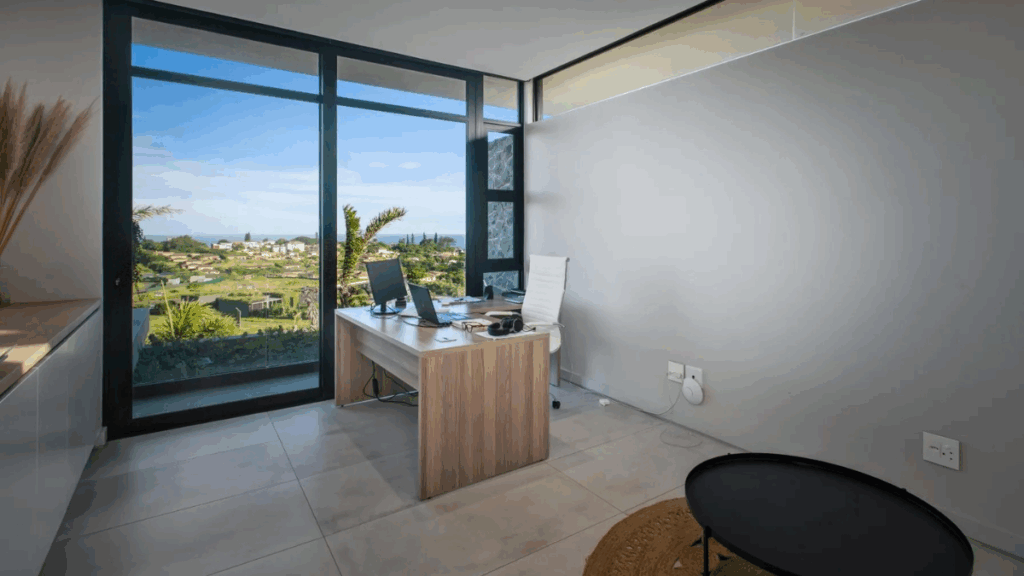
R16 million home for sale in Ballitoville, Kwazulu-Natal
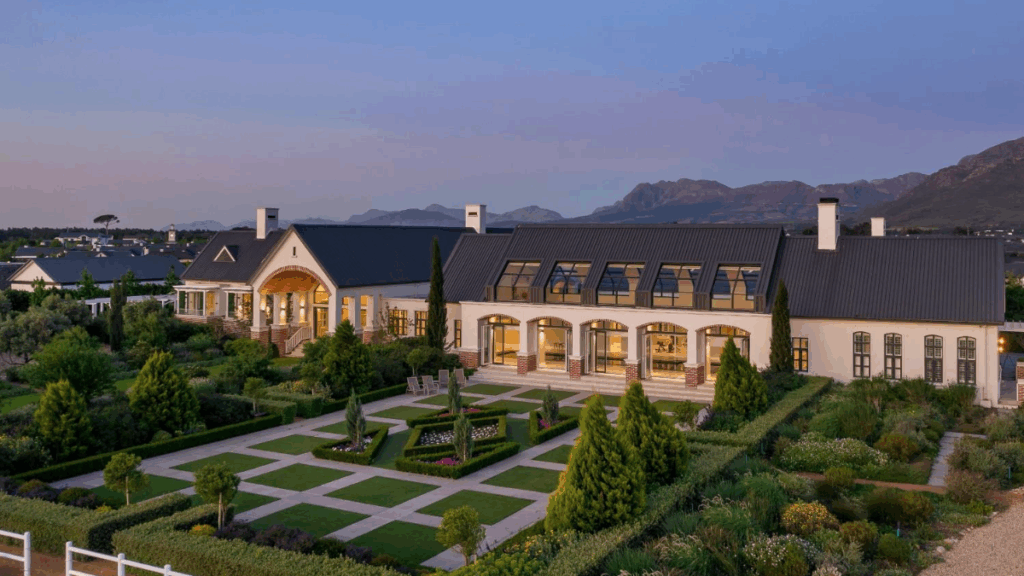
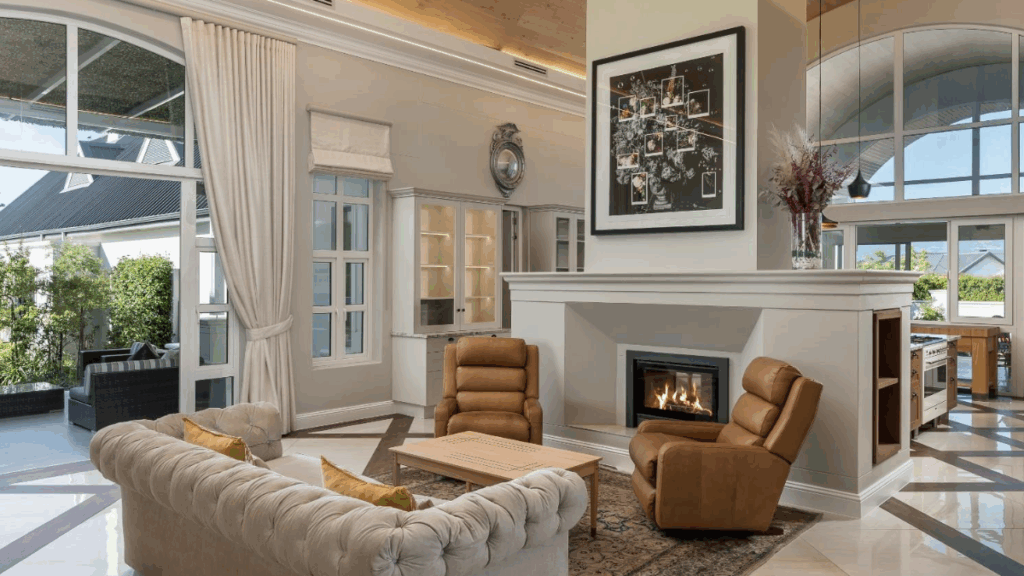
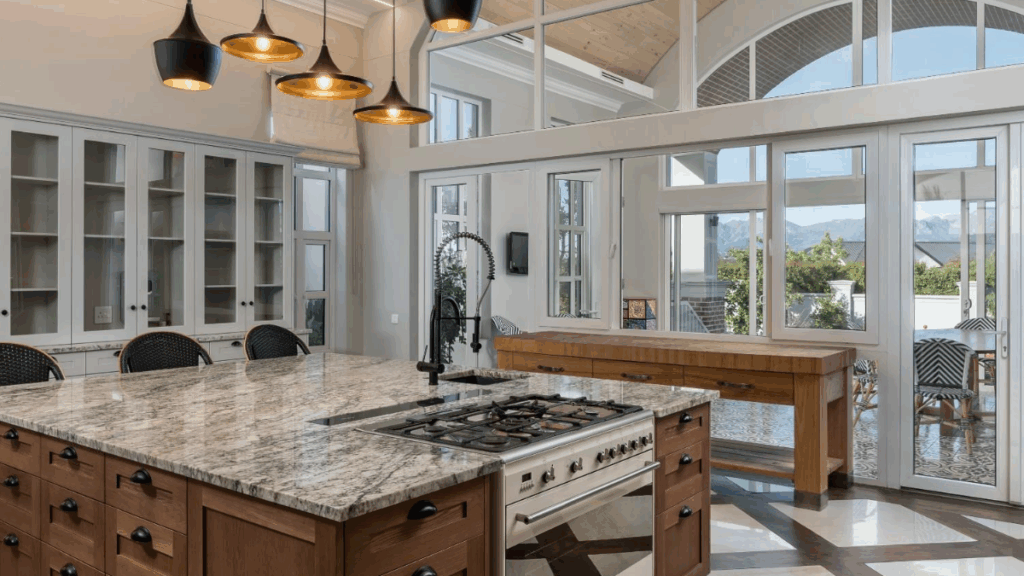
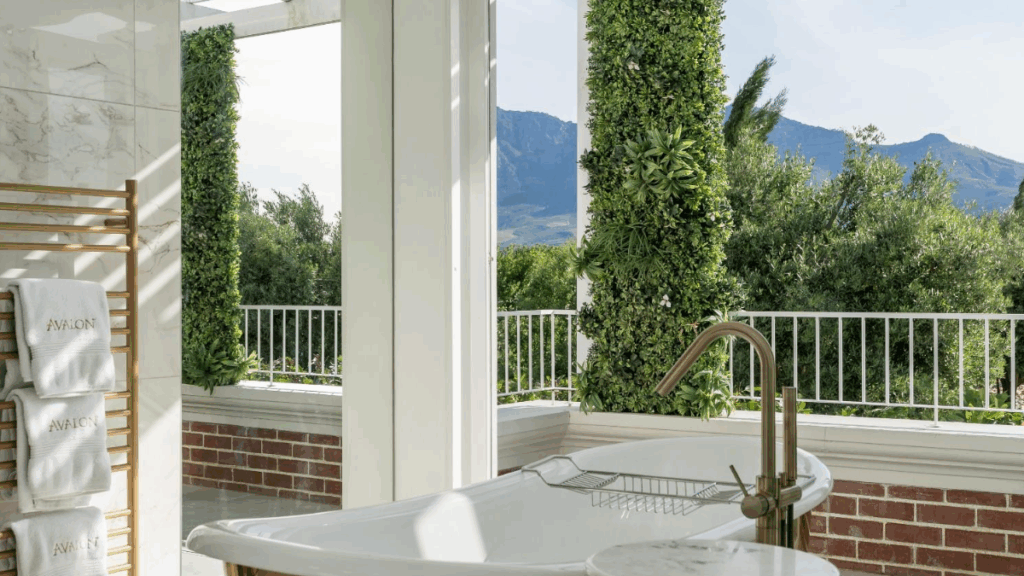
R85 million house for sale in Val de Vie Estate

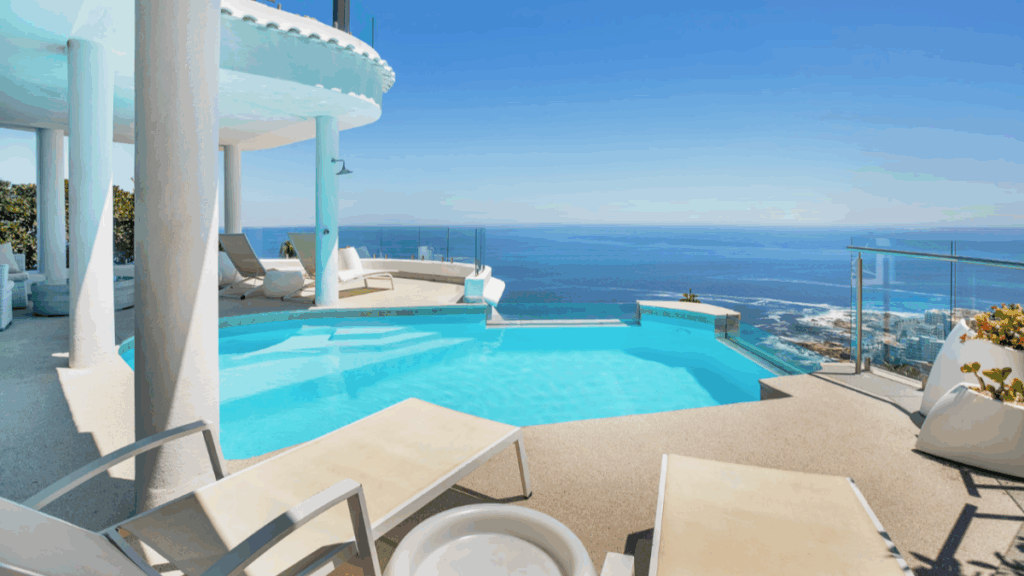
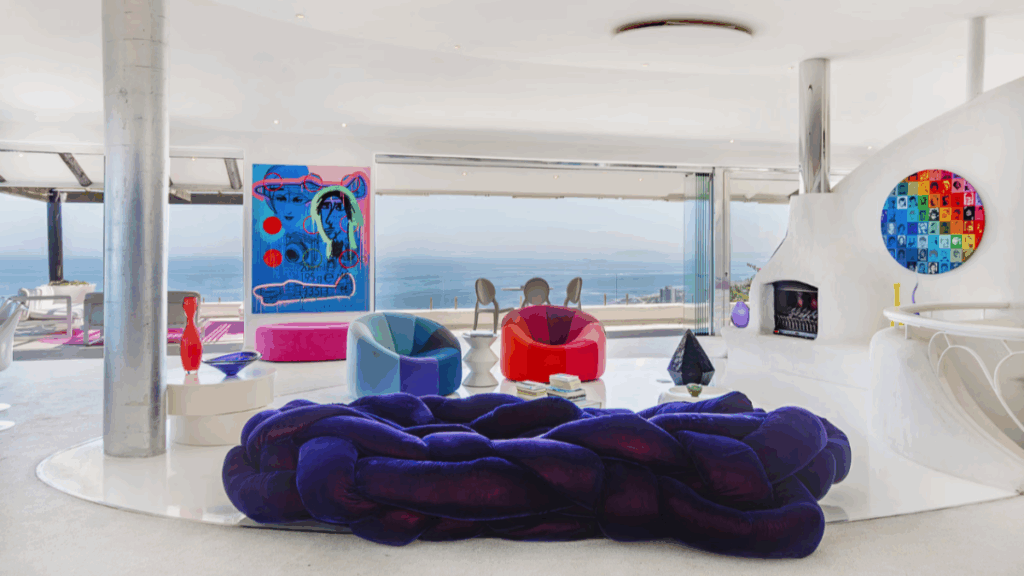
Bantry Bay home sold for R48 million
 Loading ...




Comments