South Africa’s hidden ultra-luxury goldmine


South Africa’s luxury tourism sector, driven by ultra-high-net-worth individuals, has the potential to rival global destinations, boost GDP, create hundreds of thousands of jobs, and position the country as a world leader in premium travel.
Roxy Robinson, founder and director of Roxstar Global Consulting and Roxstar Luxury Travel, explained that South Africa’s luxury tourism sector holds the key to unlocking unprecedented economic growth and global prestige.
“Luxury inbound tourism is not a niche indulgence – it’s an untapped economic goldmine,” Robinson said.
“South Africa has all the right ingredients to rival destinations like the Maldives, Dubai, and St. Barths, and with the right strategy, this sector could transform our tourism economy.”
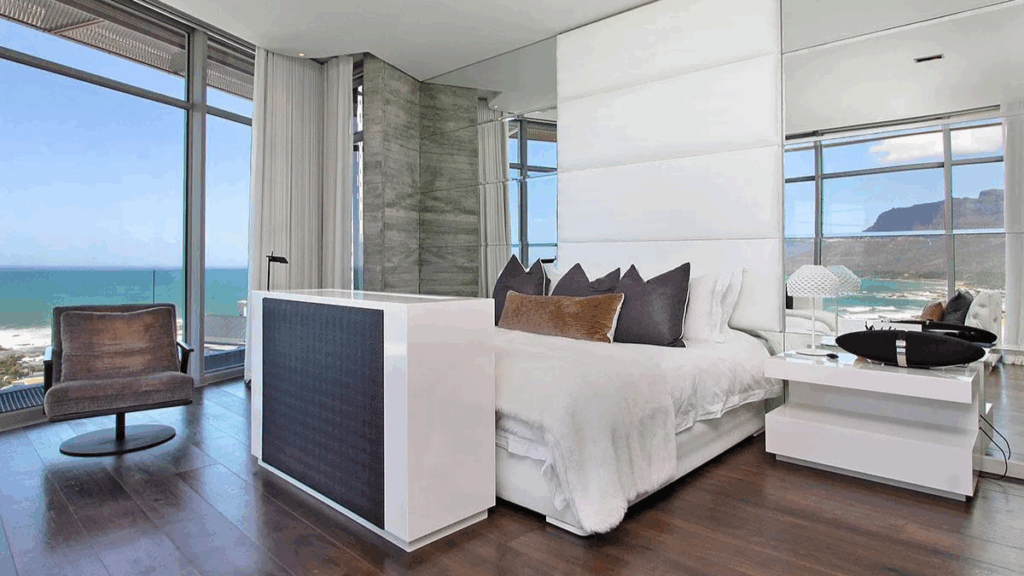
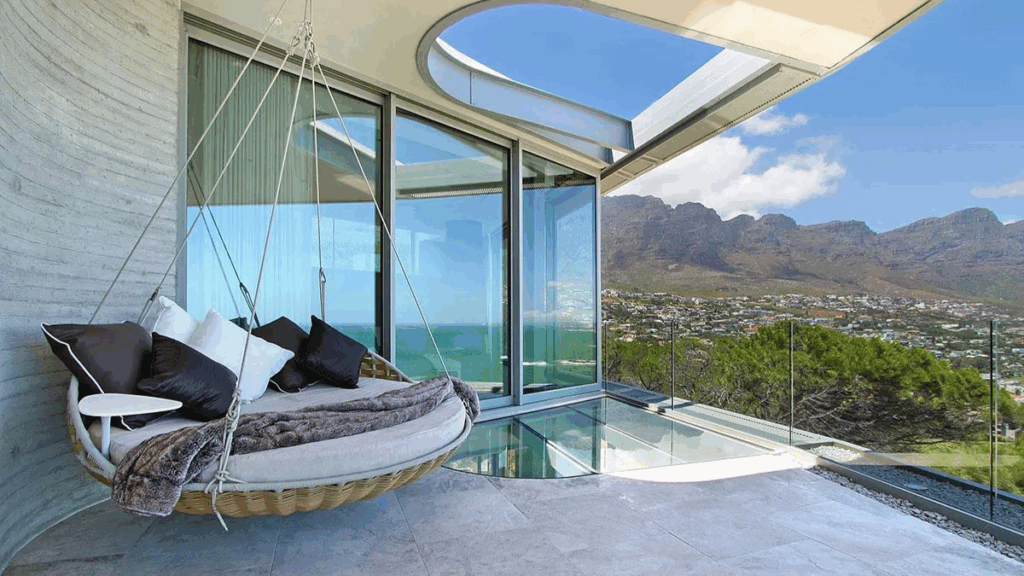
Each year, more than 100 high-end luxury villas in Cape Town are booked by ultra-high-net-worth individuals (UHNWI) who fly in for exclusivity, privacy, and world-class services.
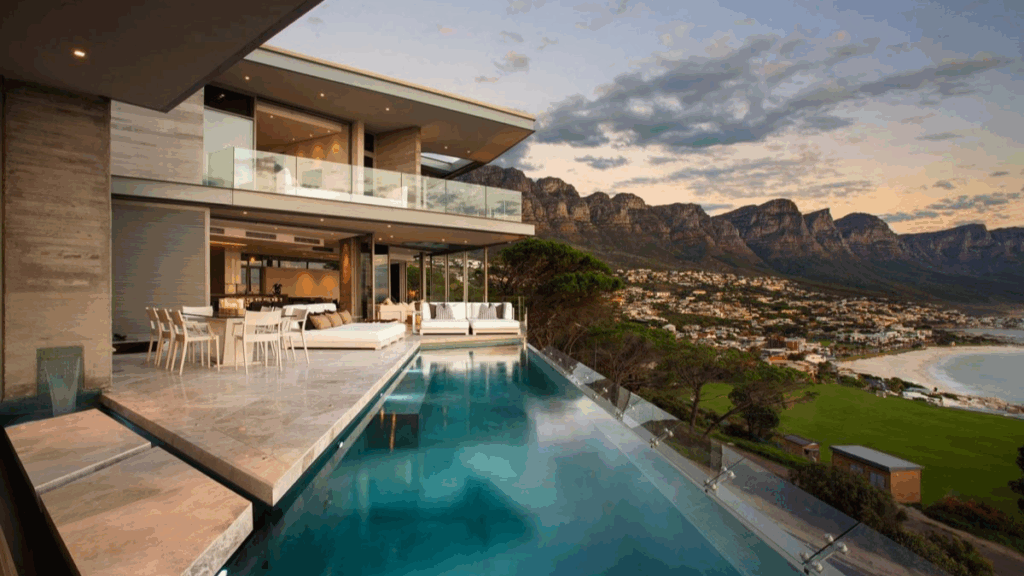
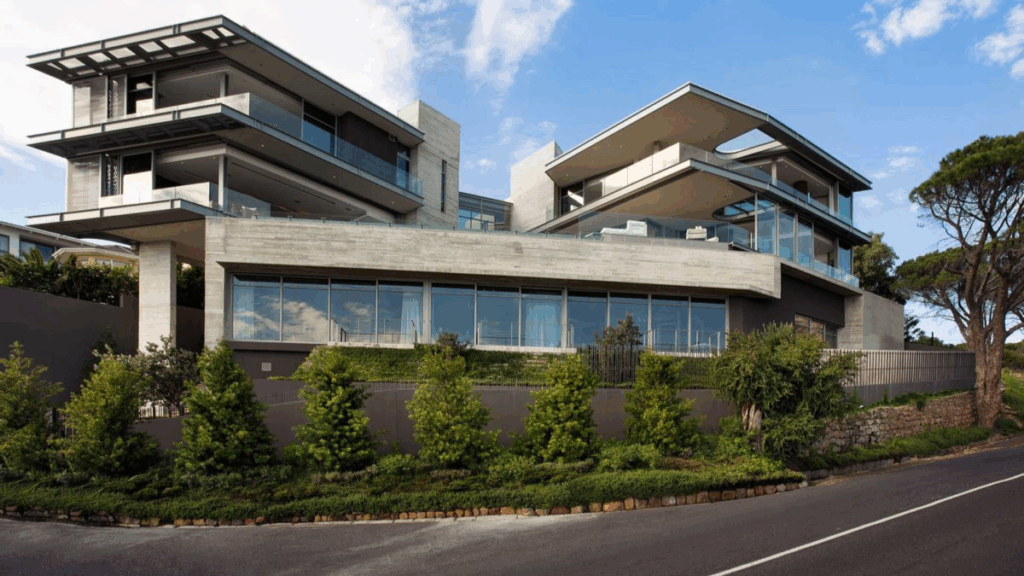
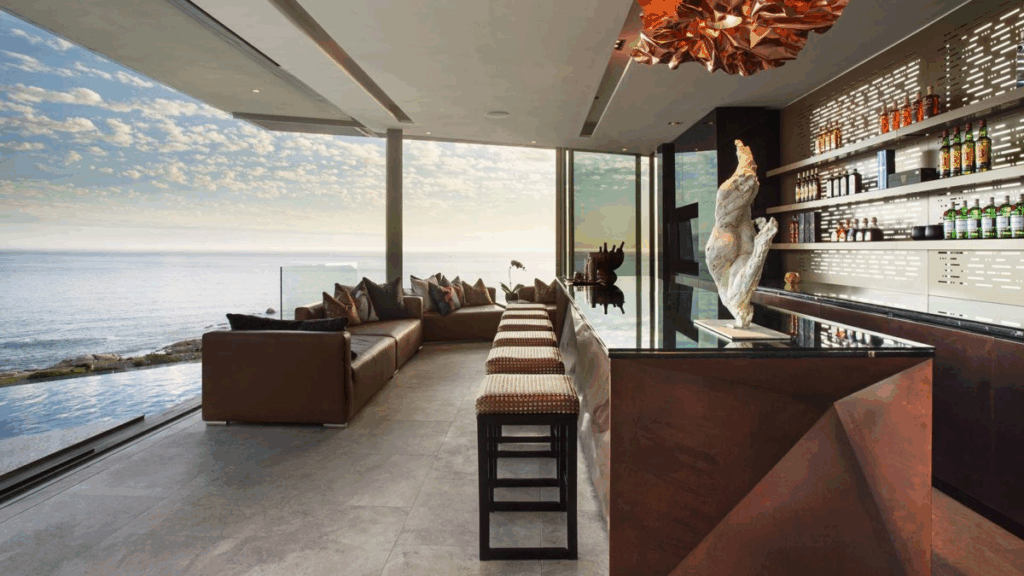
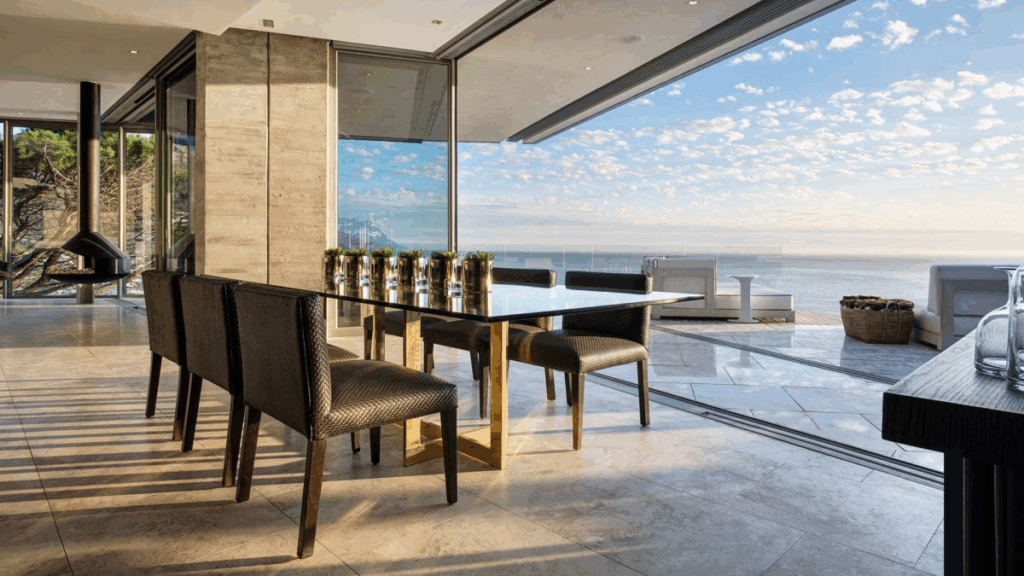
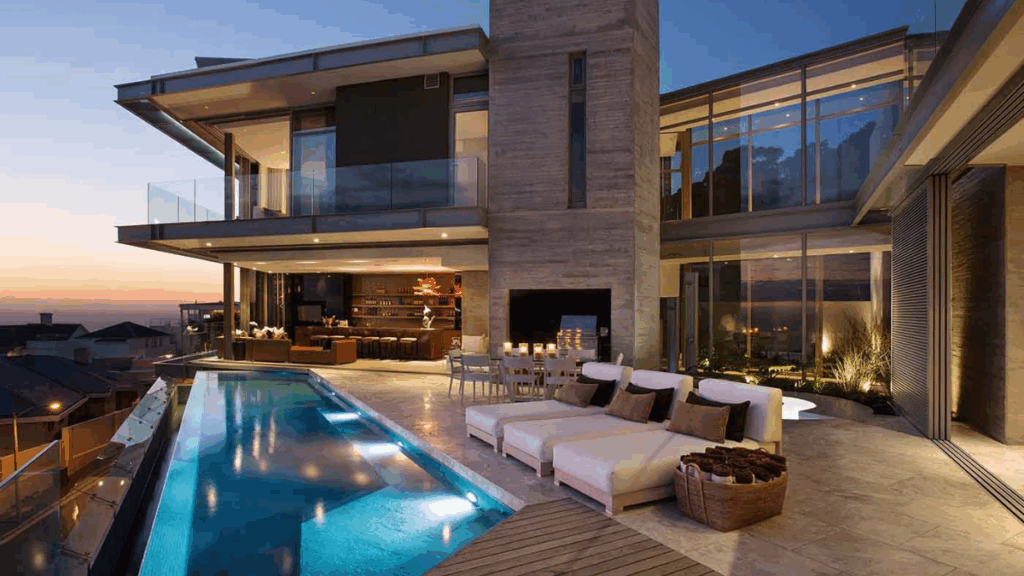
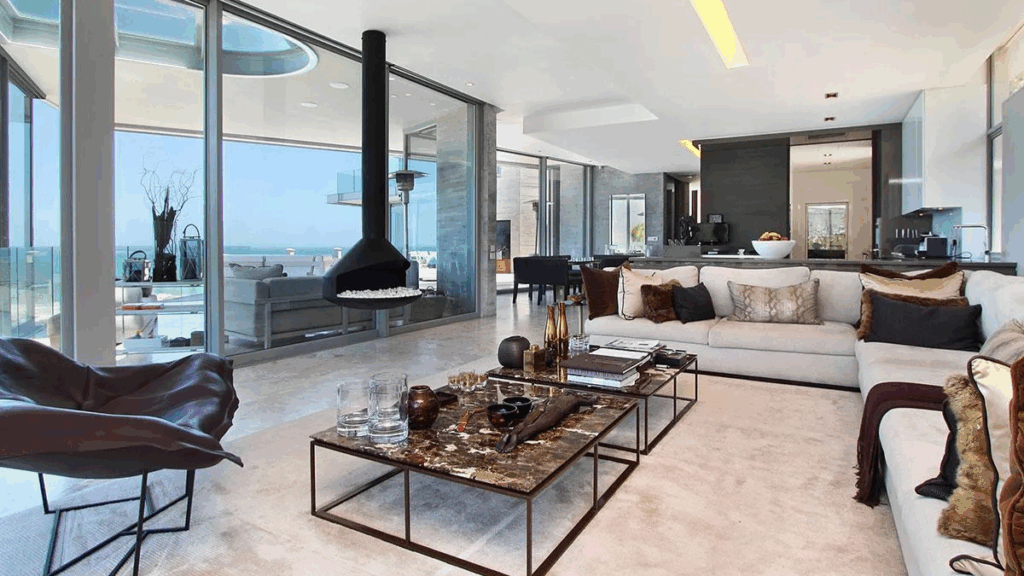
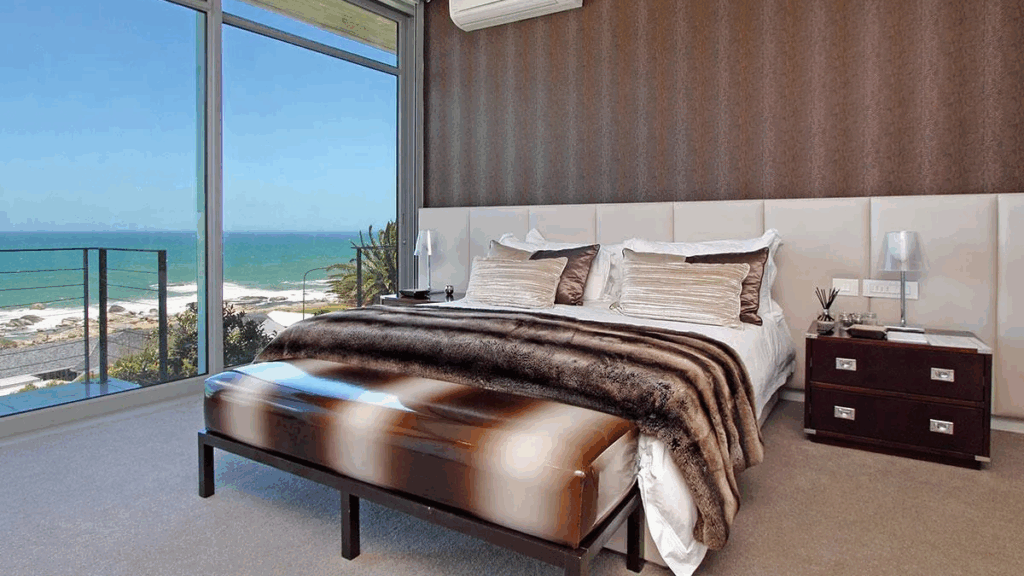
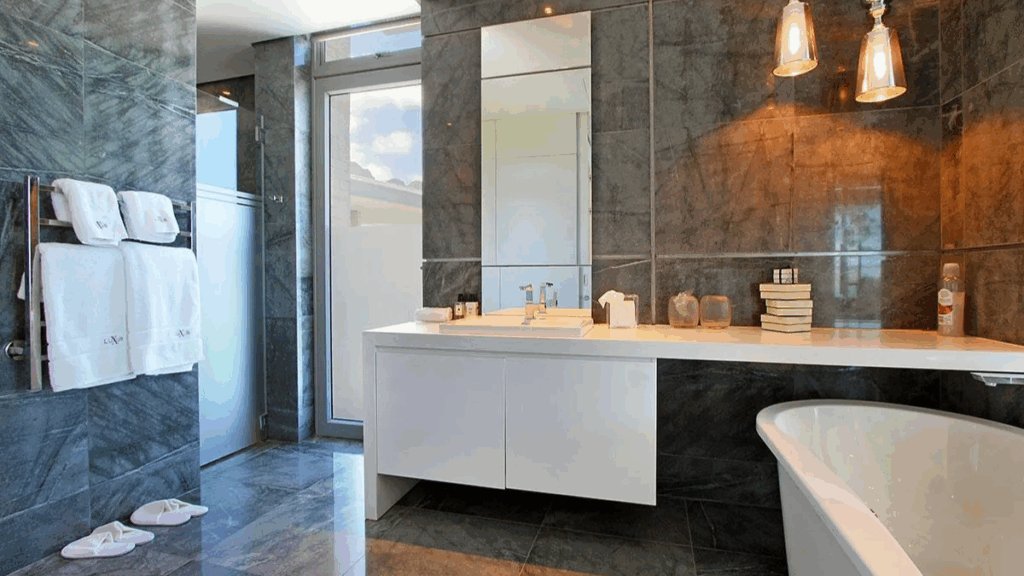
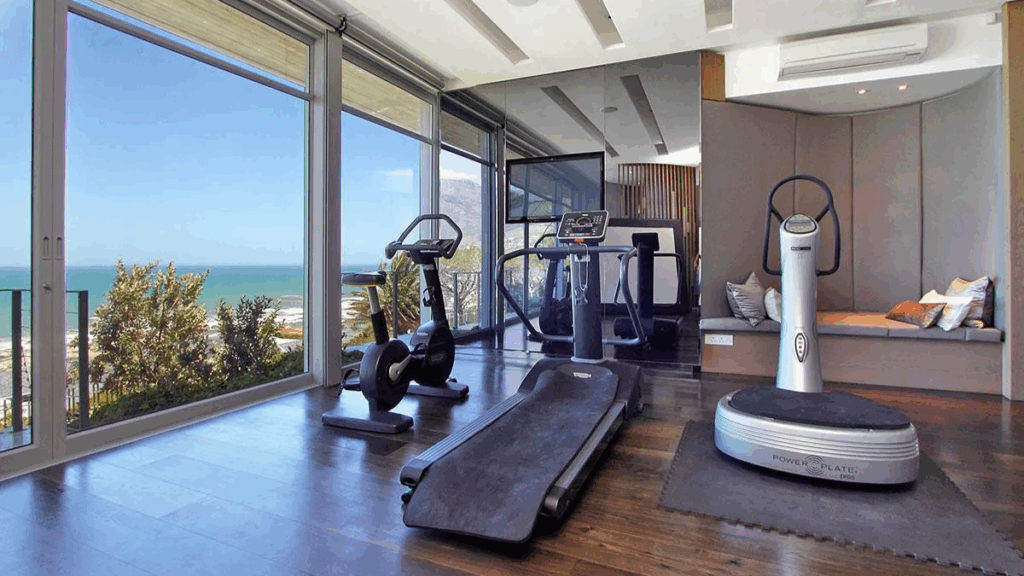
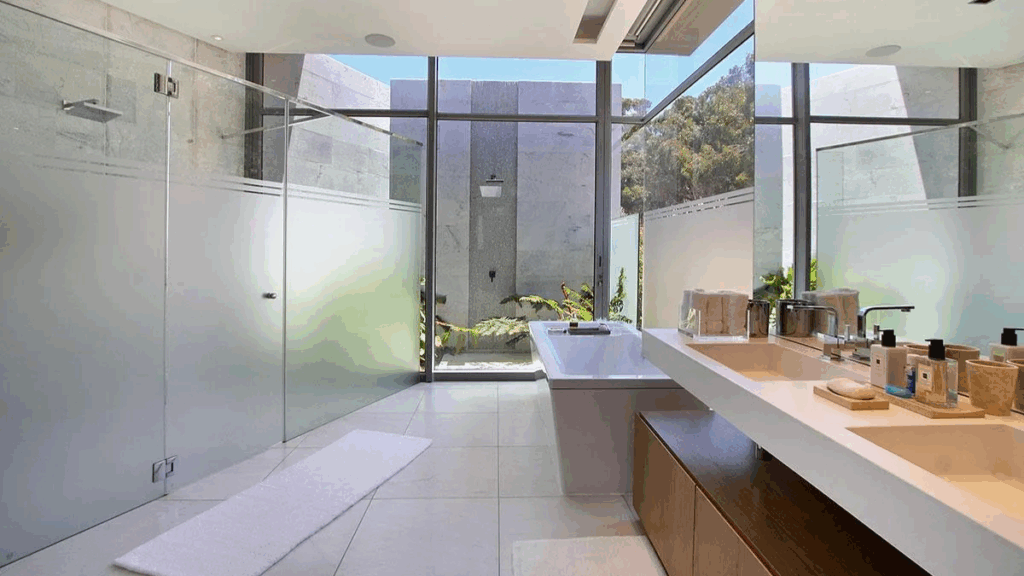
Some even have annual commitments to visit South Africa, and tend to arrive by private jet for New Year’s Eve events in Clifton villas, such as the Luxus Villa. This underscores the scale of opportunity already at play, Robinson said.
According to Fortune Business Insights, the global luxury travel market will surpass $2.72 trillion (R48.13 trillion) in 2025, growing at a CAGR of 8.56% to nearly $4.83 trillion (R85.46 trillion) by 2032.
In parallel, Global Growth Insights estimated that luxury safari tourism alone will reach $1.575 billion (R27.87) in 2025 and rise to $2.894 billion (R51.21 billion) by 2033. For South Africa, these figures translate into real impact.
The latest market analysis projects that luxury and niche tourism growth could increase the sector’s contribution to GDP to 10.8% by 2034, creating over 720,000 new jobs in the process.
New gold rush

According to Robinson, South Africa’s unique competitive edge lies in its fusion of concierge-level service, authentic culture, and sustainability.
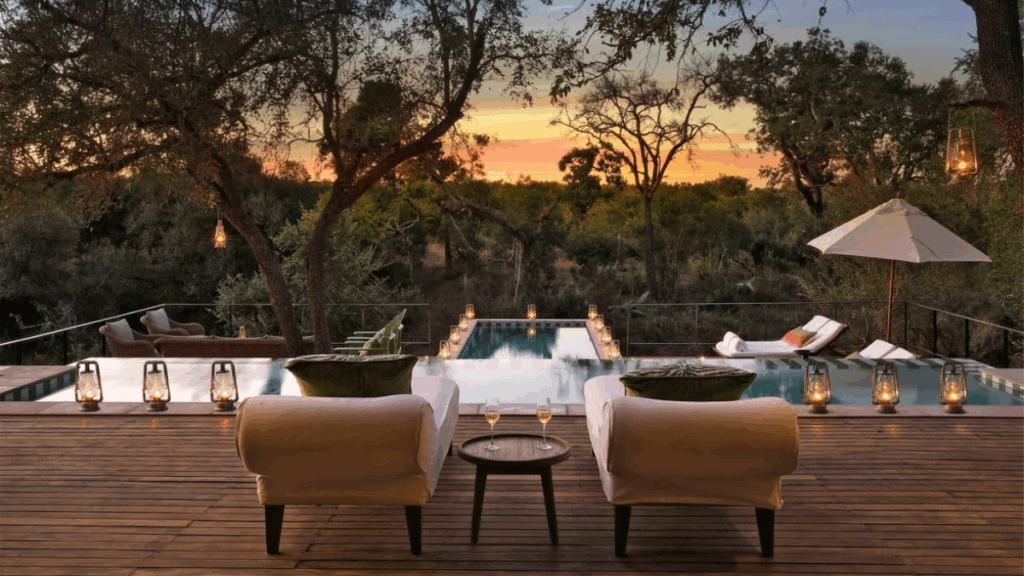
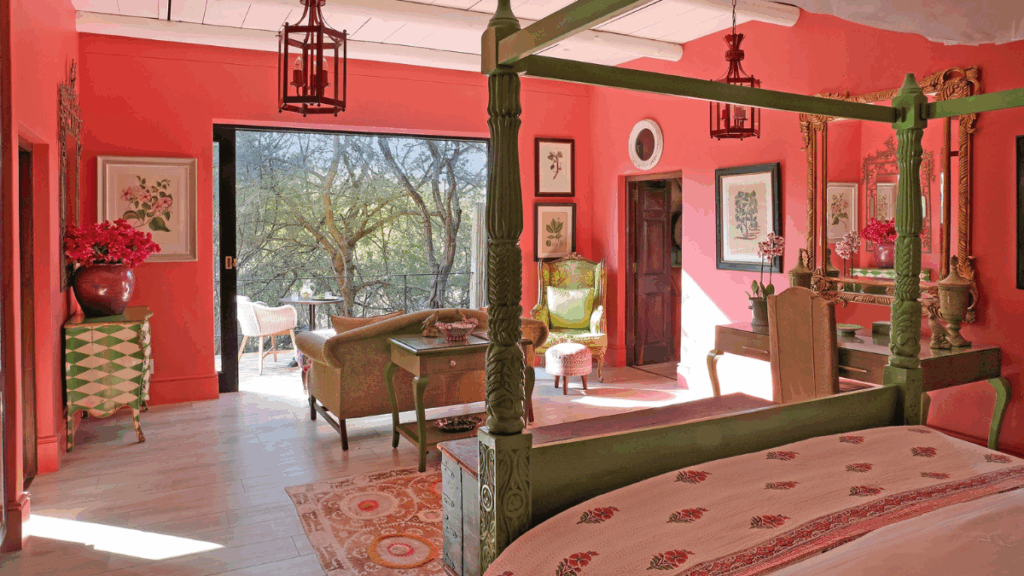
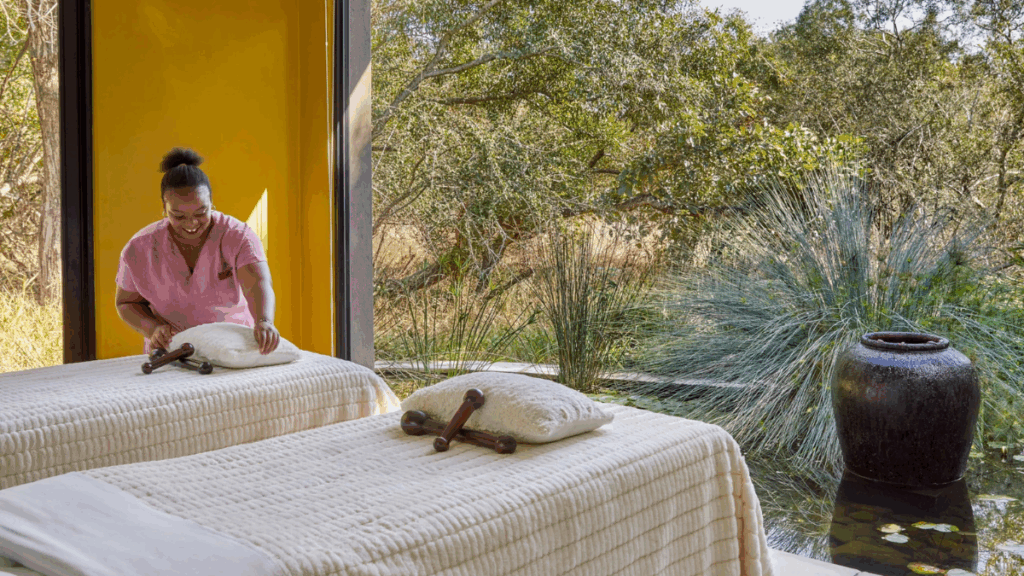
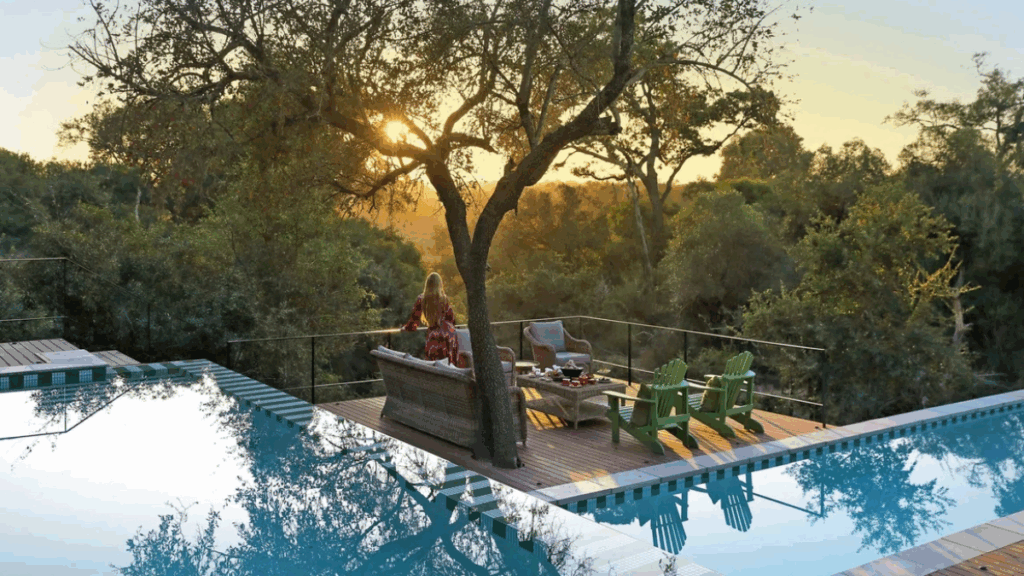
High-touch private hospitality – from chef-led villa dining to curated wine, art and private game lodges of the likes of the Singita Group – all provide the kind of transformative experiences increasingly sought by the world’s wealthiest travellers.
She also pointed out that South Africa’s culinary capital is a major drawcard. In 2025, Cape Town restaurants La Colombe, FYN, and Salsify at the Roundhouse featured on the World’s 50 Best Restaurants extended list.
The country was also named Africa’s Best Culinary Destination at the World Culinary Awards as recently as 2024.
According to research done by South Africa Wine in 2022, wine tourism contributed R9.3 billion to South Africa’s GDP. It also formed 17.3% of total winery turnover and generated employment for up to 40,000 people, depending on the season.
“When global recognition shines on our chefs, vineyards, lodges, and villas, it elevates South Africa’s place in the luxury travel map. For ultra-high-net-worth travellers, these are powerful signals of quality and prestige,” she said.
Robinson argued that luxury tourism should be positioned as a cornerstone of South Africa’s long-term economic future.
By enhancing visa accessibility, investing in sustainable, high-end lodges, and marketing the country’s blend of luxury and authenticity, South Africa can claim its rightful place as a global leader in premium travel.
“UHNWI tourism has the potential to be South Africa’s new gold rush. It is time we mine this opportunity with the same focus and urgency we apply to any other strategic industry. The return – in jobs, growth, and global influence – will be extraordinary,” she said.
“The fact that we are just a stone’s throw away from island experiences like the Seychelles and Mauritius simply offers ultra-high-net-worth individuals a host of experiences they simply do not want to miss.”
Luxury tourism remains underserved

Earlier this year, Tshifhiwa Tshivhengwa, CEO of the Tourism Business Council of South Africa (TBCSA), told Daily Investor that although there are excellent opportunities for luxury tourism in the country, the market remains underserved.
“Luxury tourism has a long-standing presence in South Africa,” Tshivhengwa said. “Cape “Town is already home to many luxury properties, and even regions like the Eastern Cape have high-end lodges and boutique hotels along the coast.”
“If you consider safari destinations like the Kruger National Park and private game reserves, many of these properties are five-star or ultra-luxury. So the market is well-established and generally healthy.”
While there are luxury resorts and hotels in South Africa, Tshivhengwa stressed that the market remains underserved.
“There’s strong demand, and it’s clear that even if we build more luxury properties, they would be absorbed by the market,” he said.
“We have the foundation, but there’s still space for growth, especially if we continue to improve the overall tourism offering.”
South Africa’s favourable exchange rate makes it very appealing to international travellers, who can afford five-star hotels.
“But importantly, we also have a growing domestic market. South Africa’s middle class is expanding and seeking luxury travel experiences. There’s clearly room for more luxury developments, especially along our coastlines.”
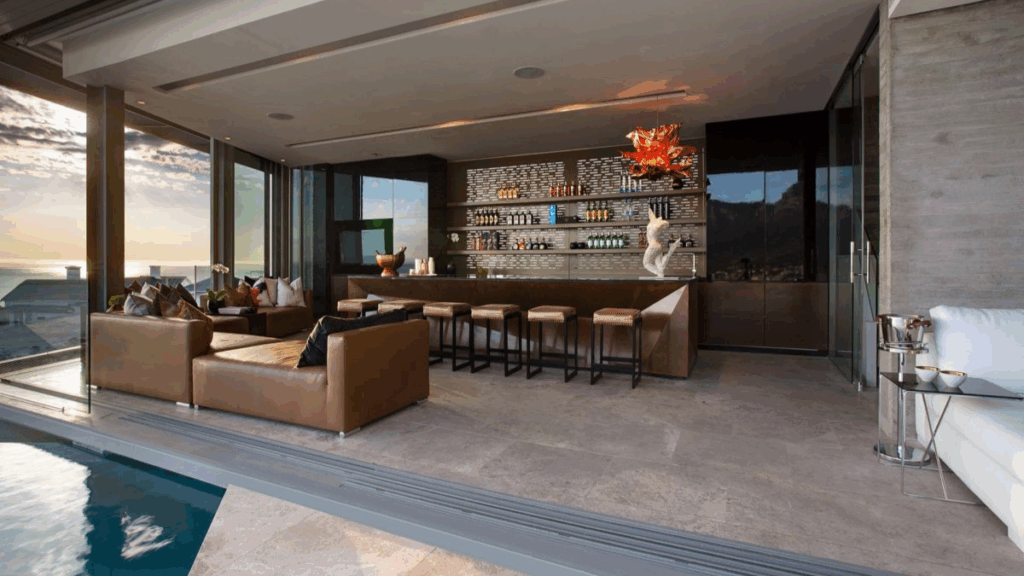
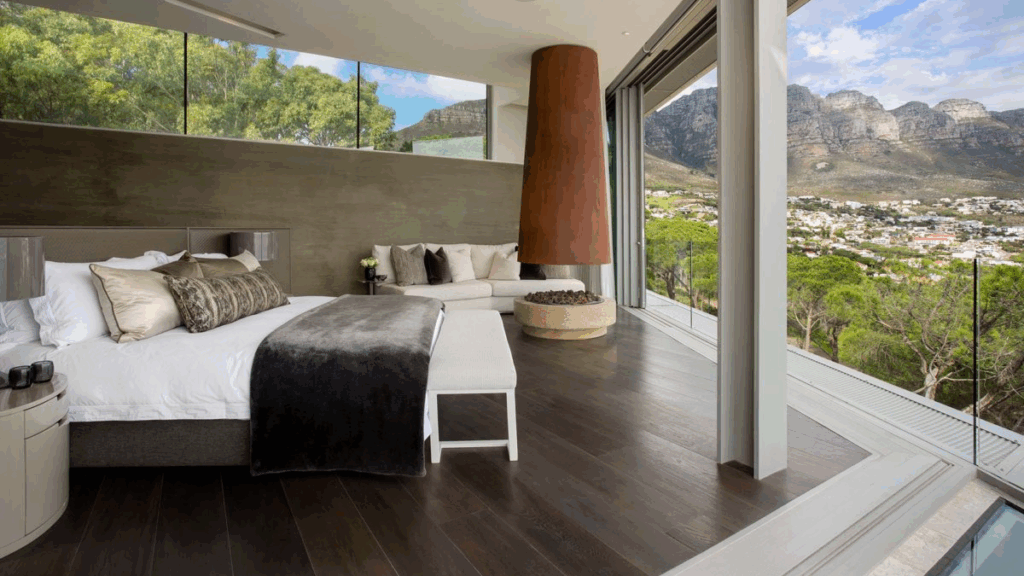
Luxus Villa
Located in Clifton, Cape Town, Luxus Villa has five bedrooms and goes for R55,000 to R185,000 per night.
Africa House
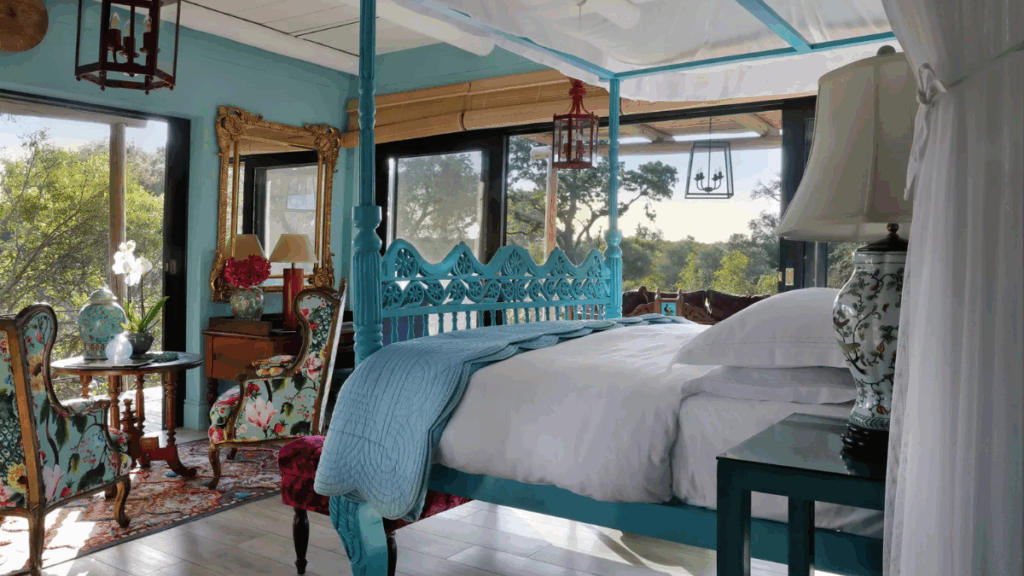
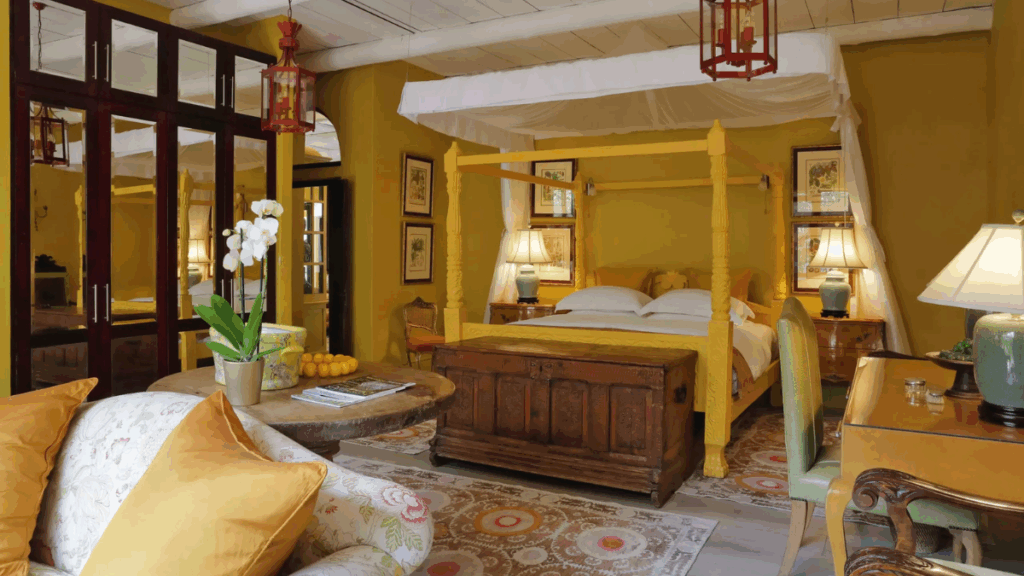
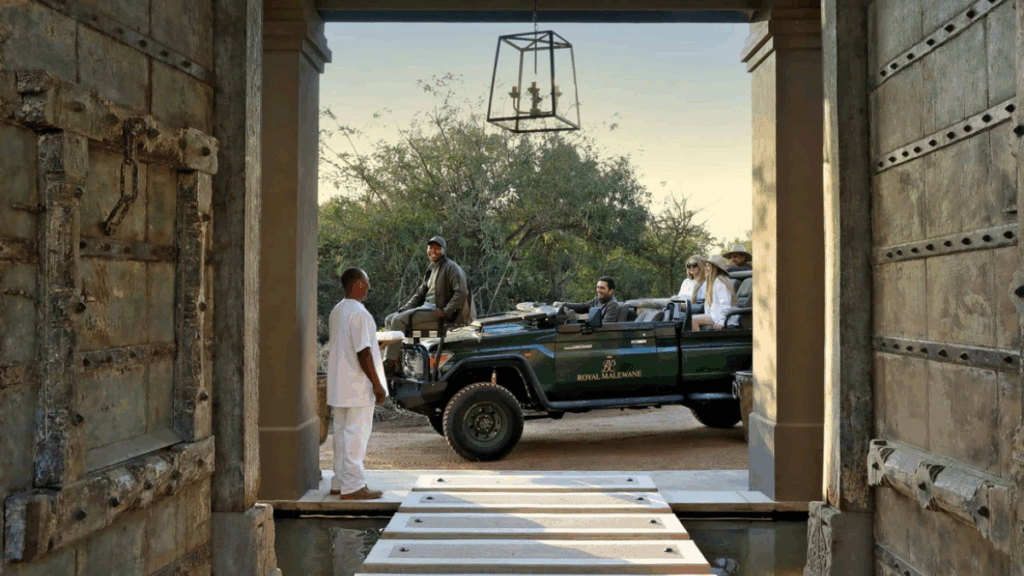
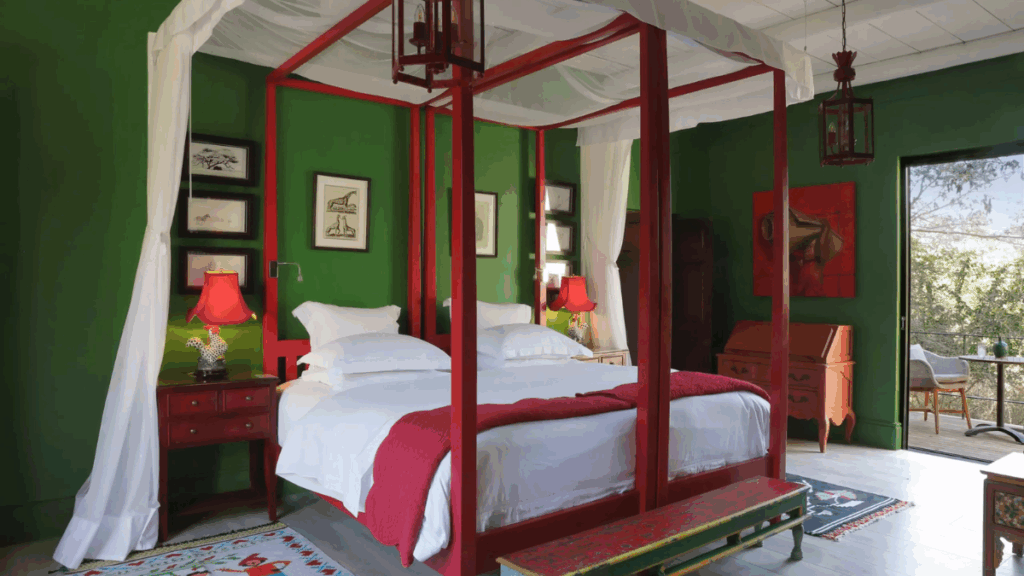
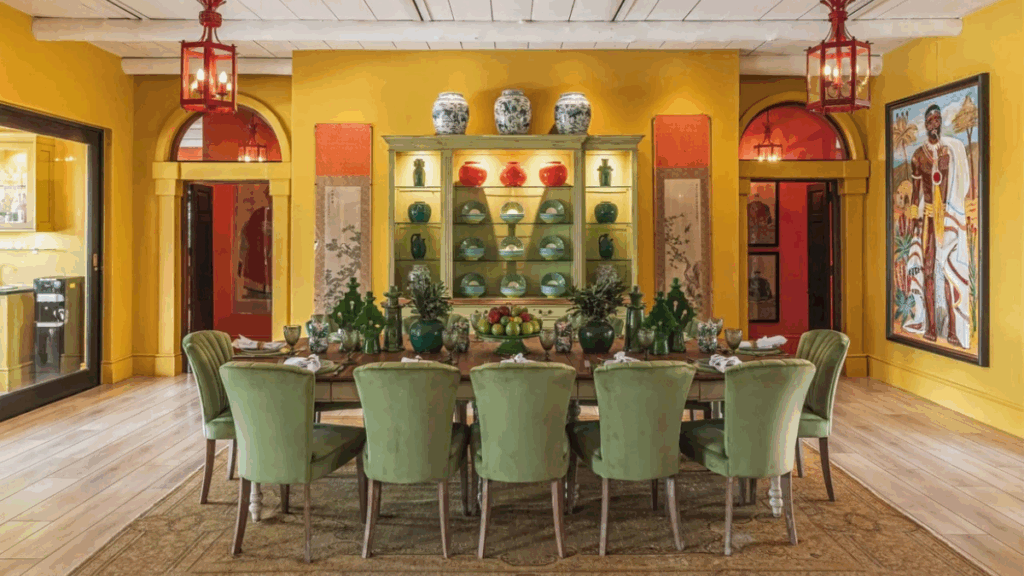
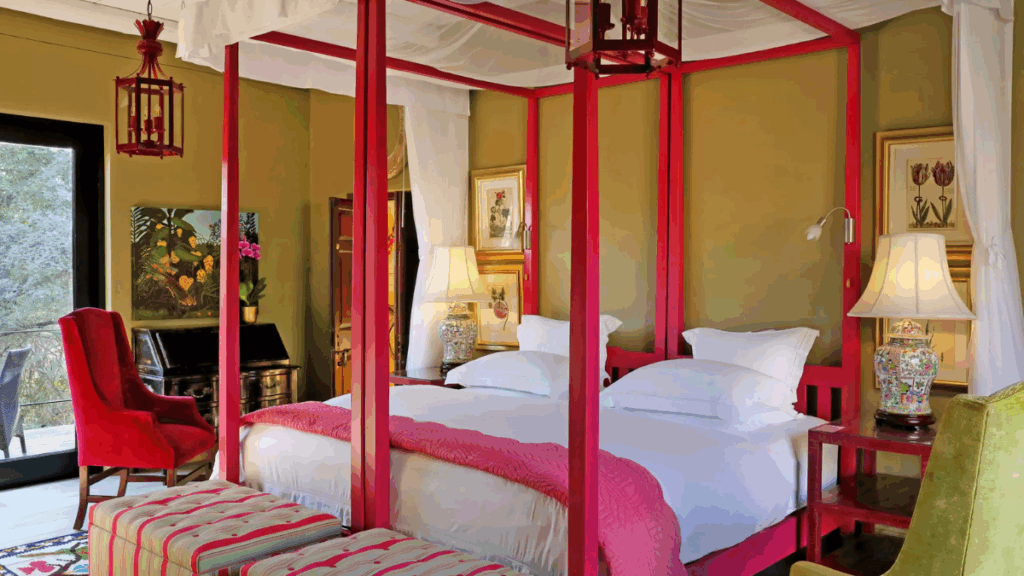
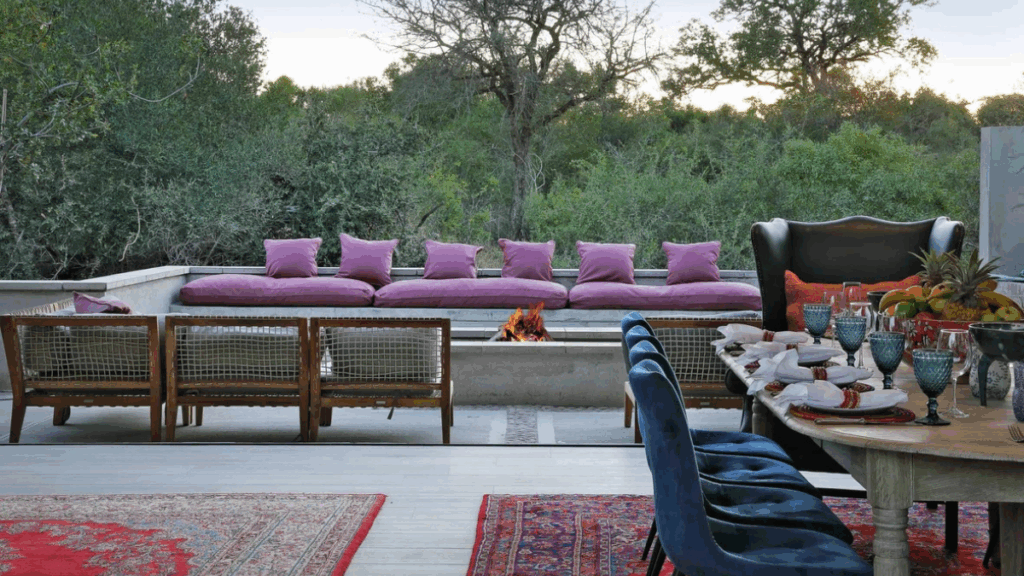
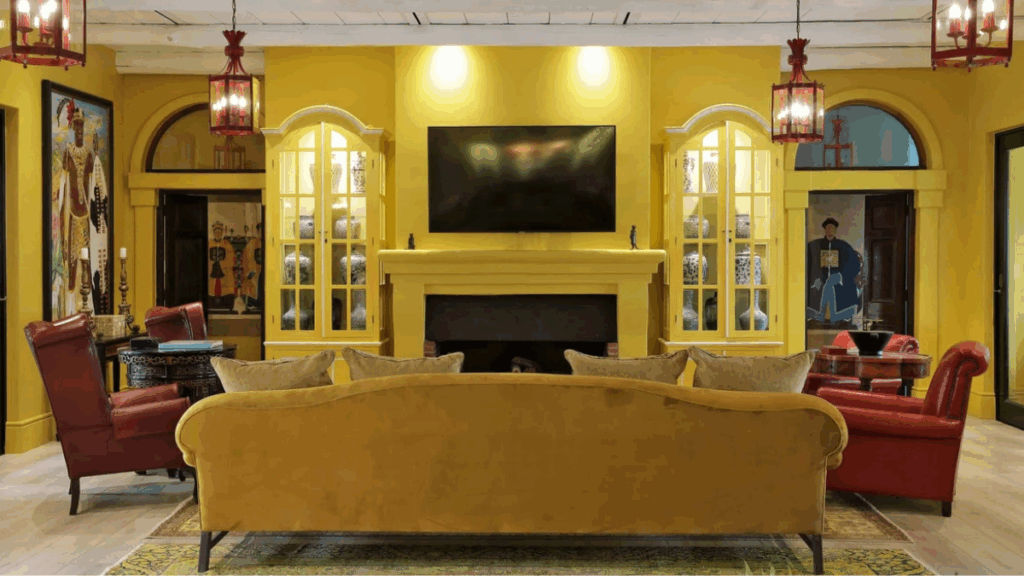
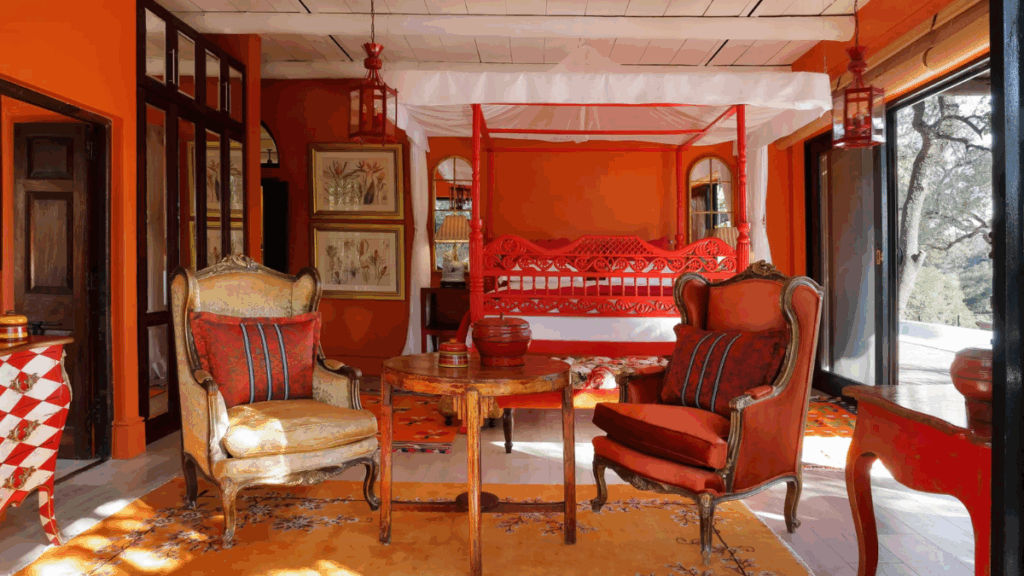
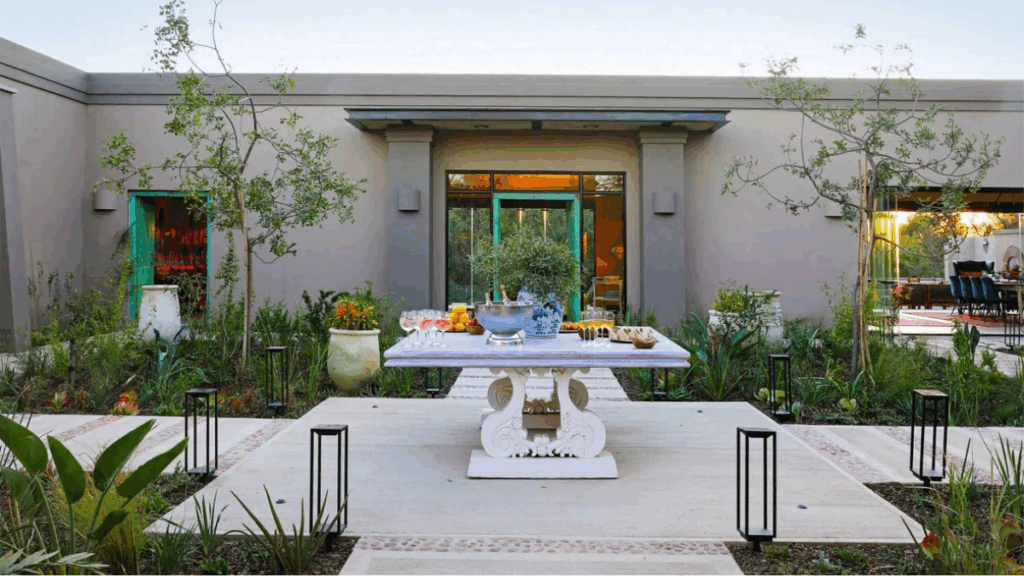
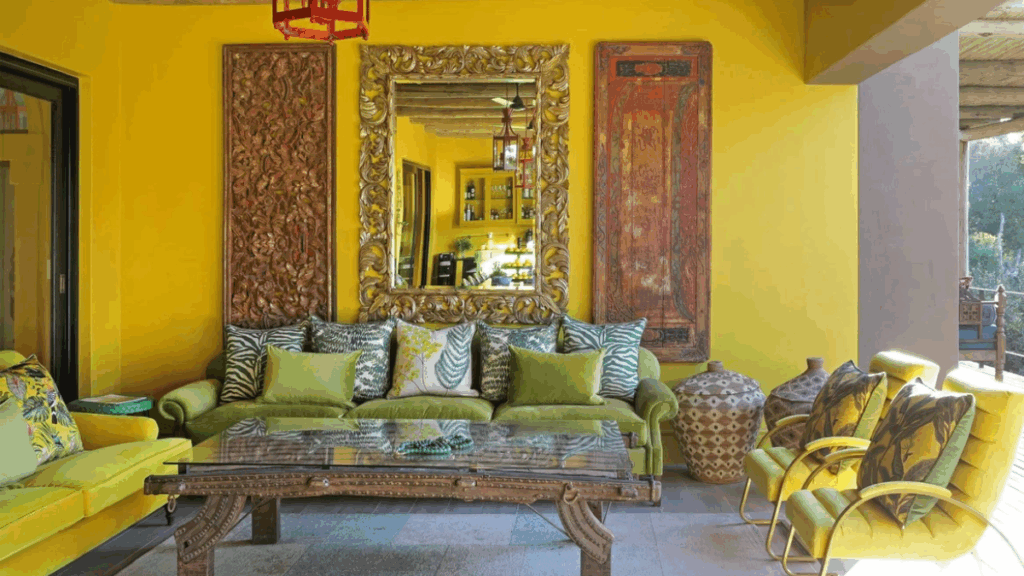
Royal Malewane’s Africa house is a 12-sleeper villa in the Greater Kruger, with prices from R439,000 to R614,000 per night.






Comments