The once-abandoned mine in South Africa now worth billions thanks to Donald Trump


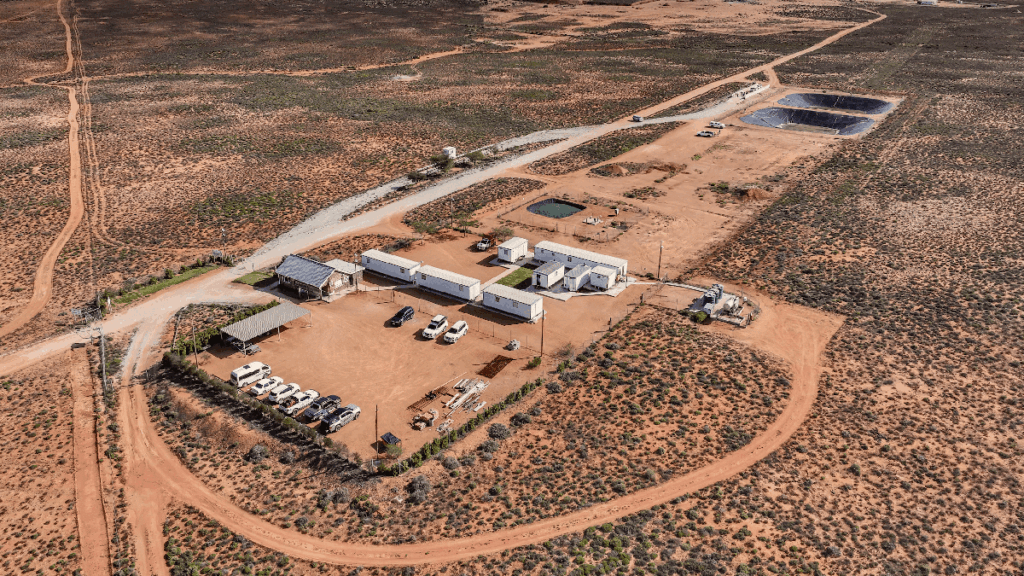
The once-abandoned mine of Steenkampskraal sits on one of the world’s richest deposits of rare earths, which are becoming an increasingly important part of global supply chains and a geopolitical flashpoint.
This deposit could give South Africa significant leverage with the United States and others in a potential trade deal, with the world’s largest economy looking to reduce its reliance on China for its supply of rare earths.
China currently accounts for around 61% of global rare earth extraction and 92% of processing, a near-monopoly that gives it significant influence over global markets and supply chains.
The United States recently sealed a deal with Australia to invest in mining rare earths in the island nation and is rapidly developing technologies to extract the chemical elements from mines in mainland America.
While much focus is on developing new mines, South Africa is sitting on one of the richest deposits, which already has mining infrastructure.
Operated by Anglo American from 1952 to 1963, the Steenkampskraal Monazite Mine has an estimated resource of 69,400 tonnes of total rare earth oxides (TREO) with resource expansion potential to substantially increase this.
Modern Corporate Solutions mining analyst Peter Major told BizNews that this deposit is one of the highest-grade rare earth deposits in the world.
Major explained that rare earths are actually not that rare. Rather, they are considered rare simply because they are not used in large volumes and therefore are not mined in significant quantities.
They are also notoriously expensive and difficult to process and refine, as they tend to come clumped together or attached to other mineral ores.
This is what has enabled China to develop a near-monopoly on rare earth production that United States President Donald Trump is trying to break.
China was the only country willing to invest heavily in processing rare earths, which is expensive, resource-intensive, and environmentally destructive.
When rare earths seemed relatively unimportant 30 years ago, this left China as effectively the only player in the market. This stranglehold is something Trump wants to break.
The difficulty in extracting and processing rare earths is also what makes Steenkampskraal so unique, in that its deposits are extremely high-grade and relatively easy to mine.
The processing, however, remains difficult, with more modern benefication methods making this process increasingly efficient.
“There are specific deposits of rare earths around the world. We have the most famous one in Steenkampskraal,” Major said.
“They [TREO] actually average around 20% of the total ore removed. That is on the level of what is expected from a gold mine producing roughly 90 grammes of gold per tonne. That is how rich Steenkampskraal is.”
Steenkampskraal
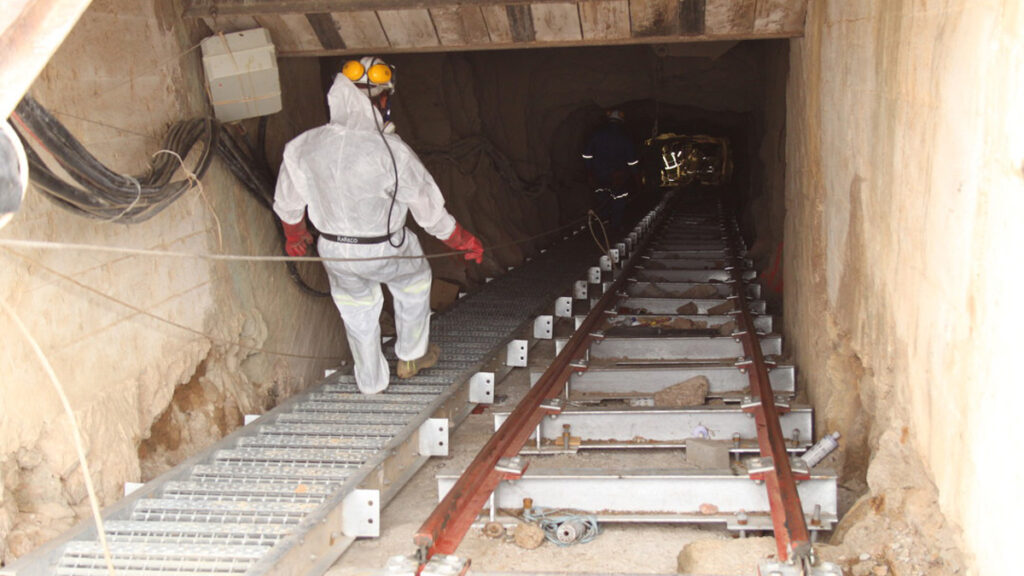
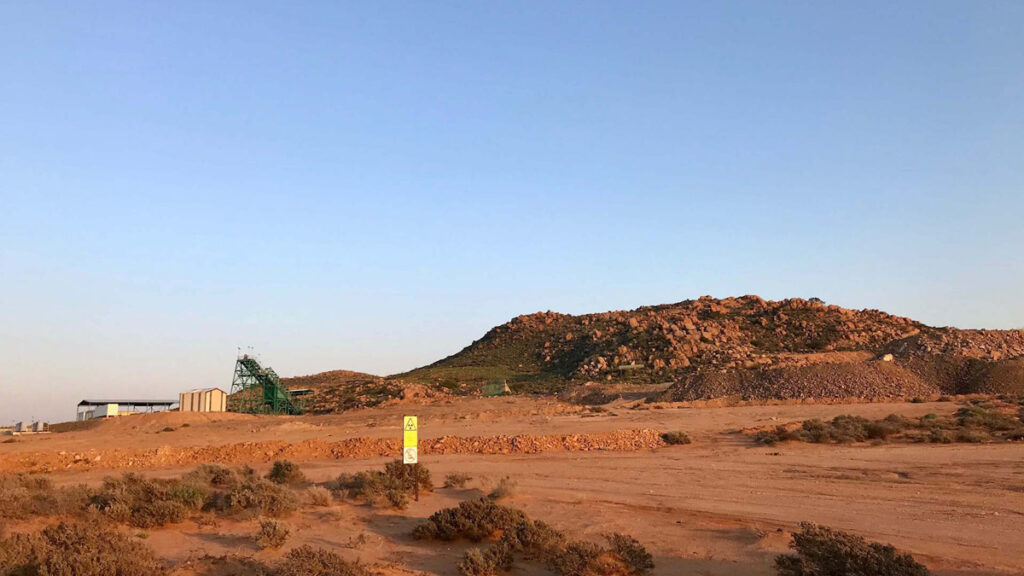
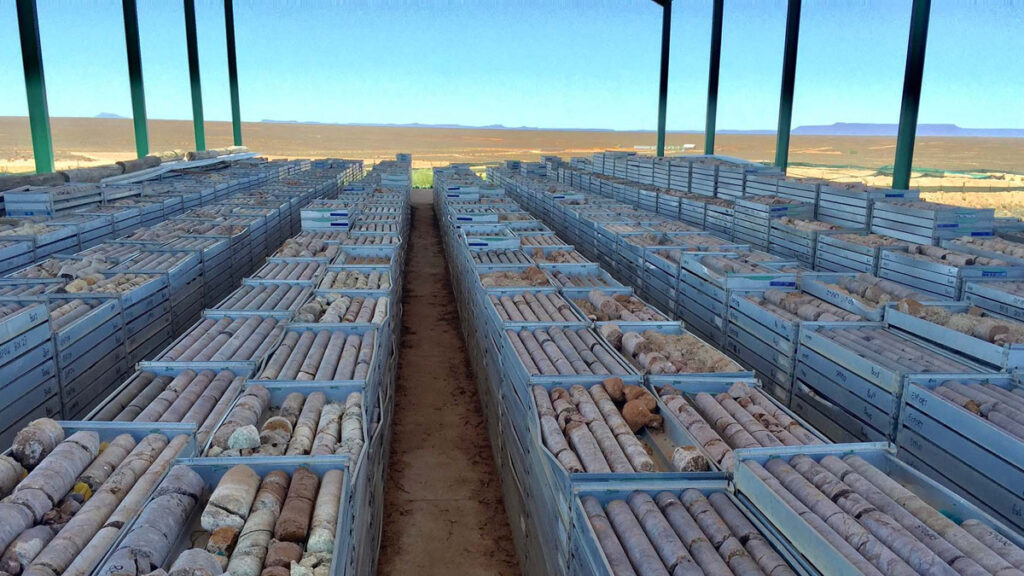
Steenkampskraal is a high-grade, hard-rock monazite vein deposit which has largely been left abandoned since Anglo American stopped operating the mine in 1963.
Plans are underway to bring the mine into operation, with Steenkampskraal Holdings receiving funding from the Industrial Development Corporation (IDC) in September 2025 to implement its six-phase production plan.
Located around 350 km north of Cape Town in the Western Cape and 320 km from Saldanha Bay, the mine is extremely isolated.
The mine is now run by Steenkampskraal Monazite Mine in partnership with Bora Mining Investments, which holds a significant stake in the operations.
Steenkampskraal is considered to have the highest-grade monazite deposit in the world at 14.5% total rare earth oxides at the lower end and as high as 40% in some areas.
The mine contains 15 rare earths, including those that are used to make electric motors for vehicles and wind turbines. This includes noedymium, praseodymium, dysprosium, and terbium.
These chemical elements are also crucial for military weapons, which makes them very attractive to both China and the United States.
Steenkampskraal says that the combined grade of these four important rare earths is 24.33%, which is greater than the total grades in most deposits.
Crucially, due to the existing mining infrastructure at the site, there is relatively little investment required to make it operational once again.
Due to the well-developed underground and surface infrastructure, the operating companies estimated it would require around R1 billion to resuscitate and develop processing facilities. The mine is also relatively shallow, with an average depth of only 160 metres.
The high grade of 14.5% means that, on average, 12 tonnes of ore will yield 1 tonne of rare earths, making the mine exceptionally efficient relative to other rare earth operations.
Steenkampskraal’s high rare earth grades mean that the mining volumes will be small. The first underground production phase produce 2,700 tonnes of rare earths per year, the production of ore from the mine will be only about 24,000 tonnes per year. This is set to be doubled in the first three years of operation.
At this rate of production, Steenkampskraal will have a mine life of about 25 years. This will be extended to over 30 years once the known contiguous resource is updated.
Significant progress has been made in resuscitating the mine, with regulatory approvals from the Department of Mineral and Petroleum Resources acquired for operation until 2030. This can be extended for another 30 years duringt the expansion phase.
The mine also has a certificate from the National Nuclear Regulator, which allows it to mine, process, transport, and store naturally occurring radioactive materials.
Most of the capital expenditure to bring the mine into production has already been incurred, and the additional investment still required is small, with the shaft headgear partially equipped and refurbished.
The companies also claim that many rare earth separation factories already want to buy Steenkampskraal’s rare earth production through various agreements that are yet to be negotiated and concluded.
Below is the six-phase strategic production plan unveiled in September 2025 –
- Phase 1: The construction of a concentration plant and the production of high-grade monazite concentrate
- Phase 2: The production of cerium- and lanthanum-depleted mixed rare earth carbonate and the implementation of proven technology
- Phase 3: The implementation of magneto-electrochemical separation processes and on-site or near-site processing to retain value domestically
- Phase 4: The production of rare earth fluorides through a patented process in partnership with Rare Earth Refiners
- Phase 5: The creation of on-site or near-site metallisation capabilities
- Phase 6: The production of separated end-products, which entails the creation of a vertically-integrated operation from mine to market
Current phase entails the establishment of a proof of concept and optimization laboratory scale metallurgical and hydro-metallurgical plant has been concluded and commissioned.
This full production plan is expected to take until 2027 to be fully realised, with the IDC providing funding in tranches to develop the Phase 1 capabilities.
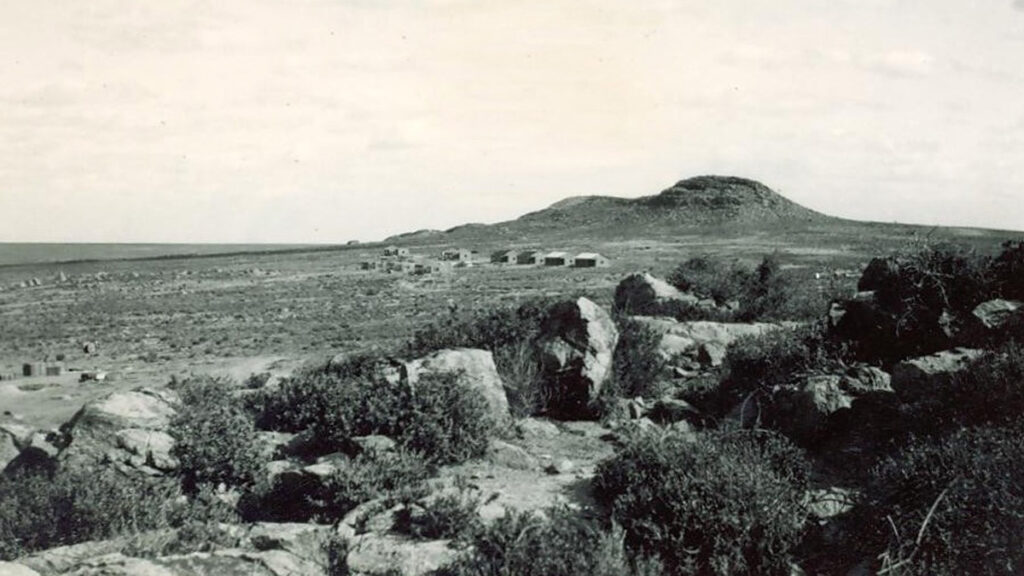
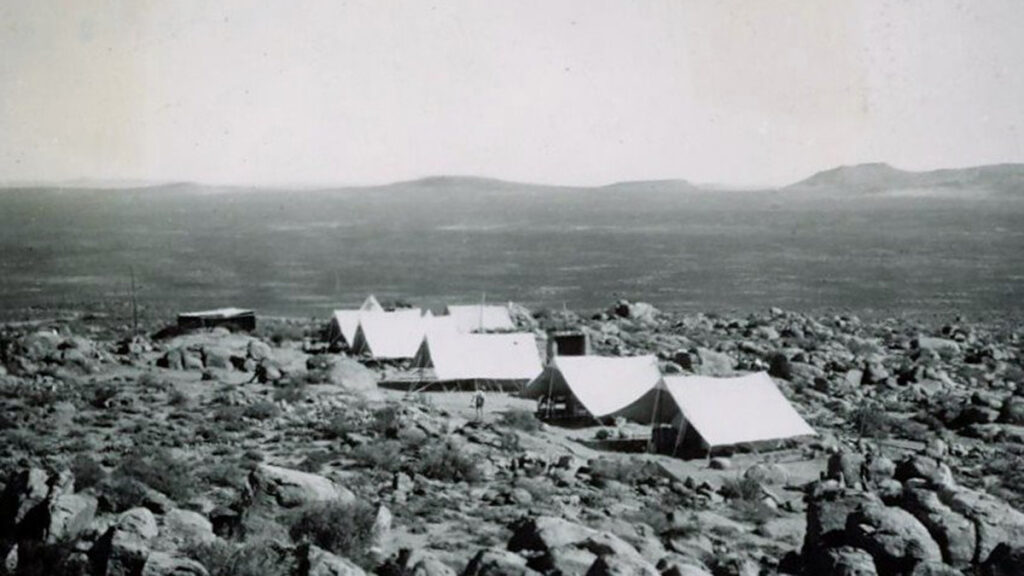
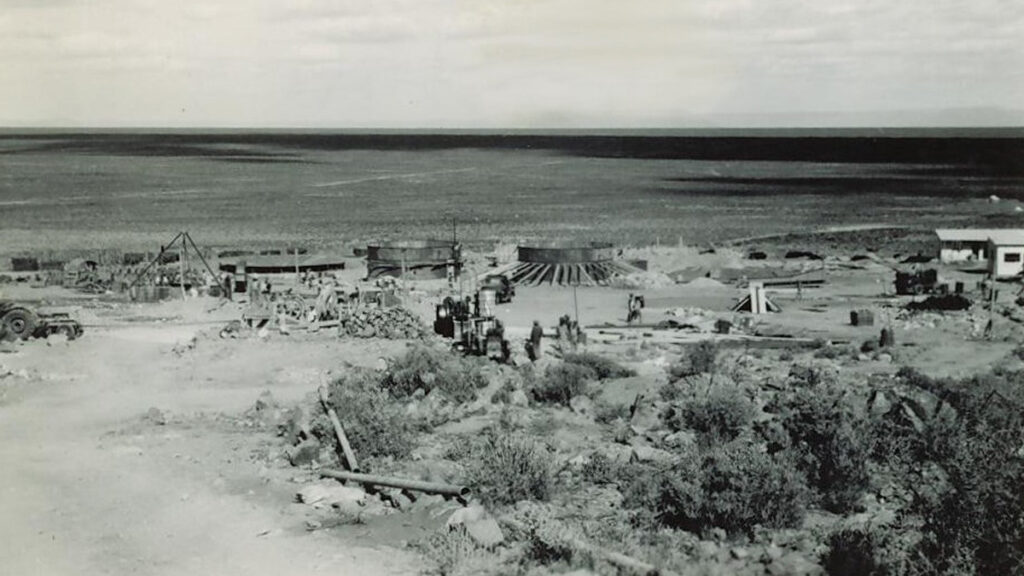
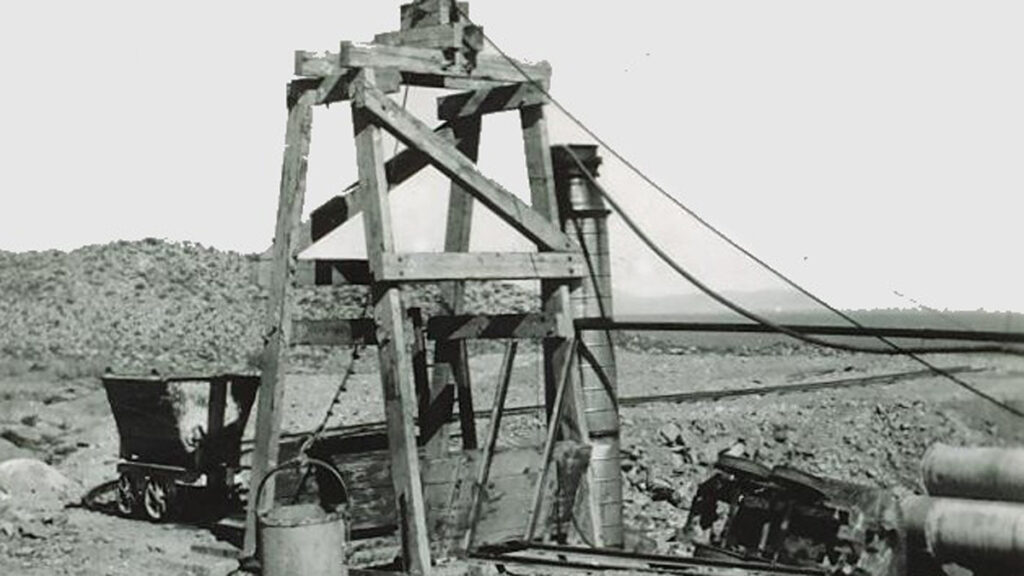
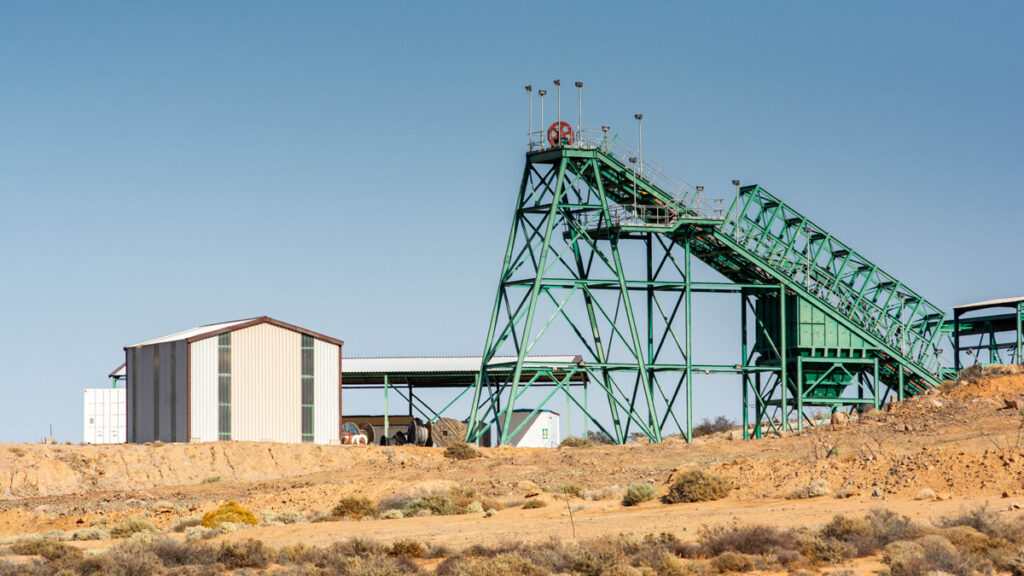
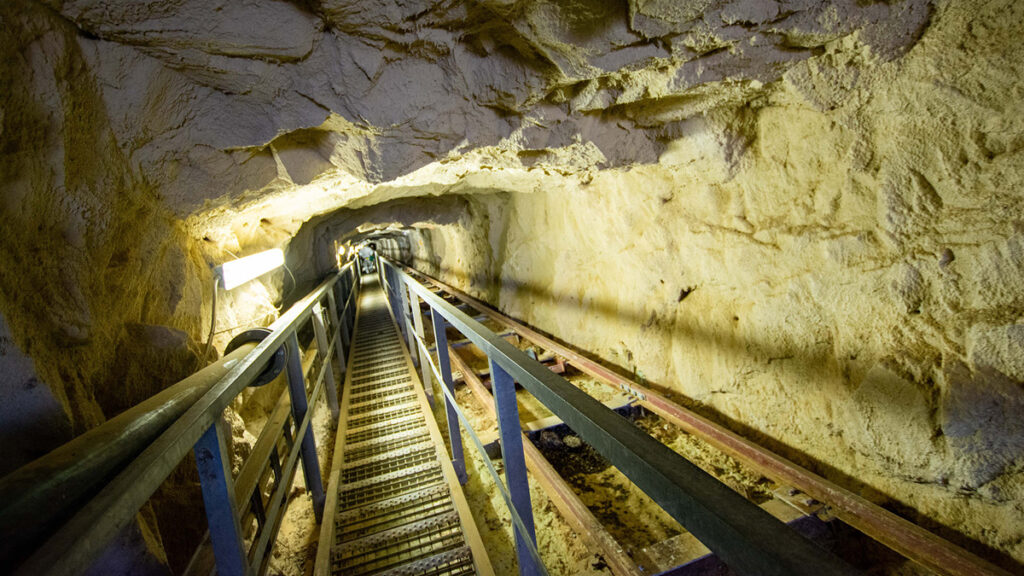
Images of Steenkampskraal






Comments